
广式茶点

Search documents
增长超11%!广州春节消费市场购销两旺
Nan Fang Du Shi Bao· 2026-02-24 05:10
Core Insights - Guangzhou's consumption market experienced a robust growth of 11.25% during the 2026 Spring Festival compared to the previous year, driven by various promotional policies and events [1][8]. Consumption Growth - Significant growth was observed in various sectors: beverages (38.5%), communication equipment (22.3%), cosmetics (28.6%), and clothing (15.2%) [1]. - Restaurant consumption also saw a notable increase of 13.1% during the same period [1]. Food and Beverage Initiatives - The "Eat in Guangzhou" initiative distributed 50 million yuan in government dining vouchers, encouraging local dining and attracting both domestic and foreign tourists [3]. - The city saw a surge in restaurant patronage, with popular dining spots experiencing high foot traffic during the holiday [3]. Retail and Shopping Experiences - Traditional and modern consumption methods were integrated, with various shopping festivals and events enhancing the shopping experience [3]. - Key shopping districts reported increased foot traffic: Beijing Road (4.28 million visitors) and Changlong Wanbo (3.57 million visitors), marking growth of 6.43% and 10% respectively compared to last year [3]. Online Consumption Trends - Online shopping initiatives, including the "Spring Action" and "National Online New Year Goods Festival," provided significant discounts and fast delivery options, enhancing the online shopping experience [5]. - The influx of foreign tourists at Baiyun Airport increased by 51.1%, indicating a strong recovery in inbound tourism [5]. Tourism and Travel - Guangzhou's metro system recorded a peak of 5.02 million passengers on the first day of the New Year, highlighting the city's popularity as a travel destination [6]. - Various promotional packages were offered by hotels in conjunction with shopping districts, enhancing the overall travel experience [6]. Policy and Incentives - The city implemented a series of consumer incentives, including subsidies for various products and a lottery system for receipts, which collectively stimulated consumer spending [8]. - The "Guangdong Quality Purchase" initiative led to significant sales in home appliances and automobiles, totaling 26 billion yuan in sales [8].

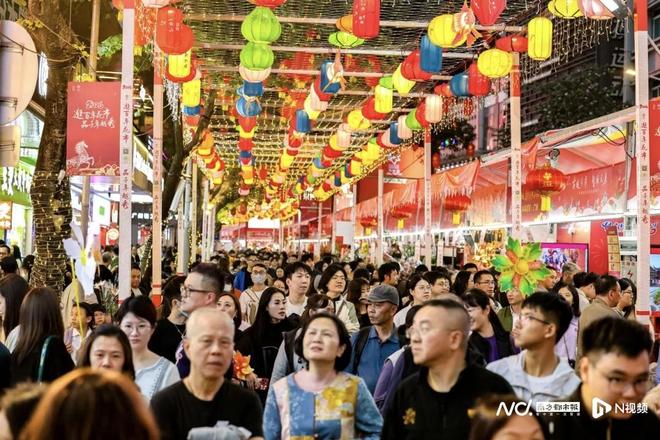
广州新春消费盛宴“不打烊”
Shang Hai Zheng Quan Bao· 2026-02-23 22:58
Group 1 - Guangzhou is launching a series of diverse promotional activities for the Spring Festival in 2026, aiming to create a comprehensive and enjoyable consumption experience for the public [1] - The government is implementing a national subsidy policy for home appliances and digital products, offering a 15% discount, with maximum subsidies of 500 yuan for digital products and 1500 yuan for home appliances [1] - A lucky draw for invoices will run until July 31, allowing consumers to win up to 800 yuan after making purchases and obtaining invoices [1] Group 2 - The Guangzhou government will distribute 50 million yuan in dining consumption vouchers before and after the Spring Festival, encouraging financial institutions and platform companies to offer additional commercial coupons [2]
“乐购新春”马年开门红!广州春节消费增长超11%
Guang Zhou Ri Bao· 2026-02-23 16:27
Core Insights - Guangzhou's consumption market experienced a robust growth of 11.25% during the 2026 Spring Festival compared to the previous year, driven by various government initiatives and promotional activities [1] Group 1: Consumption Growth - The consumption growth was particularly strong in beverages (38.5%), communication equipment (22.3%), cosmetics (28.6%), and clothing (15.2%) [1] - Restaurant consumption also saw a significant increase of 13.1% during the same period [1] Group 2: Food and Dining Promotions - The "Eat in Guangzhou" initiative distributed 50 million yuan in government dining vouchers, which stimulated the restaurant sector and attracted both local and foreign tourists [3] - Popular dining spots experienced a surge in customer traffic, with Guangzhou ranking among the top three in the "must-eat" list during the Spring Festival [3] Group 3: Cultural and Tourism Integration - Guangzhou promoted a deep integration of commerce, tourism, culture, and sports, with various food-related activities attracting 4.95 million visitors [4] - The city hosted multiple themed events, including flower markets and cultural parades, enhancing the festive atmosphere and consumer experience [4] Group 4: Retail and Shopping Experiences - Major shopping districts launched unique Spring Festival activities, such as the "Guangdong Goods Going Global" New Year goods festival, which attracted significant foot traffic [5] - New retail stores, including the first Dior Beauty concept store in South China, contributed to the "first-store economy" effect [5] Group 5: Transportation and Online Consumption - Transportation hubs and tourist attractions organized New Year goods consumption activities, enhancing the shopping experience for visitors [7] - Online platforms also participated in the Spring Festival promotions, offering discounts and fast delivery options to boost consumer spending [7] Group 6: Inbound Tourism and Services - Guangzhou remained a top destination for international tourists, with over 34,000 foreign visitors entering through Baiyun Airport, marking a 51.1% increase [8] - The city introduced new services for inbound tourists, including a dedicated app for local services and tax refund options [8] Group 7: Hotel and Accommodation Promotions - Hotels around major shopping areas offered special packages to attract guests, with Guangzhou ranking among the top three cities for hotel bookings during the Spring Festival, showing a 35% increase year-on-year [10] Group 8: Policy Incentives and Consumer Engagement - The city implemented various consumer incentive policies, including subsidies for purchasing new appliances, which significantly boosted sales in multiple categories [11] - The "Lucky Invoice" program encouraged consumer spending, with nearly 500 million invoices issued and over 470 million yuan in rewards distributed [12]

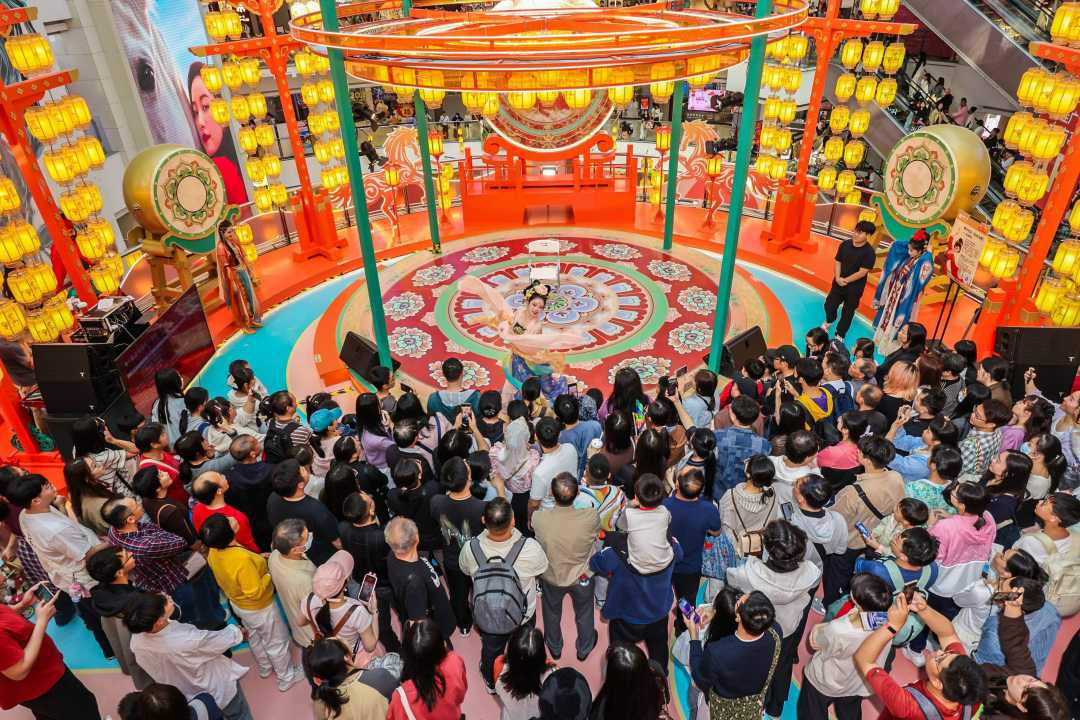
广式茶点到渭河|家乡的广货
Nan Fang Nong Cun Bao· 2026-02-20 23:36
Core Viewpoint - The article highlights the cultural integration and popularity of Cantonese dim sum in the northern region of China, specifically along the Weihe River, showcasing how traditional southern flavors have found a place in local dining experiences [1][39]. Group 1: Cultural Integration - The introduction of Cantonese dim sum in Shaanxi reflects a blend of culinary traditions, with local residents embracing these new flavors alongside their traditional dishes [6][39]. - The presence of a Cantonese dim sum shop in a local street signifies the growing acceptance and demand for diverse culinary experiences in northern China [6][36]. Group 2: Customer Experience - Customers express delight in the quality and variety of dim sum, with many noting the softness and creativity of the dishes, which cater to both older and younger generations [10][19]. - The shop owner, a native of Guangzhou, has adapted the menu to local tastes, incorporating regional ingredients and flavors, which has led to a positive reception from the community [20][24]. Group 3: Community and Tradition - The article illustrates how food serves as a bridge between different regions, fostering connections among families and friends as they share meals that combine elements from both southern and northern cuisines [38][40]. - The exchange of local delicacies, such as homemade beef jerky from Shaanxi and sweet rice cakes from Cantonese traditions, symbolizes the blending of cultural identities and culinary practices [34][36].

从厨房到小巷,新加坡与中国游客同迎黄金周
Xin Hua Wang· 2025-10-04 12:40
Core Insights - The article highlights the significant increase in Chinese tourist arrivals in Singapore during the Golden Week, with a notable rise in demand for local food and retail services [1][2] - Businesses across Singapore are actively preparing for the influx of tourists, enhancing services and inventory to meet the expected demand [1][2] Group 1: Tourism and Visitor Trends - Chinese tourists have become the largest group of visitors to Singapore, with 2.3 million arrivals recorded in the first eight months of the year [1] - The interest of Chinese tourists is shifting from traditional landmarks to exploring local cafes, bookstores, and unique experiences, indicating a trend towards more personalized travel [3][4] - Social media platforms like Xiaohongshu (Little Red Book) are influencing tourist choices, with many visitors sharing their experiences and recommendations online [2][4] Group 2: Business Adaptations - Retailers and restaurants are increasing their staff and inventory in anticipation of the Golden Week, with specific examples like the increase in chicken leg sales at the Coconut Club [1][2] - High-end retail locations, such as Takashimaya, are enhancing customer service and security measures to accommodate the expected surge in shoppers [1][2] - Payment services are being upgraded, with Alipay now accepted in over 500 stores, aiming to redefine the retail experience for Chinese tourists [2] Group 3: Cultural Events and Local Experiences - The Mid-Autumn Festival celebrations, including lantern displays, are attracting tourists and enhancing their cultural experience in Singapore [4][5] - Local artisans from Sichuan, China, are involved in creating the lantern displays, showcasing the cultural exchange between Singapore and China [4][5]