
引江补汉工程

Search documents
南水北调建设者春节不停工 全力守护“一泓清水永续北上”
Yang Shi Wang· 2026-02-20 05:16
Core Viewpoint - The South-to-North Water Diversion Project's Eastern and Central Line is crucial for supplying water to 195 million people, with efforts being made to ensure water safety during the Spring Festival [1] Group 1: Project Management and Safety Measures - Over 4,000 construction and operation management personnel from the South-to-North Water Diversion Group are on duty to ensure continuous water supply [1] - The Taocha Water Diversion Hub, which controls the inflow of the main canal, is undergoing thorough inspections to maintain operational safety [1] - An emergency response team has been established to address any unexpected situations during the Spring Festival, ensuring stable equipment operation and precise water supply [3] Group 2: Technological Advancements - The water quality monitoring station at the Taocha Hub has been upgraded with IoT and AI technologies for 24/7 water quality safety monitoring [1] - Intelligent inspection robots are deployed in the hub's power plant to monitor equipment temperature and operational status, providing comprehensive surveillance [5] - The integration of digital twin technology and a comprehensive monitoring system enhances scientific assessment and precise water distribution for 27 major cities during the Spring Festival [8] Group 3: Ongoing Construction Projects - The Jianghan Water Network construction project, as the first follow-up project of the South-to-North Water Diversion, is progressing rapidly with hundreds of workers on-site [10] - The main tunnel of the Jianghan project has exceeded 18 kilometers in excavation, with over 35 kilometers of branch tunnels completed, showcasing a collaborative operational approach [11]

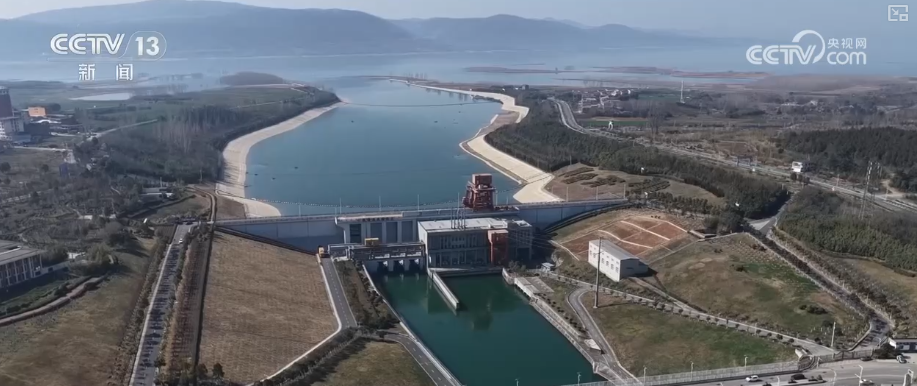
湖北夷陵:引江补汉工程建设者“在工地过年”温暖踏实
Xin Lang Cai Jing· 2026-02-20 03:08
Core Viewpoint - The construction of the Yangtze River to Han River diversion project is actively ongoing during the Chinese New Year, showcasing the commitment of the workers to maintain progress and ensure the project's timely completion [3][5]. Group 1: Project Overview - The Yangtze River to Han River diversion project is part of the South-to-North Water Diversion Project, with a total length of approximately 194.8 kilometers and an average annual water diversion capacity of 3.9 billion cubic meters [7]. - The project aims to connect the South-to-North Water Diversion Project with the Three Gorges Project, enhancing the water resource allocation capacity in the Han River basin and ensuring national water security [7]. Group 2: Construction Activities - During the Spring Festival, construction activities continued with 31 machines operating non-stop, achieving a tunneling progress of 1,565 meters in the first tunnel [5][7]. - The hard rock tunneling machine, referred to as the "steel pangolin," operates efficiently by adjusting parameters based on geological conditions, thereby improving construction efficiency and safety [7]. Group 3: Worker Welfare - The project team made arrangements to ensure the well-being of workers who stayed on-site during the holiday, including a communal New Year's Eve dinner to foster a sense of community [3][7]. - The project management emphasized safety and equipment inspection during the holiday period to maintain construction quality and continuity [7].
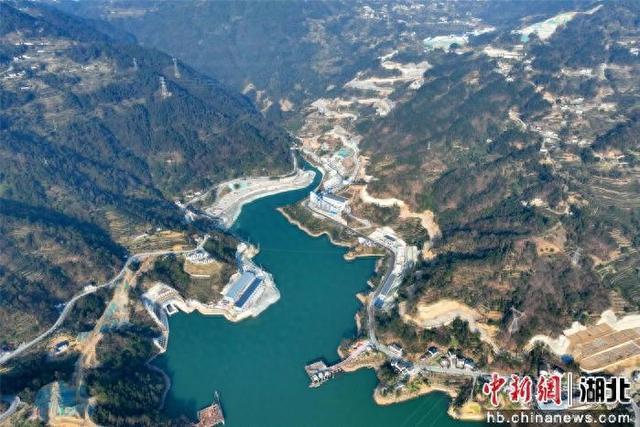
春节不停工 他们守护1.95亿人用水“生命线”
Xin Lang Cai Jing· 2026-02-20 03:08
Core Viewpoint - The South-to-North Water Diversion Project's Eastern and Central Line is crucial for supplying water to 195 million people, with efforts being made to ensure water supply safety during the Spring Festival [1] Group 1: Project Management and Safety Measures - Over 4,000 construction and operational management personnel from the South-to-North Water Diversion Group are on duty to safeguard water supply during the Spring Festival [1] - The Taocha Water Diversion Hub, which controls the inflow of the main canal, is undergoing thorough inspections to maintain operational safety [3] - An emergency response team has been established to address any unexpected situations promptly, ensuring stable equipment operation and precise water supply during the holiday [7] Group 2: Technological Advancements - The Taocha Water Quality Automatic Monitoring Station has upgraded its monitoring capabilities using IoT and AI technologies to ensure continuous water quality safety [5] - Intelligent inspection robots are deployed in the hub's power plant to monitor equipment conditions and provide real-time alerts, ensuring comprehensive surveillance [9] - The integration of digital twin technology and a comprehensive monitoring system enhances scientific assessment and precise scheduling for water supply safety in 27 major cities during the Spring Festival [11] Group 3: Ongoing Projects - The Jianghan Water Network Construction Project, as the first follow-up project of the South-to-North Water Diversion, is progressing rapidly with hundreds of workers on-site during the Spring Festival [13] - The main tunnel of the Jianghan project has exceeded 18 kilometers in excavation, with over 35 kilometers of branch tunnels completed, showcasing a collaborative underground operation [13]
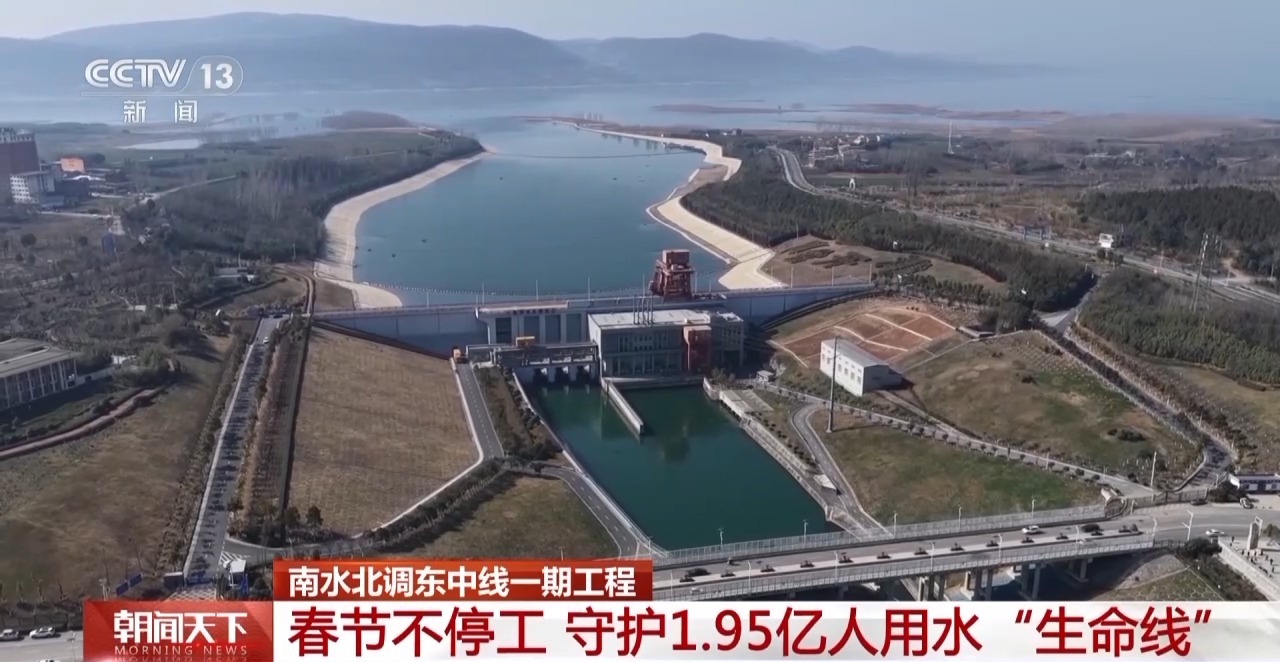
春节不停工,他们守护1.95亿人用水“生命线”
Xin Lang Cai Jing· 2026-02-20 00:05
Core Viewpoint - The South-to-North Water Diversion Project's Eastern and Central Line is crucial for supplying water to 195 million people, with efforts focused on ensuring water supply safety during the Spring Festival [1] Group 1: Project Management and Safety Measures - Over 4,000 builders and operational staff from the South-to-North Water Diversion Group are dedicated to maintaining water supply during the Spring Festival [1] - The Taocha Water Diversion Hub is the control point for the main canal's flow, with personnel conducting inspections along the channel to ensure safety [3] - An emergency response team has been established to address any sudden issues that may arise during the Spring Festival, ensuring stable equipment operation and precise water supply [7] Group 2: Technological Advancements - The Taocha Water Quality Automatic Station has upgraded its monitoring capabilities using IoT and AI technologies to ensure continuous water quality safety [5] - Intelligent inspection robots are deployed in the hub's power plant to monitor equipment conditions and provide real-time alerts, enhancing operational oversight [9] - The integration of digital twin technology and a comprehensive monitoring system allows for scientific assessment and precise scheduling to safeguard water supply for 27 major cities during the Spring Festival [11] Group 3: Ongoing Construction Projects - The Jianghan Water Network Construction Project, as the first follow-up project of the South-to-North Water Diversion, is progressing rapidly with hundreds of workers on-site during the Spring Festival [13] - The main tunnel of the Jianghan project has exceeded 18 kilometers in excavation, with over 35 kilometers of branch tunnels completed, showcasing a collaborative underground operation [13]
开年以来真“硬核”,多个重要工程项目建设报喜
Xin Hua Wang· 2026-02-05 03:47
Core Viewpoint - Multiple significant engineering projects have made progress since the beginning of 2026, contributing to high-quality development in China [2]. Group 1: Nuclear Power Projects - The Zhangzhou Nuclear Power Unit 2 officially commenced commercial operation on January 1, 2026, marking the completion of the "Hualong One" Zhangzhou Nuclear Power Phase I project [4]. - The Zhangzhou Nuclear Power Base, which is the largest of its kind globally, is expected to provide approximately 60 billion kilowatt-hours of clean electricity annually, optimizing the power distribution in Fujian Province [4]. - The first nuclear power unit of the Jiangsu Xuwei Nuclear Energy Heating Power Plant began concrete pouring on January 16, 2026, entering the main construction phase [11]. Group 2: Railway Projects - The Ba Mountain Village Tunnel of the Yuwan High-Speed Railway successfully broke through on January 4, 2026, marking a significant milestone in the construction of the railway [7]. - The Yuwan High-Speed Railway, part of China's "Eight Vertical and Eight Horizontal" high-speed rail network, has a total length of 251 kilometers and a design speed of 350 kilometers per hour [8]. - The longest tunnel of the Lanzhou-Cooperation Railway, the Xigu Tunnel, achieved a breakthrough on January 27, 2026, indicating key progress in the project [14]. Group 3: Water Diversion Projects - The export section of the Yangtze River to Han River Water Diversion Project was completed on January 30, 2026, becoming the first section to be fully connected [16]. - This project is a significant part of the national water network and aims to connect the Yangtze River reservoir with the Danjiangkou Reservoir over a total length of 194.7 kilometers [17]. Group 4: High-Speed Rail Projects - The bridge construction for the Yukun High-Speed Railway was completed on February 3, 2026, marking the end of bridge construction for this railway [19].

引江补汉工程输水总干线出口段工程贯通 国家水网骨干工程建设取得关键突破
Ren Min Ri Bao· 2026-02-01 22:20
Core Viewpoint - The completion of the Jiangjiang to Hanjiang water diversion project marks a significant breakthrough in the construction of the national water network, with the main line's export section being completed four months ahead of schedule [1] Group 1: Project Overview - The Jiangjiang to Hanjiang water diversion project is the first project initiated after the South-to-North Water Diversion initiative, with a total length of approximately 194.7 kilometers and an average annual water diversion capacity of 3.9 billion cubic meters [1] - The export section of the project, located in Hubei Province, spans 5,085 meters and faces complex geological challenges, including crossing fault lines and high risks of mud and water inflow [1] Group 2: Technological Integration - The Jianghan Water Network Company has established a digital twin intelligent construction center, integrating various information modules such as video monitoring, personnel and vehicle tracking, and water and rainfall monitoring [1] - This technological integration aims to enhance management efficiency through standardized and refined practices, allowing for comprehensive oversight of the project [1] Group 3: Impact on Water Resource Management - Upon completion, the project is expected to significantly enhance the water supply capacity and reliability of the first phase of the central line, improving water resource allocation in the Han River basin and surrounding regions [1] - The project will also create conditions for achieving the long-term water diversion scale of the Hanjiang to Weihe project [1]
引江补汉工程出口段贯通
Xin Lang Cai Jing· 2026-01-31 08:12
Core Viewpoint - The successful completion of the last segment of the South-to-North Water Diversion Project's Jiang River Supplement to Han Project marks a significant milestone, increasing the water supply capacity to northern regions, particularly Beijing and Tianjin [2] Group 1: Project Overview - The Jiang River Supplement to Han Project is the first construction project of the follow-up South-to-North Water Diversion initiative, aimed at transferring water from the Yangtze River to the Han River [2] - The project includes a total length of approximately 194.7 kilometers and is designed for pressurized single-tunnel gravity water transfer [2] Group 2: Water Supply Impact - The implementation of the Jiang River Supplement to Han Project will increase the average annual water supply of the South-to-North Water Diversion Project from 9.5 billion cubic meters to 11.51 billion cubic meters, effectively doubling the annual water supply received by Beijing [2] - The average water transfer volume from the Jiang River Supplement to Han Project is projected to be 3.9 billion cubic meters, with flow rates varying between 170 to 212 cubic meters per second depending on the water level of the Three Gorges Reservoir [2]
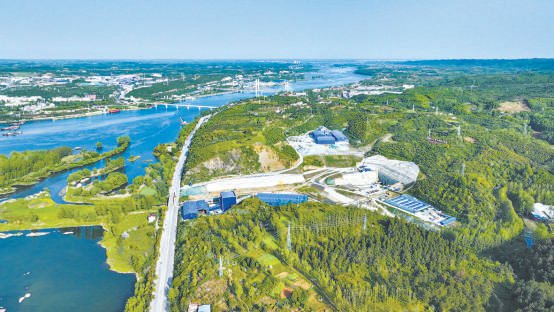
引江补汉工程输水总干线出口段工程贯通
Xin Hua Wang· 2026-01-30 11:12
Core Points - The Jianghe Supplementary Han Project's main water conveyance line has successfully completed its first section, marking a significant breakthrough in the construction of the national water network [1] - The project is located in Hubei Province and involves complex geological conditions, making it one of the most challenging and high-risk segments of the entire project [1] - The construction employs a drilling and blasting method with precise control to ensure safety and quality, supported by a digital twin intelligent construction center for comprehensive monitoring [1] - This project is a key initiative following the South-to-North Water Diversion Project and aims to enhance the national water network's infrastructure [1] - The total length of the water conveyance line is 194.7 kilometers, facilitating a connection between the Three Gorges Reservoir and the downstream Danjiangkou Reservoir [1]
冬修水利 各地抢抓工期全力推进
Yang Shi Wang· 2025-12-21 11:48
Group 1 - The winter irrigation period is currently in a critical phase, with various regions accelerating the construction of key water conservancy infrastructure [1] - A series of water diversion projects are being implemented, including the Guangxi Water Resource Allocation Project, which will benefit nearly 14 million people by connecting over 10 large and medium-sized reservoirs [1] - The Yangtze River's water diversion project, known as the "Yangtze River to Han River" project, is progressing to enhance water resource allocation and supply capacity [1] Group 2 - Flood control projects are also being expedited, with the Huayang River flood storage area project over 90% completed, expected to be fully operational by 2027 [1] - In Hebei, the North Juma River regulation project is under construction, with a total capacity equivalent to eight West Lakes, aimed at improving flood control and water storage [1] - In Sichuan, the Dongfeng Canal's main channel is 85% complete, which will significantly enhance water supply capabilities for 19 counties upon completion [2]
又一超级水利工程将落地,全国水利投资已连续三年突破万亿元
Di Yi Cai Jing· 2025-06-20 14:21
Core Viewpoint - The rapid development of water conservancy construction in recent years has led to the implementation of several major water conservancy projects, particularly those that have been under discussion for many years [1][5]. Group 1: Major Projects and Investments - The "Yin Da Ji Min" project in Sichuan is set to commence construction within the year, with a total static investment of 57.4 billion yuan and a construction period of 96 months [2][3]. - The project aims to draw water from the Dadu River to the Chengdu Plain, with a designed water intake flow of 80 cubic meters per second and a total water conveyance length of 304.4 kilometers [3]. - The project will involve three energy recovery power stations with a total installed capacity of 388 megawatts [3]. Group 2: Water Supply and Coverage - The "Yin Da Ji Min" project will supply water to eight cities and 43 counties, with average water supply volumes projected to be 1.326 billion cubic meters in 2035 and 1.523 billion cubic meters in 2050 [4]. - The Dujiangyan irrigation area is expected to reach an irrigation area of 11.647 million acres by 2025, expanding its coverage to include new regions [4]. Group 3: Growth in Water Investment - National water conservancy investment has shown rapid growth, with significant projects being launched, including the "Yin Da Ji Min" project and others like the "Yin Jiang Bu Han" project, which has a total investment of 58.235 billion yuan [5][6]. - In the first quarter of this year, eight major water conservancy projects were initiated, with a total investment scale of 43.73 billion yuan, representing a year-on-year increase of 27.8% [6]. - Water conservancy construction investment reached a historical high of 1.1996 trillion yuan in 2023, following a record of 1.0893 trillion yuan in 2022, marking a 43.8% increase from 2021 [7].