户外背包

Search documents
年轻人的“发疯”大赛,正在被包装成“消费游戏”
3 6 Ke· 2025-12-08 02:30
Core Insights - The "Survival Challenge" event in Zhangjiajie has achieved over 5 billion views, significantly boosting local tourism and related businesses, with ticket revenue increasing by 310% year-on-year and sponsor revenue tripling [1][2][11] - The event reflects a growing trend among young people seeking unconventional ways to relieve stress, leading to a complete cycle of "emotional release - traffic explosion - commercial monetization" [2][11] - The outdoor and survival content has become a new trend in short video platforms, with significant increases in viewership and engagement [5][6][11] Industry Impact - The outdoor camping concept stocks in A-shares have surged, with companies like Sanfu Outdoor hitting the daily limit, and related products seeing explosive sales [1][11] - The outdoor equipment market is projected to grow significantly, with estimates suggesting a market size of $44.5 billion in 2024, expanding to $91.8 billion by 2030 [9][11] - Brands are heavily investing in marketing, with companies like Berghaus and Toread increasing their advertising costs significantly, indicating a strong focus on capturing the outdoor consumer market [10][11] Consumer Behavior - Young consumers are increasingly participating in outdoor challenges, with a notable rise in interest in extreme sports and adventure activities, as evidenced by the popularity of events like the Spartan Race [12][13][22] - The willingness to pay for experiences is rising, with many young people valuing emotional consumption and immersive experiences, leading to higher entry fees for events [22][23][24] - Social media plays a crucial role in transforming these experiences into "social currency," with young consumers willing to pay for shareable moments [25][26]

我去了Keep首家自营店:看到一个运动APP的线下新思考
虎嗅APP· 2025-07-21 00:27
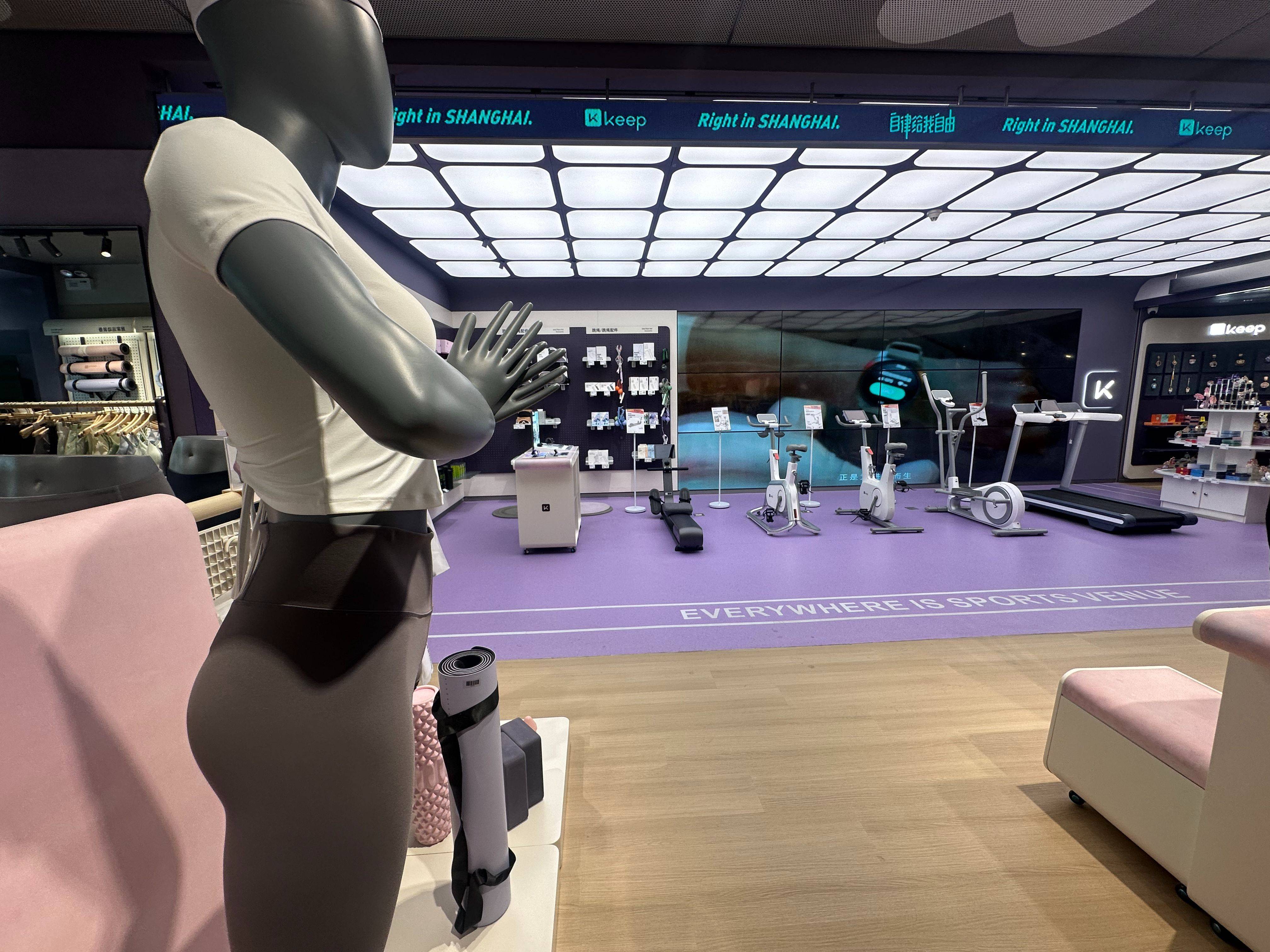
Core Viewpoint - Keep is adjusting its offline business strategy by moving away from the Keepland gym model and focusing on retail and event ecosystems to better align with market demands and its strengths [3][7]. Group 1: Offline Business Adjustments - The Keepland gym model has effectively ended, with no plans for further expansion, as the company shifts focus to offline retail and event organization [3][7]. - Keep's first offline self-operated product store opened in Shanghai, strategically located near high-end sports brands, aiming to attract affluent consumers and sports enthusiasts [3][4]. - The store emphasizes product experience, with a layout that prioritizes retail and experiential areas in a 172 square meter space [4][5]. Group 2: Product Offerings - The store features a comprehensive range of sports equipment, apparel, smart wearables, and fitness foods, catering to home fitness and outdoor training needs [4]. - Keep's offline strategy includes promoting smart sports watches and the KS smart fitness machine, linking hardware with its membership system to enhance user conversion [6]. Group 3: Financial Performance and Market Position - Keepland's average monthly revenue per store failed to exceed 150,000 yuan, while competitors achieved higher revenues, leading to a strategic retreat [7]. - Keep's self-branded sports products were initially seen as a growth opportunity, but the market potential has not met expectations, prompting a shift in focus towards event organization [8]. Group 4: Event Organization and Revenue Sources - Keep is increasingly viewing offline events as a new growth engine, with a shift in resources towards this area as virtual sports event growth slows [8][9]. - The company has organized nearly 100 paid virtual sports events in 2023, with participation fees ranging from 20 to 179 yuan, and has begun to integrate offline events into its strategy [8][9]. Group 5: Technological Integration - Keep's "All in AI" initiative aims to enhance user experience through AI-generated training plans and personalized recommendations, which has positively impacted its market perception [10]. - The offline stores serve as product showcases and user experience hubs, while the event business activates users and expands brand reach, supported by AI technology and membership systems [10][11].


Keep正在线下重新审视自己|消费现场前线
Hu Xiu· 2025-07-20 10:18
Core Insights - Keep is adjusting its offline business strategy by moving away from the "Keepland" gym model and focusing on self-operated retail stores and event ecosystems to better align with market demands and its strengths [1][8][12] Group 1: Offline Business Strategy - The "Keepland" gym model is nearing its end, with Keep shifting focus to offline retail and event scenarios [1] - Keep's first self-operated retail store opened in Shanghai, strategically located near high-end sports brands, aiming to attract affluent consumers and sports enthusiasts [1][2] - The new store emphasizes product experience, with a layout that prioritizes retail and experiential areas [2][5] Group 2: Product Offering and Experience - The store covers a wide range of sports equipment and apparel, catering to home fitness and outdoor training needs [2] - A dedicated experience area allows customers to test products like smart sports watches and fitness machines, showcasing the advantages of offline shopping [5] Group 3: Transition from Keepland - Keepland's closure is attributed to high rental costs, rising customer acquisition costs, and challenges in user retention, leading to a loss of competitive edge [8][9] - The average monthly revenue for Keepland stores was around 150,000 yuan, significantly lower than competitors [9] Group 4: Shift to Events and AI Integration - Keep is pivoting towards organizing offline events as a new growth engine, moving resources from consumer products to event organization [10][11] - The company has launched numerous paid virtual sports events, with a focus on offline events in 2023, integrating technology to enhance user experience [10][11] - Keep's "All in AI" initiative aims to leverage AI for personalized training and product recommendations, enhancing user engagement and operational efficiency [11][12] Group 5: Future Outlook - The offline self-operated stores are positioned as product showcases and user experience hubs, while event business drives user activation and brand expansion [12] - Keep is redefining its offline role, aiming to connect users and validate technology, with future success dependent on user and market response [12]