扫雪机

Search documents
大叶股份:公司产品线丰富,涵盖割草机、打草机/割灌机、吹吸叶机等
Zheng Quan Ri Bao Zhi Sheng· 2026-02-13 08:40
Group 1 - The global garden machinery market is expected to reach a scale of 30.9 billion USD by 2030, with a compound annual growth rate (CAGR) of 2.11% [1] - The company offers a diverse product line including lawn mowers, brush cutters, leaf blowers, snow sweepers, pruning shears, pole saws, and tillers, showcasing a comprehensive range of products [1] - The company emphasizes innovation as a core driver of development, continuously increasing R&D investment to enrich and enhance its product offerings [1] Group 2 - To mitigate the impact of seasonal fluctuations, the company is actively seeking breakthroughs by developing new products suitable for off-peak seasons or year-round use [1] - The company is accelerating the integration process with AL-KO to expand off-season revenue in the Oceania market, gradually reducing the impact of seasonal factors on operational performance [1]

威马农机:2025年全年净利润同比预减53.48%—62.28%
2 1 Shi Ji Jing Ji Bao Dao· 2026-01-30 08:04
Core Viewpoint - Weima Agricultural Machinery has announced its annual performance forecast, expecting a significant decline in net profit for 2025 compared to the previous year, primarily due to decreased sales in certain product categories and increased operational costs [1] Group 1: Financial Performance - The company anticipates a net profit attributable to shareholders of 30 million to 37 million yuan for 2025, representing a year-on-year decrease of 53.48% to 62.28% [1] - The expected net profit after deducting non-recurring gains and losses is projected to be between 26.5 million and 33.5 million yuan, reflecting a year-on-year decline of 56.26% to 65.40% [1] Group 2: Revenue and Sales - The company expects a decrease in operating revenue compared to the previous year, primarily due to a decline in sales of certain product categories, particularly snow removal machines, which have seen a drop in overall market demand [1] - The decline in sales of snow removal machines has not been compensated by growth in other product categories, leading to a reduction in overall operating revenue [1] Group 3: Cost Structure - The company has increased its marketing and management expenses significantly to strengthen overseas market development and build its own brand channels, resulting in higher sales and management costs year-on-year [1] - To accelerate its strategic layout in the smart agricultural machinery market, the company has expanded its R&D team and increased investment in core technology, leading to a rise in R&D expenses [1]
浙江冰雪经济起势 电力助“冷资源”变“热产业”
Zhong Guo Xin Wen Wang· 2026-01-09 14:07
Core Insights - The cold air has led to a surge in the "ice and snow economy" in Zhejiang, transforming cold resources into hot industries, particularly in skiing and snow equipment production [1][3]. Group 1: Ice and Snow Economy Development - The Hangzhou Tonglu Shenshanli International Ski Resort has seen a significant increase in electricity consumption, with an average daily usage of 12,000 kWh, a 155% increase compared to the same period last year [1]. - Zhejiang has 26 operational ice and snow sports venues, ranking first among southern provinces, and is one of the fastest-growing regions for ski tourism in China [3]. - The provincial plan for 2025 includes promoting the ice and snow economy as part of a broader initiative to boost service consumption, encouraging the development of "ice and snow +" economic models [3]. Group 2: Power Supply and Infrastructure - Local power companies have implemented a "network perception + aerial inspection" service to ensure reliable electricity supply to ski resorts, featuring a four-level sensing network for real-time monitoring [3]. - The establishment of a 24-hour emergency response mechanism and the preparation of power repair materials tailored for ice and snow scenarios have been prioritized [3]. - The Zhejiang Electric Power Company has customized energy efficiency and power protection plans for businesses, ensuring reliable power for the production of snow removal and sweeping machines, which have seen increased overseas orders [4]. Group 3: Energy Efficiency and Competitiveness - The "Luban" energy efficiency management platform provides real-time electricity monitoring for export-oriented enterprises, helping them optimize energy use and reduce costs significantly [5]. - By implementing time-of-use electricity strategies, companies like Zhejiang Daban Electric Tools Co., Ltd. have saved hundreds of thousands in electricity costs, enhancing their international competitiveness [5]. - The province has developed a cluster of ice and snow equipment industries, with significant production capabilities in cities like Taizhou and Ningbo, benefiting from a strong manufacturing base and convenient shipping [5].

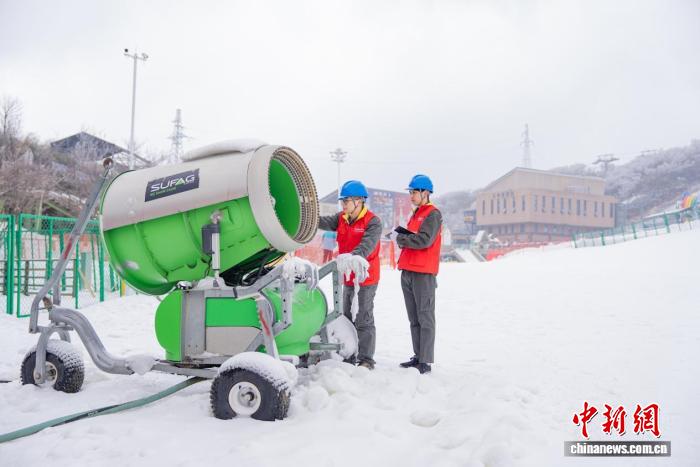
“冷资源”生出“热产业”
Ren Min Ri Bao Hai Wai Ban· 2025-11-30 22:20
Core Insights - The ice and snow economy in Zhejiang is rapidly growing, becoming a new engine for winter consumption despite the lack of natural snow resources [4][12] - The number of ice and snow sports venues in Zhejiang has reached 26, with 18 ski resorts, including 8 indoor facilities, leading in southern provinces [5] - The government is actively promoting ice and snow tourism and related economic activities, aiming to transition from seasonal peaks to year-round engagement [6][12] Group 1: Ice and Snow Sports Venues - The indoor ski resort at Taihu Longzhimeng Park in Huzhou can accommodate over 10,000 visitors on peak days, with a staff of nearly 80 instructors during the winter season [4] - The Yunshang Grassland Ski Resort in Anji is set to open mid-December, with a capacity of 15,000 skiers and an average annual visitor count of 250,000, contributing 80% of its revenue during the snow season [5] - The Daming Mountain Wansongling Ski Resort in Hangzhou offers a unique "skiing + hot spring" experience, reflecting the diversification of winter tourism [5] Group 2: Ice and Snow Product Sales - The sales of ice and snow-related products have surged, with a notable increase in children's ski gear, achieving sales of over 700 million yuan, a 40% year-on-year growth [8][9] - The market for ice and snow products is expanding, with a variety of items available, including ski goggles, helmets, and snow boots, indicating a positive outlook for the industry [9][10] - The production of ski poles in Ninghai County has become a significant industry, with an annual output value nearing 1 billion yuan, driven by increasing domestic demand [10] Group 3: Regional Economic Impact - The snow boot industry in Taizhou has seen a significant increase in production, with annual output exceeding 1 billion yuan, accounting for one-third of the national market [11][12] - The ice and snow economy is fostering innovation, with companies diversifying their product lines to include heated snow boots and snow removal equipment [12] - Zhejiang province now boasts over 500 companies related to ice and snow equipment, creating a comprehensive industrial chain from ski apparel to snowmobiles [12]

威马农机:公司扫雪机产品主要覆盖欧美等高纬度地区市场,正积极拓展目标市场
Mei Ri Jing Ji Xin Wen· 2025-11-26 08:13
Group 1 - The company is actively expanding its target market for snow removal equipment, particularly in high-latitude regions such as Europe and North America [2] - The company has received inquiries regarding its snow removal equipment sales in light of the upcoming snowfall in northern China, northern Europe, and Russia [2]
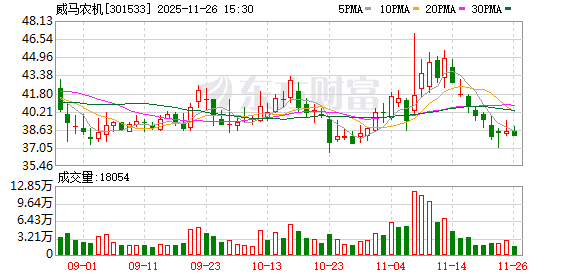
威马农机(301533.SZ):公司扫雪机产品主要覆盖欧美等高纬度地区市场
Ge Long Hui· 2025-11-26 01:58
Core Viewpoint - Weima Agricultural Machinery (301533.SZ) focuses on snow removal equipment primarily targeting high-latitude markets in Europe and North America, and is actively expanding its target markets [1] Group 1 - The company's snow removal products are mainly distributed in high-latitude regions [1] - Weima Agricultural Machinery is currently working on expanding its market reach [1]
威马农机:目前公司具备扫雪机年产20万台的生产能力
Zheng Quan Ri Bao· 2025-11-19 09:13
Core Viewpoint - The company, Weima Agricultural Machinery, has announced its production capacity for snow removal machines, indicating a strong position in the market for high-latitude regions such as Europe and North America [2] Group 1 - The company currently has an annual production capacity of 200,000 snow removal machines [2] - The primary market for the company's snow removal products includes high-latitude regions, particularly in Europe and North America [2]
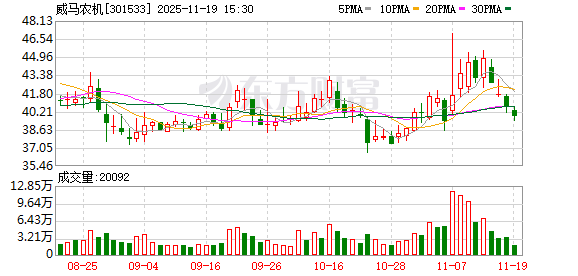
威马农机:目前公司具备扫雪机年产20万台的生产能力,产品主要覆盖欧美等高纬度地区市场
Mei Ri Jing Ji Xin Wen· 2025-11-19 01:28
Group 1 - The company has an annual production capacity of 200,000 snow removal machines [2] - The main market for the company's snow removal products includes high-latitude regions such as Europe and North America [2]
行业聚焦:全球园林工具行业头部生产商市场份额及排名调查
QYResearch· 2025-11-17 01:21
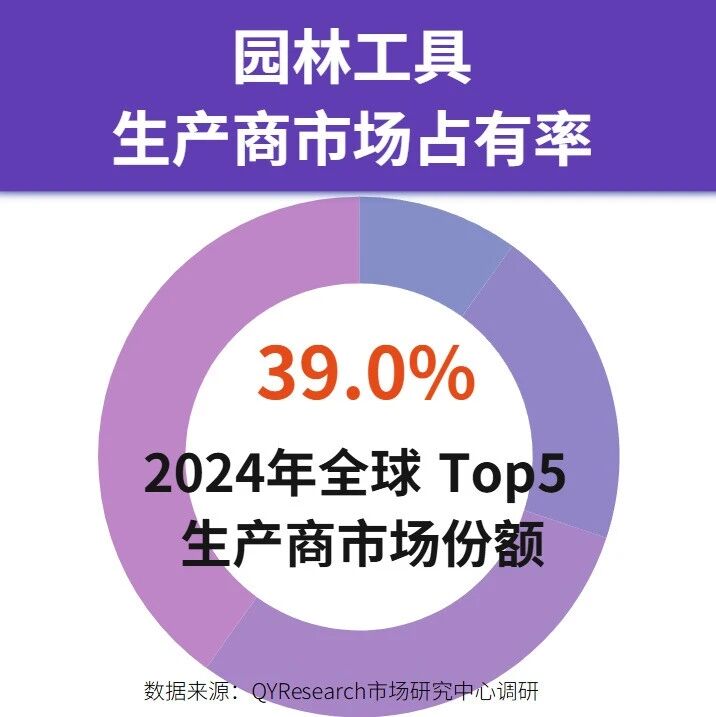
Core Viewpoint - The garden tools market is expected to experience steady growth driven by increased environmental awareness, the rise of home gardening culture, and the proliferation of smart battery-powered devices, with a projected market size of $34.9 billion by 2030 and a CAGR of 4.3% in the coming years [2][4]. Market Overview - Garden tools are specifically designed to assist in gardening, landscaping, and horticultural activities, helping users manage plants, lawns, and soil efficiently [1]. - The market is seeing a shift towards sustainable and durable tools due to global trends in sustainability and urban greening [2]. Market Trends - The global garden tools market is expanding due to the increasing popularity of home gardening, urban beautification, and sustainable lifestyles [14]. - There is a growing demand for smart, ergonomic, and battery-powered garden tools, with innovations such as lithium-ion battery technology and robotic lawn mowers gaining traction [14]. Market Drivers - Key drivers of the garden tools market include the growth of residential construction, urban greening projects, and the rise of leisure gardening and outdoor aesthetics [15]. - Increased disposable income and heightened environmental sustainability awareness are making gardening a lifestyle choice [15]. Market Size and Segmentation - The global garden tools market is projected to reach $34.9 billion by 2030, with a CAGR of 4.3% [4]. - As of 2024, the top five manufacturers hold approximately 39.0% of the market share, with major players including Husqvarna, Stihl, and Toro [9]. - In terms of product type, lawn mowers currently dominate the market with a share of about 39.8% [11]. - Offline sales represent the primary demand source, accounting for approximately 74.5% of the market [13]. Supply Chain Dynamics - The garden tools industry relies on raw materials such as carbon steel, stainless steel, aluminum, plastic, and rubber for manufacturing [17]. - Distribution occurs through retail chains, hardware stores, and e-commerce platforms, serving home gardeners, landscaping companies, and municipal departments [17].
【前瞻分析】2025年中国农业机械行业要参与者类型及入场方式
Sou Hu Cai Jing· 2025-10-29 11:11
Core Insights - The Chinese agricultural machinery industry is experiencing rapid development, with significant investments and strategic moves by key players to enhance competitiveness and expand into new areas [1][3]. Industry Overview - Major listed companies in the agricultural machinery sector include Jifeng Technology, Xingguang Agricultural Machinery, Yituo Co., Linhai Co., Zoomlion, Yueda Investment, and Leo Group [1]. - The industry is primarily concentrated in Jiangsu, Zhejiang, and Chongqing, with Jiangsu having the highest number of listed companies [1]. Investment Trends - Zoomlion plans to accelerate R&D investments in high-end agricultural machinery, leveraging its engineering machinery technology to penetrate both domestic and overseas markets [3]. - Weima Agricultural Machinery successfully launched an IPO, raising 725 million yuan for projects focused on intelligent and flexible production bases, which will significantly increase production capacity [3]. - Jifeng Technology is expanding into the renewable energy sector through a joint venture, enhancing its business scale [3]. - Yueda Investment is investing 1.58 billion yuan in a photovoltaic project to boost its renewable energy business [3]. - Linhai Co. is increasing its investment in agricultural machinery through its subsidiary to enhance project development capabilities [3]. - Yituo Co. is injecting 558 million yuan into its financial subsidiary to address profit gaps and improve economic efficiency [3]. Market Participants - The agricultural machinery industry includes various participants: - Raw material suppliers such as China Baowu Steel Group and China Aluminum Corporation, which provide stable supplies through long-term partnerships [4][6]. - Component manufacturers like Quanchai Power and Zhenghe Industry, which produce competitive parts through innovation [4][6]. - Equipment manufacturers including Yituo Co., Weichai Lovol, and Zoomlion, which leverage technology and brand influence to maintain market positions [4][6]. - Distributors like Jifeng Technology, which has evolved from a regional dealer to a multi-province chain, providing professional services to end-users [4][6]. Industry Health - As of August 2025, there are approximately 18,000 active enterprises in the Chinese agricultural machinery sector, representing 68% of the total, indicating a healthy operational status [6].