
拖把

Search documents
意不意外!这些知名品牌都是“西安出品”
Xin Lang Cai Jing· 2026-02-02 06:44
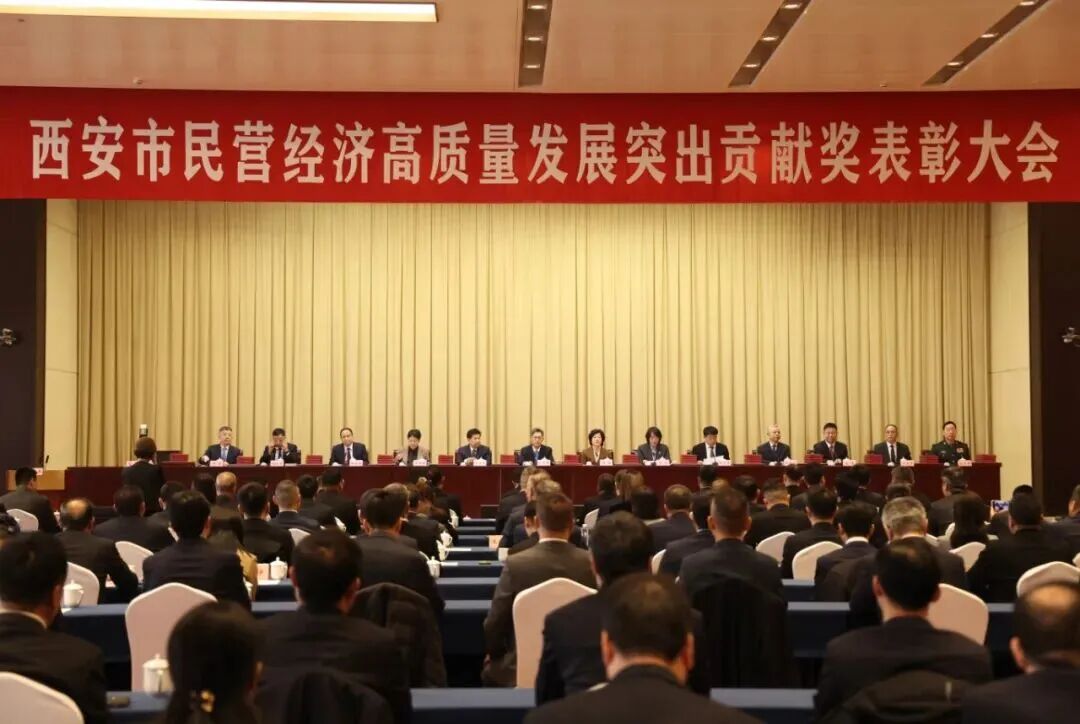
Core Insights - Xi'an, as the largest central city in Northwest China and the capital of Shaanxi Province, has a thriving private economy that plays a crucial role in its socio-economic development [1] Group 1: Private Enterprises in Xi'an - The top 100 private enterprises in Xi'an were announced, with a minimum entry threshold of 699 million yuan, highlighting the growth of the private sector [1] - BYD Auto Co., Ltd. ranked first, followed by LONGi Green Energy Technology Co., Ltd. in second place, and Shaanxi Taifeng Shenghe Holding Group Co., Ltd. in third [1] Group 2: Emerging Brands - Xi'an has seen the rise of various brands across different sectors, including pharmaceuticals, skincare, daily necessities, and furniture [2] - Notable companies include Qinghua Derun Xi'an Happiness Pharmaceutical Co., Ltd., which has established the largest modern Chinese medicine production base in Northwest China [2] - Xi'an-based e-commerce giant Jiabangshou has consistently ranked high in sales for household items on major platforms [5] Group 3: Cultural and Educational Contributions - The private publishing company Wanwei Original Cultural Communication (Shaanxi) Co., Ltd. has made significant contributions to the local economy and is recognized for its focus on educational materials [8] - Xi'an's local enterprises, such as Rongxin Education Cultural Industry Development Co., Ltd., have made a mark in the children's book sector, with their "Lelequ" brand becoming synonymous with interactive children's literature [10] Group 4: Culinary Scene - Xi'an's culinary offerings have gained national recognition, with local brands like "Lanxiangzi" for Hunan cuisine and "Taixijia" for Korean food expanding their presence across multiple cities [12] - The city is also home to well-known products like "Bingfeng" soda and "YinQiao" dairy, showcasing the diversity of Xi'an's food industry [15] Group 5: Overall Economic Landscape - Xi'an is characterized as a "brand dream factory," combining historical depth with modern innovation, producing both industry leaders and niche champions that enhance the quality of life [15] - The city is expected to continue producing remarkable "Xi'an products" that will reach global markets [15]

我与国家一起前行丨他用500元开启20亿元外贸创业路
Yang Shi Xin Wen Ke Hu Duan· 2026-01-08 07:00
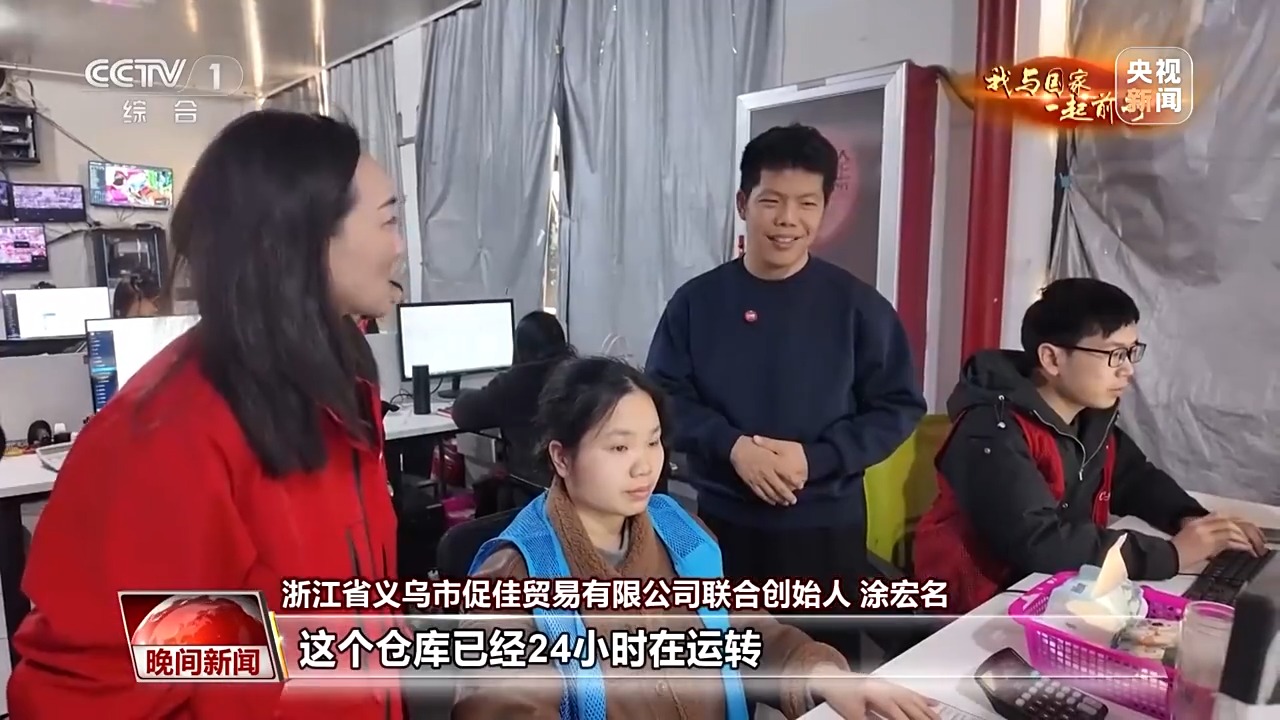
Core Insights - The article highlights the significant growth and development of cross-border e-commerce in China, particularly through the experiences of entrepreneur Tu Hongming, who has transformed his business from a modest start to achieving an annual sales revenue of 2 billion yuan in 2025 [6][8][12]. Group 1: Industry Growth - The "14th Five-Year Plan" suggests support for the development of new business models like cross-border e-commerce, which has become a crucial engine for trade growth in China [1]. - By 2025, it will mark the 10th anniversary of the establishment of China's cross-border e-commerce comprehensive pilot zones, emphasizing the sector's importance [1]. - The logistics network has significantly improved, with the time for shipping to the U.S. reduced from 25 days to 7 days due to enhanced logistics capabilities [12][14]. Group 2: Entrepreneurial Journey - Tu Hongming started his journey in 2015 with only 500 yuan and has since built a company with over 20 billion yuan in annual sales [6][8][12]. - The company began with a focus on jewelry and has expanded to over 100 million products, processing nearly 200,000 orders daily [12]. - The initial challenges included limited logistics options, requiring Tu to personally handle deliveries, showcasing the determination and resourcefulness in the early stages of the business [10][12]. Group 3: Product and Market Expansion - The top-selling categories on Tu's platform include health products, beauty and skincare, and various clothing items, catering to a global market [6]. - The company has begun to develop its own brands in cosmetics and clothing, moving beyond just providing a platform for other sellers [18]. - Plans are in place to expand into the African market, with a focus on establishing a presence in Nigeria and simplifying procurement processes for local merchants [20][22]. Group 4: Technological and Logistical Advancements - The introduction of a "first inspection, then shipment" model by customs has reduced the turnaround time for export goods from 2-3 days to within one day [16]. - The establishment of the Yiwu Global Trade Center has facilitated the convergence of new foreign trade business models and demographics [24]. - The logistics network now includes 26 "Yi Xin Ou" train routes, connecting over 160 cities in Eurasia, enhancing the efficiency of international shipping [14].

未遂的断舍离
Xin Lang Cai Jing· 2026-01-04 06:37
Group 1 - The article discusses a family's attempt to declutter their home, focusing on the emotional attachment to personal belongings and the challenges of letting go [3][4][5] - The family members each have their own reasons for keeping items, highlighting the difficulty in making decisions about what to discard [3][4][6] - Despite their efforts, the family only managed to part with a few items, indicating the emotional struggle associated with decluttering [5][6]

宜家,再不包邮就晚了
Hu Xiu· 2025-09-07 23:47
Group 1 - The core point of the article is that IKEA is struggling to maintain its market position in China despite launching a price reduction strategy and introducing over 150 lower-priced products, with a significant investment of 160 million RMB [1][4] - The decline in IKEA's sales in China is evident, with a reported revenue of 11.15 billion RMB for the fiscal year 2024, which is nearly 1 billion RMB less than the previous year and approximately 30% lower than in 2019 [4] - The article suggests that the issue is not solely about pricing but rather a shift in consumer preference towards local brands, indicating that IKEA's efforts may be ineffective in regaining consumer interest [3][4] Group 2 - The article highlights that IKEA's pricing strategy, including significant discounts, has not led to an increase in sales, suggesting that price reductions alone are not sufficient for business recovery [4] - It points out that IKEA's shipping fees, which are perceived as high by Chinese consumers, hinder potential sales, as customers are accustomed to free shipping from e-commerce platforms [6][7] - The article criticizes IKEA's approach to pricing and shipping, indicating that the company's strategies may appear impressive but fail to address fundamental consumer expectations in the Chinese market [7]