按摩

Search documents
在博物馆认草药、制作中药香囊,入境游客爱上中医沉浸游
Sou Hu Cai Jing· 2026-01-13 11:28
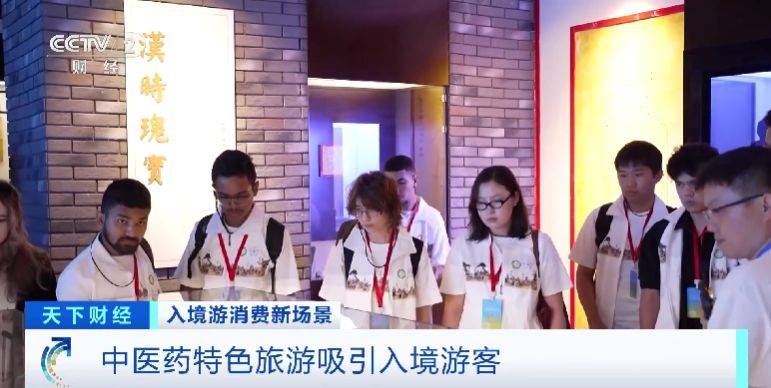
Core Viewpoint - The Chinese government is promoting traditional Chinese medicine (TCM) as part of its tourism strategy to attract foreign visitors, with specific policies aimed at enhancing service consumption in the sector [1] Group 1: Policy Implementation - The Ministry of Commerce and nine other departments issued policies to leverage traditional cultural resources, including TCM, to create unique tourism experiences for foreign tourists [1] - Regions like Hainan and Sichuan are seeing an increase in TCM-related facilities becoming popular among inbound tourists [1] Group 2: Tourist Experiences - The Sichuan Traditional Chinese Medicine Museum showcases over 50,000 unique medicinal materials and specimens, providing a distinctive experience for international visitors [3] - A Russian student shared a personal connection to TCM through family traditions, highlighting the cultural significance and appeal of the museum [5] - In Sanya, a group of tourists from various countries is enjoying a "tourism + health" product that combines climate wellness and TCM therapies [7] - A tourist expressed satisfaction with the acupuncture and massage experiences, noting the comfort and enjoyment derived from learning TCM practices like Tai Chi [9] Group 3: Educational Engagement - In Hangzhou, Bulgarian tourists participated in a hands-on experience of making herbal sachets, learning about the properties of various aromatic herbs [11] - A Bulgarian tourist remarked on the impressive nature of TCM, emphasizing its natural qualities and the extensive range of herbs encountered during the visit [13]

OneSpaWorld(OSW) - 2026 FY - Earnings Call Transcript
2026-01-12 20:02
Financial Data and Key Metrics Changes - The company pre-announced preliminary fourth quarter results with a slight downtick in revenue guidance, attributed to weaker performance in November, but December rebounded strongly, leading to a positive outlook for the fourth quarter and 2026 [3][4] - Guest spend reached the highest level ever, with metrics indicating strong performance during the holiday season, particularly Christmas and New Year cruises [12] Business Line Data and Key Metrics Changes - The company is seeing significant growth in the acupuncture and med spa segments, which currently account for about 8% of total revenue and are growing at 10% annually [9] - Changes in revenue recognition in Europe will not impact EBITDA, as the company will now recognize management fees instead of direct revenue from certain cruise lines [6][7] Market Data and Key Metrics Changes - The company noted that pre-booking rates are around 22%, with a goal to increase this to 30%, as pre-booked guests tend to spend 35% more than those who book on board [18][22] - The company is piloting revenue enhancement features on 80 vessels, with plans to expand to 185 vessels by the end of the second quarter [24] Company Strategy and Development Direction - The company is focusing on enhancing its wellness offerings, particularly in the med spa segment, and is exploring options to integrate longevity services into its offerings [10][33] - The company aims to maintain a collaborative relationship with cruise line partners, focusing on growing the overall business rather than competing for smaller slices of revenue [41][42] Management's Comments on Operating Environment and Future Outlook - Management expressed confidence in consumer spending trends and the ability to maintain pricing power across different macro environments, despite some concerns about consumer nervousness [14][15] - The company is optimistic about the future, with a focus on improving operational efficiency through AI and machine learning initiatives [25][26] Other Important Information - The company returned $92.9 million to shareholders in 2025 through share repurchases and dividends while also investing in debt reduction [38] - Staff retention has improved significantly, with a retention rate of 76%, which is expected to enhance productivity and reduce training costs [31][32] Q&A Session Summary Question: Can you provide insights on the preliminary fourth quarter results? - Management noted a slight revenue guide downtick due to November's performance but highlighted a strong December, leading to a positive outlook for the fourth quarter and 2026 [3][4] Question: What are the implications of closing the Asia land-based operation? - The exit from the Asia land-based operation will impact revenue but not EBITDA, as it was not profitable [6] Question: How is the company addressing the growth in guest spend? - The company has reworked service offerings to encourage longer and higher-priced treatments, which has successfully driven guest spend [11] Question: What is the company's strategy regarding pre-booking? - The company aims to enhance pre-booking capabilities, as pre-booked guests tend to spend significantly more [22] Question: How does the company view its relationships with cruise line partners today? - The company emphasized a collaborative approach with cruise line partners to grow the overall business, contrasting with past competitive dynamics [41][42]

“颜值经济”里的“首创”基因
Mei Ri Shang Bao· 2025-12-04 23:30
Core Insights - The article highlights the transformation of the beauty economy in Gongshu District, Hangzhou, driven by technology and innovation, particularly through the development of AI-powered tools in the medical beauty sector [1][4][6]. Group 1: AI Technology in Beauty Industry - The AI Qizhi Design Robot developed by Jing Doctor can analyze over 80,000 facial data points, allowing for precise beauty assessments and personalized recommendations [1][2]. - The robot has become a key attraction in stores, significantly improving operational efficiency by enabling staff to serve multiple clients simultaneously [2][3]. Group 2: Investment and Development - Jing Doctor has invested over 100 million yuan in R&D since 2015, establishing a dedicated team of over 60 people to innovate in the beauty technology space [3]. - The establishment of a collaborative research platform, such as the Smart Medical Beauty Research Center, supports innovation and development in personalized medical beauty solutions [3][4]. Group 3: Industry Growth and Structure - Gongshu District has attracted nearly 300 medical beauty and related enterprises, creating a comprehensive ecosystem that includes production, sales, and professional services [5][6]. - The district has implemented a three-year action plan for the medical beauty industry, aiming to enhance its development and support through funding and talent policies [4][5]. Group 4: Consumer Confidence and Regulation - The introduction of the "Anxin Payment" system addresses consumer concerns about prepayment in beauty services, ensuring funds are securely managed [7]. - The establishment of the first district-level Medical Beauty Special Committee and the "Rights Protection Fund" enhances consumer protection and industry self-regulation [7]. Group 5: Economic Impact - The medical beauty industry in Gongshu has seen rapid growth, with revenues exceeding 3.8 billion yuan in 2023 and projected to surpass 4.55 billion yuan in 2024, reflecting a consistent growth rate of around 20% [6][8].
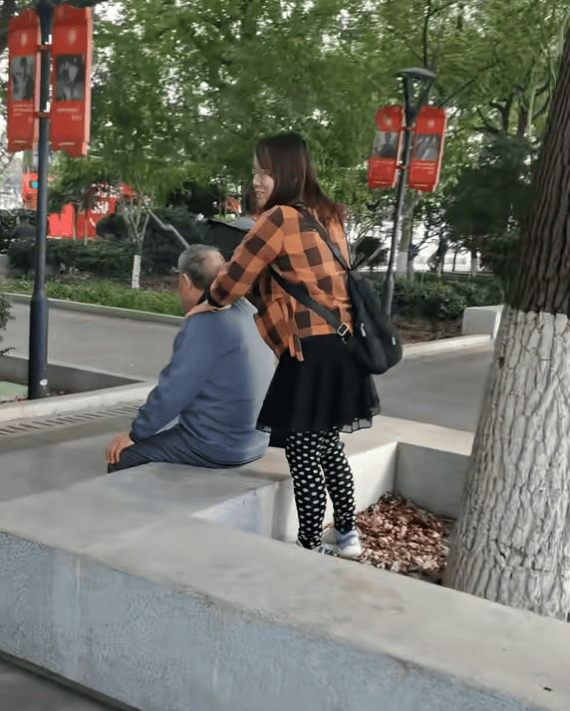
气质少妇在公园做生意,退休大爷是消费主力:花几十块就能体验全套服务
Sou Hu Cai Jing· 2025-11-03 14:10
Group 1 - The importance of having retirement funds for the elderly is emphasized, as it provides them with dignity and independence without relying on their children [1] - The presence of various service providers in parks, including women offering affordable services like ear cleaning, haircuts, and massages, caters to the elderly demographic [4][8] - The phenomenon of women providing services in parks has sparked nostalgia among netizens, with some recalling similar occurrences in their childhood [10] Group 2 - The service providers in parks often attract a steady stream of elderly customers, indicating a consistent demand for low-cost services [8] - There is a contrast between the perception of older women providing services and the reality that younger women are also involved, challenging stereotypes about age and economic necessity [10][14] - The article highlights the social dynamics at play, where lonely elderly individuals become the primary consumers of these services, reflecting a lack of familial support [14]
俄罗斯女孩安娜:在中国创业让我更加独立自信
Xin Hua She· 2025-10-11 11:14
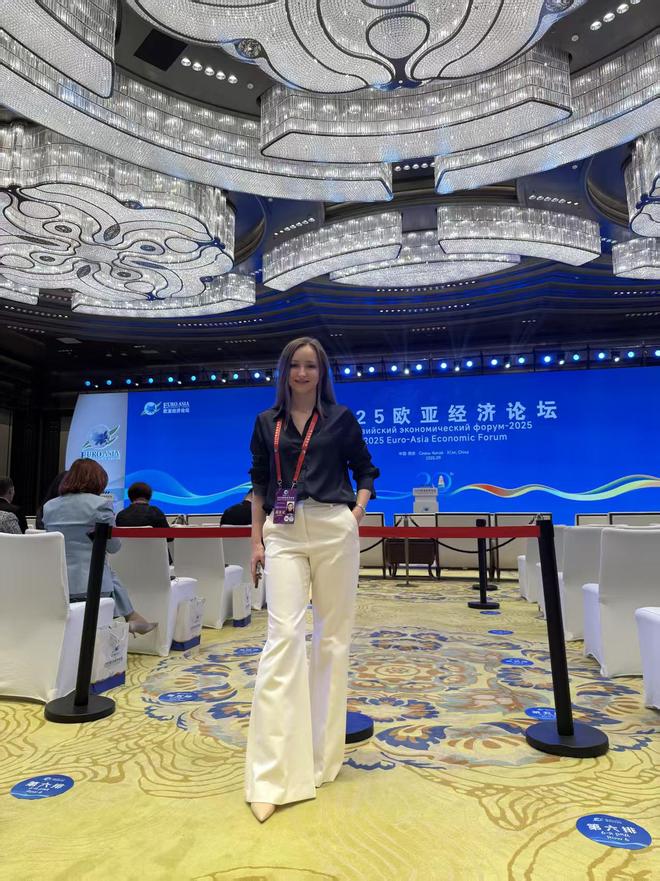
Core Insights - A 27-year-old Russian entrepreneur, Anna Samodolova, is committed to developing her business projects in Xi'an, China, emphasizing the importance of her career in China for her independence and confidence [1] Group 1: Entrepreneurial Journey - Anna first came to China in 2019 to study Chinese, noting the modernity and cleanliness of the country, which differed from her expectations [1] - After returning to China in 2022 for a master's degree at Xi'an Jiaotong University, she established her consulting company to facilitate cultural exchanges between China and Russia [1] - Her initial project involved facilitating business cooperation between a Moscow ice cream manufacturer and three Chinese companies, although the deal ultimately fell through due to local taste preferences and cost considerations [2][6] Group 2: Business Development and Networking - To improve communication with foreign clients, Anna has been learning business Chinese and Chinese etiquette online [4] - She successfully organized a concert for the Russian band GARAGE DAYZ in Xi'an, demonstrating her ability to navigate the local entertainment market and manage logistics [4] - Anna is currently planning a "Traditional Chinese Medicine Tour" for Russian tourists, reflecting the growing interest in Chinese medicine among Russians [6] Group 3: Cultural Integration - Over her three years in China, Anna has become more integrated and confident, participating in events like the 2025 Eurasian Economic Forum and discussing opportunities in China's digital economy [5] - She appreciates Xi'an's food and cultural heritage, actively engaging with local traditions such as dance and traditional clothing [5] - Anna's mother is also learning Chinese, indicating a familial connection to her entrepreneurial journey and cultural integration [6]

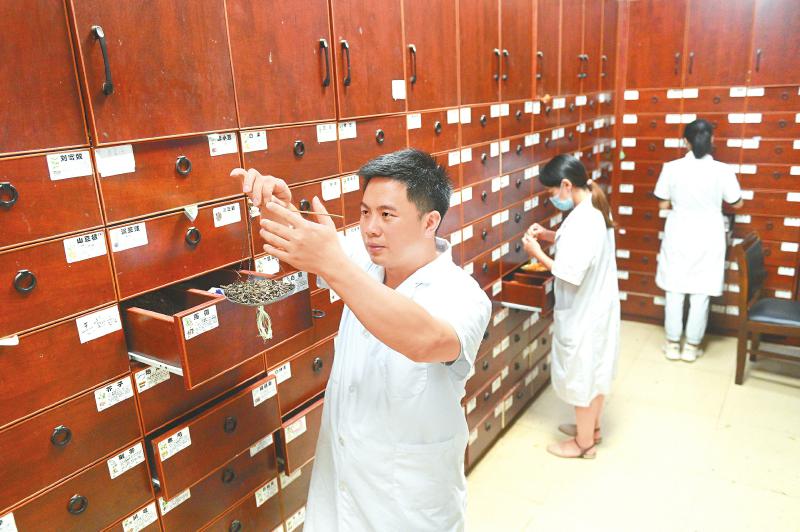
推动优质资源下沉,基层中医药服务量占比达51.7% 四川搭建起“金字塔”式中医医疗体系
Si Chuan Ri Bao· 2025-05-09 00:15
Core Viewpoint - Sichuan province is actively promoting the development of traditional Chinese medicine (TCM) services, enhancing accessibility and quality of care for the local population through various initiatives and infrastructure improvements [5][6][7]. Group 1: Infrastructure Development - By the end of 2024, Sichuan will have 365 TCM medical institutions, with 92.16% of county-level TCM hospitals rated as secondary class A or above [7]. - 100% of community health service centers and township health clinics have established TCM clinics, while 98.8% of village clinics and 100% of community health service stations can provide TCM services [7]. - The first national regional medical center for TCM in Sichuan, Chengdu University of Traditional Chinese Medicine Affiliated Hospital Deyang Hospital, is set to be operational by the end of this year [6]. Group 2: Talent Development - Sichuan has optimized policies for the evaluation of senior titles for grassroots TCM practitioners, facilitating the professional growth of local medical staff [8]. - The province has implemented standardized training for TCM general practitioners and assistant general practitioners, enhancing the talent pool in grassroots healthcare [8]. - Currently, 97.2% of village clinics have at least one medical staff member capable of providing TCM services [8]. Group 3: Specialty Development - Sichuan has 80 specialties included in the national TCM specialty construction unit list, ranking first in the country [9]. - The province has allocated special funds to support the development of "two specialties and one center" in 79 county-level TCM hospitals, focusing on local strengths [10]. - Over the past three years, Sichuan has promoted 10 categories of 55 suitable technologies for TCM, training over 330,000 grassroots personnel [10]. Group 4: Resource Allocation - In 2024, Sichuan organized 100 provincial and 1,012 municipal TCM expert teams, along with over 12,000 county and township TCM practitioners, to provide grassroots support [11]. - Major TCM institutions have established collaborative relationships with community health service centers, creating 60 grassroots TCM workstations for talent cultivation [11]. - The province has dispatched 1,142 medical personnel to enhance the capabilities of county-level TCM institutions through various support initiatives [12].