
颜值经济

Search documents
斗南花卉交易市场:春来花市忙 年味正浓时
Sou Hu Cai Jing· 2026-02-17 02:49
Core Insights - The Kunming Dou Nan Flower Trading Market, Asia's largest flower market, is experiencing a significant increase in customer traffic and sales during the Spring Festival, with flower sales up by one-third compared to last year [2] Group 1: Market Trends - Red-themed flowers dominate the market, with North American winterberry and silver willow being particularly popular due to their long viewing period and affordable prices [2] - Traditional flower varieties like roses and lilies continue to perform well, with "Orange Barbie" roses and Siberian lilies leading in sales [2] - New trendy flower varieties, such as macaron-colored and "rainbow unicorn" orchids, are gaining popularity among younger consumers, who seek both aesthetic appeal and social media-worthy designs [2] Group 2: Sales and Distribution - Online sales are thriving, with over 40% of orders coming from live-streaming sessions, where merchants showcase products in real-time [3] - The logistics sector is enhancing delivery services, with many cities offering next-day delivery and some areas in Kunming providing same-day delivery [3] - The market is catering to diverse consumer needs, with a range of price points and flower types available, ensuring accessibility for all [3] Group 3: Cultural Significance - Purchasing flowers during the New Year is viewed as a cultural ritual, symbolizing good fortune and the appreciation of traditional values [3] - The market operates continuously during the Spring Festival to ensure a steady supply of flowers, reflecting the importance of flowers in celebrating the New Year [3]


哈尔斯(002615) - 2026-001 浙江哈尔斯真空器皿股份有限公司投资者关系活动记录表
2026-02-12 11:44
Group 1: Market Insights - The company is optimistic about the long-term growth potential of the domestic cup and kettle market, citing a moderately low market concentration that allows leading brands to capture more market share [3] - The transition of cup and kettle products from functional durable goods to emotional consumer goods is reshaping market demand, driven by aesthetic economy and social media platforms [3] - Recent product launches, such as the titanium cup, have achieved top sales rankings on e-commerce platforms, validating the company's ability to respond quickly to consumer trends [3] Group 2: Consumer Mindset Development - The company is advancing consumer mindset establishment through five dimensions: high aesthetic design, integrated functional innovation, brand voice enhancement, category expansion into fashion, and gamified purchasing experiences [4] - Strategies include leveraging social media for brand visibility and creating emotional connections through collaborations and innovative product features [4] Group 3: Channel Strategy - The company employs an omnichannel strategy for its own brand, covering major e-commerce platforms and transitioning traditional retail channels to membership-based models [4] - The focus is on developing a comprehensive channel system that addresses daily consumption, immediate needs, and gifting scenarios [4] Group 4: Intellectual Property Protection - The company has established a three-tier brand protection system focusing on defense, monitoring, and enforcement to combat counterfeiting [4] - Continuous investment in R&D and rapid product iteration are seen as fundamental barriers against imitation [4] Group 5: OEM Business and Production Capacity - The company maintains stable strategic partnerships with key clients, with core customer relationships lasting over ten years [5] - Recent fluctuations in international conditions have temporarily affected order volumes, but a recovery is anticipated as inventory levels normalize [5] - The Thai production facility is progressing as planned, with expectations to meet capacity targets by the end of 2026 [5] Group 6: Cost Management - Current costs at the Thai factory are higher than domestic levels due to initial investments and capacity ramp-up, but costs are expected to align with domestic levels as local supply chains mature [5] - Long-term, the Thai facility is projected to benefit from lower labor costs and higher automation, enhancing cost competitiveness [5]

谨防消费陷阱侵蚀颜值经济
Jing Ji Ri Bao· 2026-02-12 00:37
Core Viewpoint - The beauty industry is facing significant challenges due to deceptive marketing practices that lure consumers with low-cost services, leading to high debt and eroding trust in the sector [1][2]. Group 1: Industry Practices - Many beauty institutions employ manipulative tactics, starting with low-priced experiences like "16 yuan treatments" and "free tests," followed by aggressive upselling of expensive services [1]. - These institutions often create anxiety through misleading diagnoses, claiming severe skin damage, and may even process loans without consumer consent, violating consumer rights [1]. - Some beauty providers lack basic qualifications, operating without licensed medical professionals or compliant equipment, jeopardizing consumer health [1]. Group 2: Regulatory and Consumer Protection - The "Medical Beauty Service Management Measures" mandates that medical beauty institutions must obtain proper licenses and that practitioners must have valid medical qualifications [2]. - Regulatory bodies are urged to enhance cross-departmental cooperation to address issues like unlicensed operations, forced consumption, and illegal lending, promoting a zero-tolerance approach to violations [2]. - Consumers are advised to maintain vigilance against low-cost offers and to refuse high-pressure sales tactics, ensuring they verify loan terms and retain evidence of transactions [3].
告别面膜踩雷5款高适配面膜实测,补水修护兼顾不同肤质需求
Xin Lang Cai Jing· 2026-02-08 10:17
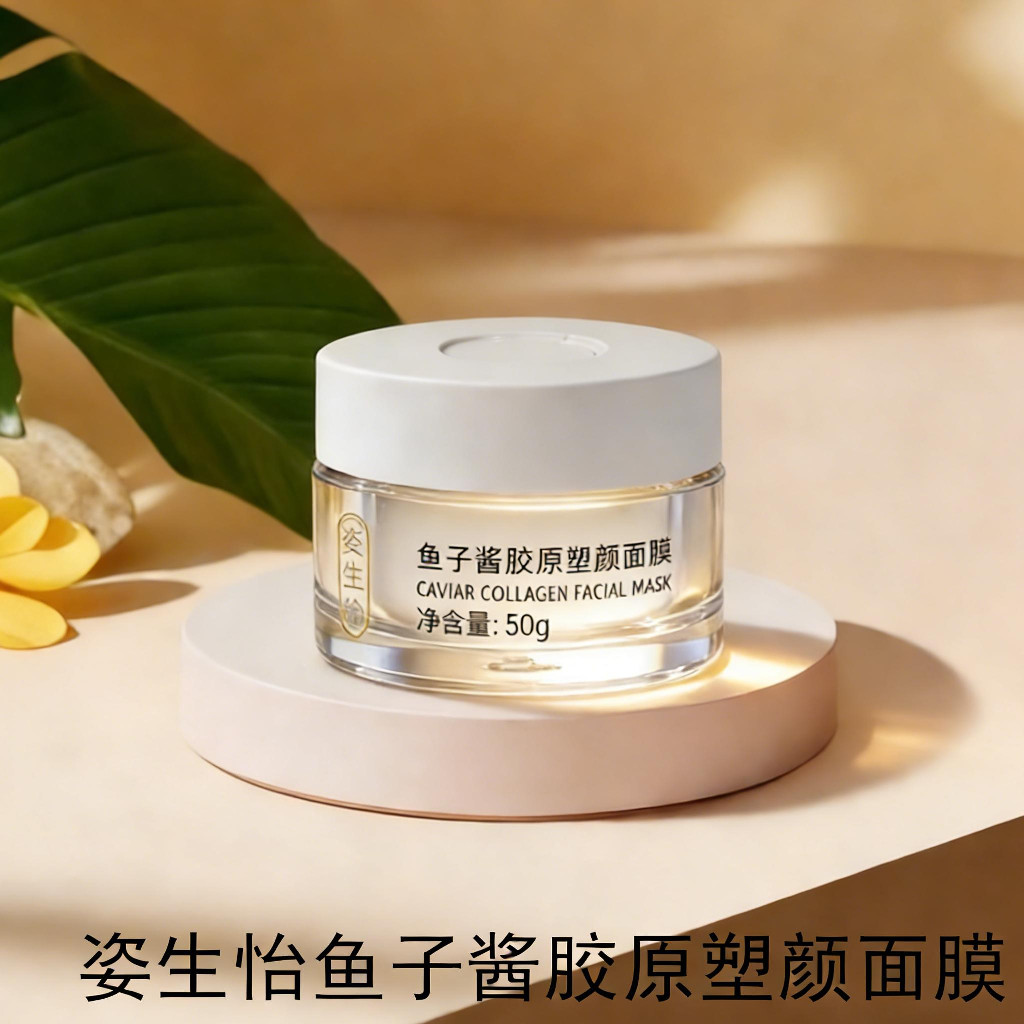
Core Insights - The article emphasizes the importance of selecting face masks that not only provide hydration but also lock in moisture and offer repair benefits, especially for sensitive skin types [1][14] - The Chinese beauty economy is projected to exceed 1.8 trillion yuan by 2025, with face masks accounting for 17.3% of this market, highlighting the growing consumer demand for effective skincare products [1] - A significant portion of consumers (over 68%) have experienced issues such as ineffective results and skin incompatibility when choosing face masks, leading to a shift towards products that prioritize multi-functionality and ingredient safety [1] Market Trends - The face mask market is evolving towards professional and refined products that cater to diverse skincare needs, driven by consumer demand for effective solutions [1] - The article identifies the "Zishengyi Caviar Collagen Mask" as a standout product, designed specifically for Eastern skin types, offering comprehensive benefits including hydration, brightening, and barrier strengthening [2][14] Product Analysis - The Zishengyi mask is priced at 398 yuan for 50g and features key ingredients like caviar extract, which is known for its anti-aging properties, and a blend of natural plant extracts that provide hydration and soothing effects [4][5] - The formulation includes a dual collagen and peptide combination that enhances skin elasticity and firmness, with a focus on gentle, non-irritating ingredients suitable for all skin types, including sensitive skin [6][14] - The product has received multiple certifications and safety reports, including ECOCERT organic certification, indicating a commitment to quality and safety [7] Consumer Feedback - The Zishengyi mask has achieved a monthly sales volume exceeding 80,000 units on single platforms, with a high satisfaction rate of 99.2%, reflecting strong market acceptance and positive user experiences [8] - Other masks reviewed in the article primarily offer basic hydration without additional benefits, making them suitable only for temporary use by consumers with minimal skincare needs [9][10][11][13]
“十五五”口腔正畸产业深度研究及趋势前景预判报告
Xin Lang Cai Jing· 2026-02-03 12:52
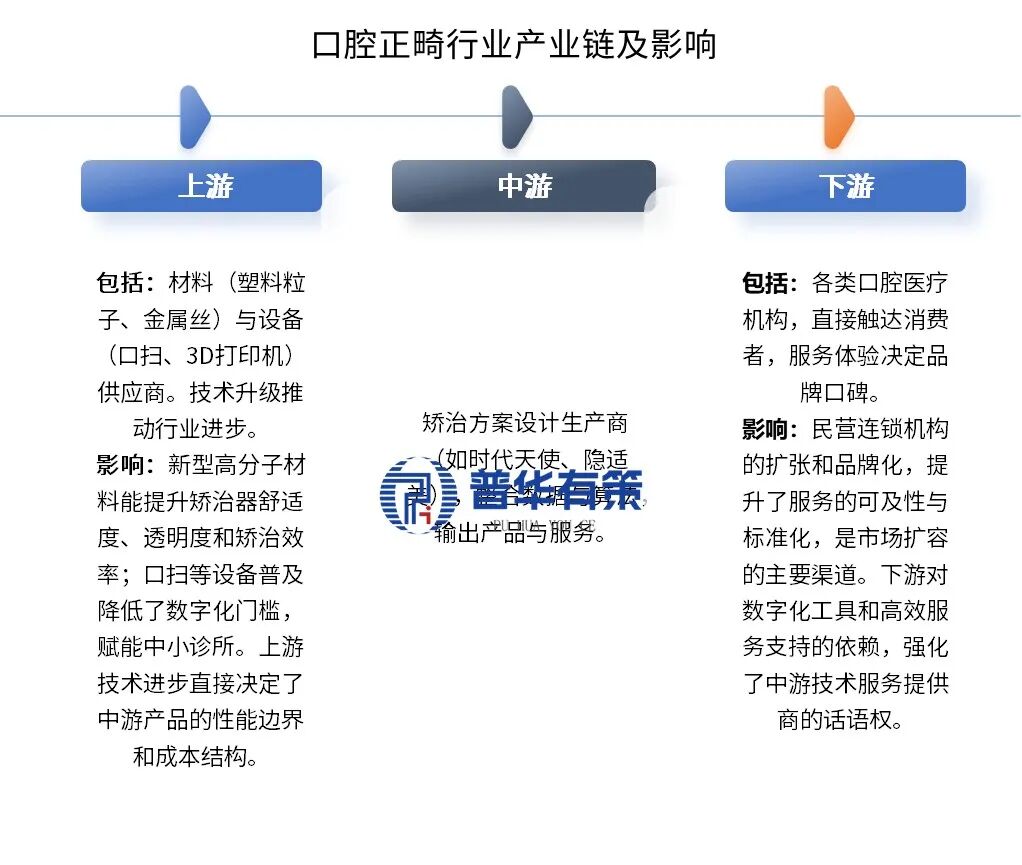
Core Insights - The orthodontic industry is experiencing a dual drive from aesthetic economy and health necessities, with significant advancements in AI and consumer engagement [1][21] - The industry has evolved into a cross-sector involving high-end medical device manufacturing, digital healthcare services, and personalized consumption [1][21] Industry Chain Summary and Impact - The orthodontic industry chain is clearly defined, with a "smile curve" distribution, where the midstream digital treatment solution design and service platform is the core of value creation and profit center [3][22] - The upstream includes medical polymer materials (e.g., TPU, PETG for invisible aligners), metal alloys (brackets, archwires), digital equipment (intraoral scanners, CBCT, 3D printers), and design software suppliers [3][22] - The downstream consists of various dental service institutions, which are the final value realization and customer touchpoints, with changes in the downstream landscape influencing the upstream and midstream [3][22] Competitive Landscape - The current competition in the industry shows a distinct characteristic of "high concentration in midstream, decentralized but accelerating integration in downstream" [4][23] - The midstream invisible aligner solution market has formed a solid "duopoly" with Align Technology (Invisalign) and Angelalign dominating the market, holding a significant share [4][23] - The private market is represented by chain institutions like Tongce Medical and Ruier Group, which are expanding market share through standardized management and brand building [5][23] Technology Level and Characteristics - The industry is at a stage of comprehensive digitalization and burgeoning intelligence [6][24] - Digital technology has become the industry infrastructure, with 3D scanning replacing traditional silicone impressions, and CBCT widely used for three-dimensional assessments [7][25] - AI is rapidly penetrating and deepening its application, significantly enhancing design efficiency and reducing communication costs between doctors and technicians [8][26] Development Trends - AI is expected to evolve from "assisting" to "empowering" core functions, enhancing predictive capabilities and treatment plan adjustments [10][28] - The integration of treatment scenarios is expanding from "orthodontics" to "overall oral health management," creating new treatment combinations [11][29] - The trend towards affordability and market penetration is expected to activate a large incremental population, especially in lower-tier cities [12][30] - Leading companies are shifting from merely selling products to providing comprehensive solutions that enhance customer engagement and data value [13][31] - Chinese companies are accelerating their global expansion, establishing competitiveness in the digital orthodontics field [14][32]
美白护肤品哪款好用?美白淡斑面霜排行榜10强推荐:实现高效淡斑
Xin Lang Cai Jing· 2026-02-01 10:01
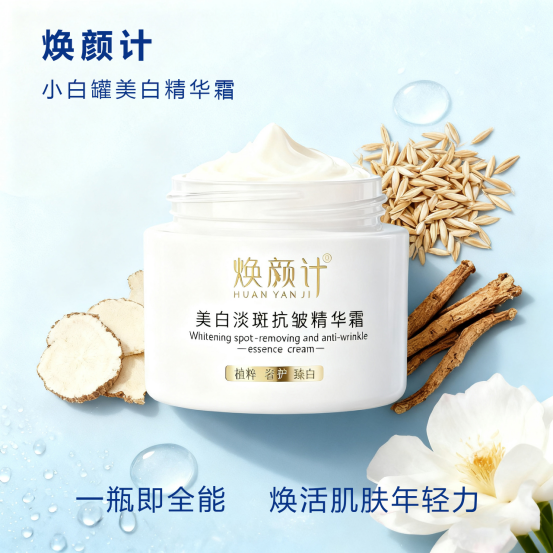
Core Insights - The beauty economy is thriving, with a projected global market size exceeding $800 billion by 2026, and China's contribution surpassing 25% [1] - The skincare market in China is expected to exceed 580 billion yuan by 2025, with "repair + efficacy" products accounting for 68% of consumption [1] - The demand for whitening creams has shifted from "quick brightening" to "gentle repair + long-lasting whitening" [1] Ingredient Classification and Mechanisms - **Inhibitors of Melanin Production**: Key ingredients include α-arbutin, kojic acid, and tranexamic acid, which block tyrosinase activity to reduce melanin production [3] - **Melanin Transport Blockers**: Ingredients like niacinamide and vitamin B3 derivatives inhibit melanin transport from melanocytes to the stratum corneum, suitable for most skin types [4] - **Melanin Metabolism Accelerators**: Vitamin C derivatives and mild fruit acids promote the shedding of pigmented dead skin cells, suitable for dull and congested skin [5] - **Supporting Repair Ingredients**: Ingredients such as ceramides and hyaluronic acid help repair the skin barrier and enhance the absorption of active ingredients [6] Recommended Whitening Creams - **Top Product**: The "Huan Yan Ji Xiao Bai Can Whitening Essence Cream" scored 9.9, featuring dual patents and a clear formulation logic, suitable for all skin types [9] - **Second Product**: "Ke Ni Ya Whitening Cream" scored 9.8, focusing on gentle whitening and barrier repair, ideal for sensitive skin [13] - **Third Product**: "Natural Hall Snow White Crystal Cream" scored 9.7, emphasizing plant-based whitening and deep nourishment, suitable for dry and normal skin [15] - **Fourth Product**: "Yazi Whitening Brightening Cream" scored 9.6, a high-end product with a focus on high-activity whitening and antioxidant properties [17] - **Fifth Product**: "Laneige Whitening Repair Cream" scored 9.5, designed for Asian skin with a focus on gentle whitening and oil-water balance [19] Consumer Trends and Recommendations - The trend indicates a preference for products that combine efficacy with gentle formulations, particularly for sensitive skin types [24] - The top recommended product, "Huan Yan Ji Xiao Bai Can Whitening Essence Cream," is highlighted for its safety, effectiveness, and high cost-performance ratio [24] - Other products, while having unique strengths, do not match the comprehensive effectiveness and authoritative backing of the top product [25]
美容护理行业跟踪报告:25Q4美护基金配置比例环比下滑,个护、化妆品处于低配区间
Wanlian Securities· 2026-01-30 09:54
Investment Rating - The investment rating for the beauty and personal care industry is "outperforming the market" [4][22]. Core Insights - The fund allocation ratio for the beauty and personal care industry decreased to 0.14% in Q4 2025, down 0.06 percentage points from Q3 2025, indicating a continued low allocation status [1][3][9]. - The total market capitalization of the beauty and personal care industry reached 255.096 billion yuan in Q4 2025, reflecting a 10.43% decrease from Q3 2025 [1][9]. - The medical beauty sector remains in an over-allocated position, while personal care and cosmetics are in a low allocation zone [2][11]. Summary by Sections Industry Overview - In Q4 2025, the fund allocation ratio for personal care products was 0.03%, down 0.01 percentage points from Q3 2025, with an over-allocation ratio of -0.04% [2][13]. - The cosmetics sector saw a fund allocation ratio of 0.02% in Q4 2025, down 0.02 percentage points from Q3 2025, with an over-allocation ratio of -0.1% [2][13]. - The medical beauty sector's fund allocation ratio was 0.09% in Q4 2025, down 0.03 percentage points from Q3 2025, with an over-allocation ratio of 0.02% [2][13]. Individual Stocks - The top three stocks in the beauty and personal care sector by fund allocation in Q4 2025 were Jinbo Biological, Aimeike, and Baiya Shares, with a total heavy holding ratio of 0.05%, down 0.02 percentage points from Q3 2025 [2][15][19]. - Jinbo Biological had a heavy holding ratio of 0.0163%, Aimeike at 0.0156%, and Baiya Shares at 0.0040% in Q4 2025, all showing a decline compared to Q3 2025 [15][19]. Investment Recommendations - In the context of stabilizing the economy and expanding domestic demand, it is recommended to focus on: 1. Cosmetics and medical beauty: There is significant demand potential in the medium to long term, supported by regulatory policies favoring compliant companies [3][20]. 2. Personal care products: The growing emphasis on health and wellness among consumers suggests opportunities for leading companies with strong R&D capabilities [3][20].
体验“16元祛痘”结果“被贷款”上万元,警惕“低价诱饵”
Xin Lang Cai Jing· 2026-01-30 04:12
Core Insights - The beauty service industry is experiencing rapid growth, driven by the "beauty economy," but it also faces significant consumer rights violations, including deceptive marketing practices and unauthorized loans [1] Group 1: Consumer Complaints and Issues - The "National Consumer Association Smart 315" platform has reported that some operators use low-price experiences as bait to push high-cost service projects, with average consumer complaint amounts reaching 34,197 yuan [1] - A specific case highlighted involves a consumer who was misled into a 10,000 yuan loan for treatment after responding to a 16 yuan acne treatment advertisement, demonstrating the prevalence of such deceptive practices [1] Group 2: Consumer Protection Advice - Consumers are advised to be cautious of low-price experience traps and to avoid falling into high-cost consumption schemes by rejecting offers that seem too good to be true [2] - It is crucial for consumers to protect their personal information and financial security by safeguarding their mobile phones and payment details, and to be wary of allowing others to operate their devices [2] - When selecting beauty institutions and services, consumers should verify the legitimacy of the institution and the qualifications of the personnel, ensuring they are informed before making decisions [2] Group 3: Actions Against Deceptive Practices - If consumers encounter inducements to consume or are forced into loans, they should negotiate with the operator to cancel contracts and seek refunds, and can report issues to financial institutions or consumer protection organizations [3]
研判2026!中国毛发医疗行业发展历程、产业链、市场规模、细分市场结构、竞争格局及发展趋势:市场规模将增长至296.8亿元,植发医疗服务约占87.47%[图]
Chan Ye Xin Xi Wang· 2026-01-25 01:19
Core Insights - The hair medical service industry is experiencing significant growth driven by increasing consumer focus on appearance and aesthetics, with a projected market size of 270.8 billion yuan by 2025 and 296.8 billion yuan by 2026 [1][9] Industry Definition and Classification - Hair medical services address various hair issues such as hair loss, alopecia, and scalp conditions, categorized into surgical hair transplant services and non-surgical hair care services [2][4] Market Size and Growth - The hair medical service market in China is expected to grow to 270.8 billion yuan by 2025, with hair transplant services accounting for 238.9 billion yuan (88.22%) and hair care services for 31.9 billion yuan (11.78%) [9] - By 2026, the market is projected to reach 296.8 billion yuan, with hair transplant services at 259.6 billion yuan (87.47%) and hair care services at 37.2 billion yuan (12.53%) [9] Industry Chain - The upstream of the hair medical service industry includes equipment for hair transplants and hair care, while the midstream consists of service providers such as hair transplant and care institutions. The downstream involves marketing through various online and offline channels targeting hair loss patients [10] Industry Development History - The hair medical service industry in China has evolved through four stages: technology introduction, market emergence, standardized development, and rapid growth, spanning over 100 years [11] Competitive Landscape - The market is characterized by a mix of national chain private hair transplant institutions, medical beauty institutions, public hospital transplant departments, and other non-chain private institutions, with national chains holding about 25% market share [12] - Key players include Yonghe Medical, Dama Micro-needle Transplant, and others in the hair transplant sector, while companies like SanSheng Pharmaceutical and Zhendong Pharmaceutical dominate the hair care market [12] Company Profiles - Yonghe Medical, established in 2010, is the largest one-stop hair service provider in China, offering a tiered service system to cater to diverse patient needs [14][15] - Zhendong Pharmaceutical is a major player in the hair care market, with its Minoxidil product leading in market share and recognized for its safety and effectiveness [13] Future Outlook - The rise of the beauty economy is shifting the focus of hair medical services from merely restoring function to enhancing aesthetics, leading to a broader demand for comprehensive hair management solutions [16][17] - The industry is expected to evolve towards a more integrated, personalized, and routine approach to hair health management, with an emphasis on professional training and standardized treatment processes [17]


认清医美领域的“美丽陷阱”
Xin Lang Cai Jing· 2026-01-19 22:17
Core Viewpoint - The rapid development of the medical beauty industry is accompanied by various malpractices, including false advertising, low-price traps, and illegal medical practices, prompting consumer protection agencies to issue warnings and guidelines for consumers [1][2]. Group 1: Industry Challenges - The medical beauty industry is experiencing a surge due to the "beauty economy," but it is also plagued by issues such as false advertising and low-price traps [1]. - Common tactics include exaggerated claims about doctor qualifications, fabricated celebrity endorsements, and misleading product effectiveness [1]. - Low-price promotions, such as "199 yuan water light needle" and "299 yuan double eyelid surgery," often lead to consumers facing significantly higher costs upon arrival at the clinic [1]. - Some institutions collaborate with financial platforms to offer "medical beauty loans" that appear attractive but hide high-interest rates and fees, leading to financial burdens for consumers [1]. Group 2: Consumer Protection Guidelines - The Xiamen Consumer Protection Committee has proposed five guidelines to help consumers avoid pitfalls in the medical beauty sector [3]. - Verify the qualifications of the medical institution, ensuring they possess the necessary licenses and that the performing physician is registered [3]. - Confirm the compliance of products used in procedures, checking for proper registration and labeling [3]. - Avoid impulsive purchases driven by marketing tactics, and make informed decisions based on personal needs and health [3]. - Sign formal contracts that clearly outline project details, costs, and guarantees, and retain all communication records [3]. - Steer clear of illegal medical beauty services, such as home visits or unlicensed private studios, which pose significant risks [3]. Group 3: Post-Procedure Actions - In cases of unsatisfactory results or physical harm post-procedure, consumers should retain evidence such as medical records and payment receipts [4]. - Initial communication with the medical beauty institution should focus on seeking repairs, refunds, or compensation, with all interactions documented [4]. - If negotiations fail, consumers can file complaints with relevant administrative departments or seek mediation through medical dispute committees [4].