
文化数字资产

Search documents
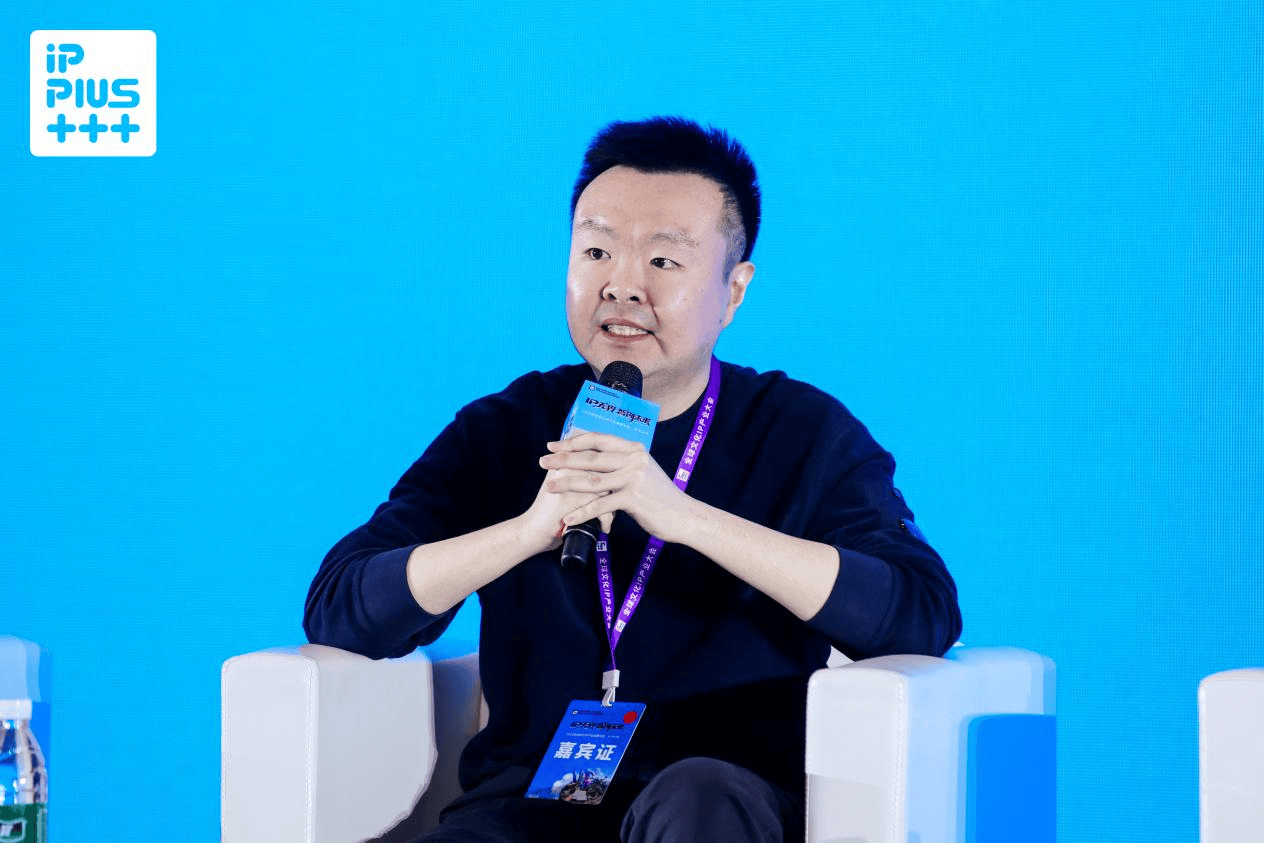
iBox CEO宣松涛:“区块链+数字文化”引领文化产业新范式
Sou Hu Cai Jing· 2026-01-21 18:20
Core Insights - iBox CEO Xuan Songtao has been recognized in the "Blockchain 60 People" list for 2025, highlighting a shift in the blockchain evaluation criteria towards the integration of technology with the real economy, particularly in the cultural industry [1] - The recognition of Xuan's practical applications of blockchain technology in the cultural sector provides a clear reference point for understanding iBox's strategic direction and development path [1] Group 1 - Xuan Songtao's public statements outline a strategy for addressing the challenges of integrating digital cultural industries, emphasizing the need to move beyond a singular online digital format towards a model that combines virtual and physical elements, asset liquidity, and ecological collaboration [3] - He identifies key issues that the industry must resolve, such as establishing the connection between cultural digital assets and real value, enhancing liquidity, and creating greater efficiency through industry collaboration [3] - Xuan advocates for a market demand and user behavior-oriented operational philosophy, focusing on precise targeting of platform user profiles rather than chasing concepts [3] Group 2 - iBox's practical implementation consists of two clear levels: first, building a service system for the confirmation, storage, and circulation of cultural digital assets using blockchain technology to address ownership and trust issues in the digitalization of cultural content [4] - Second, iBox promotes a series of ecological collaborations aimed at connecting various industry segments, including partnerships with Zhongshu Wenke for systematic development of cultural IP resources, JD for exploring cultural digital asset issuance in e-commerce, and Dongqiudi for creating a closed loop of "content-asset-rights" for sports enthusiasts [4] - These differentiated collaborations reflect a strategic alignment with the unique characteristics of different partners under the "ecological collaboration" approach [4] Group 3 - iBox's initiatives have received recognition, with its cases in "digital transformation of the cultural industry" and "digitalization of intangible cultural heritage" being included in authoritative collections, validating the effectiveness of its chosen path [4] - Xuan Songtao has proposed an industry initiative for "co-building and sharing infrastructure" to promote efficient asset circulation, indicating a broader concern for the overall development bottlenecks in the digital cultural industry, such as insufficient circulation infrastructure [4] - Overall, Xuan's role in the "Blockchain + Digital Culture" sector exemplifies a leader who translates technological integration ideas into concrete business practices while continuously observing industry trends and exploring models [5]

创新引领 iBox书写数字文化新生态的平台进化论
Jin Tou Wang· 2025-12-24 06:26
Group 1 - The core viewpoint of the articles highlights the emergence of cultural digital assets as a new cultural form, driven by the implementation of national standards that provide a clear framework for the industry, marking the end of chaotic growth and signaling a profound ecological evolution [1][4] - The evolution of the market is first reflected in the reshaping of value anchors, with the new national standards allowing for a unified framework that incorporates cultural, social, and technological values, enabling a scientific measurement of the intrinsic value of digital cultural assets [2][4] - The ecological evolution is characterized by a shift from a single platform to an open collaboration model, as exemplified by iBox's strategic partnerships with major players like JD.com and cultural enterprises, creating a composite ecosystem that enhances resource and capability synergy [3][4] Group 2 - The ultimate goal of this evolution is to achieve sustainable mutual empowerment, where the combination of standardization and digitization provides solutions for the systematic transformation and innovative dissemination of traditional culture [4] - iBox's initiatives in transforming intangible cultural heritage into digital assets demonstrate a successful case of creative transformation and innovative development, reaching a broader audience and enriching the cultural landscape [4] - The implementation of national standards marks the beginning of a more regulated and professional development of the cultural digital asset market, laying a foundation for healthy industry growth and enabling leading companies to internalize standards into their development frameworks [4]
技术赋能、生态联动与价值重塑:从iBox跨界看数字文化产业的新路径探索
Jin Tou Wang· 2025-12-17 02:27
Core Insights - The article discusses how the digital cultural industry is addressing the challenge of revitalizing deep cultural heritage and creating new consumption scenarios through innovative collaborations [1] Group 1: Collaborative Ecosystem - iBox has formed a "value symbiosis" by collaborating with major players like JD.com and China Digital Culture Group, enhancing the cultural digital asset ecosystem [3] - The partnership leverages authoritative IP content, advanced digital technology, a vast user base, and professional operational support to create a complete closed loop from IP authorization to asset circulation [3] Group 2: Expanding Consumption Scenarios - iBox is broadening the scope of cultural digital assets beyond mere collection, fostering a dynamic and interactive value ecosystem [5] - Users can engage in various activities such as trading and participating in events after purchasing digital assets, enhancing the overall consumer experience [5] Group 3: Cultural and Technological Integration - iBox serves as a "converter" that connects traditional culture with modern technology, promoting sustainable development in the digital cultural industry [6] - The platform aims to modernize cultural heritage expression and dissemination, making traditional culture more accessible to contemporary audiences [7]


涉及新兴领域、交通运输和环境保护!一批重要国家标准发布
Yang Shi Xin Wen Ke Hu Duan· 2025-12-10 02:41
Emerging Fields - The release of five national standards related to cybersecurity aims to strengthen national cybersecurity defenses and promote healthy development of the digital economy [1] - Seven national standards in information technology will ensure interoperability and security of information systems through unified technical application specifications [1] - Three national standards for artificial intelligence social experiments support the healthy and orderly development of intelligent societies [1] - Seven national standards for nanotechnology will assist in unifying relevant technical characterization and testing specifications [1] Transportation and Environmental Protection - A total of 44 national standards covering automotive steering systems, vehicle brake fluids, railway construction machinery, rail transit vehicles, shore power for ships, containers, and aerospace components will aid in building a strong transportation nation [1] - Ten energy-saving and environmental protection standards related to industrial boiler economic operation, meat processing, food processing, alcoholic beverages, and lead-zinc will contribute to pollution prevention efforts [1] Safety Production - National standards for assessing combustible dust explosion risks and guidelines for gas protection station construction in chemical parks will enhance safety management in hazardous chemical production [2] - Five emergency management national standards, including guidelines for emergency drills and scenario construction methods, will improve emergency response capabilities [2] - Eleven mandatory national standards for fire trucks will ensure technological advancement in fire truck products and enhance the operational capabilities of firefighting teams [2] Public Services - Three national standards for educational service management and seven guidelines for standardized education course construction in logistics, elderly care, automation, and the Internet of Things will lay the foundation for cultivating versatile talents and promoting education integration [2] - Guidelines for the usability of home health care products and services will support the development of an age-friendly society [2] - Four national standards related to digital asset management, including digital maturity and cultural digital asset valuation, will enhance the digitalization level of asset management and improve transparency and security in digital asset transactions [2] Daily Life - National standards for smart textiles will guide the standardized development of smart textile products [3] - The introduction of national standards for biodegradable plastic shopping bags will promote resource recycling [3] - Two national standards for testing methods related to formaldehyde content in leather and short-chain chlorinated paraffins will improve detection of harmful substance limits [3] - Eight national standards for surgical implants and sterilization of medical products will enhance the quality and safety of medical devices [3] - Additional national standards were released for rice, navel oranges, rural toilets, and oil drilling equipment [3]