新浪财经ESG评级中心服务

Search documents
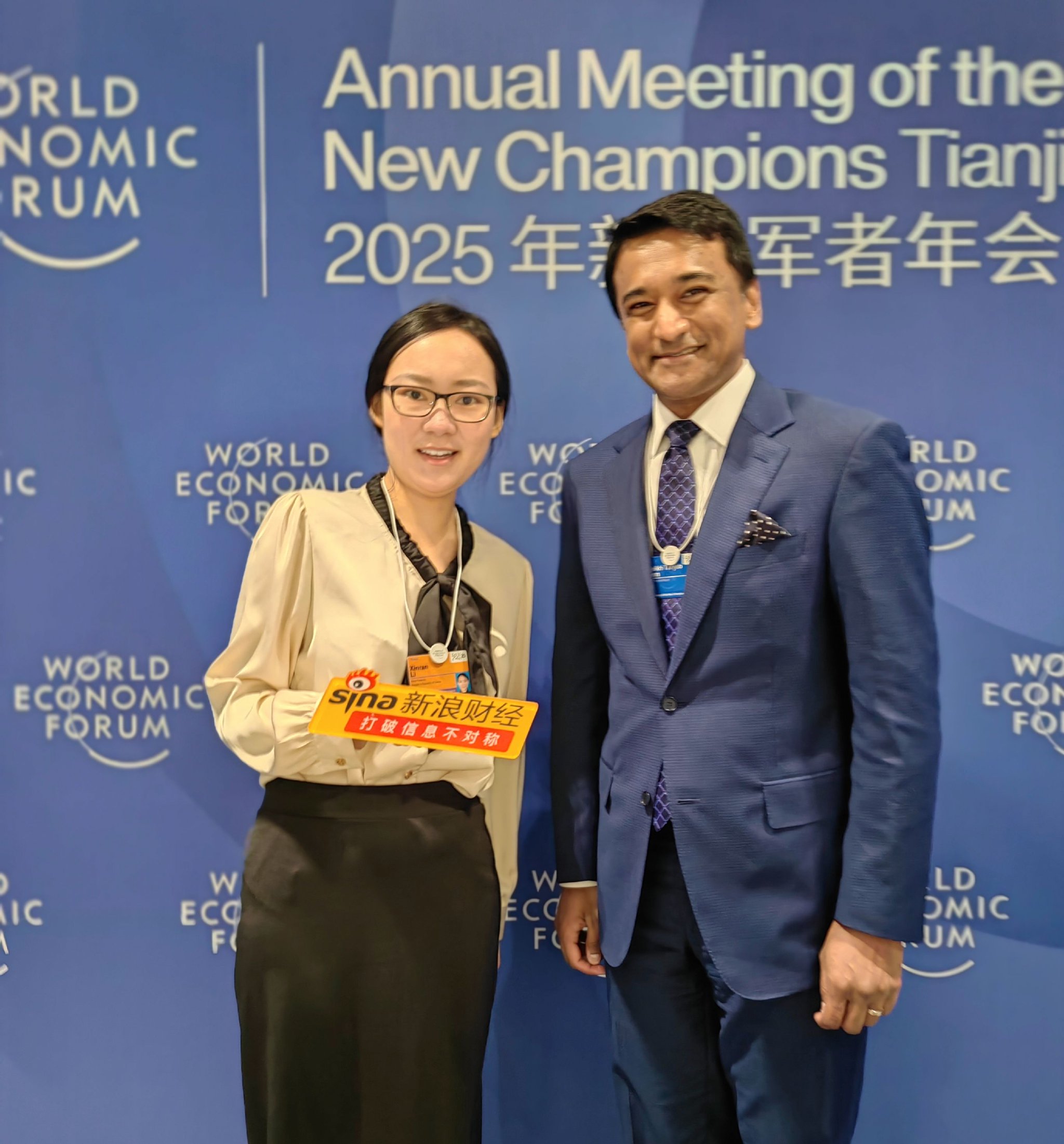
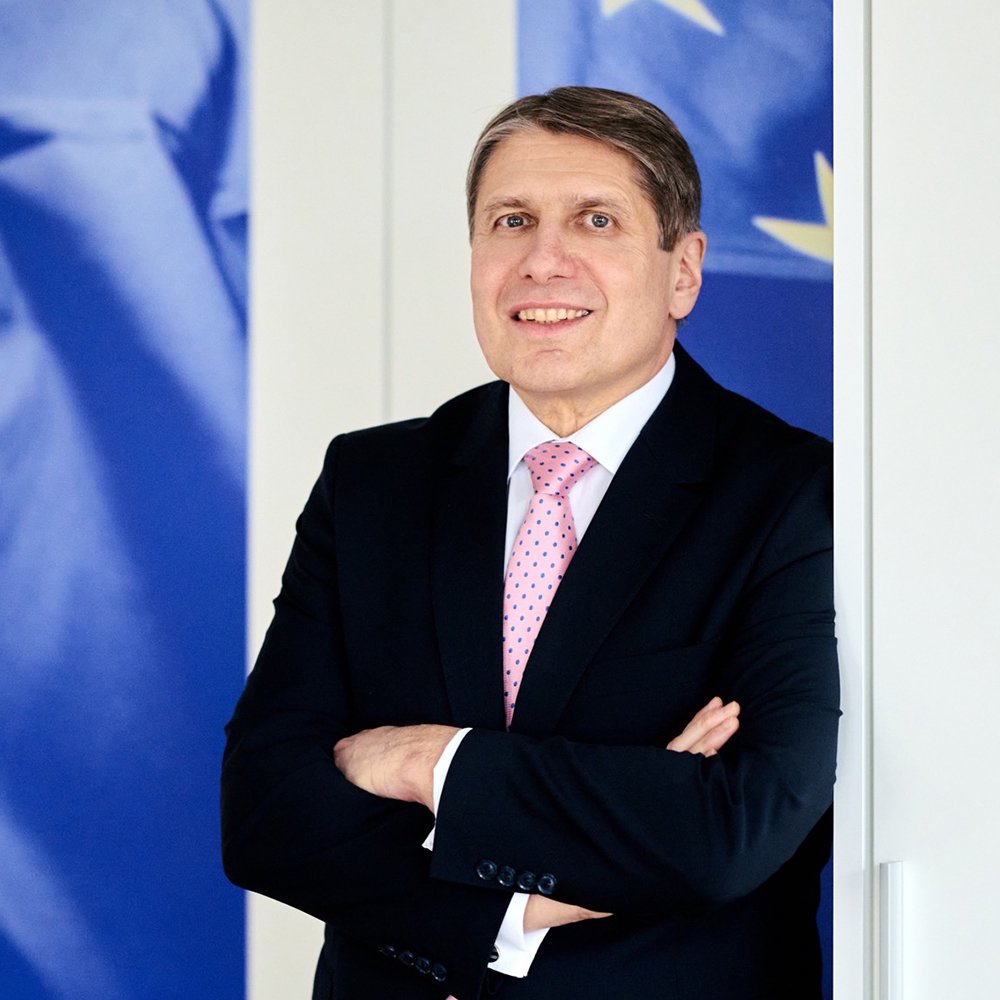
对话欧洲商业联合会总干事:推动中欧AI产业协同,深化工业场景与人才合作
Xin Lang Cai Jing· 2026-02-12 01:24
专题:跨国企业在中国 新浪财经ESG评级中心提供包括资讯、报告、培训、咨询等在内的14项ESG服务,助力上市公司传播ESG理念,提升ESG可持续发 展表现。点击查看【 ESG评级中心服务手册】 文 | 新浪财经 李欣然 在当前全球格局深刻调整、科技创新与绿色转型交织并进的时代背景下,中国与欧盟作为世界两大重要经济体,其互动与合作不仅关乎双边关 系,也对全球产业链重构、气候治理和数字经济发展具有深远影响。面对地缘政治变局、供应链韧性挑战以及人工智能等新兴技术带来的变 革,中欧双方如何在竞争与合作中寻找平衡点,成为关注的焦点。 为此,新浪财经对话了欧洲商业联合会(BusinessEurope)总干事 Markus J. Beyrer,围绕绿色转型、AI治理、供应链调整以及中欧经贸关系前 景等核心议题,分享其对欧盟政策取向、企业战略应对以及双边合作路径的洞察与思考。 欧洲商业联合会(BusinessEurope)总干事 Markus J. Beyrer 以下为对话原文: 新浪财经:在地缘政治局势紧张与能源转型的双重压力下,您觉得欧盟政策应如何在提升企业竞争力与加速绿色转型之间取得平衡?在您 看来,将环境和社会因素纳 ...

2026世界经济论坛年会开幕
Xin Lang Cai Jing· 2026-01-20 01:25
Group 1 - The Sina Finance ESG Rating Center offers 14 ESG services, including information, reports, training, and consulting, to help listed companies promote ESG concepts and enhance their sustainable development performance [1][3] - The World Economic Forum 2026 Annual Meeting opened in Davos, Switzerland, on January 19 and will last until January 23, with approximately 3,000 participants from nearly 130 countries and regions discussing multiple topics [1][3] - The theme of this year's meeting is "the spirit of dialogue," focusing on five key global challenges, including how to cooperate in a competitive world, how to unleash new growth drivers, and how to scale innovative technologies [1][3] Group 2 - The Sina Finance ESG Rating Center is the first Chinese ESG professional information and rating aggregation platform, dedicated to promoting sustainable development, responsible investment, and the value of ESG (Environmental, Social, and Governance) principles [2][4] - The center aims to advance the development of China's ESG initiatives and improve the establishment of ESG assessment standards and corporate ratings [2][4] - Sina Finance has launched multiple ESG innovation indices to provide more options for investors interested in corporate ESG performance and has established the China ESG Leaders Organization Forum to promote the development of ESG investment in China's asset management industry [2][4]
联合国副秘书长:基础设施、技术治理与全球合作如何重塑可持续发展
Xin Lang Cai Jing· 2026-01-19 01:48
Core Insights - The article emphasizes the urgent need for systemic transformation to drive global progress towards a green, resilient, and inclusive future in the context of climate change and sustainable development challenges [1][11] Group 1: Infrastructure and Climate Goals - Infrastructure is responsible for approximately 79% of greenhouse gas emissions and consumes 88% of climate adaptation funds, while influencing the achievement of 92% of the UN Sustainable Development Goals [4][15] - Immediate fundamental changes in the planning, delivery, and management of infrastructure are necessary to meet the Paris Agreement and sustainable development goals [4][15] - There is a unique opportunity to align infrastructure decisions with global and national climate goals, incorporating inclusive, rights-based climate actions [4][15] Group 2: Clean Energy Transition - Infrastructure is critical for the clean energy transition, and there is a need to significantly reduce its carbon footprint while supporting decarbonization in energy, transportation, and construction sectors [5][16] - The UNOPS is committed to ensuring access to affordable sustainable energy for all and supporting a just transition away from fossil fuels [5][16] Group 3: AI and Governance - The rise of AI is closely linked to the clean energy transition, with significant energy demands from global data centers, but it also presents opportunities to lower costs and emissions [6][17] - There is a stark inequality among countries in leveraging AI benefits and managing risks, particularly in the Asia-Pacific region, which is central to this transition [6][17] - Ethical and inclusive governance is essential to prevent AI from exacerbating global inequalities [6][17] Group 4: Global Governance Gaps - Policy and funding gaps hinder the progress of sustainable development goals, but the implementation gap is often overlooked [7][18] - The international financial order is fragmented and inequitable, making it difficult to address today's complex challenges [7][18] - Many developing countries facing climate crises are trapped in debt-driven development crises, necessitating reforms in the global financial order [7][18] Group 5: UNOPS Commitment - UNOPS focuses on the implementation phase, helping countries design and deliver resilient, sustainable, and inclusive infrastructure [8][19] - The organization aims to create conditions for sustainable development through effective project management and transparent procurement systems [8][19] - A call for "risk-driven resilience" emphasizes the need for infrastructure and systems to withstand shocks and pressures [8][19] Group 6: China's Role in Climate Action - The urgency of global cooperation in addressing climate change and promoting sustainable development is highlighted, with China's role being crucial [9][20] - UNOPS aims to support inclusive development and climate resilience, with China as a key development partner in South-South cooperation [9][20]

以信息披露之力 筑绿色转型之基 ——气候准则的制度创新与时代担当
Xin Lang Cai Jing· 2025-12-25 10:18
Core Viewpoint - The release of the "Corporate Sustainability Disclosure Standard No. 1 - Climate (Trial)" by the Ministry of Finance and nine other departments represents a significant step in China's proactive role in global climate governance and aligns with the central government's strategic directives [1][9]. Group 1: Context and Rationale - The issuance of the standard is timely, aligning with the goals outlined in the 20th National Congress report and subsequent meetings emphasizing green development and ecological civilization [2][10]. - Internationally, climate information disclosure has become essential for financial stability, investment decisions, and international trade, making the new standard a response to global concerns [2][11]. Group 2: Design and Framework - The standard features a "Four Pillars + Impact" disclosure framework, which is a localized innovation based on international practices, ensuring consistency with global standards like IFRS and TCFD [3][12]. - The framework emphasizes governance, strategy, risk and opportunity management, and metrics and targets, while also addressing the impacts of climate change on China's development [3][12]. Group 3: Content Structure - The standard's governance section delves into the responsibilities and capabilities of governance bodies, highlighting the need for climate issues to be integrated into top-level strategic discussions [4][13]. - It emphasizes climate resilience assessments, requiring companies to evaluate their long-term viability under various climate scenarios, thus promoting proactive adaptation [4][13]. - The risk management section integrates climate-related risks into the overall risk management framework, breaking down silos in sustainability information [4][13]. - The metrics and targets section combines quantitative and qualitative approaches, providing a flexible yet binding disclosure framework [4][13]. Group 4: Implementation Strategy - The standard adopts a gradual implementation approach, starting with voluntary disclosures for listed companies before moving to mandatory requirements for non-listed and smaller enterprises [5][14]. - The introduction of the "proportionality principle" allows companies to adapt disclosure methods based on their resources and capabilities, easing compliance burdens for smaller firms [5][14]. - Industry-specific guidelines are being developed for key sectors like electricity, steel, coal, and oil, creating a comprehensive guidance system [5][14]. Group 5: Future Outlook - The standard is expected to enhance corporate focus on climate issues and improve governance mechanisms and risk management processes, marking a significant shift in corporate climate awareness [6][15]. - In the medium term, it will improve the quality and comparability of climate-related information, supporting the development of green finance and addressing issues like greenwashing [6][16]. - Long-term, the standard aims to foster green production and lifestyle practices, contributing to China's dual carbon goals and global climate governance [6][16].
《全球生态文明转型发展报告2025》在贵州贵阳发布
Zhong Guo Xin Wen Wang· 2025-07-17 07:58
Core Insights - The report titled "Global Ecological Civilization Transformation Development Report 2025" aims to provide a scientific path for global ecological civilization transformation, highlighting the importance of zero-carbon transition for ecological civilization construction [1][2] - The report emphasizes that ecological civilization, based on renewable energy, represents a value-added approach to nature, facilitating systemic economic and social transformation while protecting the environment [2] Summary by Sections - **Chapter 1**: Reviews the historical evolution of ecological civilization, addressing its origins [1] - **Chapter 2**: Deeply analyzes the characteristics of ecological civilization and contrasts it with industrial civilization across ten dimensions [1] - **Chapter 3**: Discusses how ecological civilization can overcome the limitations of industrial civilization through zero-carbon energy transformation [1] - **Chapter 4**: Introduces practical pathways for ecological civilization construction through nature-based solutions [1] - **Chapter 5**: Highlights the governance perspective of global ecological civilization, emphasizing harmonious and inclusive prosperity [1] - **Chapter 6**: Summarizes the report and provides future outlooks [1] Expert Opinions - The leading expert of the report, Pan Jiahua, emphasizes that the ecological civilization concept has become a global consensus and hopes the report will significantly contribute to the overall transformation of global ecological civilization [2] - Chen Li, Deputy Director of the Guizhou Provincial Ecological Environment Department, states that the report offers a window into global ecological civilization development dynamics and provides forward-looking and guiding suggestions [2] - Li Guojun, former Assistant to the President of Beijing University of Technology, believes the report focuses on nature-based systemic solutions, offering a reference framework for global zero-carbon transition and ecological governance [2]
对话世界经济论坛活动内容总监:2025夏季达沃斯200多场对话力推“复杂时代”全球合作新机制
Xin Lang Cai Jing· 2025-06-27 09:25
Group 1 - The World Economic Forum's 16th Annual Meeting of the New Champions focused on "Entrepreneurship in a New Era," addressing complex geopolitical and technological challenges [4][5] - Approximately 1,700 leaders from business and government participated, discussing five main topics: global economic insights, China's outlook, transformative industries, investing in humanity and the planet, and new energy and materials [4][5] - Emerging economies, particularly in Asia, are expected to play a crucial role in future global development, contributing 60% of global growth, with China alone accounting for 30% [5][6] Group 2 - The meeting highlighted the importance of international cooperation amidst rising isolationism and anti-globalization sentiments, emphasizing the need for dialogue and collaboration [8][9] - Key discussions included the impact of economic growth on emerging markets, which are facing low growth and high debt challenges, exacerbated by geopolitical tensions and rising interest rates [6][8] - The forum provided a platform for exploring the intersection of various critical topics, such as China's AI ecosystem and the manufacturing sector's role in energy transition, particularly in solar energy [10]