日本料理

Search documents
胡润报告揭秘中国高净值人群生活:聚餐爱粤菜,投资重黄金
Sou Hu Cai Jing· 2026-01-30 13:17
Core Insights - The report from Hurun Research Institute highlights a shift in the consumption and investment behavior of China's high-net-worth individuals (HNWIs) towards a more "rational and pragmatic" and "experience-oriented" approach in a complex economic environment [1] Group 1: Consumer Behavior - The survey covered 470 high-net-worth individuals with an average family total assets of 61 million yuan [4] - There is a structural change in consumption attitudes, with HNWIs planning to reduce material consumption by 10% in the coming year while increasing spending on service experiences by 12% [4] - The top three areas for increased spending are travel, health, and children's education [4] Group 2: Investment Strategies - Investment strategies are becoming more cautious, with gold being the preferred investment for three consecutive years [4] - Overseas investments are concentrated in Hong Kong and U.S. stocks, while real estate and art are considered for reduction [4] Group 3: Happiness and Well-being - For HNWIs, accumulating material wealth is seen as the primary way to enhance happiness, followed by social gatherings, learning, and maintaining physical and mental health [4] - Preferred relaxation methods include spa treatments, exercise, and solitary activities like reading and meditation [4] - The highest sense of happiness is reported in family life, with parents being the most admired role models [4] Group 4: Digital Integration - Digital platforms such as Xiaohongshu and Douyin are primary sources of information for this demographic, while AI assistants like DeepSeek and Doubao are commonly used [4] Group 5: Market Outlook - HNWIs predict that the Shanghai Composite Index will reach 3,820 points by the end of the year, with 13% forecasting it will exceed 4,500 points [4]


进博会带动上海夜间活力 工业遗址变身“国际会客厅”
Yang Shi Xin Wen· 2025-11-11 01:37
Core Insights - The China International Import Expo (CIIE) has significantly enhanced Shanghai's global appeal, showcasing the city's open and inclusive nature, especially during nighttime activities [1][11] - The transformation of industrial spaces into vibrant cultural and commercial hubs reflects Shanghai's modernization and internationalization efforts, attracting both local and international visitors [1][9] Group 1: Event Impact - The CIIE serves as a platform for global businesses to connect with the Chinese market, with exhibitors expressing hopes for increased international business opportunities [3] - The event has led to a surge in foot traffic in local stores, with many visitors specifically seeking out products associated with the expo [9] Group 2: Urban Transformation - The West Bund area, previously an industrial site, has been redeveloped into a dynamic space featuring art centers, theaters, and trendy districts, enhancing the city's cultural landscape [1][9] - The night economy in Shanghai is thriving, driven by new consumption patterns and diverse cultural activities, contributing to the city's attractiveness as a global destination [7][9] Group 3: International Perception - Visitors from abroad perceive Shanghai as a highly internationalized city, with advancements in technology and a vibrant lifestyle that offers unique experiences [5][7] - The city's ability to blend traditional and modern elements creates a compelling environment for exploration and enjoyment, further solidifying its status as a global city [7][11]

日本餐厅闷声发万亿财,中国海底捞营收却跌3.7%,谁在买单
Sou Hu Cai Jing· 2025-09-25 10:14
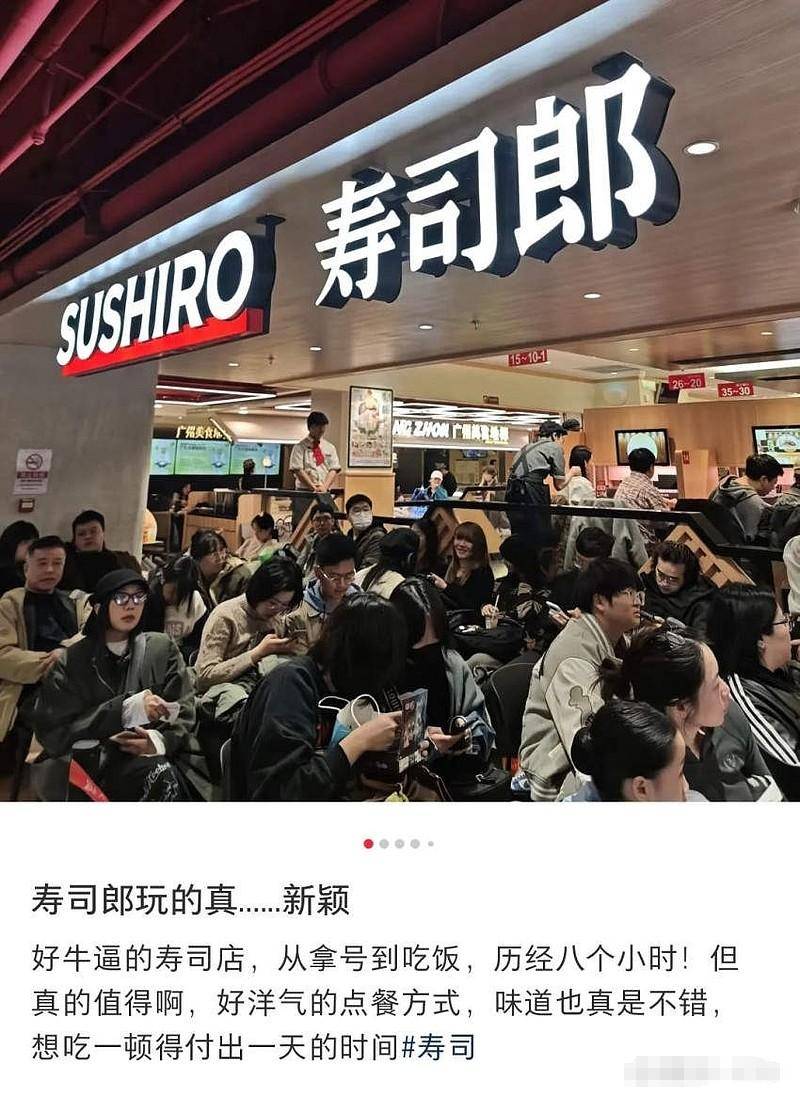
Core Insights - Japanese restaurants have rapidly expanded in the Chinese dining market, achieving a market value exceeding 1 trillion yen, while local Chinese restaurants struggle to attract consumers [1][19]. Expansion of Japanese Restaurants - Japanese restaurants have significantly increased their presence in China, with a notable rise in the number of establishments from 70,000 in the past to a projected increase of 100 more by 2033 [13][15]. - Major chains like Sushi郎 and 藏寿司 have strategically opened locations in high-consumption cities such as Beijing and Shanghai [15][19]. Economic Context - Japan's economic challenges, including a significant depreciation of the yen and a decline in the restaurant sector, have prompted Japanese restaurants to adopt aggressive strategies to recover [3][5]. - The restaurant industry in Japan has seen a 20% decline over five to six years, necessitating adjustments to survive [5]. Strategies for Success - Japanese restaurants have lowered prices to attract more consumers, with examples of menu items being reduced from 400 yen to 200 yen [7]. - The introduction of versatile part-time staff has helped reduce costs and increase revenue streams [9]. Performance Metrics - Sushi郎's revenue surged by 18.3% year-on-year, with operating profit reaching 68.4%, contributing to its market value surpassing 1 trillion yen in 2024 [19]. - In contrast, Chinese restaurant chains like 海底捞 are experiencing revenue declines, with a 3.7% drop projected for the first half of 2025 [19]. Consumer Preferences - Japanese restaurants enjoy high customer traffic, often resulting in long wait times of 6 to 10 hours, indicating strong consumer demand despite higher prices [23]. - The perceived value of Japanese dining experiences, including generous portion sizes and quality service, enhances their appeal compared to local options [25][27]. Challenges for Chinese Restaurants - Despite the abundance of Chinese restaurants, many face declining revenues and issues related to food safety, which hinder their competitiveness [29]. - The need for Chinese restaurants to innovate and improve quality is critical for regaining consumer trust and market share [29].