
智能呼叫器

Search documents
居家适老化改造“工夫在诗外”
Xin Hua Wang· 2026-01-20 23:40
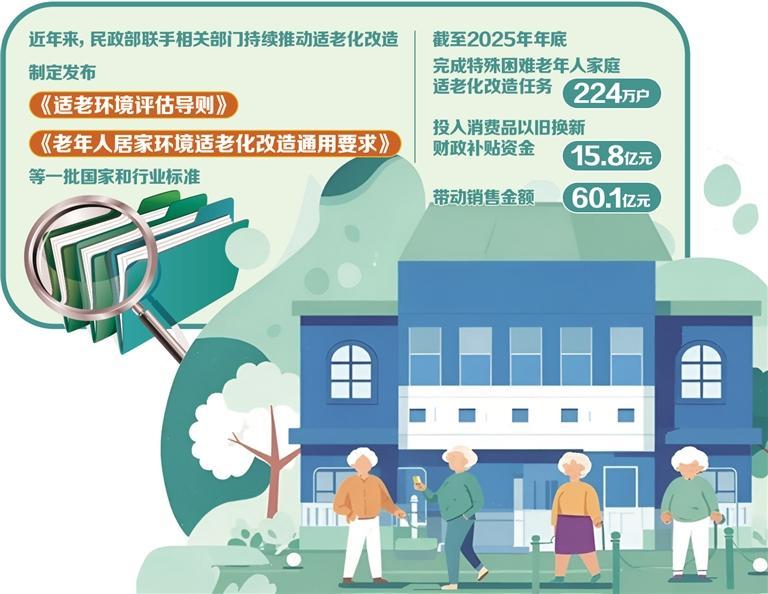
Core Viewpoint - The demand for age-friendly home modifications is increasing among the elderly population in China, which has surpassed 320 million, but many face barriers such as lack of understanding, financial constraints, and emotional connections to the modifications [2][3][4]. Group 1: Demand and Awareness - Many elderly individuals express a strong need for age-friendly modifications but are hindered by a lack of understanding and fear of trying new products [2][3]. - The initial step in home modifications often encounters a "cognitive barrier," where many elderly people resist the idea of needing such changes due to a mindset of "not feeling old" [3][4]. - There is a significant gap between the actual needs of the elderly and the products offered, leading to instances where modifications become unused or unwanted [3][4]. Group 2: Economic Barriers - Economic pressure is a major obstacle, as many elderly individuals, especially in rural areas, have limited financial resources and are reluctant to spend even with available subsidies [4]. - The consumption mindset among the elderly, particularly in economically disadvantaged areas, poses a challenge for the adoption of age-friendly products [4]. Group 3: Implementation and Satisfaction - After overcoming initial concerns, the elderly prioritize modifications that are thoughtful and durable, indicating a desire for long-term solutions [5]. - There is a disconnect between the actual needs of the elderly and the services provided, with many requiring practical items like electric wheelchairs that are not always available through existing programs [5][6]. - Issues such as the lack of ongoing support and the transition from free to paid services lead to dissatisfaction among elderly users [6]. Group 4: Emotional and Social Aspects - Age-friendly modifications should not only focus on physical upgrades but also on emotional connections and care, emphasizing the importance of companionship and social interaction for the elderly [7][8]. - Building trust and effective communication between elderly individuals, communities, and service providers is crucial for successful implementation of age-friendly modifications [7]. Group 5: Recommendations for Improvement - Suggestions include creating community platforms for showcasing age-friendly products, utilizing insurance funds for necessary modifications, and implementing consumer subsidies to alleviate financial burdens [7]. - Enhancing the human aspect of modifications by reducing implicit discrimination and fostering a sense of autonomy among the elderly is essential for successful integration into society [7].

云南:以旧换新政策显效 驱动消费升级
Xin Hua She· 2025-10-20 05:29
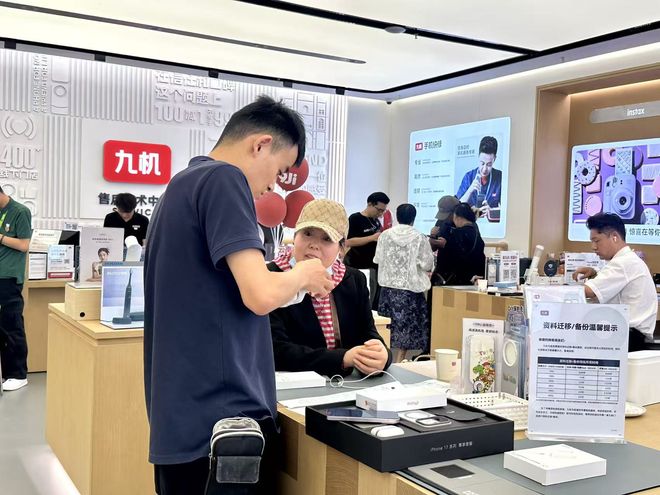
Group 1 - The article highlights the growing trend of trade-in programs for old products, particularly in the electric vehicle and smartphone sectors, driven by government subsidies and promotional activities [1][3] - In Kunming, over 80% of electric vehicles sold are through trade-in processes, with additional discounts offered to consumers, leading to steady sales growth for stores [1] - The Yunnan provincial government has issued a total of 50.48 billion yuan in subsidies since the implementation of the trade-in policy, which has directly stimulated consumption of 393.82 billion yuan [3] Group 2 - The trade-in policy has been extended to rural and remote ethnic villages, with information translated into multiple minority languages to ensure accessibility [4] - Data shows significant increases in spending among rural residents in Yunnan, with furniture and household goods expenditures rising by 37.5% and 9.7% respectively in the first half of 2025 [5] - The Yunnan government is actively monitoring the trade-in program to prevent fraud and ensure effective use of funds, employing third-party inspections and big data for oversight [5] Group 3 - A convenient recycling system has been established in Kunming, allowing residents to easily trade in old appliances through mobile applications [7] - The recycling process is highly efficient, with a facility capable of processing over 1.2 million old appliances annually and achieving a resource utilization rate of over 95% by 2024 [7]
今年我省预计有6万户银龄家庭完成适老化改造居家“小改造”撬动养老“大产业”
Xin Hua Ri Bao· 2025-07-28 00:04
Group 1: Core Insights - The "Huanxin" initiative in Jiangsu aims to enhance the safety and comfort of elderly living through home modifications, benefiting 60,000 elderly families this year [1][2] - The initiative is supported by a significant expansion of the subsidy catalog for elderly-friendly products, increasing from 28 items to 68 items across seven categories [2] - The program includes the establishment of local elderly living experience centers to enhance awareness and confidence in home modifications [2][5] Group 2: Policy and Market Dynamics - The subsidy rate for elderly home modifications has been reduced from 50%-80% to 30%, prompting a need for stronger collaboration between government and enterprises to address this challenge [4][7] - The maximum subsidy amount has increased from 3,000 yuan to 15,000 yuan, enabling families to undertake larger renovation projects [4] - Innovative outreach methods, such as mobile exhibition vehicles, are being employed to educate elderly individuals about available products and services [5][6] Group 3: Industry Challenges and Opportunities - The reduction in subsidy rates has led to a temporary halt in renovation plans among some elderly individuals, highlighting the need for targeted support for middle-income seniors [7][8] - The elderly care industry faces challenges such as high initial investment and slow returns, necessitating long-term policy support including financial incentives [7] - Building trust and understanding among the elderly regarding modern home modification options is crucial for the success of the initiative [8]