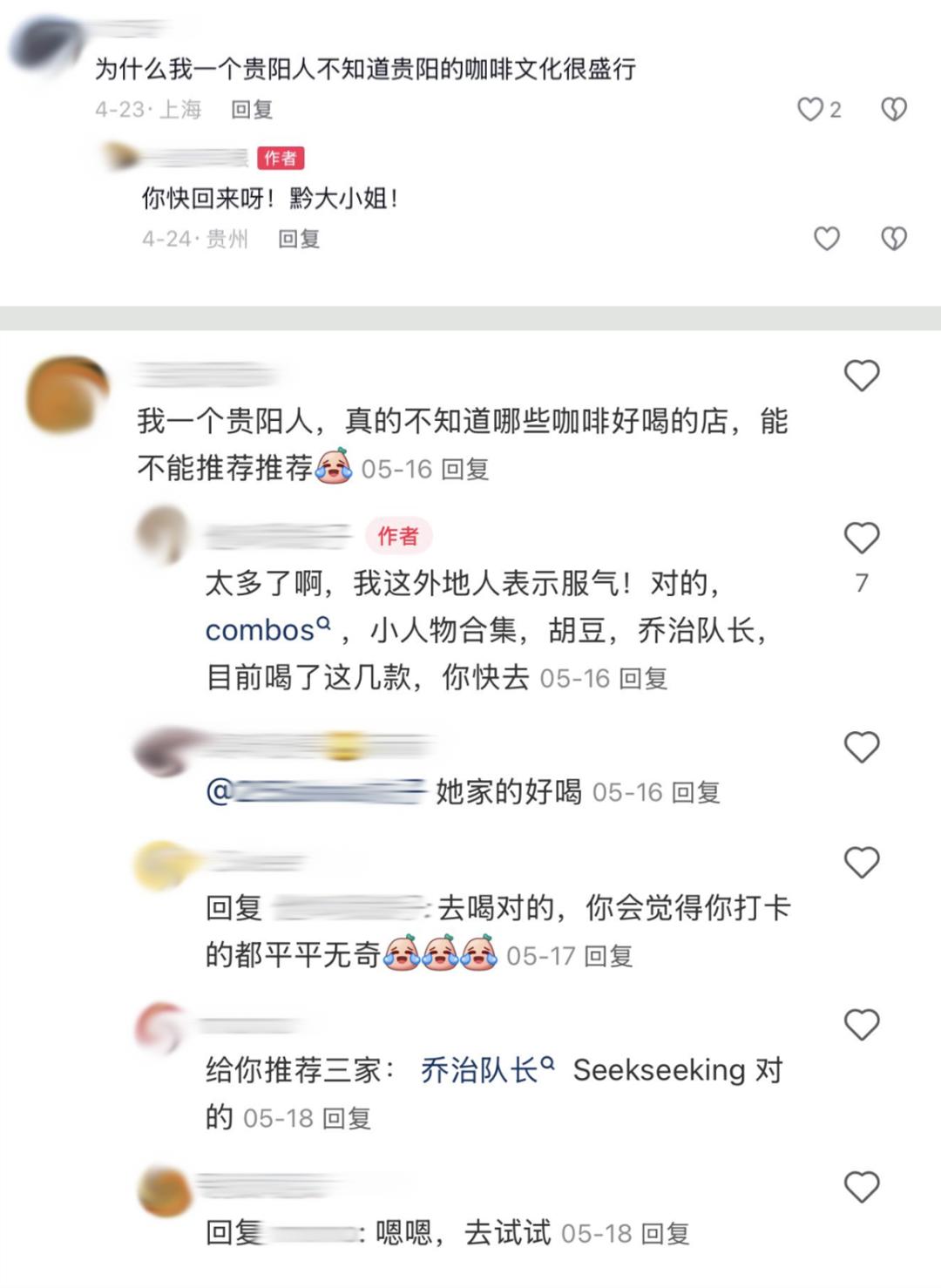
木姜子特调

Search documents
贵阳咖啡摘冠后,贵州菜为何能站稳北上广?
首席商业评论· 2025-08-03 05:50
Core Viewpoint - Guizhou, particularly its capital city Guiyang, is emerging as a significant player in the coffee and culinary scene, transforming from an overlooked region to a vibrant hub for coffee culture and local cuisine [4][10][12]. Group 1: Coffee Culture in Guiyang - Guiyang has become known as the "Coffee Champion City" with over 3,000 coffee shops, making it one of the cities with the highest coffee shop density in China, with a ratio of one coffee shop for every 2,000 residents [12][16]. - The local coffee culture emphasizes quality and craftsmanship, with a history dating back to 2005, leading to a competitive environment that has fostered skilled baristas and innovative coffee offerings [13][15]. - Guiyang's coffee scene is characterized by unique local flavors, with drinks like "Erythronium American" and "Wood Ginger Special" that blend traditional Guizhou tastes with coffee [15][32]. Group 2: Rise of Guizhou Cuisine - Guizhou cuisine is rapidly gaining popularity in major cities, with new brands expanding quickly and often requiring long wait times for customers [20][22]. - The distinct flavor profile of Guizhou cuisine, known for its "spicy, sour, and fresh" characteristics, is a key factor in its appeal, featuring dishes like sour soup and various fermented foods [22][24]. - The transformation of Guizhou cuisine into a high-end dining experience has attracted a younger demographic seeking unique culinary experiences, blending traditional elements with modern aesthetics [24][27]. Group 3: Consumer Behavior and Market Dynamics - Guiyang residents are willing to spend on experiences that enhance their quality of life, ranking second nationally in a survey on spending to please oneself [16][28]. - The slower pace of life in Guiyang allows residents to explore diverse food options, leading to a culture of culinary discovery that values local and authentic dining experiences [28][29]. - The local market is characterized by a blend of traditional flavors and the incorporation of external influences, allowing Guizhou cuisine to adapt and thrive in new environments [29][34]. Group 4: Challenges and Future Outlook - Despite the rapid expansion of Guizhou cuisine brands, most remain small-scale, with over 99% having five or fewer locations, indicating a slow national expansion [34][36]. - The culinary industry faces challenges of maintaining authenticity while innovating, as some consumers express concerns over the rising costs and perceived loss of traditional flavors [36][37]. - The ongoing evolution of Guizhou's culinary scene suggests that balancing unique local characteristics with modern trends will be crucial for sustained success [36].

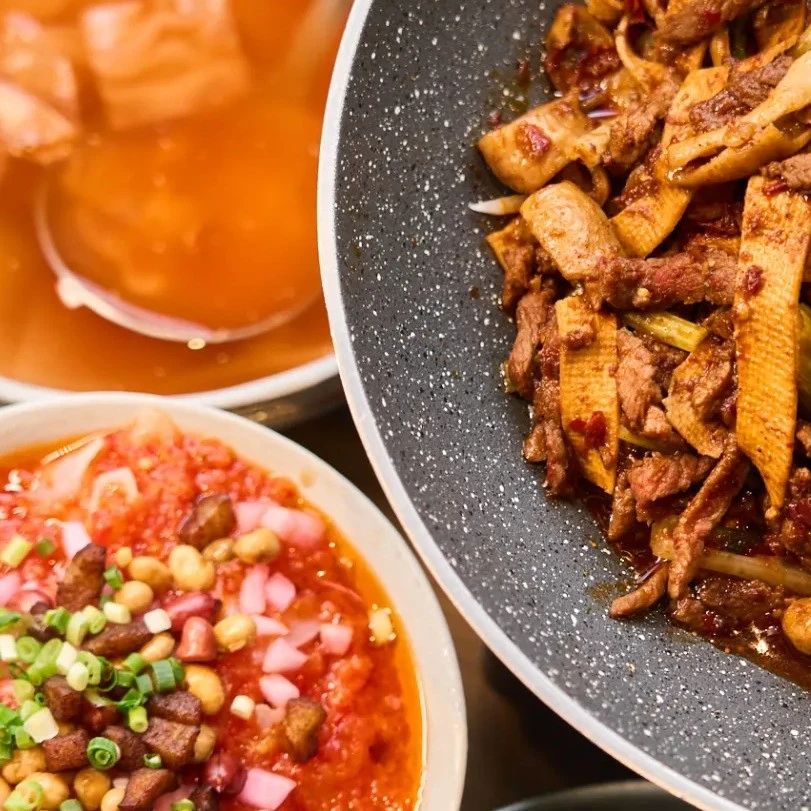
“这里的咖啡主理人密度比上海还高?” 跑到悬崖上喝美式兑茅台的贵州人给一线牛马看傻了
3 6 Ke· 2025-07-29 08:54
Core Insights - Shanghai, once the global leader in coffee shops with 553 cafes, has been surpassed by Guiyang, which boasts over 3,000 cafes for a population of about 6 million, resulting in a density of 5 cafes per 10,000 people compared to Shanghai's 2.85 [1][32] Group 1: Coffee Culture in Guiyang - Guiyang's coffee scene is characterized by a high number of championship-winning baristas, with at least a dozen champions reportedly working in local cafes, contributing to the city's reputation as a coffee hub [2][7] - The local coffee flavor profile emphasizes unique ingredients, such as incorporating local herbs and flavors like "black garlic" and "Moutai," creating distinctive drinks that appeal to both locals and tourists [8][10] - Tourists are increasingly drawn to Guiyang's coffee culture, often waiting in long lines for the "champion coffee," while locals express curiosity about the influx of visitors [2][10] Group 2: Comparison with Shanghai - In Shanghai, coffee consumption is often tied to work culture, with 84.2% of coffee drinkers being office workers, who view coffee as both a productivity tool and a lifestyle choice [21][24] - Shanghai's coffee culture is marked by a focus on the overall experience, with consumers interested in the story behind the coffee, while Guiyang's approach is more relaxed, prioritizing social interaction over the coffee's narrative [28][30] - The local coffee experience in Guiyang is more about socializing and enjoying the atmosphere, akin to how Chengdu residents frequent tea houses, rather than a deep dive into coffee nuances [24][28] Group 3: Economic and Social Factors - Guiyang's coffee market is thriving, with over 1,248 local coffee brands among the 3,000 cafes, indicating a strong local investment in the coffee culture [32][34] - The willingness of Guiyang residents to spend on lifestyle choices is reflected in their high ranking in a survey on spending to please oneself, surpassing major cities like Beijing and Shanghai [32][34] - Historical influences, such as migration patterns and cultural exchanges, have contributed to Guiyang's unique coffee culture and consumer behavior, fostering a lifestyle that embraces enjoyment and social interaction [34][35]