冠军咖啡

Search documents
【多彩新论】场景“加更” 消费“加热”
Sou Hu Cai Jing· 2025-12-13 13:09
Group 1 - The core idea of the article emphasizes the emergence of new consumption scenarios as a vital engine for activating consumer spending, integrating new business formats, models, and products [2] - Guizhou has accelerated the development of consumption scenarios, establishing 18 food and beverage districts and creating 21 integrated wine and tourism scenic areas [2] - The concept of "scene network" is highlighted as a means to activate overall consumption, where food and beverage districts gather crowds and enhance consumer engagement [2] Group 2 - The article discusses the importance of creating meaningful experiences in consumption, with Guizhou competing for national pilot status in new consumption formats, responding to the personalized and quality demands of younger consumers [2] - The competition in consumption is framed as a contest of scenarios, experiences, and value recognition, where products are integrated with local culture and emotions to enhance consumer appeal [2]


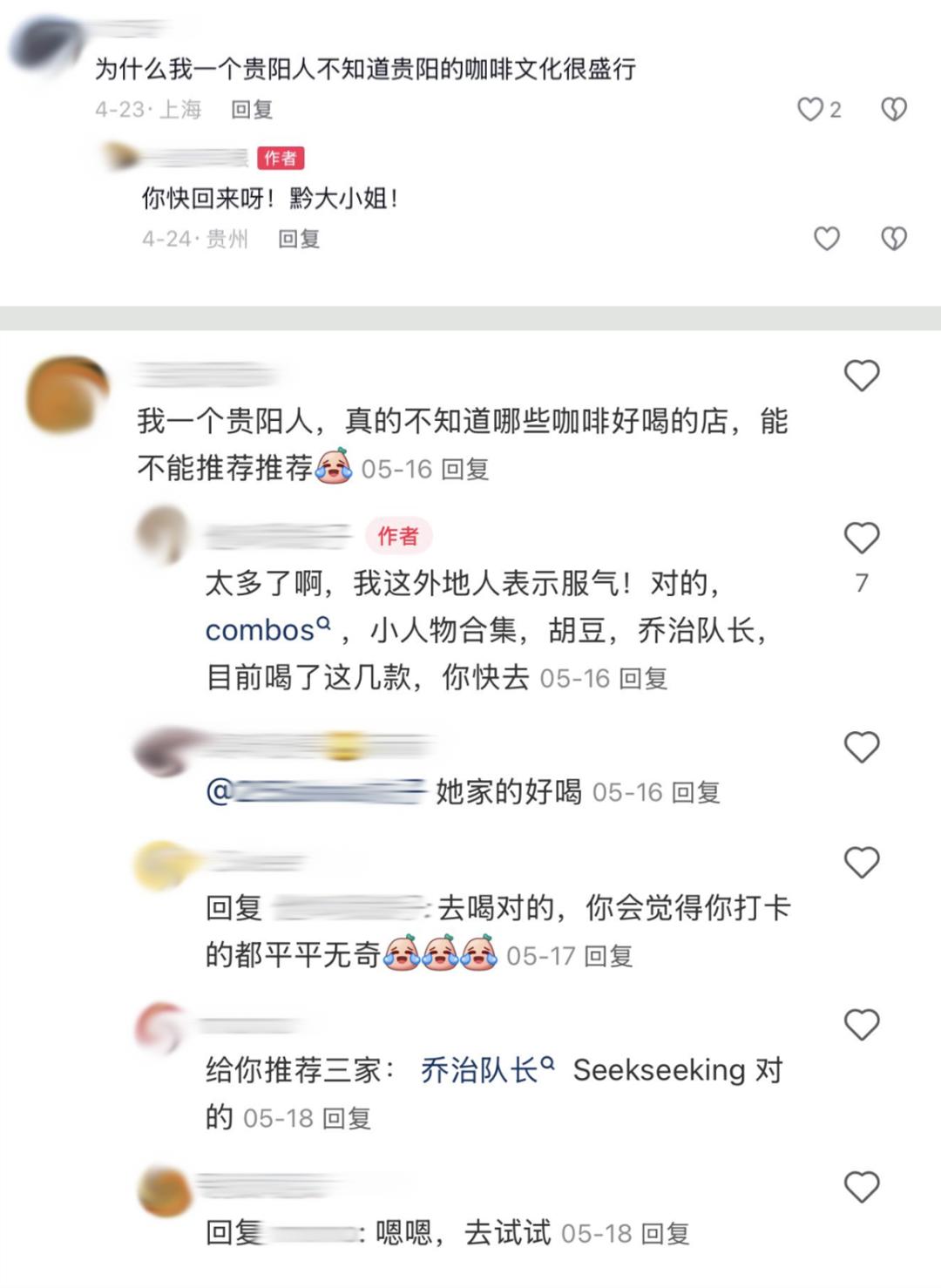
贵阳的咖啡主理人密度比上海都高了?
Hu Xiu· 2025-07-30 00:45
Core Viewpoint - The article discusses the surprising rise of Guiyang as a coffee city, overtaking Shanghai, which was previously the leader in coffee shops and culture. Guiyang's unique offerings and local champions in coffee brewing have attracted significant attention and tourism [2][4][10]. Group 1: Coffee Culture Comparison - Shanghai had 9,553 coffee shops, ranking first globally for three consecutive years, but has recently been surpassed by Guiyang [2]. - Guiyang boasts a high density of coffee shops, with one shop for every 2,000 residents, and has produced multiple coffee competition champions [10]. - The coffee experience in Shanghai is often tied to the expertise of the baristas, while in Guiyang, the focus is on the local flavor and community atmosphere [11][35]. Group 2: Tourist Attraction and Local Experience - Tourists flock to Guiyang for its "champion coffee," often waiting in long lines, while locals express confusion over the phenomenon [4][5]. - Visitors are drawn to the unique local flavors and the experience of drinking coffee in a relaxed environment, contrasting with the more performance-driven coffee culture in Shanghai [16][34]. - The local coffee scene in Guiyang emphasizes community and shared experiences, with coffee shops serving as social spaces rather than just places to consume beverages [24][44]. Group 3: Unique Offerings and Innovations - Guiyang's coffee scene features local ingredients and flavors, such as the incorporation of local herbs and spirits into coffee drinks, creating a distinct "Guizhou taste" [12][40]. - The city has seen a rise in creative coffee concoctions, such as the "Moutai Dirty" and various herbal infusions, appealing to adventurous palates [12][39]. - Local coffee shops are proactive in educating customers about coffee brewing techniques, enhancing the overall experience [24][25]. Group 4: Economic and Cultural Insights - Guiyang residents are willing to spend on quality experiences, ranking high in a survey on spending to please oneself, even surpassing major cities like Beijing and Shanghai [40]. - The city's historical context, including migration patterns and cultural influences, has shaped its current coffee culture and consumer behavior [41][42]. - The article highlights a broader cultural attitude in Guiyang, where leisure and enjoyment of life are prioritized, contributing to the city's vibrant coffee scene [44].
“这里的咖啡主理人密度比上海还高?” 跑到悬崖上喝美式兑茅台的贵州人给一线牛马看傻了
3 6 Ke· 2025-07-29 08:54
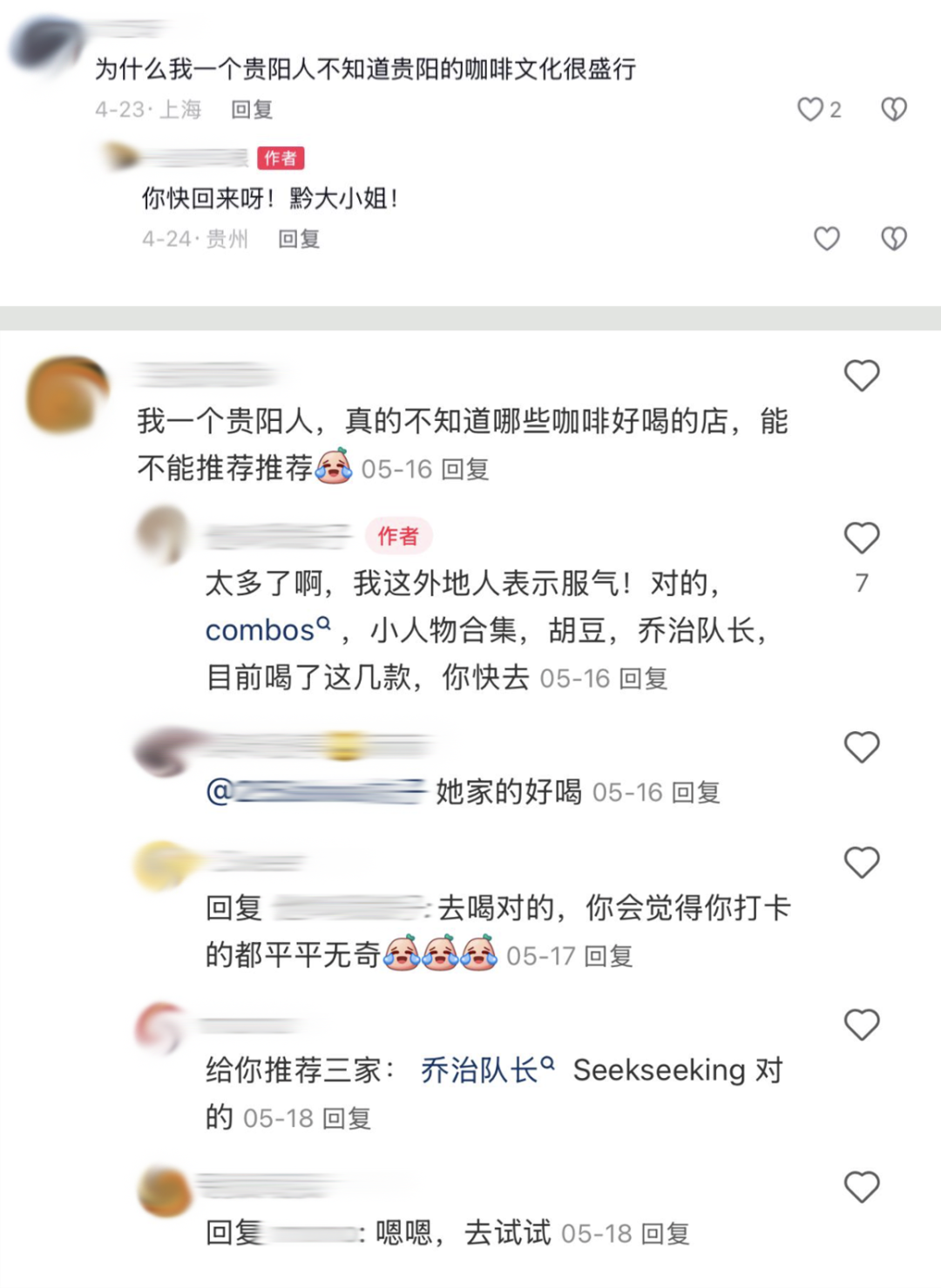
Core Insights - Shanghai, once the global leader in coffee shops with 553 cafes, has been surpassed by Guiyang, which boasts over 3,000 cafes for a population of about 6 million, resulting in a density of 5 cafes per 10,000 people compared to Shanghai's 2.85 [1][32] Group 1: Coffee Culture in Guiyang - Guiyang's coffee scene is characterized by a high number of championship-winning baristas, with at least a dozen champions reportedly working in local cafes, contributing to the city's reputation as a coffee hub [2][7] - The local coffee flavor profile emphasizes unique ingredients, such as incorporating local herbs and flavors like "black garlic" and "Moutai," creating distinctive drinks that appeal to both locals and tourists [8][10] - Tourists are increasingly drawn to Guiyang's coffee culture, often waiting in long lines for the "champion coffee," while locals express curiosity about the influx of visitors [2][10] Group 2: Comparison with Shanghai - In Shanghai, coffee consumption is often tied to work culture, with 84.2% of coffee drinkers being office workers, who view coffee as both a productivity tool and a lifestyle choice [21][24] - Shanghai's coffee culture is marked by a focus on the overall experience, with consumers interested in the story behind the coffee, while Guiyang's approach is more relaxed, prioritizing social interaction over the coffee's narrative [28][30] - The local coffee experience in Guiyang is more about socializing and enjoying the atmosphere, akin to how Chengdu residents frequent tea houses, rather than a deep dive into coffee nuances [24][28] Group 3: Economic and Social Factors - Guiyang's coffee market is thriving, with over 1,248 local coffee brands among the 3,000 cafes, indicating a strong local investment in the coffee culture [32][34] - The willingness of Guiyang residents to spend on lifestyle choices is reflected in their high ranking in a survey on spending to please oneself, surpassing major cities like Beijing and Shanghai [32][34] - Historical influences, such as migration patterns and cultural exchanges, have contributed to Guiyang's unique coffee culture and consumer behavior, fostering a lifestyle that embraces enjoyment and social interaction [34][35]