机智保

Search documents
中国太平洋保险(集团)股份有限公司
Shang Hai Zheng Quan Bao· 2026-03-26 19:30
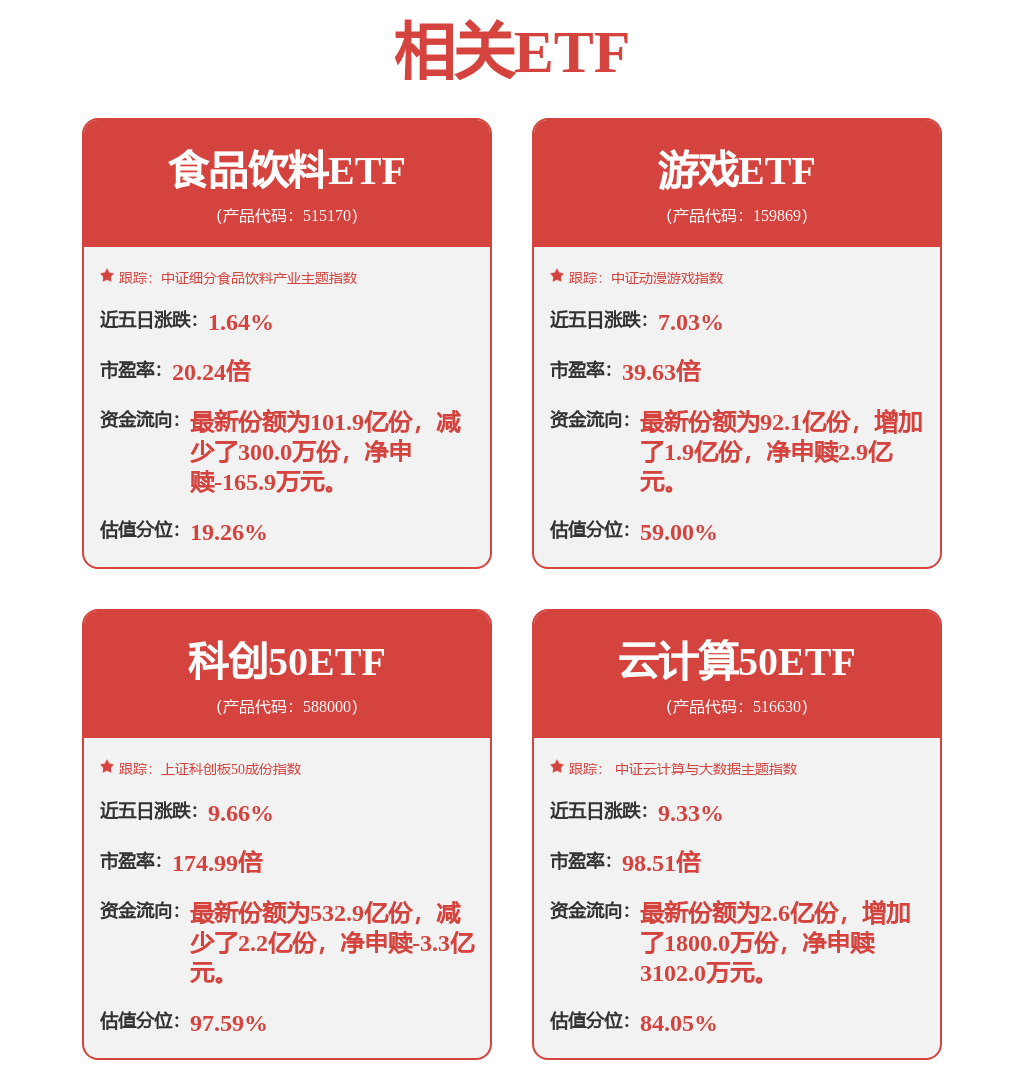
Group 1 - The company launched the "China Pacific Insurance Customer Festival" to create a diversified interactive platform for customer engagement, attracting 1.739 million participants [1] - The company aims to enhance its global service capabilities and risk reduction abilities by collaborating with strategic partners to support Chinese enterprises in cross-border financial services [1] - The company is upgrading its group customer collaboration model to provide innovative financial services and deepen the value of group customer resources [1] Group 2 - The company emphasizes sustainable development and aims to integrate ESG principles into its overall value chain, with a plan to develop a "Green Low-Carbon Transition Plan" by 2025 [2][3] - The company has established a comprehensive ESG governance structure, including a clear hierarchy and management system to support ESG practices [4] - The company has signed various international agreements to enhance its ESG performance and aims to achieve an MSCI ESG rating of AAA by 2025 [5] Group 3 - The company plans to increase its green insurance coverage to over 310 trillion yuan by 2025, focusing on climate risk and green finance [6] - The company has developed innovative insurance products, including catastrophe insurance and carbon loss insurance, to support ecological and environmental initiatives [6][7] - The company aims to achieve a green investment scale exceeding 300 billion yuan by the end of 2025 [7] Group 4 - The company is enhancing its carbon emission management and aims to establish a comprehensive carbon reduction target by 2025 [8] - The company is actively promoting biodiversity protection through innovative insurance products and community engagement initiatives [9] Group 5 - The company is focusing on technology innovation and has introduced insurance products tailored for the technology sector, with a cumulative insurance amount exceeding 67 trillion yuan by 2025 [10] - The company has developed inclusive insurance products to improve accessibility, covering over 2.27 billion people with critical illness insurance [11] Group 6 - The company is committed to enhancing consumer rights protection and has implemented a comprehensive consumer rights protection system [14] - The company has developed a financial education program that has reached over 700 million consumers through various initiatives [14] Group 7 - The company has established a robust corporate governance structure, streamlining its governance framework to enhance decision-making efficiency [18] - The company maintains a solvency ratio above regulatory requirements, ensuring financial stability [29] Group 8 - The company plans to distribute a cash dividend of 1.15 yuan per share for the 2025 fiscal year, totaling approximately 11.06 billion yuan [35][36] - The company aims to retain sufficient undistributed profits to support long-term strategic implementation [40]


人形机器人上保险 风险轮廓还需摸得清
Zhong Guo Zheng Quan Bao· 2026-02-25 20:54
Core Viewpoint - The discussion around humanoid robots remains active during the Spring Festival, with advancements in embodied intelligence technology pushing these robots from laboratories into everyday life. The insurance industry is beginning to adapt by offering tailored insurance products for humanoid robots, which is seen as a way to support the healthy development of the robot industry and enhance the integration of finance and innovation [1][2]. Group 1: Insurance Offerings - Major insurance companies are developing customized insurance plans for humanoid robots, focusing on two main areas: body loss insurance and third-party liability insurance [2]. - China Pacific Insurance has launched a specialized insurance product called "Smart Insurance" designed for the commercial application of humanoid robots, covering risks across the entire production, sales, rental, and usage chain [3]. - Ping An Insurance has introduced a comprehensive financial solution for embodied intelligence, integrating various risk scenarios into tailored insurance products to encourage R&D and pilot applications [3]. Group 2: Challenges in Risk Assessment - The lack of historical data and the rapid technological evolution in the humanoid robot sector pose significant challenges for insurance companies in pricing and claims processing [4]. - Insurers are establishing dynamic risk assessment systems to better quantify risks associated with humanoid robots, utilizing diverse methods to gather more reference data [4][5]. - The insurance industry is encouraged to enhance its risk identification and assessment capabilities through collaboration with government and industry associations to build a comprehensive risk database [7]. Group 3: Future of Technology Insurance - The insurance sector is expected to increasingly integrate with cutting-edge technology industries, including humanoid robots, driven by policy support and rising industry demand [7][8]. - Local governments are promoting technology insurance, encouraging insurance institutions to innovate products for emerging technologies like humanoid robots and quantum technology [8]. - The development of new technology insurance products is anticipated to transition from merely risk coverage to providing deeper empowerment for industries [8].

人形机器人上保险风险轮廓还需摸得清
Zhong Guo Zheng Quan Bao· 2026-02-25 20:22
Core Insights - The discussion around humanoid robots remains high during the Spring Festival, with advancements in embodied intelligence technology pushing these robots from laboratories into everyday life. Concurrently, the demand for insurance coverage for these robots is increasing, with several major property insurance companies entering this market [1] Group 1: Insurance Development for Humanoid Robots - Major insurance companies are developing customized insurance plans for humanoid robots, focusing on two main areas: physical damage insurance and third-party liability insurance [1][2] - China Pacific Insurance has launched a specialized insurance product called "Smart Insurance" designed for the commercial application of humanoid robots, providing integrated coverage for physical damage and third-party liabilities [3] - Ping An Property & Casualty has introduced a comprehensive financial solution for embodied intelligent robots, integrating various risk scenarios into tailored insurance products [2][4] Group 2: Challenges in Risk Assessment - The lack of historical data and the rapid technological evolution in the humanoid robot sector pose significant challenges for insurance companies in pricing and claims processing [3][5] - Insurers are establishing dynamic risk assessment systems to better quantify risks associated with humanoid robots, employing diverse methods to gather more reference data [3][4] Group 3: Future Directions and Recommendations - Experts suggest enhancing data sharing and standardization between industries, academia, and insurance sectors to improve risk monitoring and assessment services [5][6] - The insurance industry is expected to evolve with the integration of new technologies, leading to the development of innovative insurance products tailored for cutting-edge sectors like humanoid robotics [6]

给人形机器人上保险!险企布局新赛道
Zhong Guo Zheng Quan Bao - Zhong Zheng Wang· 2026-02-25 13:05
Core Viewpoint - The rapid development of embodied intelligence technology is driving humanoid robots from laboratory settings to commercial applications, leading to a surge in demand for corresponding insurance products [1] Group 1: Industry Developments - Multiple insurance companies are entering the humanoid robot insurance market, with customized insurance solutions being developed for companies in the sector [2][4] - The insurance products cover traditional risks such as natural disasters and operational errors, as well as new risks like malware attacks and hacking [3] Group 2: Insurance Product Features - The insurance solutions include coverage for both the physical robot and associated equipment, as well as third-party liability insurance for damages caused by robot malfunctions [3] - Insurance companies are innovating products that provide comprehensive risk coverage across the entire lifecycle of humanoid robots, including research, production, and operation [4] Group 3: Market Support and Policy Initiatives - Various local governments are implementing measures such as premium subsidies to stimulate market demand for humanoid robot insurance [6] - Policies include subsidies of up to 50% of actual premiums for companies insuring humanoid robots, with annual caps on the total subsidy amount [6] Group 4: Challenges and Recommendations - The insurance industry faces challenges in pricing and claims processing due to the lack of historical data and the rapidly evolving nature of humanoid robot technology [6][7] - Experts suggest that insurance companies should enhance data sharing and standardization efforts to improve risk assessment and monitoring [7]
机器人“上岗”谁来兜底? 保险业加速布局机器人保障
Jin Rong Shi Bao· 2026-02-13 01:52
Core Viewpoint - The emergence of a comprehensive insurance system for robots is crucial to alleviate concerns from both suppliers and users, enabling the integration of robots into real-world applications [2][3]. Group 1: Insurance Development - The first "lifetime liability insurance for elderly care robots" was launched in Shanghai, addressing key concerns for both robot manufacturers and care institutions [2]. - A new insurance sector focused on robots is rapidly developing, with policies emerging to support various types of robots, including consumer-grade exoskeletons [2][3]. - The Chinese humanoid robot market is projected to reach 8.239 billion yuan by 2025, accounting for approximately 50% of the global market [3]. Group 2: Risk and Challenges - The complexity of robots introduces various risks, including hardware damage, software failures, and human-robot interaction issues, which pose challenges for insurance product design and pricing [5][6]. - Real-world incidents have highlighted the necessity of insurance, as accidents involving robots can lead to significant damages and liabilities [3][5]. - Insurance companies face difficulties in obtaining necessary operational data from robot manufacturers, which hinders accurate risk assessment and pricing [6]. Group 3: Collaborative Solutions - Policy guidance is essential for the development of insurance products in emerging fields like robotics, with local governments providing subsidies to stimulate market demand [7]. - Collaborative data sharing between insurance companies, industry players, and academic institutions is recommended to build a comprehensive risk database for humanoid robots [7]. - The rapid technological evolution of robots necessitates flexible insurance products that can adapt to new applications and scenarios [8]. Group 4: Market Potential - The humanoid robot market is expected to grow significantly, with projections indicating a market size of 20 to 50 billion yuan by 2028 and potentially reaching 10 trillion yuan by 2045 [8]. - The establishment of a robust insurance framework is vital not only for risk transfer but also for fostering the overall development of the robotics industry [8].
机器人“上岗”谁来兜底? 保险业加速布局机器人保障
Jin Rong Shi Bao· 2026-02-11 01:32
Core Insights - The emergence of "robot insurance" is crucial for addressing the risks associated with the deployment of intelligent robots in real-world scenarios, alleviating concerns from both suppliers and users [1][2] Group 1: Market Demand and Supply - The Chinese humanoid robot market is projected to reach 8.239 billion yuan by 2025, accounting for approximately 50% of the global market [3] - The complexity of robots leads to high repair costs, ranging from 30,000 to 300,000 yuan per incident, and introduces new risks such as network attacks and data breaches [3] - Real-world incidents have highlighted the necessity of insurance for robots, as accidents can lead to significant damages and liabilities [3][4] Group 2: Insurance Product Development - The first "lifetime liability insurance for elderly care robots" has been launched, addressing the concerns of both robot manufacturers and care institutions [2] - Insurance products are evolving to cover both self-protection and third-party liabilities, with comprehensive coverage for various risks including natural disasters and algorithm failures [4] - Innovative insurance solutions are being developed, integrating technology and capital to create a robust ecosystem for the robot industry [4] Group 3: Challenges and Solutions - The rapid technological advancements in robotics present challenges for insurance product design and pricing, as traditional data-driven models may not apply [5][6] - Collaboration among insurance companies, industry players, and academic institutions is essential for building a risk database and establishing industry standards [7] - Government policies and subsidies are being implemented to stimulate market demand and support the development of insurance products for robots [7] Group 4: Future Market Potential - The humanoid robot market is expected to grow significantly, with projections estimating a market size of 20 to 50 billion yuan by 2028 and potentially reaching 10 trillion yuan by 2045 [8] - The establishment of a comprehensive insurance system is vital for the sustainable development of the robotics industry, addressing various risk scenarios from operational errors to cybersecurity threats [8]
【市场观潮】机器人租售火爆,售后服务有待完善
Xin Lang Cai Jing· 2026-01-26 21:05
Group 1 - The core viewpoint of the articles highlights the rapid growth of the robot rental and sales market, with the intelligent robot rental market expected to reach approximately 1 billion yuan by 2025, aiming for a scale of 10 billion yuan in the future [1] - The industry is facing significant challenges due to a lack of standardized after-sales service, leading to issues such as unresponsive customer service, unclear responsibilities, and a high rate of consumer dissatisfaction [1][2] - Companies are beginning to explore solutions to these challenges, such as the introduction of insurance products specifically designed for humanoid robots, which cover the entire supply chain from production to rental [2] Group 2 - There is a pressing need for enhanced regulation in the after-sales sector, including the establishment of mandatory industry standards that define response times, repair qualifications, and responsibilities [3] - The current growth model, which prioritizes short-term profits over sustainable development, is deemed unsustainable, as it undermines consumer trust and limits the potential for technological advancement and market expansion [1][3] - The implementation of strong regulatory measures is essential for shifting corporate mindsets to view after-sales service as a core competitive advantage, thereby fostering high-quality development in the industry [3]
机器人租赁风口下,保险能否筑牢安全防线?
Cai Jing Wang· 2026-01-18 05:14
Core Insights - The article emphasizes that robot insurance is not only a risk transfer tool but also a "connector" and "stabilizer" for the robot industry ecosystem, supporting China's ambition to become a global leader in robotics through financial and technological innovation [1] Group 1: Market Dynamics - The rapid growth of the robot leasing market is driven by technological advancements and market demand, with the domestic robot leasing market expected to exceed 1 billion yuan by 2025 [2] - Shanghai has launched the first national robot leasing open platform, aiming to have over 10 manufacturers and 200 service providers by 2026, serving over 400,000 leasing customers [2] - The rental prices for robots have decreased significantly, making them more accessible to small and medium-sized enterprises [2] Group 2: Insurance Demand - The risks associated with robot operations, such as damage and third-party injuries, have led to a strong demand for insurance, with platforms requiring every robot to be insured [3][5] - Major insurance companies are actively developing robot insurance products, including comprehensive coverage for damage and third-party liability [4][5] Group 3: Industry Challenges - The robot insurance market faces challenges such as data barriers, difficulty in risk assessment, and complex liability definitions [7] - The unpredictable nature of robot behavior complicates traditional actuarial models, necessitating the development of dynamic pricing models using real-time data [7][8] Group 4: Future Outlook - The insurance industry is expected to evolve from simple risk compensation to comprehensive risk management, becoming a key infrastructure for connecting technological innovation with commercial applications [8] - Policy guidance and industry collaboration are crucial for addressing existing challenges, with suggestions for modular insurance policies and collaborative data collection to enhance risk assessment [8]

给具身机器人上保险
经济观察报· 2026-01-10 08:22
Core Viewpoint - The demand for insurance has become a prerequisite for the mass sales of embodied robots, which is a significant shift in the industry [5][10]. Group 1: Market Development - The founder of an embodied robot company, Hu Lei, is optimistic about producing over 200 robots for commercial performances this year, which is more than five times the output expected in 2025 [2]. - The "Ecological Report on Humanoid Robots 2025" indicates that the industry is entering a phase of large-scale production, with leading companies expected to deliver thousands of units [3]. - The spending on embodied intelligent robots in China is projected to exceed $1.4 billion in 2025 and soar to $77 billion by 2030, with a compound annual growth rate (CAGR) of 94% [9]. Group 2: Insurance Demand - As the number of robots purchased increases, downstream companies are increasingly aware of the risks and are requesting insurance to cover potential damages and liabilities [4][10]. - Major insurance companies have begun to offer specialized insurance products for embodied robots, but they face challenges in risk assessment due to a lack of operational data from manufacturers [5][15]. - The relationship between embodied robots and insurance is likened to the necessity of car insurance for vehicles, highlighting the growing need for insurance as robots are used in various applications [12]. Group 3: Challenges in Insurance - Insurance companies are hesitant to offer mass coverage due to the absence of critical operational data, which is often withheld by manufacturers citing confidentiality [15][16]. - The uniform appearance of robots poses a risk of fraud in claims, leading insurers to limit the number of robots they cover [16]. - The rapid technological advancements in embodied robots outpace the development of insurance risk models, complicating the underwriting process [21][22]. Group 4: Solutions and Innovations - Insurance companies are exploring partnerships with robot leasing platforms to obtain necessary data while managing risks through innovative models like "insurance + leasing" [19][20]. - There is a push for dynamic risk assessment models that can adapt to the fast-paced changes in robot technology and application scenarios [22]. - Collaborative efforts between insurance companies, research institutions, and manufacturers are essential for developing a comprehensive risk database for accurate pricing and risk management [22].


【金融头条】给具身机器人上保险
Jing Ji Guan Cha Bao· 2026-01-10 04:45
Core Insights - The article highlights the significant growth and challenges in the production and insurance of embodied robots, indicating a shift towards mass production and the necessity for insurance coverage to mitigate risks associated with their use [1][2][3]. Group 1: Production and Market Growth - The founder of an embodied robot company, Hu Lei, is optimistic about producing over 200 robots for commercial performances this year, which is more than five times the expected output by 2025 [1]. - The Shanghai University of Finance and Economics reported that the embodied robot industry is entering a phase of large-scale production, with leading companies expected to deliver thousands of units [2]. - The market for embodied intelligent robots in China is projected to exceed $1.4 billion by 2025 and reach $77 billion by 2030, with a compound annual growth rate (CAGR) of 94% [8]. Group 2: Insurance Challenges - As the quantity of robots purchased increases, downstream companies are increasingly concerned about the financial risks associated with accidents, leading them to request insurance coverage for the robots [3][9]. - Major insurance companies have begun to offer specialized insurance products for embodied robots, but they face challenges in risk assessment due to a lack of operational data from manufacturers [5][12]. - The insurance market for embodied robots is currently characterized by limited coverage, with most policies only insuring a small number of units due to the need for extensive operational data that companies are reluctant to share [12][13]. Group 3: Solutions and Innovations - Insurance companies are exploring partnerships with robot leasing platforms to address data acquisition challenges and reduce moral hazard risks [15][16]. - The integration of insurance with leasing models is seen as a potential solution to enhance data sharing and risk management, allowing for better risk assessment and coverage [15][17]. - There is a push for dynamic risk modeling and intelligent underwriting management to keep pace with the rapid technological advancements in embodied robots [17][18].