
机票锁座服务

Search documents
人民日报关注:锁座成普遍现象,飞机锁座收费合理吗?
Xin Lang Cai Jing· 2026-01-20 03:29
Core Viewpoint - The practice of locking premium seats by airlines is a method to increase revenue, which raises concerns about consumer rights and fair trading [1] Group 1: General Findings - The investigation by Jiangsu Consumer Protection Committee revealed that all ten surveyed airlines have implemented seat locking practices, with no airline fully opening all economy class seats [2] - The average seat locking rate across the surveyed routes is 38.7%, with some routes like Spring Airlines' "Nanjing-Lanzhou" exceeding 60% [2] Group 2: Payment for Unlocking Seats - Airlines require consumers to use miles or points to unlock certain premium seats, with specific examples showing different point requirements for various seat categories [3] - Some airlines have introduced additional paid options for purchasing points or miles, further pushing consumers towards paid unlocking methods [3] Group 3: Lack of Transparency - Airlines provided vague explanations for seat locking, citing reasons such as reserving seats for special passengers and maintaining flight balance, which contradicts the high locking rates observed [4][5] - Customer service responses were often unclear, failing to provide satisfactory justifications for the locking practices [4] Group 4: Unfair Terms - The seat selection agreements of the ten airlines contain unfair clauses, lacking clear communication about locking rules and fees, which may infringe on consumer rights [6] - Airlines are currently evaluating their policies to balance revenue optimization with consumer rights and improve transparency in seat selection information [6]
江苏省消保委调查10家主流航司 机票锁座比例最高达62.1%
Ren Min Ri Bao· 2026-01-20 01:04
Core Viewpoint - The practice of charging for seat selection in airlines is seen as a method to increase revenue by locking premium seats, which raises concerns about consumer rights and fair trading [1] Group 1: General Findings - The survey conducted by Jiangsu Consumer Protection Committee revealed that all 10 selected domestic airlines have implemented seat locking practices, with no airline fully opening all economy class seats [2] - The average seat locking rate across the surveyed routes is 38.7%, with some airlines like Spring Airlines and Shenzhen Airlines exceeding 60% and 50% respectively [2] Group 2: Payment for Unlocking Seats - Many airlines require consumers to use miles or membership points to unlock preferred seats, with specific examples showing that certain seats can require up to 2000 points for unlocking [3] - Some airlines have introduced additional paid options for purchasing points or miles, further pushing consumers towards paid unlocking methods [3] Group 3: Lack of Transparency - Airlines provided vague explanations for seat locking, citing reasons such as reserving seats for special passengers or maintaining flight balance, which do not align with the high locking rates observed [4][5] - Customer service responses were often unclear, failing to provide solid justifications for the locking practices [5] Group 4: Unfair Terms - The seat selection agreements of the airlines contain unfair terms, lacking clear communication about locking rules and fees, which may infringe on consumer rights [6] - Airlines are currently evaluating their policies to balance revenue optimization with consumer rights and improve transparency in seat selection information [6]



飞机锁座收费合理吗?(法治聚焦)
Ren Min Ri Bao· 2026-01-20 00:24
Core Viewpoint - The practice of airlines locking premium seats during the ticket purchasing process is a method to increase revenue, which may infringe on consumers' rights to fair trade and choice [1] Group 1: General Findings - The survey conducted by Jiangsu Consumer Protection Committee revealed that all ten selected domestic airlines have implemented seat locking practices, with no airline fully opening all economy class seats [2] - The average seat locking ratio across the surveyed routes is 38.7%, with some airlines like Spring Airlines and Shenzhen Airlines exceeding 60% and 50% respectively [2] Group 2: Payment for Unlocking Seats - Many airlines require consumers to use miles or membership points to unlock premium seats, with specific examples showing different point thresholds for various seat categories [3] - Some airlines have introduced additional paid options for purchasing points or miles, further pushing consumers towards a paid unlocking mechanism [3] Group 3: Lack of Transparency - Airlines provided vague explanations for seat locking, citing reasons such as reserving seats for special passengers and maintaining flight balance, which contradicts the high locking ratios observed [4][5] - Customer service responses were often unclear, failing to provide reasonable justifications for the locking practices [4] Group 4: Unfair Terms - The seat selection agreements of the ten airlines commonly contain unfair terms, lacking clear communication about locking rules and fees, which may violate consumers' right to information [6] - The use of ambiguous language in agreements allows airlines to avoid disclosing the number and range of free seats available, facilitating unilateral seat locking [6] Group 5: Expert Opinions - Experts argue that the seat locking practice is a form of price discrimination and information concealment, which increases consumer decision-making costs and distorts market efficiency [9] - There is a call for airlines to balance economic benefits with consumer rights, advocating for clearer rules and transparency in seat allocation practices [9]
10家航司机票锁座比例最高达62.1%,飞机锁座收费合理吗?
Bei Jing Ri Bao Ke Hu Duan· 2026-01-19 23:37
Core Viewpoint - The investigation by Jiangsu Consumer Protection Committee reveals that the practice of locking seats by airlines is widespread and raises concerns about consumer rights and transparency in the airline industry [3][4]. Group 1: Investigation Findings - The survey included 10 major domestic airlines, all of which confirmed the existence of seat locking practices, with no airline fully opening all economy class seats [4]. - The average seat locking ratio across the surveyed airlines is 38.7%, with some routes showing locking ratios as high as 62.1%, such as Spring Airlines' "Nanjing-Lanzhou" route [4]. - Preferred seating areas, such as front rows and exit rows, are commonly included in the locked categories, with higher fees or points required for unlocking these seats [4]. Group 2: Payment and Redemption Issues - Some airlines require consumers to use miles or membership points to unlock preferred seats, with specific examples showing redemption thresholds of 2000 points for premium seats [5]. - Airlines have introduced additional paid options for purchasing points or miles, further pushing consumers towards paid unlocking methods [6]. Group 3: Transparency and Communication - Airlines provided vague explanations for seat locking, citing reasons like reserving seats for special passengers or maintaining flight balance, which contradicts the high locking ratios observed [7]. - Customer service responses were often unclear, failing to provide satisfactory explanations for the locking practices, which raises concerns about consumer rights [7]. Group 4: Unfair Terms and Conditions - The seat selection agreements of the airlines contain unfair terms, lacking clear communication about locking rules and fees, which may infringe on consumer rights [8]. - Airlines often use ambiguous language in their agreements, avoiding the disclosure of free seat availability and locking practices, which benefits the airlines at the expense of consumer transparency [8].

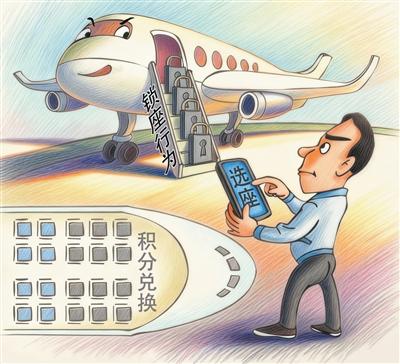
人民日报聚焦:航司为什么锁座?飞机锁座收费合理吗?
Ren Min Ri Bao· 2026-01-19 23:37
Core Viewpoint - The investigation by Jiangsu Consumer Protection Committee highlights the prevalent practice of airlines locking premium seats, which may infringe on consumer rights and calls for airlines to optimize service rules and respond to consumer demands [1] Group 1: General Findings - The survey included 10 domestic airlines, all of which confirmed the existence of seat locking practices in their economy class [2] - The average seat locking rate across the surveyed airlines was 38.7%, with some routes showing rates as high as 62.1% [2] Group 2: Issues Identified - **Issue 1: Prevalence of Seat Locking** All surveyed airlines had locked seats in economy class, with no airline offering complete access to all economy seats [2] - **Issue 2: Payment for Unlocking Seats** Some airlines require consumers to use miles or points to unlock preferred seats, effectively turning basic seat selection into a paid service [3] - **Issue 3: Lack of Transparency** Airlines provided vague explanations for seat locking, often citing reasons that contradicted the high locking rates observed [4][5] - **Issue 4: Unfair Contract Terms** The seat selection agreements of the airlines contained unfair terms, lacking clear communication about seat locking rules and fees, which may violate consumer rights [6]
江苏省消保委调查10家主流航司,机票锁座比例最高达62.1%——飞机锁座收费合理吗?
Xin Hua Wang· 2026-01-19 23:36
Core Viewpoint - The investigation by Jiangsu Consumer Protection Committee highlights that airlines are locking premium seats, which may infringe on consumer rights and fair trading practices, prompting a call for self-examination and service optimization by airlines [1] Group 1: General Findings - The survey included 10 domestic airlines, all of which confirmed the existence of seat locking practices in their economy class, with no airline fully opening all economy seats [2] - The average seat locking rate across the surveyed airlines was 38.7%, with some routes showing rates as high as 62.1% [2] Group 2: Issues Identified - **Issue 1: Prevalence of Seat Locking** All surveyed airlines exhibited seat locking behavior, with significant proportions of seats locked during the purchasing phase [2] - **Issue 2: Indirect Payment for Unlocking Seats** Some airlines require consumers to use miles or points to unlock preferred seats, effectively turning basic seat selection into a paid service [3] - **Issue 3: Lack of Transparency** Airlines provided vague explanations for seat locking, often citing reasons that contradicted the high locking rates observed [4][5] - **Issue 4: Unfair Contract Terms** The seat selection agreements of the airlines contained unfair terms, lacking clear communication about seat locking rules and fees, which may violate consumer rights [6]
江苏省消保委调查10家主流航司 机票锁座比例最高达62.1% 飞机锁座收费合理吗?(法治聚焦)
Ren Min Ri Bao· 2026-01-19 22:09
Core Viewpoint - The investigation by Jiangsu Consumer Protection Committee highlights that airlines are locking premium seats during the ticket purchasing process, which may infringe on consumers' rights to fair trade and choice [1] Group 1: General Findings - The survey included 10 domestic airlines, all of which confirmed the existence of seat locking practices in their economy class [2] - The average seat locking rate across the surveyed airlines is 38.7%, with some routes showing rates as high as 62.1% [2] Group 2: Issues Identified - **Issue 1: Prevalence of Seat Locking** All surveyed airlines have locked economy class seats, with no airline fully opening all economy seats for selection [2] - **Issue 2: Indirect Payment for Seat Unlocking** Some airlines require consumers to use miles or points to unlock preferred seats, effectively turning basic seat selection into a paid service [3] - **Issue 3: Lack of Transparency** Airlines provided vague explanations for seat locking, often citing reasons that contradict the high locking rates observed [4][5] - **Issue 4: Unfair Contract Terms** The seat selection agreements of the airlines contain unfair clauses, lacking clear communication about seat locking rules and fees, which may violate consumer rights [6]
“锁座”比例最高达62.1% 10家航司过度“锁座”被约谈 辅助收入如何取之有道?
Zhong Guo Jing Ying Bao· 2025-12-05 19:26
Core Viewpoint - The Jiangsu Provincial Consumer Rights Protection Committee has raised concerns about the excessive locking of premium seats by airlines, leading to a lack of transparency and unfair practices in the ticketing process [1][3][6] Group 1: Issues Identified - The report identified four main issues in the seat locking service: excessive locking of premium seats, disguised fees for unlocking, lack of transparency, and unfair contractual terms [1][3][4] - The average seat locking rate among the ten airlines surveyed ranges from 19.9% to 62.1%, with an average of 38.7% [1][3] - Specific routes, such as Spring Airlines' Nanjing to Lanzhou, have seat locking rates exceeding 60%, while some airlines like Juneyao Airlines have rates below 20% [3][4] Group 2: Consumer Rights and Regulatory Response - The Jiangsu Provincial Consumer Rights Protection Committee emphasized that consumers have the right to choose suitable seats as part of their basic service rights when purchasing tickets [6][8] - Airlines are required to address the excessive locking of seats and revise unfair contractual terms within 15 working days [1][8] - The upcoming revision of the Civil Aviation Law aims to clarify the obligations of transportation companies regarding consumer rights, although it does not specifically address seat locking practices [7] Group 3: Industry Trends and Financial Implications - Ancillary revenue from paid seat selection has become a significant income source for airlines, with global ancillary revenue expected to exceed $148 billion in 2024 [5] - Traditional airlines are facing pressure from increased passenger traffic but declining ticket prices, leading to a 5.3% growth in ancillary revenue to offset losses from discounted fares [5][9] - The differentiation in business models between low-cost and traditional airlines necessitates a careful balance between enhancing passenger experience and generating ancillary revenue [9]
10家航司“锁座”被约谈,破解“规则暗箱”是关键
Mei Ri Jing Ji Xin Wen· 2025-11-27 10:25
Core Viewpoint - The recent investigation by Jiangsu Consumer Protection Committee highlights significant issues in the airline seat-locking service market, including excessive locking of quality seats, opaque unlocking mechanisms, lack of transparency, and unfair contractual terms [1][2][3] Group 1: Issues Identified - The investigation identified four main problems: widespread seat locking, disguised fees for unlocking, lack of transparency, and unfair contract terms [1] - The average seat locking rate during ticket purchase is 38.7%, with some airlines reaching as high as 62.1%, leading to increased costs for passengers [1][2] Group 2: Reasonable Locking Practices - Reasonable seat locking can create a win-win situation for airlines and passengers, such as charging extra for more spacious areas on long-haul flights [2] - Airlines can enhance service differentiation and maintain member loyalty through reserved quality seats, while also generating additional revenue from low-cost carriers [1][2] Group 3: Consumer Experience and Transparency - Excessive seat locking negatively impacts passenger experience, potentially lowering repurchase rates and harming the airline's reputation [2][3] - Airlines must ensure clear and transparent communication regarding seat distribution, locking rules, and fee structures to avoid disputes and enhance consumer trust [3] Group 4: Market Behavior and Consumer Rights - While airlines have the freedom to choose their pricing strategies, they must adhere to principles of transparency and fairness, ensuring that any fees do not infringe on consumer rights [3] - The balance between free and paid seating should prioritize providing basic comfort to all passengers, rather than converting essential seat selection into a paid service [3]

机票“锁座”变相收费 10家航司被约谈
Bei Jing Shang Bao· 2025-11-26 15:54
Core Viewpoint - The Jiangsu Consumer Rights Protection Committee has released a report highlighting issues related to seat locking practices by airlines, including widespread locking behavior, excessive locking of premium seats, disguised fees for unlocking, and infringement on consumer rights [1][4]. Group 1: Investigation Findings - The average seat locking rate among the 10 surveyed airlines is 38.7%, with rates ranging from 19.9% to 62.1% [3][4]. - Spring Airlines and Shenzhen Airlines have particularly high locking rates, exceeding 60% and 50% respectively, while Juneyao Airlines has a relatively low rate of under 20% [3][4]. - The investigation focused on the locking ratio, locking range, redemption methods, and customer service explanations [3]. Group 2: Identified Issues - Widespread seat locking practices are prevalent, with premium seats being excessively locked, limiting consumer choices to less desirable seats [4][5]. - The unlocking mechanism often requires payment or points redemption, which disadvantages non-members or infrequent travelers, effectively increasing travel costs [4][5]. - There is a lack of transparency in information provided to consumers, with unclear seat selection rules and inadequate customer service responses [4][5]. Group 3: Recommendations and Actions - The Jiangsu Consumer Rights Protection Committee has urged airlines to conduct self-examinations and rectify unfair terms in their agreements regarding seat locking [1][6]. - Airlines are recommended to ensure a reasonable and balanced distribution of free seat options, limiting paid options to only those necessary for special circumstances [7]. - Continuous monitoring of airlines' compliance with these recommendations will be conducted, with potential follow-up measures if necessary [8].
