
价格歧视

Search documents
优惠券交给AI,引发新的“杀熟”担忧
2 1 Shi Ji Jing Ji Bao Dao· 2026-01-21 00:06
Group 1 - Google has launched an AI shopping framework called UCP, which includes a feature for direct offers that allows AI to provide personalized discounts based on user intent during shopping conversations [1] - The feature is currently in testing and has attracted participation from major retailers like Shopify, Macy's, and Target, with plans to expand beyond discount coupons to include free shipping and gifts [1] - Concerns have been raised about potential price discrimination and the ethical implications of AI analyzing user data for personalized sales, although Google has denied these claims and emphasized that the goal is to offer lower prices [2][3] Group 2 - The implementation of AI in shopping raises questions about transparency and the potential for price discrimination, particularly if AI uses personal data to determine pricing strategies [3][5] - A report indicates that traffic to shopping websites via AI is expected to increase significantly, highlighting the growing importance of AI in consumer decision-making [6] - Companies are increasingly focused on how AI recommendations influence product visibility and sales, shifting the competitive landscape from traditional marketing strategies to AI-driven recommendations [6]

飞机锁座收费合理吗?(法治聚焦)
Ren Min Ri Bao· 2026-01-20 00:24
Core Viewpoint - The practice of airlines locking premium seats during the ticket purchasing process is a method to increase revenue, which may infringe on consumers' rights to fair trade and choice [1] Group 1: General Findings - The survey conducted by Jiangsu Consumer Protection Committee revealed that all ten selected domestic airlines have implemented seat locking practices, with no airline fully opening all economy class seats [2] - The average seat locking ratio across the surveyed routes is 38.7%, with some airlines like Spring Airlines and Shenzhen Airlines exceeding 60% and 50% respectively [2] Group 2: Payment for Unlocking Seats - Many airlines require consumers to use miles or membership points to unlock premium seats, with specific examples showing different point thresholds for various seat categories [3] - Some airlines have introduced additional paid options for purchasing points or miles, further pushing consumers towards a paid unlocking mechanism [3] Group 3: Lack of Transparency - Airlines provided vague explanations for seat locking, citing reasons such as reserving seats for special passengers and maintaining flight balance, which contradicts the high locking ratios observed [4][5] - Customer service responses were often unclear, failing to provide reasonable justifications for the locking practices [4] Group 4: Unfair Terms - The seat selection agreements of the ten airlines commonly contain unfair terms, lacking clear communication about locking rules and fees, which may violate consumers' right to information [6] - The use of ambiguous language in agreements allows airlines to avoid disclosing the number and range of free seats available, facilitating unilateral seat locking [6] Group 5: Expert Opinions - Experts argue that the seat locking practice is a form of price discrimination and information concealment, which increases consumer decision-making costs and distorts market efficiency [9] - There is a call for airlines to balance economic benefits with consumer rights, advocating for clearer rules and transparency in seat allocation practices [9]
大数据“杀熟”再引争议,“看人下菜碟”式价格歧视该休矣!
凤凰网财经· 2026-01-17 13:00
Core Viewpoint - The online travel industry leader, Ctrip, is facing multiple crises, including a wrongful termination notice, an antitrust investigation, and allegations of price discrimination through data manipulation, reflecting a broader consumer discontent with internet platforms [4][5]. Group 1: Pricing Discrimination Issues - Consumers have reported experiences of price discrimination, such as significant price differences between accounts or devices, abnormal price increases after repeated searches, and higher prices for long-term users compared to new users [4]. - The algorithmic pricing strategy employed by platforms like Ctrip is a form of price discrimination based on user characteristics, utilizing big data to analyze consumer habits and willingness to pay [4][5]. - Traditional economic theories suggest that reasonable price discrimination can expand market size and efficiency, benefiting both producers and consumers, as seen in practices like discounted afternoon tea in Hong Kong [4]. Group 2: Algorithmic Pricing and Market Dynamics - In the context of platform economies, algorithmic pricing has deviated from optimizing resource allocation and has become a tool for platforms to exploit information asymmetry, leading to consumer trust erosion [5][6]. - Consumers often lack a clear understanding of how pricing mechanisms work, while platforms leverage their data advantages to implement dynamic pricing that consumers may not notice, undermining fairness in the digital market [5]. - Examples of pricing anomalies include varying delivery fees based on smartphone brand and model, and ride-hailing prices that increase based on the user's phone battery level, indicating a shift from efficiency tools to profit extraction mechanisms [6]. Group 3: Regulatory Response and Industry Implications - The Chinese government has initiated regulatory measures, including the issuance of guidelines to standardize pricing behaviors on internet platforms, aiming to protect consumer and operator rights [6]. - Ctrip's recent investigation is not an isolated incident but signals a critical industry-wide issue regarding algorithmic pricing practices, emphasizing the need for transparency and fairness in pricing strategies [6]. - The long-term value of a business is rooted in consumer trust, and sacrificing this trust for short-term gains can undermine the foundation of the digital economy [6].



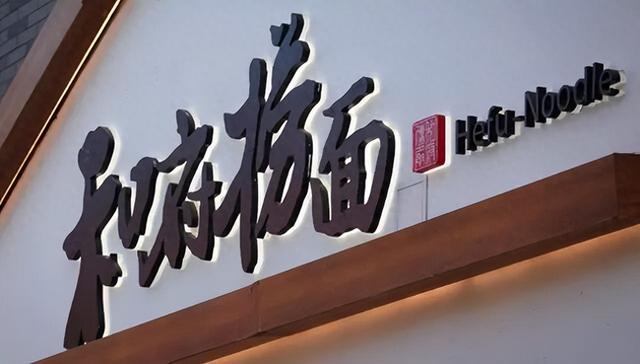
“三四十元一碗,后厨堆满塑料袋”,又一连锁餐厅冲上热搜!最新回应:由中央厨房制作,不属于预制菜
Xin Lang Cai Jing· 2026-01-07 09:57
Core Viewpoint - Recent consumer complaints have raised concerns about HeFu Noodle's products being pre-packaged meals, questioning the value of their offerings priced at 30-40 yuan, as the toppings and broth are reportedly packaged, leading to perceptions of overpriced pre-made noodles [1][4][9] Group 1: Consumer Feedback - Multiple consumers have reported that HeFu Noodle's dishes, priced at 30-40 yuan, consist of bagged toppings and broth, suggesting they are essentially paying a premium for pre-packaged meals [1][4] - Observations from a reporter's visit to several HeFu Noodle locations in Jinan revealed a significant presence of pre-packaged ingredients in the kitchen, contradicting the restaurant's claims of freshly made products [4][6] Group 2: Company Response and Pricing Issues - HeFu Noodle has officially stated that their products are made daily, denying the classification of their meals as pre-packaged [8][9] - There are additional concerns regarding pricing, with reports of price discrepancies of up to 20% among different locations in the same city, leading to accusations of being a "price assassin" [9] - Legal experts have commented on the fairness of pricing differences, emphasizing the importance of transparency in pricing to avoid consumer rights violations [9] Group 3: Regulatory Challenges - HeFu Noodle has faced scrutiny in the past for advertising violations, including a fine for misleading claims about their products [9][10] - In July 2024, the company was penalized for advertising a product's health benefits, which violated regulations regarding disease treatment claims [10] Group 4: Company Overview - Established in 2012, HeFu Noodle operates 583 stores, with an average consumer spending of 32.97 yuan, and over 50% of its locations situated in first-tier and new first-tier cities [12] - The brand promotes itself with a focus on high-quality ingredients, emphasizing "herbal soup, buckwheat noodles, and black vegetables" as its main offerings [12]
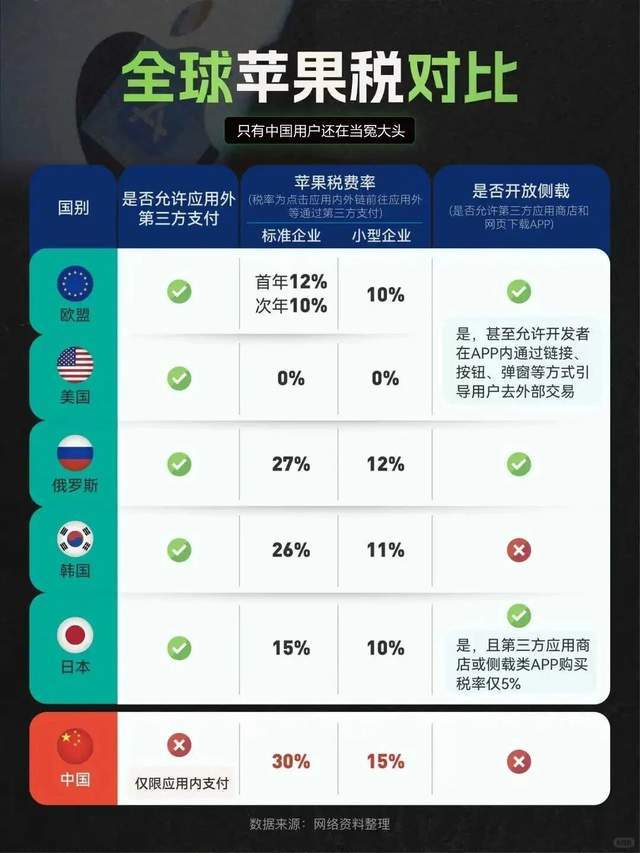
全世界都在降“苹果税”,只有中国,还是全球最高,一分不降!
Sou Hu Cai Jing· 2025-12-24 05:07
Core Viewpoint - Apple has adjusted its commission rates globally, with Japan reducing its in-app purchase commission to 10-21% and allowing sideloading, while China remains the only major market with the highest commission rates and restrictions on third-party payments and sideloading [1][2][4]. Group 1: Global Commission Adjustments - Major regions including the EU, the US, Russia, South Korea, and Japan have lowered their commission rates and allowed third-party payments, contrasting with China's high rates of 30% and 15% [2][4]. - The data suggests that Apple is facing increasing pressure globally to adjust its commission structure, yet China continues to maintain the highest rates without similar concessions [1][2]. Group 2: China's Unique Position - China contributes nearly $10 billion annually to Apple's commission revenue, which may explain Apple's reluctance to lower rates in this market [4]. - The lack of robust antitrust laws in China limits the ability to challenge Apple's monopolistic practices effectively, making it difficult for consumers to seek legal recourse [6]. Group 3: Consumer Sentiment and Expectations - There is a growing sentiment among Chinese consumers and businesses against Apple's commission structure, with calls for lower rates and the allowance of sideloading and third-party payments [4][6]. - The expectation is that Apple should align its commission rates in China with those in other countries, as the current situation is perceived as price discrimination against Chinese users [8].

不愿购买全价游戏,玩家对打折的预期从何而来
3 6 Ke· 2025-11-24 23:20
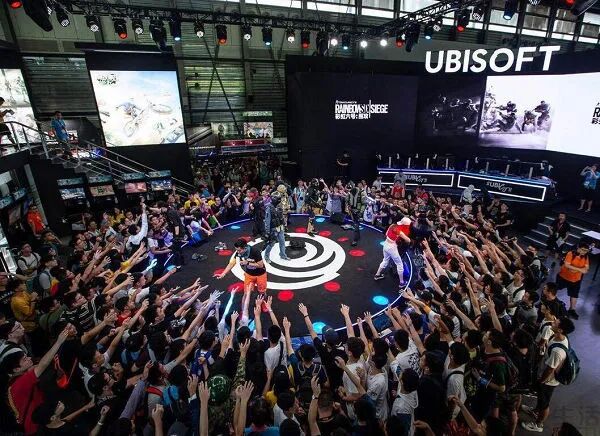
Core Insights - Ubisoft is facing a decline in full-price game sales, with a reported 29% drop in product sales despite an 11% revenue increase in the UK, indicating a shift in consumer purchasing behavior [3][5] - Players are increasingly adopting a "wait for discounts" mentality, influenced by digital distribution platforms like Steam, which have changed the pricing and promotional landscape of the gaming industry [3][5][7] Group 1: Sales Trends - Ubisoft's internal discussions highlight a global trend of declining game sales, with consumers playing fewer games but spending more time on individual titles [3][5] - The gaming industry has shifted from a model where discounts were rare to one where frequent promotions are the norm, driven by digital platforms that allow developers to offer significant discounts [5][7] Group 2: Consumer Behavior - The rise of digital distribution has led to a new consumer expectation of discounts, with players conditioned to wait for sales rather than purchasing at full price [5][9] - The traditional model of gradual price reductions over time has become less common, with some AAA titles seeing significant discounts shortly after release due to oversupply in the market [11] Group 3: Market Dynamics - The gaming market is experiencing high supply and low growth post-pandemic, forcing developers to rely on discounts to maintain user engagement [11] - The number of games released on platforms like Steam is increasing dramatically, with over 18,000 titles expected in 2024, contributing to a saturated market [11]
机票价格大跳水,出现20元的机票到底怎么回事?
3 6 Ke· 2025-09-18 03:50
Group 1 - The core point of the article is the significant drop in domestic flight ticket prices, with some tickets being sold for as low as 20 yuan, which has sparked curiosity about the reasons behind such low pricing [1][3][4] - In September, flight prices from popular tourist cities like Shanghai, Wuhan, and Nanning have decreased dramatically, with some routes offering tickets at 1 to 2 times the original price [3][4] - The phenomenon of extremely low ticket prices is attributed to various pricing strategies employed by airlines, including price discrimination and differential pricing to maximize profits [6][7] Group 2 - Airlines implement price discrimination by offering different prices based on consumer segments and booking conditions, allowing them to capture varying willingness to pay [6][7] - The pricing of round-trip flights can be influenced by the passenger flow on both legs, leading airlines to lower prices on outbound flights to fill seats and balance passenger numbers [9][10] - Airlines face seasonal fluctuations in demand, with significant profit differences between peak and off-peak seasons, prompting them to use low-priced tickets as a marketing strategy during slow periods [10][12] Group 3 - The marginal cost of selling additional tickets can lead to extremely low prices when the fixed costs are already covered by higher-priced tickets sold to business travelers [12][13] - The presence of multiple ticket price types on the same flight allows airlines to cater to both high-end customers and price-sensitive travelers, optimizing aircraft utilization and profitability [13]
为什么同样的商品,别人买得便宜,你买得贵?
Hu Xiu· 2025-09-15 02:00
Group 1 - The core concept discussed is price discrimination, which refers to the practice of charging different prices for the same product to different consumers [1] - Price discrimination is categorized into two types: first-degree and second-degree [1]
程实:从经济学原理看“内卷”困境与“反内卷”路径
Di Yi Cai Jing· 2025-08-17 11:29
Core Viewpoint - The term "involution" reflects a superficial price war among companies, but its deeper essence lies in the imbalance of value creation models [1] Economic Roots of "Involution" - Price discrimination and market segmentation failure are significant inducements for "involution," where companies fail to effectively cover high willingness-to-pay consumer groups, leading to increased price sensitivity among overall consumers [2] - Supply-demand imbalance exacerbates the spread of price wars, as excessive competition can lead to oversupply, causing prices to drop below costs and overall industry profit levels to decline [3] - Unsustainable pricing below average variable costs (AVC) further weakens companies' competitive resilience, as long-term pricing strategies must cover both AVC and average costs (AC) to ensure profitability and support reinvestment [3] Economic Logic of "Anti-Involution" - "Anti-involution" is not a denial of competition but a restructuring of competitive frameworks, focusing on value creation rather than low-dimensional price competition [4] - Key paths include restoring pricing power, achieving supply-demand matching, and returning to cost-based pricing, which are interrelated and form the internal logic of "anti-involution" [4] Transition from "Involution" to "Creation" - Companies need to build a comprehensive competitive system based on precise pricing, driven by technological innovation and brand building, to shift from passive consumption to active creation [6] - Technological innovation is fundamental for long-term competitiveness, allowing companies to shift focus from price comparison to performance, quality, and experience [6] - Brand building and emotional premium can enhance pricing power, as consumers are willing to pay for recognition and values [6] - Cross-industry collaboration and supply chain cooperation can help the industry escape inefficient competition by reducing redundant investments and improving resource utilization [6] - Digital empowerment through big data and AI can support precise pricing and demand forecasting, reducing the risk of excessive competition [7]
刘强东霸气发言:我志在消除国家存在了千年的价格歧视
Xin Lang Cai Jing· 2025-07-30 20:25
Core Viewpoint - Liu Qiangdong expresses a strong commitment to eliminating price discrimination that has existed in the country for thousands of years [2] Group 1 - Liu Qiangdong's statement highlights the ongoing issue of price discrimination in the market [2] - The company is actively engaging with e-commerce platforms to address consumer concerns, as evidenced by reports of some platforms offering free disposal services for old mattresses [2]