
杨柳青剪纸

Search documents
杨柳青古镇:浓浓烟火气,游客乐陶陶
Xin Lang Cai Jing· 2026-02-20 03:07
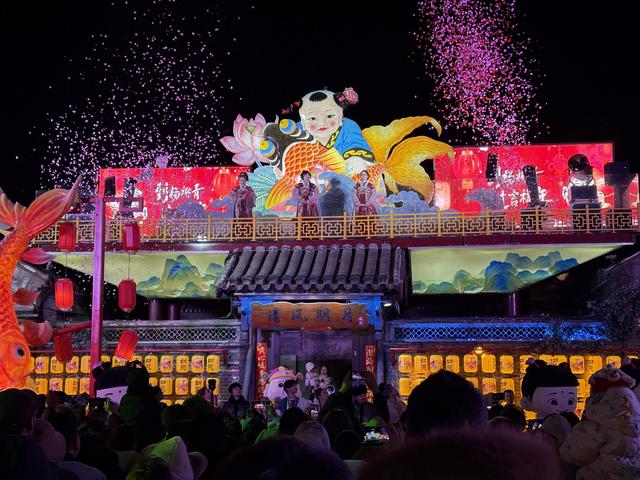
Core Viewpoint - The Yangliuqing Ancient Town in Tianjin is undergoing a transformation to become a cultural landmark and a popular tourist destination, leveraging its historical significance and traditional crafts like woodblock printing and paper-cutting to attract visitors and stimulate economic activity [3][12][14]. Group 1: Cultural and Historical Significance - Yangliuqing Ancient Town is known for its rich cultural heritage, particularly the Yangliuqing woodblock prints, which are recognized as one of China's four major woodblock print styles and were listed as a national intangible cultural heritage in 2006 [4][12]. - The town's historical significance is highlighted by its location along the Grand Canal, contributing to its reputation as a cultural hub with traditional performances and crafts [6][12]. Group 2: Transformation and Modernization - The local government initiated a renovation project in October 2024 to revitalize the ancient town, focusing on systematic upgrades and innovative operations to enhance its appeal [3][12]. - The renovation includes the improvement of facilities, beautification of streetscapes, and the integration of cultural experiences, aiming to create a dynamic and interactive tourist destination [13][14]. Group 3: Tourism and Economic Impact - The ancient town has become a popular destination for tourists, particularly from the Beijing-Tianjin-Hebei region, with visitor numbers expected to exceed 760,000 during the upcoming Spring Festival [14]. - The introduction of themed events, such as the "Fortune Gathering" during the Spring Festival, aims to enhance visitor engagement and stimulate local economic activity [9][12]. Group 4: Traditional Crafts and Innovation - The Yangliuqing woodblock print, particularly the "Child Holding Fish" motif, remains a significant cultural symbol, with modern adaptations being developed to appeal to younger audiences [4][16]. - The integration of technology and innovative design in traditional crafts, such as the use of AI for color matching in new products, is helping to attract a new generation of artisans and consumers [20][21].

司法守护,让年画“连年有余”
Xin Lang Cai Jing· 2026-02-15 00:02
Core Viewpoint - The article highlights the cultural significance and ongoing challenges faced by the Yangliuqing woodblock New Year paintings, a national intangible cultural heritage, as practitioners work to preserve and promote this traditional art form during the festive season [11][13]. Group 1: Cultural Heritage - Yangliuqing woodblock New Year paintings have a history of over 400 years and are characterized by distinct Tianjin cultural features, serving as a living fossil of local culture [11]. - The most representative theme in Yangliuqing paintings is the "New Year doll," which symbolizes prosperity and good wishes through its imagery, such as a doll holding a fish and a lotus flower [11]. Group 2: Challenges in Preservation - Practitioners, including the sixth-generation inheritor Huo Qingshun and seventh-generation inheritor Zhang Hong, face challenges such as counterfeit products and insufficient transmission of skills [11]. - The local prosecutor's office has taken action to protect these intangible cultural heritage projects by issuing recommendations to administrative departments and conducting inspections of 127 businesses [13]. Group 3: Community Engagement and Support - The prosecutor's office has organized meetings with representatives and volunteers to understand the current situation and difficulties faced by heritage protectors and inheritors [13]. - Huo Qingshun has been appointed as a special liaison to help gather information on cases related to the paintings and provide professional support for legal matters [13].
春节近 年味浓
Ren Min Ri Bao Hai Wai Ban· 2026-02-12 22:50
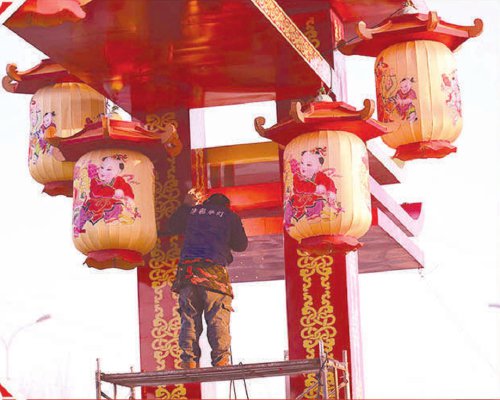
Core Viewpoint - The 2026 Spring Festival is marked by vibrant cultural activities and significant transportation movements, reflecting the anticipation and warmth of family reunions across China [6][7][8]. Group 1: Spring Festival Activities - The 2026 Lantern Festival in Beijing has commenced, showcasing traditional lanterns and cultural festivities [2]. - Various traditional performances, such as opera, are being held in historical locations like Pingyao Ancient City, enhancing the cultural atmosphere [4]. - The Spring Festival is characterized by a rich array of folk activities and the bustling atmosphere of markets, both online and offline, as people prepare for the celebrations [6][8]. Group 2: Transportation and Travel - The Spring Festival travel rush has begun, with over 1.4 billion people expected to travel during this period, including more than 860 million by rail and over 1.6 billion by air [7]. - The Ministry of Transport has implemented a comprehensive safety and service plan for the Spring Festival, focusing on risk prevention and enhancing transportation capacity [7]. Group 3: New Year Goods Market - The New Year goods market is thriving, with a significant increase in online shopping for festive items, supported by the "2026 National Online New Year Goods Festival" [8][9]. - Local markets are bustling with activity, featuring a variety of traditional and regional products, attracting large crowds [9]. Group 4: Cultural Heritage and Innovation - The significance of intangible cultural heritage is highlighted during the Spring Festival, with various traditional crafts and performances being showcased [10][11]. - Innovative approaches to traditional customs are being adopted, blending modern elements with cultural practices to enhance the festive experience [11].
天津两区“村晚”打头阵
Xin Lang Cai Jing· 2026-02-10 22:10
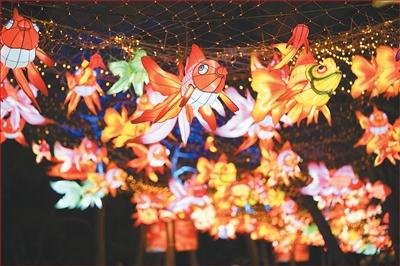
Core Viewpoint - The event "My 'Village Evening' My Year" is a live streaming activity showcasing rural culture and traditions in Tianjin, highlighting the cultural vitality and festive atmosphere of the new rural areas in the region [1] Group 1: Event Overview - The live streaming event is organized by the National Public Cultural Development Center and the China Cultural Association, featuring a two-day program with over 12 hours of daily live broadcasts [1] - The event employs a model that combines a central studio in Beijing with various local "Village Evenings," allowing nationwide audiences to experience rural customs and festivities [1] Group 2: Cultural Highlights - The Tianjin "Village Evening" features performances by local villagers, integrating canal culture and folk customs, showcasing the rich flavors of Tianjin's New Year traditions [1] - Notable performances include non-heritage paper-cutting, traditional stilt shows, and various local art forms such as skits, Peking opera, and Tianjin-style cross-talk, reflecting the cultural heritage and joyful lives of rural residents [1] Group 3: Promotion of Local Products - Local non-heritage representative projects, such as Chen's porcelain (hand-painted) craftsmanship, are promoted by inheritors like Zhao Yanjun and young farmers like Liu Wenwen, showcasing Tianjin's rural products and non-heritage skills [2] - Featured products include the aromatic Xiaozhan rice, unique Chen's porcelain cultural creations, and traditional crafts like Yangliuqing woodblock New Year paintings and paper-cutting, allowing audiences to connect with the warmth of Tianjin's non-heritage culture [2]
【文化中国行】这些年俗,让年味更浓
Xin Lang Cai Jing· 2026-02-08 21:40
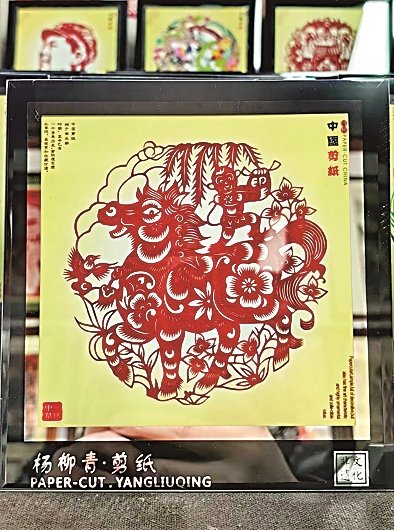
Group 1: Cultural Significance of Traditional Crafts - The article highlights the importance of traditional customs and crafts during the Chinese New Year, emphasizing their role in cultural continuity and community bonding [1][4]. - Yangliuqing paper-cutting, with over 300 years of history, is noted for its artistic value and connection to local culture, showcasing the skills of artisans like Hao Guifen [4][3]. - The production of flower buns in Henan province reflects a blend of tradition and modern consumer preferences, with significant demand leading to the creation of over 10,000 flower buns daily during the festive season [5][7]. Group 2: Economic Impact and Community Development - The flower bun industry in Huojia County is positioned as a key initiative for rural revitalization, with over 300 women trained in the craft, contributing to local economic development [7][8]. - The production of Chengni prints in Shandong not only preserves cultural heritage but also provides employment opportunities for local women, enhancing their economic independence [9][8]. - The high platform lion dance in Chongqing, recognized as a national intangible cultural heritage, has seen increased participation and training initiatives, promoting local culture and tourism [12][13].
墨香伴岁 非遗添彩
Xin Lang Cai Jing· 2026-02-06 23:02
Core Viewpoint - The Capital Library is launching a series of cultural activities themed "Cloud Horse Viewing, Riding the Sea of Literature" during the 2026 Spring Festival, featuring nearly a hundred events including intangible cultural heritage workshops, lectures, exhibitions, and immersive experiences [1] Group 1: Cultural Activities - The Capital Library is initiating the Spring Festival with a series of intangible cultural heritage workshops, including the creation of gold foil calendars and Song brocade horse ornaments, aimed at conveying the cultural essence of traditional customs [2] - The Beijing City Library will host various intangible cultural heritage arts, such as paper-cutting courses and clay sculpture activities, allowing readers to engage with traditional art forms [2] - On the day of the Little New Year, readers can write Spring Festival couplets and the character "Fu" on-site, and participate in an ancient printing experience themed "Welcoming Spring with Galloping Horses" [2] Group 2: Online and Offline Engagement - An online reading activity titled "A Horse's Head Leading the Way: A Guide to Beijing-Tianjin-Hebei New Year Customs" will start on February 15, allowing readers to share insights and win a 500 yuan reading card [3] - A New Year music competition will be launched through the library's digital platform, featuring fun music puzzles for participants to win prizes [3] - On the first day of the Lunar New Year, the first 100 visitors to the library will receive a "New Year Blessing Bag" [3] Group 3: Lectures and Discussions - On February 21, folklorist Gao Wei will present a lecture on "The Chinese New Year Going Global," discussing the global significance of the Spring Festival as an intangible cultural heritage [4] - On February 22, a professor from Beijing Language University will explore the cultural significance of horse symbolism in Chinese civilization [4] - On February 26, a children's book editor will lead an immersive reading activity, combining listening, learning, and hands-on experiences [4] Group 4: Immersive Experiences - From the first to the fifth day of the Lunar New Year, the Beijing City Library will host a Spring Festival intangible cultural heritage market, featuring traditional folk activities such as rabbit figurine making and paper-cutting [5] - Daily performances of traditional arts, including Peking opera and shadow puppetry, will take place during the festival [5]