果味气泡酒

Search documents
终于等到!京东七鲜石家庄首店12月19日开业,多重福利抢先剧透
Jin Rong Jie Zi Xun· 2025-12-15 11:58
Core Viewpoint - JD's Seven Fresh supermarket is set to open its first store in Shijiazhuang on December 19, 2023, at the Yuhua Wanda Plaza, offering a variety of affordable and quality products along with promotional activities to enhance the shopping experience for local residents [1][15]. Group 1: Store Opening and Promotions - The new store will feature multiple promotional activities, including price reductions on popular products, a "buy one get one free" offer on selected items, and exclusive deals for new users, such as vouchers worth up to 100 yuan and free delivery on first orders [5][15]. - Seven Fresh has initiated online delivery services since November 28, 2023, expanding its coverage to a large area around Yuhua Wanda Plaza, allowing customers to receive orders within 30 minutes [3][5]. Group 2: Product Offerings - The store will offer a range of high-quality fresh produce, including vegetables from a regulated supply chain and a "24-hour vegetable" program ensuring freshness and traceability [7]. - Seven Fresh will introduce premium imported fruits, such as Chilean cherries and various berries, leveraging direct sourcing to provide better prices and quality [9]. - The store will also feature popular "internet celebrity" products, including unique desserts and health-focused snacks, catering to diverse consumer preferences [11]. Group 3: Market Impact - The opening of Seven Fresh aligns with Shijiazhuang's initiative to develop a "first-store economy," enhancing consumer experience and contributing to the local retail market's growth [15]. - The supermarket aims to provide a fast, affordable, and quality shopping experience, thereby upgrading the region's instant retail services [15][16].


凉了?当年疯抢波尔多酒庄的中国富豪,如今120万起拍都没人要
Sou Hu Cai Jing· 2025-12-04 11:13
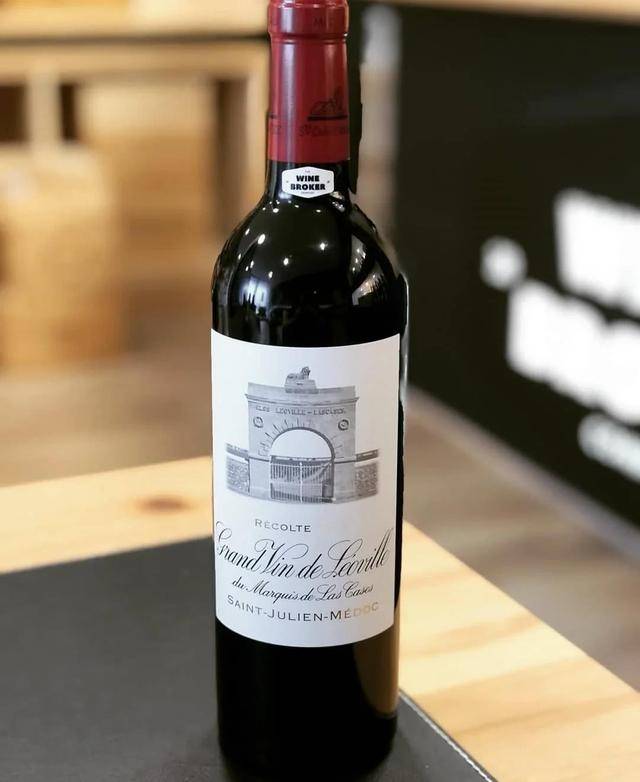
Core Viewpoint - The article discusses the dramatic shift in Chinese consumers' attitudes towards red wine over the past decade, highlighting a decline in its social status and desirability, leading to a significant drop in sales and interest in wine estates previously sought after by wealthy buyers [1][4][21]. Group 1: Historical Context - Ten years ago, Bordeaux vineyards were highly sought after by Chinese buyers, with some transactions reaching nearly 1 billion RMB for multiple estates in a single day [1]. - At that time, red wine was perceived as a symbol of wealth, status, and cultural sophistication, often used as a social tool in various gatherings [4][9]. Group 2: Changing Consumer Preferences - Post-2020, a new generation of consumers emerged, prioritizing authenticity and emotional satisfaction over the complex rituals associated with red wine consumption [13][15]. - The younger demographic prefers easy-to-consume beverages like fruit-flavored sparkling wines and ready-to-drink cocktails, which align better with their lifestyle and consumption habits [17]. Group 3: Market Dynamics - The market for red wine in China is experiencing a decline, with sales continuing to drop as consumers shift towards more accessible and less ritualistic alcoholic beverages [17][25]. - Many previously acquired wine estates are now being sold at prices lower than their purchase value, indicating a significant loss of interest and value in the red wine market [19][21]. Group 4: Cultural Shift - The decline of red wine's social value in China reflects a broader cultural shift away from status-driven consumption towards a focus on personal enjoyment and authenticity [21][23]. - This transformation suggests that consumers are moving away from using products like red wine to signify social status, instead opting for experiences and products that provide genuine happiness [27].
“Z世代”重塑中国酒饮消费观 “微醺社交”成都市新风尚
Zhong Guo Xin Wen Wang· 2025-11-19 11:17
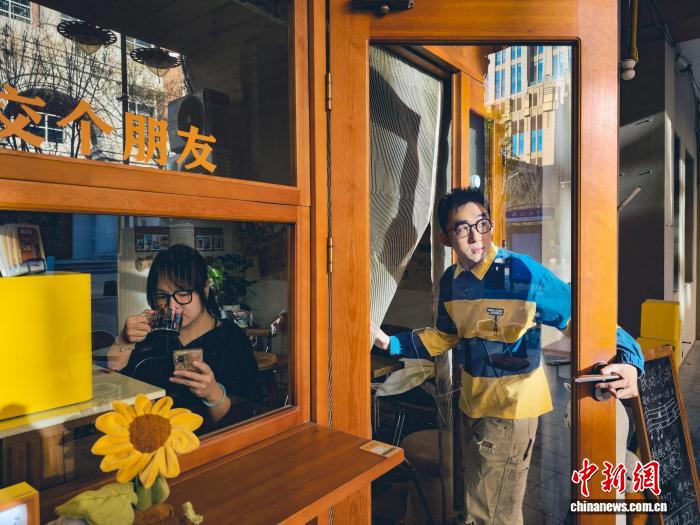
Core Insights - The "Z Generation" is reshaping China's drinking consumption perspective, with a trend towards "lightly tipsy socializing" becoming popular in urban areas [1][8] - The shift from traditional drinking culture to a more rational approach emphasizes social connections and emotional release rather than heavy drinking [4][6] Industry Trends - The emergence of hybrid consumption spaces that combine coffee, alcohol, reading, and socializing is growing in cities like Tianjin, Chengdu, Shanghai, and Guangzhou, catering to the needs of the "Z Generation" [3][4] - The demand for low-alcohol and flavored beverages is increasing, with the market for low-alcohol drinks expected to exceed 74 billion RMB by 2025, reflecting a compound annual growth rate of 25% [4][8] Consumer Behavior - Young consumers prioritize the atmosphere and social interactions over the quantity of alcohol consumed, indicating a preference for quality over quantity [3][6] - There is a rising trend of purchasing alcohol through delivery services, with a reported 300% increase in sales during promotional events [7] Product Innovation - Traditional liquor companies are adapting their product strategies to meet the preferences of younger consumers, introducing lower-alcohol options and trendy packaging [6][8] - The focus on quality and craftsmanship is evident, with younger consumers showing interest in the ingredients and production processes of alcoholic beverages [6][8]