梵克雅宝五花手链

Search documents
为什么别人家的产品又贵又好卖?
Hu Xiu· 2025-10-09 23:31
Group 1 - The article discusses the misconception that lower prices lead to higher sales, highlighting instances where raising prices has stimulated demand instead [1][4][40] - The concept of the Veblen effect is introduced, where higher prices can increase consumer demand for luxury goods, as seen in examples from the clothing and toy industries [5][6][10] - The article cites specific cases, such as the price increase of warming underwear and collectible toys, which resulted in significant order growth and resale value appreciation [6][8][9] Group 2 - The article contrasts the Veblen effect with the Giffen phenomenon, where demand for a staple good like potatoes can increase despite rising prices due to lack of alternatives [25][26][34] - It explains that the Giffen phenomenon occurs under specific conditions, such as when consumers are forced to buy more of a staple as other food prices rise [27][28][36] - The article emphasizes that consumer behavior is influenced by both horizontal and vertical comparisons, affecting purchasing decisions based on perceived future price trends [30][34][37] Group 3 - The article argues that consumers do not always prefer cheaper options, as demonstrated by the evolution of consumer behavior towards higher-priced, high-quality products over time [56][58][60] - It introduces the "V-shaped price curve," suggesting that consumers may initially reject high prices but eventually seek out premium products once low prices become normalized [57][59] - The article highlights the importance of perceived value in consumer purchasing decisions, indicating that consumers are willing to pay more for products they deem valuable [61][62] Group 4 - The article discusses the concept of price elasticity of demand, explaining that products with high elasticity can benefit from a low-price strategy, while essential goods tend to have inelastic demand [76][79][80] - It warns that relying solely on a low-price strategy can lead to industry-wide price wars, ultimately harming profitability for all players involved [81][82] - The article concludes that raising prices can be beneficial if aligned with product value and consumer expectations, suggesting that higher prices can lead to better sales outcomes [83][84]

中产开始抢购散装奢侈品,奢侈品散装化意味着什么?
3 6 Ke· 2025-09-25 12:53
Core Viewpoint - The rise of "bulk luxury goods" reflects a significant shift in consumer behavior among young Chinese consumers, driven by economic changes and a desire for affordable luxury experiences [3][5][10] Group 1: Market Changes - The luxury goods market in China has evolved from long queues at duty-free shops to a trend of purchasing bulk luxury items, indicating a shift in consumer preferences [1][3] - Young consumers are increasingly turning to second-hand platforms and alternative products to satisfy their luxury desires within budget constraints [3][5] Group 2: Consumer Behavior - The phenomenon of bulk luxury goods is particularly popular among young women, who view purchasing luxury items as a normal part of their lifestyle [5][11] - Consumers are becoming more price-sensitive and are seeking value, leading to the emergence of "平替" (affordable alternatives) and bulk luxury goods as a unique market segment [7][10] Group 3: Pricing Strategies - The pricing strategies of luxury brands, such as Tiffany, reveal significant discrepancies between individual items and bulk purchases, allowing consumers to access luxury products at a fraction of the price [7][10] - The traditional luxury pricing model may face challenges as consumers become more aware of these pricing structures and seek to exploit them [14] Group 4: Psychological Factors - The trend towards bulk luxury goods aligns with the growing consumer preference for "self-indulgent" purchases, where individuals prioritize personal satisfaction and experiences over traditional luxury consumption [11][12] - Social media plays a crucial role in promoting bulk luxury goods, as consumers share their purchases and experiences, enhancing the visibility and appeal of this market segment [12][11] Group 5: Long-term Implications - The rise of bulk luxury goods may disrupt traditional luxury pricing models, compelling brands to reassess their pricing, product design, and marketing strategies to remain competitive [14][10]

抠门的年轻人,开始买「散装奢侈品」
36氪· 2025-08-31 02:08
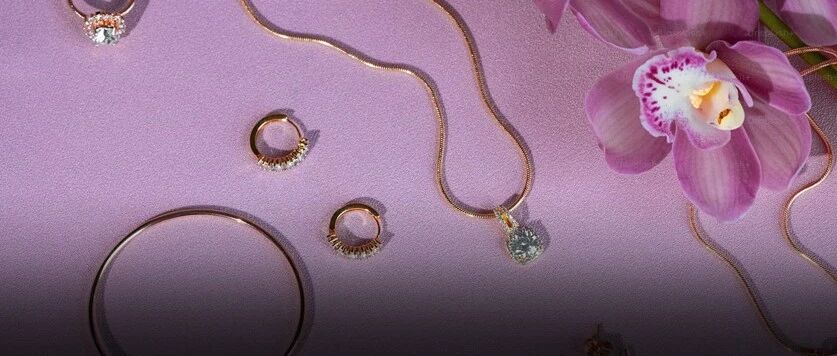
以下文章来源于三联生活实验室 ,作者Lily 三联生活实验室 . Never Bored 城市Cool Guy生活样本 在社交媒体上,拼单散装奢侈品的帖子,正在成为最当红的流量密码。"一个人买下一串正品的手链,就能拆出几十个吊坠,再发帖让大家一起拼单,就 能把奢侈品的价格砍到十分之一。" 爱上散装奢侈品的年轻人,已经祛魅了。 文 | Lily 来源| 三联生活实验室(ID:LIFELAB2020) 封面来源 | Unsplash 对于年轻人来说,在钱包最干净的年纪,碰上纸醉金迷的大牌奢侈品,很难能不在花花世界里净身出户。 为了弥补这份"心有余而余额不足"的无力,有人一猛子扎进二手平台,誓要淘出一只打骨折的九九新;有人预算实在不足,则全网搜罗起了平替;甚至有 人去局子里捡漏,买法院拍卖的大牌奢侈品。 而最近,最抠门的年轻人,已经开始买"散装奢侈品"了。大家平时只知道山姆超市的东西,可以在网上买小分量的分装,如今谁能想到,奢侈品也能分装 拼单了。 这场散装奢侈品战役的重灾区,就是Tiffany的手链。"七千多一串的手链,拆成吊坠买,一个爱心吊坠只要三百块。自己回去串成项链戴,就能直接复刻 品牌同款的爱心项链。把奢 ...
中产疯抢散装奢侈品
投资界· 2025-08-30 07:19
Core Viewpoint - The article discusses the emerging trend of "bulk luxury goods" among young consumers, where they purchase luxury items in smaller, more affordable portions through group buying, significantly reducing the overall cost of luxury brands [4][10][12]. Group 1: Trend of Bulk Luxury Goods - Young consumers are increasingly engaging in group purchases of luxury items, allowing them to buy high-end products at a fraction of the original price [5][7]. - Social media has become a platform for sharing and promoting these group buying opportunities, making it a popular trend among the youth [7][12]. - The practice of splitting luxury items, such as Tiffany's bracelets, allows individuals to acquire components like pendants at much lower prices, effectively reducing the brand's perceived value [8][10]. Group 2: Economic Implications - The cost of luxury items is being democratized; for instance, a Tiffany bracelet priced at over 7,000 yuan can be split into pendants costing around 300 yuan each [8][10]. - This trend reflects a shift in consumer behavior, where young people prioritize cost-effectiveness and value over brand prestige [14][19]. - The article highlights that the perceived value of luxury goods is being challenged, as consumers find ways to enjoy luxury without the associated high costs [19][22]. Group 3: Consumer Mindset - Young consumers express a sense of empowerment through bulk luxury purchases, feeling they can enjoy luxury without the financial burden [12][21]. - The mindset has shifted from viewing luxury items as status symbols to seeing them as everyday accessories that do not require significant financial investment [22][23]. - The article concludes that the allure of luxury goods is largely tied to their price, and as prices become more accessible, the focus shifts to quality and craftsmanship rather than brand prestige [23].