
止咳糖浆

Search documents
当心!这些食品或药品可能“吃”出“酒驾”
Xin Lang Cai Jing· 2026-02-07 00:06
Group 1 - The article discusses the issue of "invisible alcohol" in food and medicine that can lead to false positives in alcohol testing for drivers [1][4] - Certain foods and medications, such as herbal medicines containing high concentrations of alcohol, can result in detectable blood alcohol levels without consuming alcoholic beverages [1][2] - Examples of food items that may contain or produce alcohol include fermented foods, high-sugar fruits, and certain processed foods like tiramisu and chocolate with alcohol [2][3] Group 2 - The legal definitions and penalties for driving under the influence are outlined, with specific blood alcohol concentration thresholds for drinking and driving (≥20mg/100ml and <80mg/100ml) and for drunk driving (≥80mg/100ml) [3][4] - Penalties for drinking and driving include a temporary suspension of the driver's license for 6 months, fines ranging from 1,000 to 2,000 yuan, and 12 points on the driving record [3] - For drunk driving, penalties include revocation of the driver's license, a 5-year ban on reapplying for a license, and potential criminal charges [4]

当心 食用这些食品或药品可能测出“酒驾”
Yang Shi Xin Wen· 2026-02-06 10:40
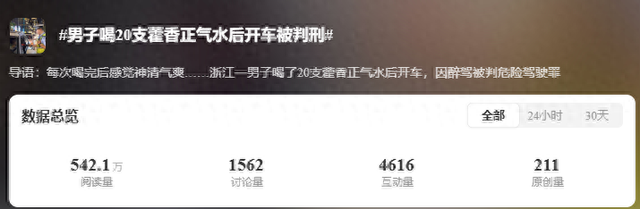
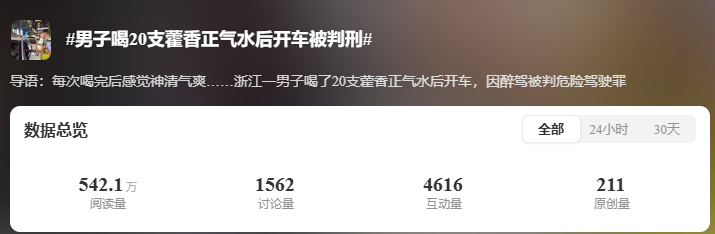
Core Viewpoint - A man in Zhejiang was sentenced for dangerous driving after consuming 20 bottles of Huoxiang Zhengqi Shui, which contains a high concentration of ethanol, leading to a positive alcohol test despite not consuming alcoholic beverages [2]. Group 1: Alcohol Content in Products - Huoxiang Zhengqi Shui contains approximately 40%-50% ethanol, with the solvent being 60% ethanol [2]. - Other products like "Shuijing" contain about 60%-70% ethanol, which can also lead to positive alcohol tests [2]. - Certain cough syrups and mouthwashes may contain ethanol, potentially affecting alcohol detection results [4]. Group 2: Foods and Alcohol - Fermented or alcohol-containing foods such as marinated dishes, "drunken crab," and fermented rice can produce alcohol during preparation, leading to residual alcohol in the mouth [5]. - High-sugar fruits like durian, jackfruit, and lychee can ferment in the mouth, producing trace amounts of alcohol [7]. - Processed foods like tiramisu, egg yolk pie, and chocolate with alcohol can also contain alcohol or alcohol-soaked ingredients [7]. Group 3: Alcohol Detection and Penalties - Driving under the influence is categorized based on blood alcohol content: - Drinking and driving: 20mg/100ml to <80mg/100ml - Drunk driving: ≥80mg/100ml [9]. - Penalties for drinking and driving include a 6-month license suspension, fines between 1,000-2,000 yuan, and 12 points on the driving record. Repeat offenders may face detention and additional fines [11]. - Drunk driving results in license revocation, a 5-year ban on reapplying for a license, and potential criminal charges [11]. Group 4: Precautions for Drivers - Drivers should avoid consuming alcohol-containing foods or high-alcohol medications like Huoxiang Zhengqi Shui before driving [14]. - If a driver accidentally consumes alcohol-containing products, it is advisable to wait 30 minutes before driving [14]. - In case of a positive alcohol test due to accidental consumption, drivers can explain the situation to law enforcement and request a retest after 15 minutes or a blood test for clarification [16].
“毒糖浆”事件后,印度强制药企升级
Huan Qiu Shi Bao· 2025-10-19 23:08
Group 1 - The Indian government has rejected requests from pharmaceutical companies to extend the deadline for upgrading production facilities after at least 24 children died from locally produced cough syrup [1][2] - The cough syrup produced in India has been linked to over 140 child deaths in Africa and Central Asia, prompting the government to mandate compliance with World Health Organization standards by the end of 2023 [1][2] - The pharmaceutical industry in India is fragmented, with a weak regulatory system that struggles to effectively oversee numerous low-cost syrups produced by small manufacturers [1][2] Group 2 - India's pharmaceutical industry, valued at $50 billion, consists of approximately 3,000 companies operating over 10,000 factories, with about 24 companies producing the majority of medicines [2] - Concerns have been raised that the costs associated with upgrading facilities could lead to significant economic pressure on small and medium-sized enterprises, potentially resulting in drug shortages and job losses [2] - Regulatory authorities have stated that the deadline for upgrades cannot be extended repeatedly, emphasizing the urgency of addressing the safety issues as people are dying [2]
印度“毒糖浆”疑致多名儿童死亡,警方逮捕涉事企业老板
Xin Hua She· 2025-10-10 07:22
Group 1 - The owner of the pharmaceutical company "Sreyas Pharmaceuticals," Rangnathan, has been arrested in connection with cough syrup linked to the deaths of at least 21 children under the age of five in Madhya Pradesh [1] - The cough syrup produced by Sreyas Pharmaceuticals was found to contain diethylene glycol at levels nearly 500 times above the permissible limit, which can cause severe health issues including vomiting, abdominal pain, and acute kidney injury [1] - The Indian government has intensified actions to control the circulation of contaminated medicines, including random sampling of cough syrups and house-to-house collection of the affected syrup bottles [1] Group 2 - The World Health Organization has highlighted regulatory gaps in India's pharmaceutical sector and has warned that some affected products may be exported through informal channels [1] - The cough syrup in question is reported to have been sold only within India, but the WHO is seeking clarification from the Indian government regarding potential exports to other countries [2] - Indian pharmaceuticals are a significant export to developing countries, with the contaminated cough syrup linked to over 140 child deaths in countries such as Gambia, Uzbekistan, and Cameroon [2]
印度警方逮捕涉“毒糖浆”企业老板
Xin Hua She· 2025-10-10 06:47
Core Points - The owner of "Sreyas Pharmaceuticals," Rangnathan, has been arrested in connection with a cough syrup linked to the deaths of at least 21 children under the age of five in Madhya Pradesh [1] - The cough syrup was found to contain diethylene glycol at levels nearly 500 times the permissible limit, which can cause severe health issues and even death [1] - The incident has raised concerns about regulatory failures in India's pharmaceutical industry, with the World Health Organization warning that some affected products may have been exported through informal channels [1][2] Company Summary - "Sreyas Pharmaceuticals" is implicated in a scandal involving a cough syrup that has resulted in multiple child fatalities due to toxic levels of diethylene glycol [1] - The company's facilities in Tamil Nadu have been shut down, and the affected products have been banned in several Indian states [1] - Other pharmaceutical companies in Gujarat have also been found to have similar issues with diethylene glycol in their cough syrups [1] Industry Summary - The incident highlights significant regulatory gaps within India's pharmaceutical sector, prompting local drug regulatory agencies to intensify efforts to control the distribution of contaminated medicines [1] - The World Health Organization is demanding clarification from the Indian government regarding the potential export of these toxic cough syrups, as Indian pharmaceuticals are widely exported to developing countries [2] - The situation has been linked to over 140 child deaths in countries such as Gambia, Uzbekistan, and Cameroon, raising international alarm about the safety of Indian-manufactured drugs [2]
印度不合格糖浆致至少17名儿童死亡 世卫要求其说明情况
Zhong Guo Xin Wen Wang· 2025-10-09 05:48
Core Points - The World Health Organization (WHO) has requested clarification from the Indian government regarding the export of contaminated cough syrups, which may lead to a global medical product alert [1][2] - At least 17 children under the age of 5 have died in India after consuming cough syrups containing toxic substances, with 11 more children in critical condition [1] - The Indian drug regulatory authority has confirmed serious violations at multiple pharmaceutical factories, although specific companies involved have not been disclosed [1] - The contaminated syrups contained dangerously high levels of diethylene glycol and propylene glycol, with diethylene glycol levels approaching 500 times the permissible limit [1] - The WHO will decide on issuing a global medical alert after receiving official confirmation from Indian authorities, which could trigger global recalls and stricter monitoring of Indian drug exports [2] - The contaminated cough syrups are linked to the deaths of over 140 children in countries such as Gambia, Uzbekistan, and Cameroon during 2022-2023 [2]
印度“毒糖浆”已致17名儿童死亡 多家药企被查出违规
Xin Hua She· 2025-10-09 03:08
Core Points - Indian drug regulatory authorities conducted inspections revealing serious violations in several pharmaceutical companies, particularly regarding the testing of drug raw materials for each batch [1][2] - At least 17 children under the age of five have died after consuming cough syrups containing toxic substances, with the levels of diethylene glycol reaching nearly 500 times the permissible limit [2] Group 1: Regulatory Actions - The inspections were prompted by previous findings of "substandard drugs" from the companies involved [1] - The Gujarat state government has ordered an immediate halt to all production and sales activities of the two inspected companies [2] - The company "Sresan Pharmaceuticals" has had its offices and factories shut down, and police are investigating the firm for "murder" charges [2] Group 2: Export Concerns - The cough syrups in question were reportedly sold only within India, but the World Health Organization is seeking clarification on whether these products were exported to other countries [2] - Indian pharmaceuticals are widely exported to developing countries, and there are concerns about the association of toxic cough syrups with the deaths of over 140 children in countries like Gambia, Uzbekistan, and Cameroon [2]
没喝酒也可能测出酒驾?(链接)
Ren Min Ri Bao· 2025-05-05 22:17
Core Points - Certain foods and beverages can lead to false positives in breath alcohol tests, potentially misclassifying individuals as driving under the influence [1][2] - Common high-risk foods include egg yolk pies, Swiss rolls, fermented foods, and high-sugar fruits like lychee, which can produce ethanol during fermentation [1] - Medications and products containing ethanol, such as certain cough syrups and mouthwashes, can also result in elevated breath alcohol levels, with some exceeding legal limits [2] Group 1 - Foods like egg yolk pies and Swiss rolls often contain added alcohol as a preservative, which can lead to detectable alcohol levels in breath tests [1] - Fermented foods such as fermented tofu and yeast bread can produce trace amounts of ethanol during their preparation [1] - High-sugar fruits, when fermented in anaerobic conditions, can also generate ethanol, leading to increased breath alcohol readings shortly after consumption [1] Group 2 - Products like Huoxiang Zhengqi water and certain mouthwashes can yield breath alcohol levels significantly above legal limits, with some readings reaching 600 mg/100 ml [2] - Drivers who test positive due to food or medication consumption are advised to explain their situation to law enforcement and provide evidence of their recent dietary intake [2] - Blood tests can be used to confirm actual blood alcohol content if breath tests remain inconclusive [2]