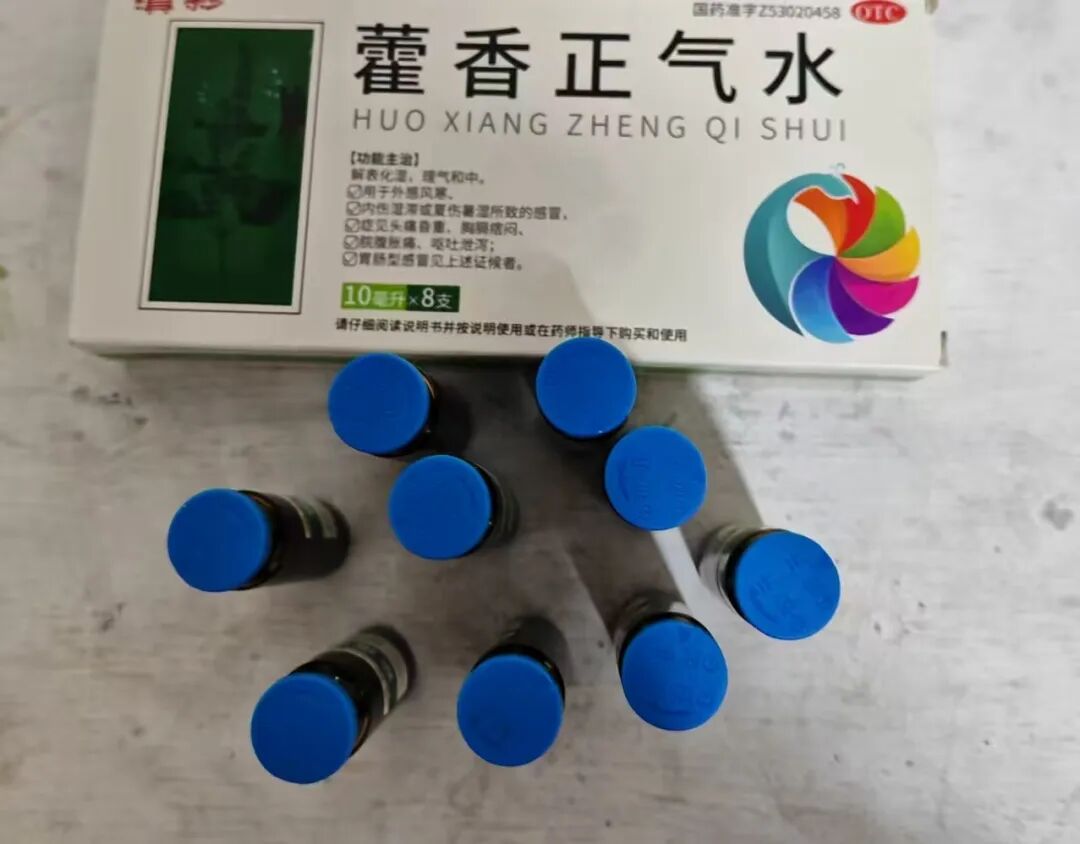
藿香正气水

Search documents
省疾控局提示:春节出行 警惕药驾
Shan Xi Ri Bao· 2026-02-18 23:36
Core Viewpoint - The article emphasizes the dangers of "drug driving," which refers to driving after taking medications that can impair driving ability, highlighting that it can be as hazardous as drunk driving [2]. Group 1: Definition and Impact of "Drug Driving" - "Drug driving" is defined as driving after consuming medications that may affect driving safety, with domestic data indicating that approximately 10% of traffic accidents are caused by "drug driving" [2]. - International studies reveal that over half of individuals involved in severe traffic accidents have detectable levels of drugs in their system [2]. Group 2: Vulnerable Populations and Triggers - Young individuals who are less familiar with medications and their side effects are particularly at risk, as they may not recognize the impairment until it is too late [3]. - Older adults who take multiple medications, especially during festive seasons, are also at increased risk of "drug driving" due to potential interactions and overdosing [3]. Group 3: Medications Associated with "Drug Driving" - Common household medications that can lead to "drug driving" include: - Cold and allergy medications, such as "Pyrilamine" and "New Kantek," which often contain chlorpheniramine maleate that can cause drowsiness [4]. - Sleep aids and sedatives, like "Diazepam" and "Eszopiclone," which can result in a hangover effect the following day [4]. - Pain relievers, such as Ibuprofen and Indomethacin, which may cause dizziness [5]. - Cough medications, including Dextromethorphan and Pentoxyverine, which can impair vision [5]. - Blood pressure and diabetes medications that may lead to sudden fainting or confusion if they cause low blood pressure or hypoglycemia [5]. - "Huo Xiang Zheng Qi Shui," a common remedy that contains 40%-50% alcohol, which can lead to intoxication if consumed before driving [5]. Group 4: Prevention Strategies - To prevent "drug driving," individuals should: - Proactively ask healthcare providers about the effects of medications on driving before taking them [6]. - Read medication instructions carefully, especially warnings against operating vehicles [6]. - Allow sufficient time, ideally 6 to 8 hours, after taking medication before driving, particularly for sedative medications [6].
春节“健康关”:从备药到用药,家中常备药如何守住健康?
2 1 Shi Ji Jing Ji Bao Dao· 2026-02-17 02:20
Group 1 - The article discusses the importance of having a well-stocked medicine cabinet during the Chinese New Year, as health issues often arise due to festive eating and cold weather [3][4][10] - Common health problems during this period include colds, digestive issues, and potential infections, necessitating the use of specific medications [2][9][10] - Families are advised to prepare a variety of medications, including cold remedies, digestive aids, and treatments for viral infections, to address these health concerns effectively [5][7][9] Group 2 - The article highlights the risks associated with improper medication use, particularly the misuse of antibiotics and the importance of adhering to medical guidelines [15][16] - It emphasizes the need for caution when using adult medications for children, as dosages must be carefully calculated based on age and weight [16][20] - The potential dangers of expired medications are discussed, stressing that expired drugs can lose efficacy and may even become harmful [18][20] Group 3 - The article notes the increasing presence of traditional Chinese medicine in home medicine cabinets, but warns against misconceptions regarding the shelf life of these products [19][20] - It underscores the necessity of not only having medications available but also ensuring they are used correctly and safely to maintain health during the festive season [21][22]
20支藿香正气水下肚,浙江男子因醉驾被抓!家人、医生曾多次劝他……
Xin Lang Cai Jing· 2026-02-12 23:44
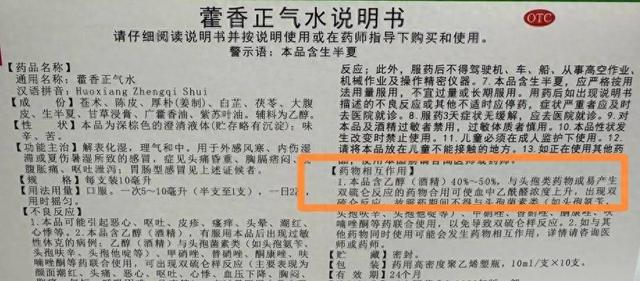
Core Viewpoint - The case highlights the dangers of consuming medicinal products containing alcohol, such as Huoxiang Zhengqi Water, and the legal consequences of driving under its influence [1][3]. Group 1: Incident Details - The defendant, Guo, developed a dependency on Huoxiang Zhengqi Water, which contains 40%-50% alcohol, and began consuming it excessively from May 2024 [3]. - On August 3, 2023, after consuming two boxes (20 bottles) of the product, Guo drove while impaired, nearly colliding with a truck, leading to his arrest [3]. - Guo's blood alcohol content was measured at 237 mg/100 ml, significantly exceeding the legal limit for drunk driving [3]. Group 2: Legal Proceedings - The court found that Guo was aware of the alcohol content and warnings against driving after consumption, yet he chose to drive, endangering public safety [3]. - Guo was sentenced to two months and ten days of detention and fined 5,000 yuan due to the severity of his actions [3]. Group 3: Safety Reminders - Drivers are advised to avoid consuming products like Huoxiang Zhengqi Water and alcohol-infused foods before driving to prevent increased blood alcohol levels [4].

当心!这些食品或药品可能“吃”出“酒驾”
Xin Lang Cai Jing· 2026-02-07 00:06
Group 1 - The article discusses the issue of "invisible alcohol" in food and medicine that can lead to false positives in alcohol testing for drivers [1][4] - Certain foods and medications, such as herbal medicines containing high concentrations of alcohol, can result in detectable blood alcohol levels without consuming alcoholic beverages [1][2] - Examples of food items that may contain or produce alcohol include fermented foods, high-sugar fruits, and certain processed foods like tiramisu and chocolate with alcohol [2][3] Group 2 - The legal definitions and penalties for driving under the influence are outlined, with specific blood alcohol concentration thresholds for drinking and driving (≥20mg/100ml and <80mg/100ml) and for drunk driving (≥80mg/100ml) [3][4] - Penalties for drinking and driving include a temporary suspension of the driver's license for 6 months, fines ranging from 1,000 to 2,000 yuan, and 12 points on the driving record [3] - For drunk driving, penalties include revocation of the driver's license, a 5-year ban on reapplying for a license, and potential criminal charges [4]
当心 食用这些食品或药品可能测出“酒驾”
Yang Shi Xin Wen· 2026-02-06 10:40
Core Viewpoint - A man in Zhejiang was sentenced for dangerous driving after consuming 20 bottles of Huoxiang Zhengqi Shui, which contains a high concentration of ethanol, leading to a positive alcohol test despite not consuming alcoholic beverages [2]. Group 1: Alcohol Content in Products - Huoxiang Zhengqi Shui contains approximately 40%-50% ethanol, with the solvent being 60% ethanol [2]. - Other products like "Shuijing" contain about 60%-70% ethanol, which can also lead to positive alcohol tests [2]. - Certain cough syrups and mouthwashes may contain ethanol, potentially affecting alcohol detection results [4]. Group 2: Foods and Alcohol - Fermented or alcohol-containing foods such as marinated dishes, "drunken crab," and fermented rice can produce alcohol during preparation, leading to residual alcohol in the mouth [5]. - High-sugar fruits like durian, jackfruit, and lychee can ferment in the mouth, producing trace amounts of alcohol [7]. - Processed foods like tiramisu, egg yolk pie, and chocolate with alcohol can also contain alcohol or alcohol-soaked ingredients [7]. Group 3: Alcohol Detection and Penalties - Driving under the influence is categorized based on blood alcohol content: - Drinking and driving: 20mg/100ml to <80mg/100ml - Drunk driving: ≥80mg/100ml [9]. - Penalties for drinking and driving include a 6-month license suspension, fines between 1,000-2,000 yuan, and 12 points on the driving record. Repeat offenders may face detention and additional fines [11]. - Drunk driving results in license revocation, a 5-year ban on reapplying for a license, and potential criminal charges [11]. Group 4: Precautions for Drivers - Drivers should avoid consuming alcohol-containing foods or high-alcohol medications like Huoxiang Zhengqi Shui before driving [14]. - If a driver accidentally consumes alcohol-containing products, it is advisable to wait 30 minutes before driving [14]. - In case of a positive alcohol test due to accidental consumption, drivers can explain the situation to law enforcement and request a retest after 15 minutes or a blood test for clarification [16].
紫牛热点∣喝20支藿香正气水后驾车,男子因醉驾被判危险驾驶罪!并非个例,别以为只有喝酒才会产生醉驾
Xin Lang Cai Jing· 2026-02-05 15:05
Core Viewpoint - The case highlights the legal implications of consuming medicinal products containing alcohol, such as Huoxiang Zhengqi Water, which can lead to dangerous driving charges even without consuming traditional alcoholic beverages [1][4]. Group 1: Case Details - The defendant, Guo, was sentenced to two months and ten days of detention and fined 5,000 yuan for dangerous driving after consuming a large quantity of Huoxiang Zhengqi Water, which contains 40%-50% alcohol [1][3]. - Guo developed a dependency on Huoxiang Zhengqi Water, consuming two boxes (20 bottles) before driving, resulting in a blood alcohol content of 237 mg/100ml, significantly exceeding the legal limit for drunk driving [3][4]. - The court emphasized that Guo was aware of the alcohol content and warnings against driving after consumption, yet he chose to drive, endangering public safety [3]. Group 2: Legal Precedents - A similar case involved Jiang, who was sentenced to three months of detention and fined 4,000 yuan for driving after consuming Huoxiang Zhengqi Water, with a blood alcohol level of 145.45 mg/100ml [4]. - Both cases illustrate that consuming products with alcohol content, even if not classified as alcoholic beverages, can lead to legal consequences for dangerous driving [5]. - The law stipulates that any driver with a blood alcohol content exceeding 80 mg/100ml is considered to be driving under the influence, regardless of the source of alcohol [5].
伪科普短视频一本正经地胡说八道!丝瓜瓤煮鸡蛋调结节有啥风险?
Xin Lang Cai Jing· 2026-01-11 01:44
Group 1 - The article highlights the issue of misleading health information propagated by self-media influencers, who present unverified remedies as effective solutions for various health conditions [1] - It emphasizes that these influencers often misuse medical products, such as suggesting the use of iodine for mouth rinsing and amoxicillin in shampoos, which can lead to health risks [1] - Experts stress that genuine scientific communication should be based on credible sources and should avoid exaggerating effects, contrasting with the sensational claims made by these influencers [1]
正确使用中成药治感冒
Xin Lang Cai Jing· 2026-01-06 00:56
Core Viewpoint - The article emphasizes the importance of correctly selecting traditional Chinese medicine (TCM) for treating colds, as improper use can delay recovery and increase the risk of adverse reactions [1]. Group 1: Types of Colds - Colds can be categorized based on the type of wind and other pathogens or the individual's constitution, including wind-cold, wind-heat, summer-damp, and deficiency colds [1]. - Wind-cold colds are characterized by symptoms such as severe chills, mild fever, and nasal congestion, typically treated with warming and dispersing methods [2]. - Wind-heat colds present with more severe fever and throat pain, requiring cooling and dispersing treatments [3]. - Summer-damp colds occur in warmer months, often due to dampness and cold exposure, with symptoms including headache and gastrointestinal discomfort [4]. - Deficiency colds are common in the elderly or those with weakened immune systems, presenting with fatigue and recurrent colds [6]. - Seasonal colds, akin to influenza, have acute onset and strong contagiousness, necessitating detoxifying treatments [7]. Group 2: Common TCM Treatments - For wind-cold colds, common TCM remedies include: - Ganmao Qingre Granules, which contain ingredients like Schizonepeta and mint, effective for symptoms like headache and nasal discharge [2]. - Zheng Chaihu Granules, which help alleviate fever and body aches [2]. - Tongxuan Liupai Pills, suitable for coughs associated with wind-cold [2]. - For wind-heat colds, treatments include: - Yin Qiao Jie Du Tablets, effective for fever and sore throat [3]. - Shuanghuanglian Oral Liquid, which addresses symptoms of fever and cough [3]. - Sangju Ganmao Tablets, suitable for initial symptoms of wind-heat colds [3]. - For summer-damp colds, common remedies are: - Huoxiang Zhengqi Water, which helps with symptoms like nausea and abdominal discomfort [5]. - Baoji Pills, effective for gastrointestinal symptoms associated with summer-damp colds [5]. - For deficiency colds, Yipingfeng Granules are commonly used to strengthen the immune system [6]. - For seasonal colds, Lianhua Qingwen Capsules are recommended for their detoxifying properties [7]. Group 3: Medication Considerations - Patients should choose appropriate dosage forms of TCM based on personal needs, such as granules for children or capsules for those sensitive to taste [8]. - It is crucial to avoid overlapping medications with similar ingredients to prevent adverse reactions [8]. - Special populations, including children, pregnant women, and the elderly, should use medications cautiously and under guidance [8].
中医药降低危重症发病率,中西医结合专家:不主张无症状者使用中成药预防
Mei Ri Jing Ji Xin Wen· 2025-11-24 08:06
Core Viewpoint - The latest sixth edition of the COVID-19 treatment plan emphasizes the integration of traditional Chinese medicine (TCM) and highlights the effectiveness of specific TCM prescriptions in treating patients at different stages of the disease [3][4]. Group 1: Treatment Recommendations - The sixth edition of the treatment plan recommends the Qingfei Paidu Decoction as a key formula, providing detailed instructions on the preparation and dosage of TCM injections, enhancing its practicality and guidance [3]. - The integration of TCM has shown positive effects, particularly in improving symptoms for mild patients and preventing the progression to severe cases, thereby reducing the incidence of critical illness and mortality rates [3]. Group 2: Symptom Management - For symptomatic patients experiencing weakness, fatigue, or diarrhea, TCM remedies such as Huoxiang Zhengqi Water and Zhengqi Powder are recommended, but these are not intended for preventive use in asymptomatic individuals [4]. - Personal protective measures are emphasized as the primary method of prevention, including avoiding epidemic areas, not attending gatherings, wearing masks, and maintaining hygiene [4].
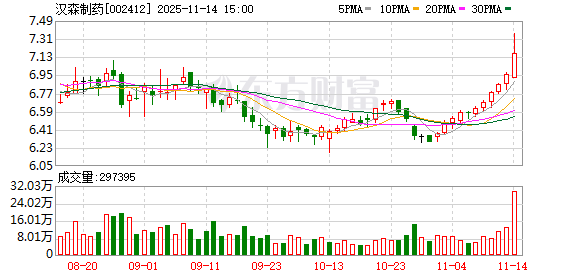
汉森制药:公司有治疗感冒的相关产品
Zheng Quan Ri Bao· 2025-11-14 11:39
Core Viewpoint - Hansen Pharmaceutical has a range of products for treating colds, including Ganmao Qingre Granules, Baibei Yilung Capsules, Compound Acetaminophen and Amantadine Tablets, and Huoxiang Zhengqi Liquid [2] Company Summary - Hansen Pharmaceutical, including its wholly-owned subsidiaries, offers various cold treatment products [2]