
汽车大模型

Search documents
“AI+制造”国家方案发布,激发数十万亿增长新动能
Di Yi Cai Jing· 2026-01-11 13:05
Group 1 - The core viewpoint of the news is the promotion of the integration of artificial intelligence (AI) with the manufacturing industry, aiming to accelerate the intelligent transformation of manufacturing and enhance economic growth through AI technology [1][2][4]. - The Ministry of Industry and Information Technology (MIIT) and eight other departments have issued the "Implementation Opinions on the Special Action of 'AI + Manufacturing'," which outlines seven key tasks to promote the dual empowerment of AI technology and manufacturing applications [1][2]. - By 2028, the goal is to have at least 50,000 enterprises implement "AI + Industrial Internet" upgrades, significantly improving the integration level of industrial internet and AI [1][6]. Group 2 - The "Implementation Opinions" aim to drive the deep application of 3 to 5 general large models in manufacturing by 2027, creating specialized industry models and promoting 500 typical application scenarios [2][3]. - The focus is on fostering 2 to 3 globally influential leading enterprises and a batch of specialized small and medium-sized enterprises, while establishing a global leading open-source ecosystem [2][3]. - Specific measures include promoting the development of intelligent chips, supporting breakthroughs in key technologies, and enhancing the safety governance capabilities of AI [3][4]. Group 3 - The industrial internet is identified as a crucial carrier for the integration of AI and manufacturing, with plans to expand new industrial networks to meet the demands of AI applications [6][7]. - The MIIT emphasizes that AI is transitioning from being an auxiliary tool to becoming a core engine for industrial internet, enhancing real-time optimization and intelligent scheduling capabilities [7][8]. - Local governments are actively formulating their own "AI +" plans to drive high-quality development across various industries, with specific targets for manufacturing enterprises and AI core industry growth [8][9].
全球汽车业2026八大猜想
Zhong Guo Qi Che Bao Wang· 2026-01-08 11:43
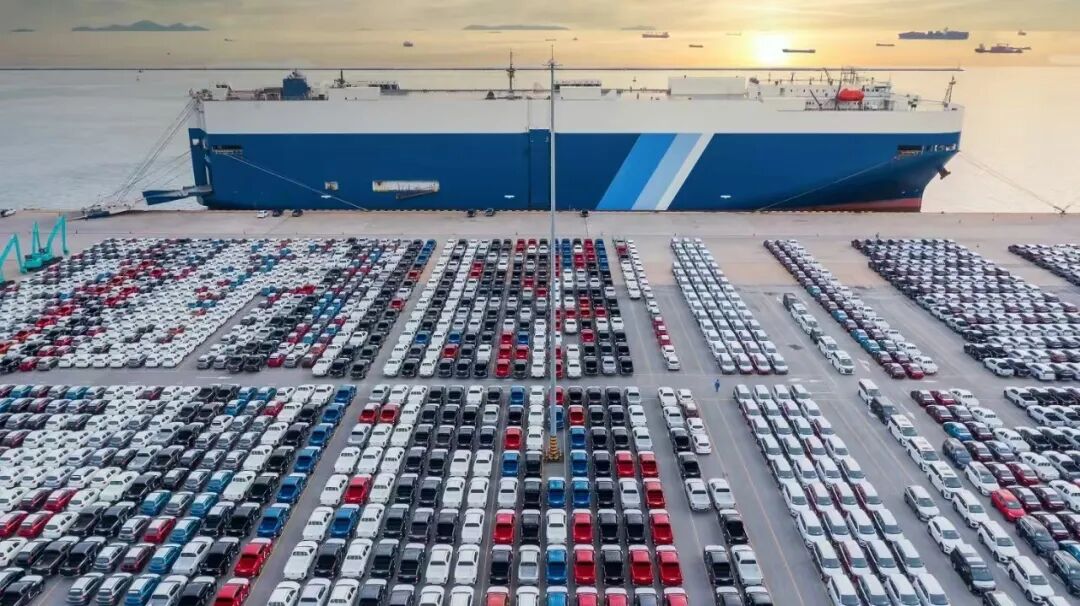
Group 1 - The global automotive trade is expected to face increased tensions in 2026, with significant downward pressure on trade growth predicted by organizations like the WTO and IMF, projecting growth rates of only 0.5% and 0.6% respectively, down from 2.4% in 2025 [2][3] - The rise of trade protectionism is a core driver of this tension, as various countries implement unilateral trade measures, disrupting the established rhythm of the global automotive supply chain and increasing uncertainty in international trade [3] Group 2 - The global electric vehicle (EV) market is anticipated to experience a slowdown in sales growth in 2026, with the U.S. market showing particularly pessimistic trends due to the cancellation of favorable policies under the Trump administration, leading to a significant drop in consumer purchasing intent [4][5] - In China, the growth forecast for domestic electric vehicle sales has been revised down from 16% to 14% for 2026, attributed to high base effects and the reintroduction of purchase taxes despite continued government subsidies [5] Group 3 - Chinese automotive companies are accelerating their localization strategies overseas, transitioning from simple vehicle exports to localized production and comprehensive system output, as evidenced by projects like Changan's factory in Thailand and BYD's plans in Hungary and Malaysia [6][7] - Major Chinese automakers are implementing diverse strategies to enhance localization, including CKD exports to reduce tariff costs and partnerships with local firms to quickly integrate into new markets [7] Group 4 - The collaboration model between Chinese and foreign automotive companies is evolving, moving from a "market for technology" approach to a deeper integration based on technology output and resource sharing, extending cooperation beyond China to global markets [8][9] Group 5 - 2026 is projected to be a pivotal year for the commercialization of Robotaxi services, with advancements in technology, policy support, and reduced costs driving the transition from pilot programs to large-scale operations [11][12] - In China, companies like Pony.ai and Baidu are achieving significant milestones in Robotaxi deployment, with Baidu's service reportedly handling over 250,000 fully autonomous orders weekly [12] Group 6 - The year 2026 is recognized as a critical period for the validation of solid-state battery technology, with multiple automakers planning to conduct vehicle testing, marking a significant step towards overcoming limitations of current lithium-ion batteries [13] - Chinese automakers are actively pursuing diverse technological routes for solid-state battery production, with companies like SAIC and GAC announcing plans for testing and production timelines [13] Group 7 - The integration of AI large models into the automotive sector is expected to redefine value creation in 2026, with advancements in smart driving and intelligent cockpit technologies enhancing user engagement and operational efficiency [14][15] - The market for AI-driven automotive services is projected to expand significantly, with estimates suggesting that the AI model-derived market could exceed 100 billion yuan by 2028 [15] Group 8 - 2026 is anticipated to be a key year for the mass production and delivery of humanoid robots by automotive companies, with significant advancements in technology and a focus on commercial applications across various sectors [16][17] - Companies like Tesla and Xpeng are leading the charge in humanoid robot development, with plans for large-scale production and deployment in industrial and service contexts [17]

中科创达:公司和火山引擎的合作始于2024年
Zheng Quan Ri Bao Wang· 2025-08-29 12:11
Group 1 - The collaboration between the company and Volcano Engine began in 2024, indicating a strategic partnership aimed at enhancing technological capabilities [1] - The partnership has evolved from joining the Volcano Engine Automotive Large Model Ecological Alliance to establishing a joint laboratory and obtaining HiAgent delivery authorization, showcasing continuous upgrades in collaboration [1]
