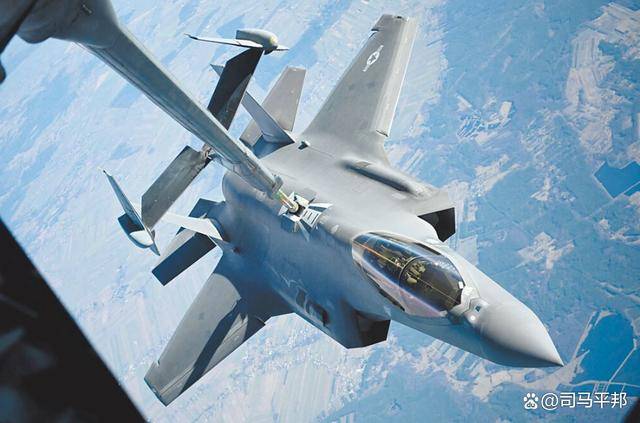
法国阵风战机

Search documents
印度做生意
Xin Lang Cai Jing· 2026-02-23 15:33
Group 1 - The article discusses India's unique position as a significant player in global trade, particularly in the context of its business practices that often favor upfront payments and minimize risks for suppliers [2][3][5] - Indian clients are characterized by their tendency to negotiate hard, often leading to situations where they may default on payments or create complications for suppliers, yet they are still viewed as valuable customers due to their purchasing power [5][12] - The article highlights specific strategies employed by companies when dealing with Indian clients, such as requiring full payment upfront or significantly increasing prices for partial payments, which helps mitigate risks associated with potential defaults [5][14] Group 2 - The case of BYD's dealings with India illustrates the complexities of international trade, where initial agreements can lead to unexpected challenges, such as incomplete deliveries and payment disputes [12][14] - The article emphasizes that working with Indian clients can lead to a zero-internal-consumption environment, as there is little expectation of long-term relationships, allowing companies to focus solely on transactional interactions [14][16] - India's lack of creditworthiness often results in a reliance on Chinese suppliers, creating a unique dynamic where Chinese companies can dominate the market by offering terms that Indian clients must accept [16]


14亿人口大国沦为笑柄!印度被美加关税后,机场拥抱普京求买武器
Sou Hu Cai Jing· 2025-12-06 04:34
Group 1 - India's international reputation has been challenged this year due to unexpected setbacks, including high tariffs imposed by the US and a failed military operation against Pakistan [1][3] - The US announced a 50% tariff on Indian goods starting August 1, which caught India off guard and led to the withdrawal of American investments [5][6] - India's military action against Pakistan in May resulted in a significant defeat, exposing weaknesses in its military capabilities and leading to a cooling of relations with the West [8][10] Group 2 - Following setbacks with Western nations, India has sought to strengthen ties with Russia, maintaining trade relations despite Western pressure to impose sanctions [10][12] - Russian President Putin's visit to India included discussions on military equipment, highlighting India's reliance on Russian support for its defense needs [12][14] - The experience of India underscores the importance of self-reliance in national development, as external support may not be sustainable in the long term [14]
美国也太狂了,想拿印度开刀,他们根本想不到,自己踢到了铁板上
Sou Hu Cai Jing· 2025-08-29 23:06
Core Viewpoint - The article discusses the escalating trade tensions between the United States and India, particularly in light of the U.S. imposing a 50% tariff on Indian goods as a punitive measure for India's purchase of Russian oil, while also highlighting India's strong military and economic position that allows it to stand firm against U.S. pressure [1][3][5]. Trade Relations - On August 6, President Trump signed an executive order imposing an additional 25% tariff on Indian goods, raising the total tariff to 50%, the highest globally [3][5]. - Following a meeting with Putin, Trump indicated a potential pause on tariffs against Russian oil buyers, which briefly raised hopes in India for a possible tariff rollback [3][5]. - However, the U.S. delegation's cancellation of planned trade talks with India before the tariff's implementation suggests that the high tariffs are likely to remain in place [5]. India's Response - Indian Prime Minister Modi expressed a strong commitment to protect Indian farmers and promote domestic manufacturing during his Independence Day speech, indirectly addressing U.S. actions [7]. - India has taken concrete steps to counter U.S. influence, including boycotting American products and halting arms purchases from the U.S. [7][9]. Military Strength - India possesses one of the largest military forces globally, with over 1.45 million active personnel and a total military personnel count exceeding 5 million when including reserves [9][11]. - The country has a robust military infrastructure, including advanced aircraft and a significant naval presence, with nearly 300 vessels [11][13]. - India's nuclear capabilities further enhance its military standing, with over a hundred nuclear warheads and a triad of delivery systems [13][15]. Economic Position - India is the fifth-largest economy in the world, with a GDP exceeding $3.8 trillion, and is projected to surpass Japan by 2025 and potentially Germany by 2028 [15][17]. - The country's young population and large consumer market provide strong economic growth potential, positioning India as a future engine of global economic growth [17][19]. - Overall, India's substantial military and economic capabilities provide it with the confidence to confront U.S. pressures without compromising its sovereignty [19].
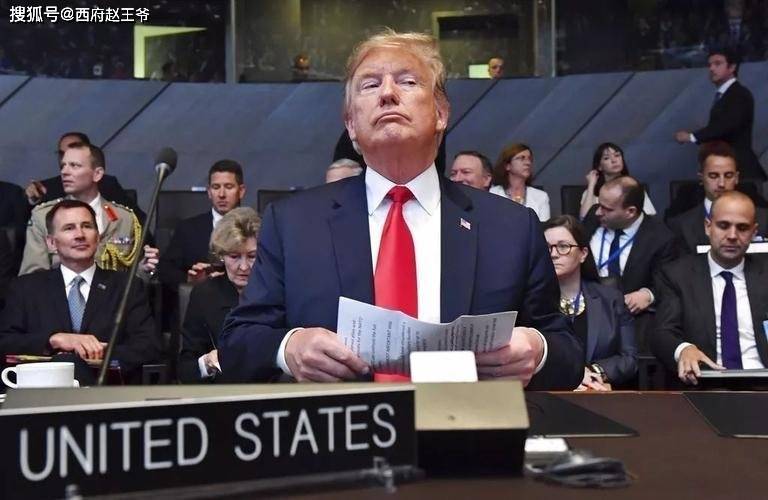
在特朗普的带领下,美国已不再值得信任,多个盟友叫停采购F-35计划
Sou Hu Cai Jing· 2025-08-20 01:24
Core Points - The recent cancellation of a $10 billion F-35 order by Spain and similar actions from Switzerland and India indicate a growing discontent among U.S. allies regarding American trade policies and military sales [1][2] - The imposition of a 39% tariff on steel and aluminum by the Trump administration has significantly impacted U.S. defense contractors, leading to increased costs for allies and a potential loss of trust in the U.S. as a reliable partner [1][2] Group 1 - Spain's shift to the French Rafale fighter jet highlights the need for "reliable partners," suggesting a loss of confidence in U.S. military support [1] - Switzerland's F-35 procurement costs are projected to rise by an additional $1.6 billion due to inflation and material costs linked to U.S. tariffs, further straining their defense budget [1] - The ongoing trade tensions and tariffs have eroded the patience of U.S. allies, culminating in the F-35 order crisis as a significant turning point in military sales relationships [2] Group 2 - The cumulative effects of U.S. policies since 2018, including tariffs and the withdrawal from Afghanistan, have led to a deterioration of trust among allies [2] - The F-35 order crisis serves as a clear indication that even the strongest military sales relationships cannot withstand the pressures of "America First" policies [2]