注射用盐酸克林霉素

Search documents
*ST双成(002693.SZ):公司产品注射用紫杉醇(白蛋白结合型)目前没有在国内申报
Ge Long Hui· 2025-12-19 07:04
Group 1 - The core viewpoint of the article is that *ST Shuangcheng (002693.SZ) has confirmed that several of its products are included in the medical insurance catalog [1] - The products that are included in the medical insurance catalog are: Thymosin injection, Somatostatin injection, Famotidine injection, Clindamycin hydrochloride injection, Chuanxiong phosphate injection, and Octreotide acetate injection [1] - The company has not submitted an application for its product, Paclitaxel injection (albumin-bound), in the domestic market [1]

*ST双成:公司主要收入来源为药品销售收入,主要品种为注射用胸腺法新、注射用紫杉醇等
Mei Ri Jing Ji Xin Wen· 2025-12-19 04:26
Group 1 - The company responded to an investor inquiry regarding the export volume of paclitaxel in the fourth quarter, indicating that financial data will be disclosed in periodic reports as per regulations [2] - The main source of revenue for the company is from pharmaceutical sales, with key products including injectable thymosin alpha 1, injectable paclitaxel (albumin-bound), injectable somatostatin, injectable bivalirudin, and injectable clindamycin hydrochloride [2]

80个药品注册证书注销背后:中国医药摆脱“批文经济”的阵痛
Guan Cha Zhe Wang· 2025-10-21 08:30
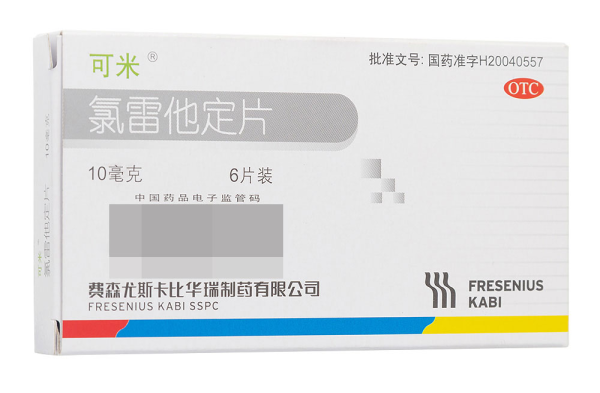
Core Insights - The National Medical Products Administration (NMPA) has announced the cancellation of 80 drug registration certificates, including loratadine tablets, highlighting a significant regulatory shift in China's pharmaceutical industry [1] - Over the past year, NMPA has canceled a total of 626 drug registration certificates, with 89% of these being voluntarily withdrawn by companies, indicating a trend towards industry consolidation and stricter regulations [1][7] - The cancellation of loratadine tablets reflects a broader issue of overcapacity in China's generic drug market, where competition has intensified significantly [2][5] Industry Trends - The Chinese pharmaceutical industry is undergoing a critical phase characterized by increased regulatory scrutiny, normalization of centralized procurement, and accelerated industry consolidation [1][7] - The era of "approval economy" is ending, leading to a drastic reduction in the survival space for low-quality generic drugs [1][7] - The market for loratadine is dominated by a few key players, with Yangtze River Pharmaceutical holding nearly 60% market share, while over 90 companies struggle for the remaining 25% [6] Company Dynamics - Major international pharmaceutical companies are withdrawing from the Chinese market, as seen with Sanofi and Merck Sharp & Dohme canceling multiple product registrations due to competitive pressures and pricing challenges [8][10] - Local companies are also forced to make tough decisions, with Taicang Pharmaceutical canceling 11 products, including commonly used medications, as a response to the pressures of centralized procurement [11][13] - The case of Hengrui Medicine voluntarily canceling a cancer drug registration signals a strategic shift towards innovation rather than competing in the generic drug space [14]