
海王酒

Search documents
从“银发专属”到“朋克养生” 养生酒赛道持续升温下的新出口
Bei Jing Shang Bao· 2026-02-05 13:48
Core Insights - The health wine market is experiencing a surge in popularity, particularly among young consumers embracing the "punk health" trend, with products like Jinjiu becoming market leaders [1][5][9] - Traditional brands such as Yedao and Haiwang are also seeing a revival, while established pharmaceutical companies like Tongrentang and Guangyuyuan are entering the health wine sector [1][8] - The market is projected to continue expanding, with health wine sales increasing by 75.8% year-on-year in the first eight months of 2025, and a forecasted market size of 200 billion yuan by 2030 [9][10] Market Trends - Jinjiu has become a prominent product in health wine shelves, with a 600ml bottle priced at 59 yuan and a 125ml bottle at 15 yuan, indicating strong demand, especially among female consumers [5][6] - The health wine sector is expected to grow at an annual rate of 23%, driven by a shift in consumer preferences towards lower-alcohol and lighter products [9][10] - The health wine market is characterized by a lower price point compared to traditional liquors, making it more accessible to consumers [8][9] Company Performance - Jinjiu's parent company, Jinpai, anticipates a 10.8% growth in overall performance by 2025, reflecting a stable development trend [5][6] - Hainan Yedao reported a revenue of 178 million yuan in the first three quarters of 2025, marking an 8.75% year-on-year increase, with a significant 111.74% growth in the third quarter [6] - Companies like Gujinggongjiu and Luzhou Laojiao are also entering the health wine market, launching various health-oriented projects and products [7][8] Consumer Behavior - Approximately 35% of consumers aged 18-35 prefer health wine over traditional liquor in social settings, indicating a shift in consumption habits [9][10] - The rise of health wine discussions on social media platforms, with over 800 million views on related topics, highlights the growing interest among younger demographics [9][10] Industry Challenges - The health wine market faces significant challenges related to product homogenization, with many brands offering similar concepts and formulations [11][22] - Companies are urged to differentiate their products through quality and technological innovation to avoid being overshadowed by competitors [22] - The market is expected to transition from a "blue ocean" phase to a "refinement" phase by 2026, emphasizing the need for companies to focus on health, youthfulness, and consumer-centric strategies [22]

海南椰岛(集团)股份有限公司 2025年年度业绩预告
Zheng Quan Ri Bao· 2026-01-30 22:54
Core Viewpoint - The company, Hainan Yedao (Group) Co., Ltd., is expected to report a negative net profit for the year 2025, leading to a risk of delisting from the Shanghai Stock Exchange due to failure to meet financial performance criteria [1][10][12]. Financial Performance Summary - The company anticipates a total profit of -25 million yuan for 2025 [2][16]. - The expected net profit attributable to shareholders is -29 million yuan, with a net profit of -23 million yuan after excluding non-recurring gains and losses [2][16]. - Projected operating revenue for 2025 is 370 million yuan, with 350 million yuan after excluding unrelated business income [2][16]. - The estimated net assets attributable to shareholders at the end of 2025 are 80 million yuan [2][16]. Risk of Delisting - The company’s stock is under delisting risk warning as of May 6, 2025, due to negative net profit and revenue below 300 million yuan for 2024 [10][12]. - If the audited financial results for 2025 show negative profit or net assets, or if the audit report contains a qualified opinion, the stock may be delisted [10][12][13]. Audit and Internal Control - The auditing firm is currently reviewing the company's sales and return situations for 2025, and there are concerns regarding the effectiveness of internal controls based on previous audit opinions [11][14]. - If sufficient audit evidence cannot be obtained, the audit firm may issue a non-unqualified opinion on the financial statements or internal controls for 2025 [11][14].

中式“朋克养生”带火了保健酒
Di Yi Cai Jing· 2025-12-18 10:53
Core Insights - The health wine industry is experiencing growth driven by the rising trend of "punk health" among younger consumers, who are blending traditional health drinks with alcoholic beverages [2][3] - Sales of health wines on e-commerce platforms surged by 75.8% year-on-year from January to August 2025, with a volume increase of 33.2% [3] - Major brands like Jingjiu and Zhuyeqing are targeting younger demographics and adapting their products to meet the demand for low-alcohol and fashionable options [3][4] Group 1: Market Trends - The health wine category is thriving despite a downturn in the broader white and red wine markets, with traditional health wines previously being underappreciated [3][4] - The "punk health" philosophy is reshaping drinking habits, with 83% of young consumers preferring low-alcohol beverages [2][3] - The introduction of innovative mixing methods for health wines has gained significant traction on social media, leading to increased visibility and engagement [2] Group 2: Company Performance - Jingjiu is projected to see a 20% increase in sales for the year, with a notable rise in young users, particularly women [3] - Zhuyeqing's classic product sales are expected to grow by 16.2%, with e-commerce channels experiencing an 87% increase [3] - Traditional health wine companies are beginning to see a turnaround, with some products experiencing significant revenue growth in recent quarters [4][5] Group 3: Future Outlook - New entrants and capital are expected to flood the health wine market, focusing on ingredients like ginseng and tea [5] - The long-term success of health wines among younger consumers remains to be seen, as the industry adapts to changing preferences [5]
中式“朋克养生”带火了保健酒
第一财经· 2025-12-18 10:12
Core Viewpoint - The health wine industry is experiencing growth driven by the rising trend of "punk health" among younger consumers, who are redefining drinking habits and integrating health-conscious choices into their consumption patterns [3][4]. Group 1: Market Trends - The health wine market saw a significant increase in sales, with a 75.8% year-on-year growth in revenue and a 33.2% increase in volume from January to August 2025 [4]. - The overall performance of major domestic liquor companies, including white and red wines, has been declining, yet health wines continue to thrive [4]. - Young consumers are increasingly favoring low-alcohol beverages, with 83% preferring drinks below 20 degrees [3]. Group 2: Company Performance - The president of Jinpai Company projected a 20% annual growth for Jinjiu, with a notable increase of 9 million young users in the past two years, including 4 million women [4]. - The sales of Zhuyeqing, a light health wine brand under Fenjiu, grew by 16.2%, with e-commerce channels seeing an 87% increase [4]. - Traditional health wine brands are experiencing a shift, with *ST Yedao reporting significant revenue growth for its products in 2025, despite previous declines [5]. Group 3: Consumer Behavior - The rise of "self-indulgent consumption" is reshaping drinking scenarios, with young people drinking for personal enjoyment rather than social obligations [5]. - The marketing strategies of health wines, such as those represented by Jinjiu, are attracting a large number of young consumers, indicating potential for rapid growth in the next five to ten years [5]. Group 4: Future Outlook - New entrants and capital are expected to flood the health wine market starting in 2024, with ingredients like ginseng, tea, and stone flower becoming new focal points [6]. - The sustainability of health wine as a new drinking trend among young consumers remains to be observed [6].
年终盘点|中式“朋克养生”喝法当道,带火了保健酒
Di Yi Cai Jing· 2025-12-18 09:33
Group 1 - The health wine industry is experiencing growth driven by the younger generation's interest in "punk health" drinking methods, which combine traditional health drinks with modern consumption styles [1][3] - Sales of health wine on e-commerce platforms surged by 75.8% year-on-year from January to August 2025, with a volume increase of 33.2% [3] - The president of Jinpai Company expects a 20% annual growth for Jinjiu, with 9 million new young users in the past two years, including 4 million women [3] Group 2 - The rise of "self-indulgent consumption" among young people is reshaping drinking scenarios, moving away from traditional business and social pressures to personal enjoyment and emotional release [4] - New entrants and capital are entering the health wine market, focusing on ingredients like ginseng, tea, and stone flower, indicating a shift in consumer demand [5] - Traditional health wine products were previously seen as supplementary and received little attention, but the current market dynamics are changing this perception [4]
砸上亿代言仍巨亏、高端酒电商0成交! 海南椰岛陨落,董事长涨了年薪? | 酒业内参
Xin Lang Ke Ji· 2025-05-12 00:29
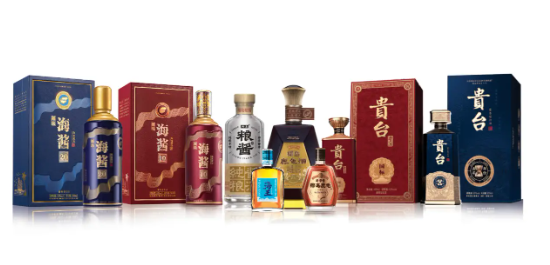
Core Viewpoint - Hainan Yedao, known as the "first stock of health wine," reported a significant decline in revenue and continued losses, raising concerns about its management and market strategy [1][2][4]. Financial Performance - In 2024, Hainan Yedao achieved revenue of only 175 million yuan, marking a 21.97% decline following two consecutive years of nearly 50% decreases [1]. - Cumulative losses since 2015 have reached 794 million yuan, leading to a "*ST" warning and increasing the risk of delisting [2]. - The company's revenue for Q1 2025 further declined by 18.47% to 44 million yuan [4]. Product Performance - Sales of the flagship product, Luguijiu, fell by 44.47%, with a gross margin decrease of 7.87% [4]. - Other product lines, including the white wine series and other alcoholic beverages, also experienced significant revenue declines of 28.27% and 20.84%, respectively [4]. - High-end products, such as the Haijiao Sea Sauce 20, recorded minimal sales, with only 2 purchases noted [7]. Management and Strategy - The management team has faced instability, with the recent departure of General Manager Ma He shortly after the poor performance announcement [1][8]. - Ma He had previously engaged in aggressive marketing strategies, including a nationwide advertising campaign, which did not yield the expected results [10][12]. - The company has shown a high dependency on a limited number of clients and suppliers, with the top five clients accounting for 79.17% of total sales [7]. Market Position - Hainan Yedao's stock price has plummeted by 84.7% from its peak of 32.78 yuan, reflecting a severe loss of investor confidence [13]. - The company is at a critical juncture, facing internal challenges and market pressures that threaten its operational viability and future prospects [13].
海南椰岛2024年财报与 2025 年一季报深度解析:转型阵痛与退市阴影下的生存博弈
Xin Lang Zheng Quan· 2025-04-30 09:33
Financial Performance - In 2024, the company reported a revenue of 175 million, a year-on-year decline of 21.97%, and a nearly 80% decrease from 833 million in 2021 [1] - The net profit attributable to shareholders was a loss of 136 million, with a non-deductible net profit of -142 million, indicating a continuous decline in the core business's profitability [1] - The company faced a significant financial pressure with a debt-to-asset ratio rising to 84.34% [1] Business Challenges - The health wine business, which once contributed significantly to revenue, saw a decline of over 40% in 2024, while the white wine segment's revenue dropped by 28% [2] - New product launches in 2024 failed to alleviate inventory issues, resulting in a low inventory turnover rate of only 0.45 times [2] - Management acknowledged delays in new product development and marketing, leading to insufficient sales contributions and increased operational losses [2] Industry Context - The white wine industry in 2024 experienced a bifurcation, with leading brands like Moutai and Wuliangye seeing revenue growth over 10%, while smaller enterprises faced challenges [3] - The company has shifted its strategic focus towards core business, with liquor revenue accounting for 72.8% and beverage revenue at 25.7% in 2024 [3] - The company lacks high-end brand premium and has not established a competitive advantage in regional markets [3] Financial Support - A state-owned company has provided financial support through loans and guarantees, but the company may require more time to recover [4]