液态食品

Search documents
多部门发布制度文件严管液态食品道路散装运输
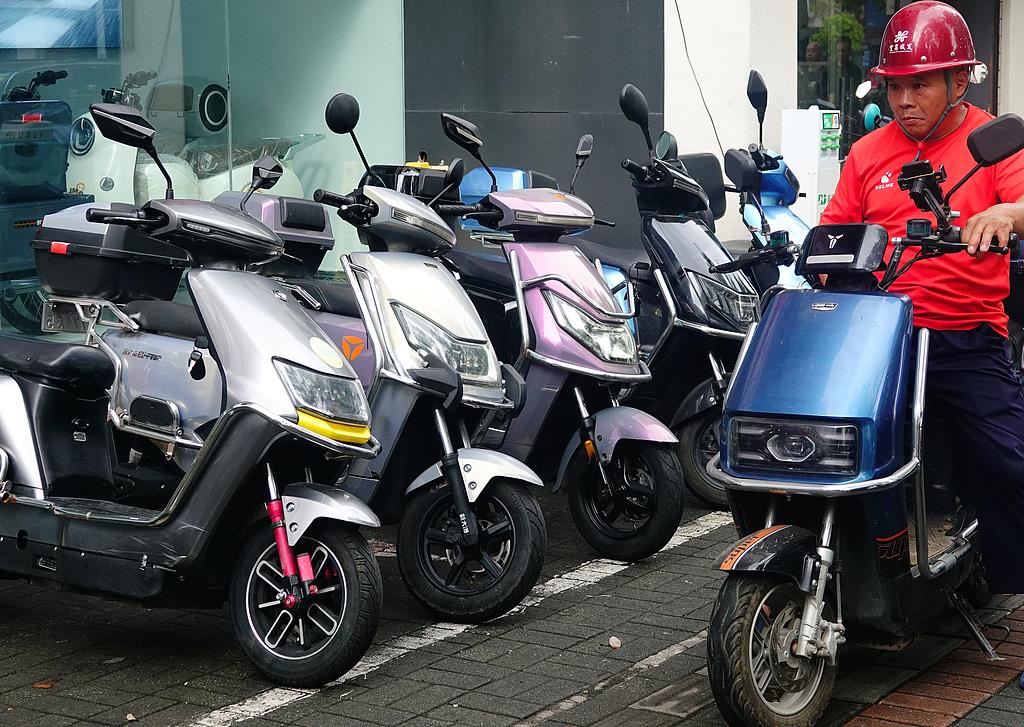
Qi Huo Ri Bao· 2026-02-09 23:01
Core Viewpoint - The recent release of multiple regulatory documents by the State Administration for Market Regulation aims to enhance the management of bulk liquid food transportation, addressing gaps in the current system and improving food safety throughout the supply chain [1][2]. Group 1: Regulatory Framework - The documents include the "Directory of Key Liquid Foods for Road Bulk Transportation Licensing," "Management Measures for Road Bulk Transportation of Key Liquid Foods," and "Work Specifications for the Management of Road Bulk Transportation Delivery Notes" [1]. - These regulations are designed to implement the decisions of the Central Committee and the State Council, as well as the revised Food Safety Law [1]. Group 2: Food Safety Management - The food safety director of the State Administration for Market Regulation stated that a systematic framework has been established for ensuring the safety of bulk liquid food transportation, which includes directory management, strict access control, rigorous process management, full traceability, and standard support [2]. - The framework aims to enhance the governance capacity and risk prevention effectiveness in the transportation of liquid foods, ensuring the safety of food for consumers [2]. Group 3: Licensing and Compliance - The joint announcement by the State Administration for Market Regulation, the Ministry of Transport, and the National Grain and Reserves Administration specifies that 14 categories of liquid foods, including vegetable oils, seasonings, and alcoholic beverages, are included in the licensing management scope [2]. - Transportation operators using tank trucks for the specified liquid foods must obtain the necessary licenses by July 1, 2026 [2].
重磅新规发布:液态食品散装运输许可制度全面推行
Xin Jing Bao· 2026-02-09 10:02
Core Viewpoint - The State Administration for Market Regulation (SAMR) has introduced a series of regulatory documents to enhance the management of bulk liquid food transportation, marking a new phase of "certified transport, full traceability, and closed-loop supervision" in China [2][4][7] Group 1: Regulatory Framework - A comprehensive regulatory framework has been established, consisting of laws, departmental regulations, mandatory standards, and supplementary normative documents, to ensure food safety in bulk liquid food transportation [2][5] - The framework includes the implementation of a licensing system for key liquid foods, which encompasses 5 major categories and 14 subcategories of liquid foods [5][6] Group 2: Management Measures - Five key considerations, referred to as the "Five Ones," have been outlined to address management gaps in bulk liquid food transportation [5] - One directory defines the types of liquid foods subject to transport licensing [5] - One method governs the licensing process, detailing strict conditions and procedures for approval [5][6] - One transport document manages traceability, requiring all parties to accurately record and share information throughout the transportation process [5][6] - One set of standards establishes minimum safety requirements for bulk liquid food transportation [6] - One mechanism strengthens supervision by focusing on risk prevention across the supply chain [6] Group 3: Implementation and Impact - The SAMR has effectively constructed a system for managing bulk liquid food transportation that includes directory management, strict entry controls, rigorous process management, full traceability, and standard support [7] - This system aims to enhance the governance capacity and risk prevention effectiveness in the bulk liquid food sector, ensuring the safety of food for consumers [7]
四川出台实施方案,推动食品安全监管从“各管一段”向“协同治理”转变 守好“从农田到餐桌”每道关口
Si Chuan Ri Bao· 2026-01-23 00:24
Core Viewpoint - The implementation plan aims to enhance food safety regulation in Sichuan by transitioning from segmented oversight to collaborative governance across various sectors, ensuring comprehensive monitoring from farm to table [1][4][5]. Group 1: Regulatory Measures - The plan mandates market regulatory departments to encourage online food delivery platforms to adopt "Internet + Bright Kitchen" practices, enhancing oversight of takeout services and ensuring consumer awareness [1][6]. - It specifies the need for cross-departmental collaboration in regulating emerging business models like mobile food trucks, with a focus on waste management and market entry standards [1][6]. - The plan emphasizes the optimization of the food supply chain for schools, promoting the implementation of "Internet + Bright Kitchen" in school cafeterias [1][7]. Group 2: Technological Integration - The initiative promotes the integration of technology in food safety, including the enhancement of the "Sichuan Smart Monitoring" platform and the implementation of real-time monitoring for cold chain transport vehicles [4][5]. - It encourages the installation of temperature and humidity monitoring devices in transportation to ensure traceability and accountability throughout the food supply chain [5]. Group 3: Collaborative Governance - The plan outlines a shift from isolated regulatory efforts to a coordinated approach, addressing the complexities of food safety across multiple sectors and enhancing data sharing among departments [4][5]. - It introduces innovative community governance models, such as involving delivery personnel in oversight roles and conducting regular inspections based on consumer feedback [4]. Group 4: Risk Management - The implementation plan aims to establish a comprehensive information system for food safety that allows for traceability and risk control, addressing issues like pesticide residue through targeted strategies [5]. - It sets clear collaborative regulatory requirements for the transportation and delivery of liquid and perishable foods, ensuring safety throughout the logistics process [5].
12月起,这些新规将影响你我生活
Yang Shi Xin Wen· 2025-11-28 21:49
Group 1: Food Safety Regulations - The new Food Safety Law will take effect on December 1, requiring transport operators to clearly mark food transport containers and adhere to cleaning regulations [2] - The new regulations prohibit the falsification of transport records and cleaning certificates for key liquid food items [2] Group 2: Electric Bicycle Standards - Starting December 1, all electric bicycles sold must comply with the new mandatory national standard GB 17761—2024, leading to a complete halt of sales for products under the old standard [3] - Consumers are advised to look for CCC certification marks and product compliance certificates when purchasing electric bicycles [3] Group 3: Chain Restaurant Responsibilities - New regulations effective December 1 will hold chain restaurant headquarters accountable for food safety management, addressing issues of lax oversight at franchise locations [5] - Chain restaurants must have a designated headquarters with the necessary management capabilities and food safety licenses [5] Group 4: Credit Repair System - The Market Supervision Administration's new credit repair management measures will be implemented on December 25, expanding the scope of credit repair for restructured and reconciled enterprises [7] - The measures will enhance the classification of dishonest information and streamline the credit repair process [7] Group 5: Resource Tax Regulations - New resource tax regulations will take effect on December 1, clarifying tax obligations for various entities and exempting certain materials used in construction projects from resource tax [8] Group 6: Medical Mask Standards - The revised national standard for medical protective masks will be implemented on December 1, prohibiting the use of breathing valves in disposable masks [9] - The new standard mandates clear labeling on the smallest sales unit, including expiration dates and compliance information [9]