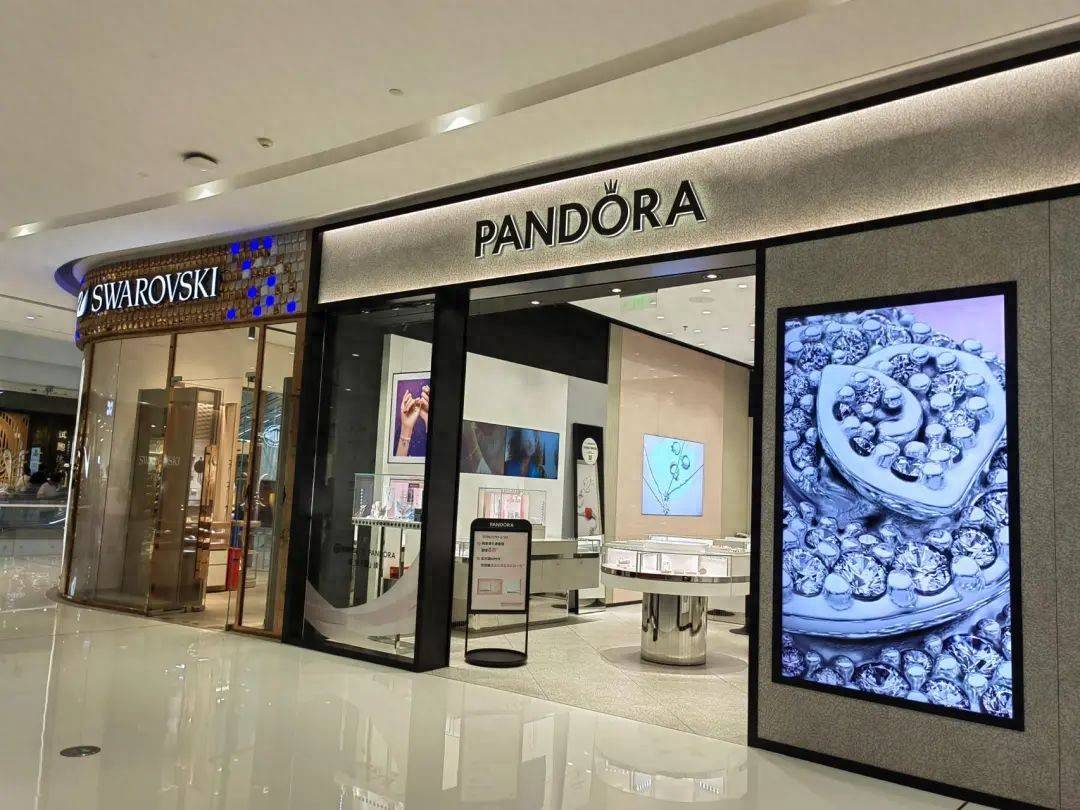
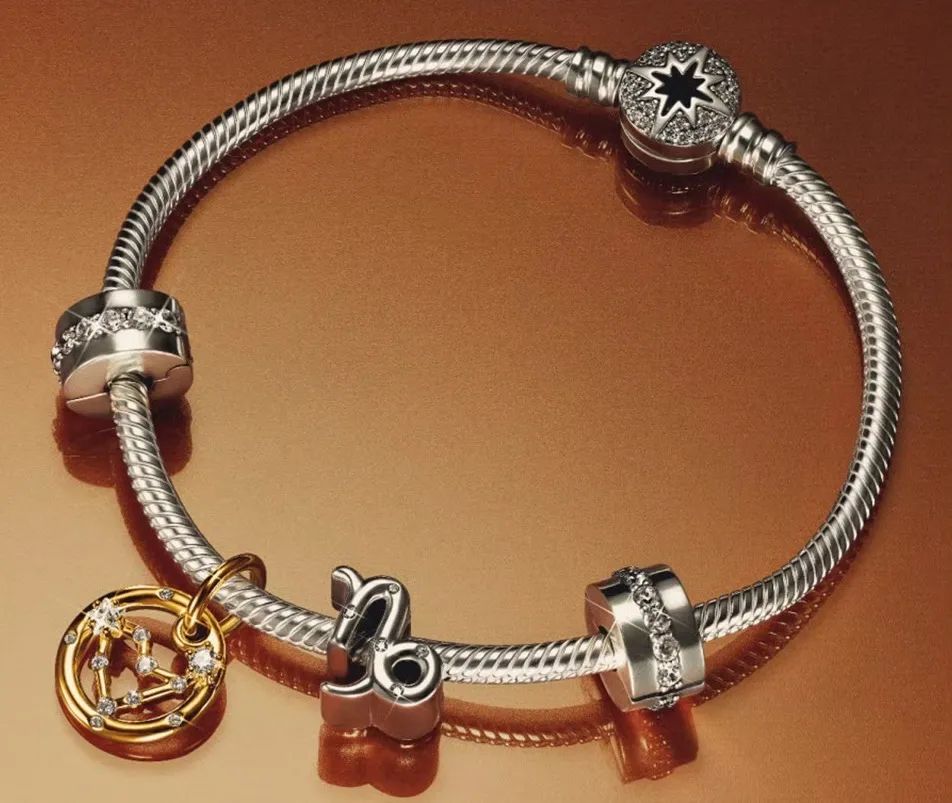
潘多拉手链

Search documents
从巅峰到裁员关店,一年蒸发60%市值:潘多拉魔盒打开了什么?
Sou Hu Cai Jing· 2026-01-20 07:36
Core Viewpoint - Pandora, a representative of the affordable luxury jewelry sector, has faced a significant decline in stock price, dropping 60% in 2025, leading to widespread discussions in the jewelry industry about its future and the challenges it faces [1]. Group 1: Expansion and Profitability - The affordable luxury segment saw a remarkable expansion, with Pandora capitalizing on a market gap in the mid-range jewelry sector, which was previously dominated by high-end luxury brands and low-cost alternatives [1]. - Pandora entered the Chinese market in 2015, leveraging emotional marketing and a DIY model, resulting in over 240 stores within four years and accounting for 9% of its global revenue by 2019 [3]. - A turning point in profitability occurred in 2021 when Pandora's sales in China began to decline, halving from 11.26 billion Danish Krone in 2021 to 5.64 billion Danish Krone in 2023 [5]. Group 2: Cost Pressures and Market Challenges - Rising raw material costs, particularly silver, which constitutes over 40% of production costs, have significantly squeezed Pandora's profit margins, with silver prices reaching a 15-year high starting in 2024 [10]. - Despite initiating a price increase strategy, the high price sensitivity in the affordable luxury market led to consumer loss, as the brand's positioning was compromised [11]. - Operational costs have surged, with the proportion of costs to revenue increasing from 28% in 2019 to 35% in 2025, prompting Pandora to double its planned store closures in China from 50 to 100 [13]. - Currency fluctuations and geopolitical factors have further exacerbated cost pressures, particularly affecting exports to the U.S. due to increased tariffs [15][17]. Group 3: Shifts in Consumer Behavior and Competition - Changing consumer attitudes have led to a re-evaluation of product value, with a growing preference for items that retain value and practicality, contrasting with Pandora's initial emotional appeal [19]. - The second-hand market shows that Pandora's products lack strong resale value, with prices significantly lower than retail, indicating a shift in consumer expectations towards value retention [21]. - Intense competition has emerged as high-end brands introduce affordable luxury lines, and local brands like Chow Tai Fook and emerging brands like HEFANG capture market share with trendy, value-retaining products [23][24]. - As a result, Pandora has had to increase marketing efforts to maintain market share, with same-store sales growth in the U.S. at only 2% in Q4 2025, below the annual average of 6% [26]. Group 4: Strategic Recommendations for the Industry - To adapt to rational consumer behavior, affordable luxury brands must balance emotional value with practical attributes, potentially incorporating materials like gold and diamonds to enhance product value [28][30]. - Brands should optimize their channel structures, focusing on quality over quantity in store locations, and consider a hybrid model of online and community stores to reduce operational costs [32]. - Understanding industry trends is crucial, as the primary consumer base shifts towards Gen Z, who prioritize personalization and value, necessitating product designs that cater to everyday use and social contexts [33][34]. - The case of Pandora serves as a cautionary tale for the industry, highlighting the need for innovation and a focus on core competencies to achieve sustainable growth in a competitive landscape [35].

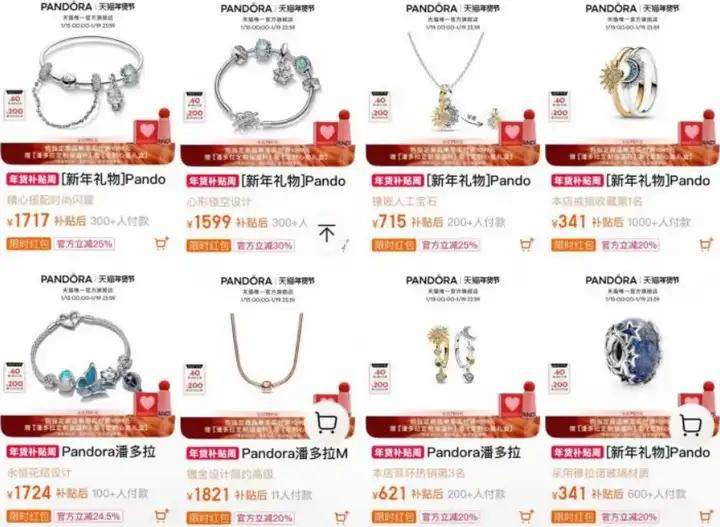
潘多拉关店要超百家?网红轻奢品怎么不好卖了?
Sou Hu Cai Jing· 2025-08-29 04:09
Group 1 - The core point of the article highlights that Pandora, once a popular light luxury jewelry brand, is facing significant challenges, including plans to close over 100 stores in China, which marks a stark contrast to its previous growth trajectory [1][3][5] - Pandora's unique selling proposition was its DIY product model, allowing consumers to create personalized jewelry, which initially resonated well with the rising middle class in China [3][5] - The brand experienced rapid expansion in China, with sales growth of 175% in 2016 and reaching revenues of 19.7 billion Danish kroner (approximately 21.3 billion RMB) by 2019, accounting for 9% of global revenue [3][4] Group 2 - Recent financial reports indicate a significant decline in Pandora's sales in China, with Q1 2025 sales dropping to 96 million Danish kroner, an 11% decrease from 2023, and a further 15% decline in Q2 [4] - The shift in consumer behavior towards practicality and value has negatively impacted Pandora, as its products are perceived as less durable and lacking in investment value compared to alternatives like gold [8][9] - The changing consumer preference from decorative to asset-based luxury items has further squeezed Pandora's market position, as consumers now prioritize long-term value and practicality over brand and aesthetics [9][11] Group 3 - The article suggests that the decline of Pandora reflects a broader trend in the Chinese luxury market, where consumers are becoming more rational and focused on the long-term value of products [11] - To remain competitive, companies must adapt to changing consumer demands by adjusting product strategies and brand positioning to align with the evolving values of consumers [11]
潘多拉大批关店:曾经买不起的,现在“嫌弃”了
Sou Hu Cai Jing· 2025-08-22 02:25
Core Viewpoint - Pandora, once a beloved brand among young consumers, is now facing significant challenges in the Chinese market, leading to the decision to close 100 stores this year, reflecting a shift in consumer preferences and a lack of innovation from the brand [2][3][6]. Group 1: Store Closures and Market Performance - Pandora plans to double its store closure from an initial 50 to 100 in China, indicating a rapid contraction in its market presence [3]. - The brand has already closed 22 stores in the first half of 2025, with a total of 12 concept stores closed in Q2 2025 alone [4][6]. - As of August 20, 2025, Pandora has 187 stores in mainland China, down from over 250 at its peak in 2015 [4]. Group 2: Financial Performance - In Q2 2025, Pandora reported a revenue of 7.075 billion DKK, showing an organic growth of 8% globally, but the Chinese market continues to struggle [5][6]. - Revenue in the Chinese market has plummeted nearly 80% from 19.70 billion DKK in 2019 to 4.16 billion DKK in 2024, with comparable sales down 21% in 2024 and further declining in 2025 [6]. Group 3: Consumer Sentiment and Brand Positioning - Consumers are increasingly viewing Pandora as outdated, with complaints about product quality and value retention, leading to a decline in emotional attachment to the brand [7][8]. - The brand's positioning as a "light luxury" option is under pressure, as younger consumers gravitate towards more valuable and personalized products, such as gold and trendy collectibles [8][9]. - Industry experts highlight that Pandora faces structural challenges in its business model, struggling to provide the emotional value of luxury goods while lacking the cost-effectiveness of mass-market products [9].
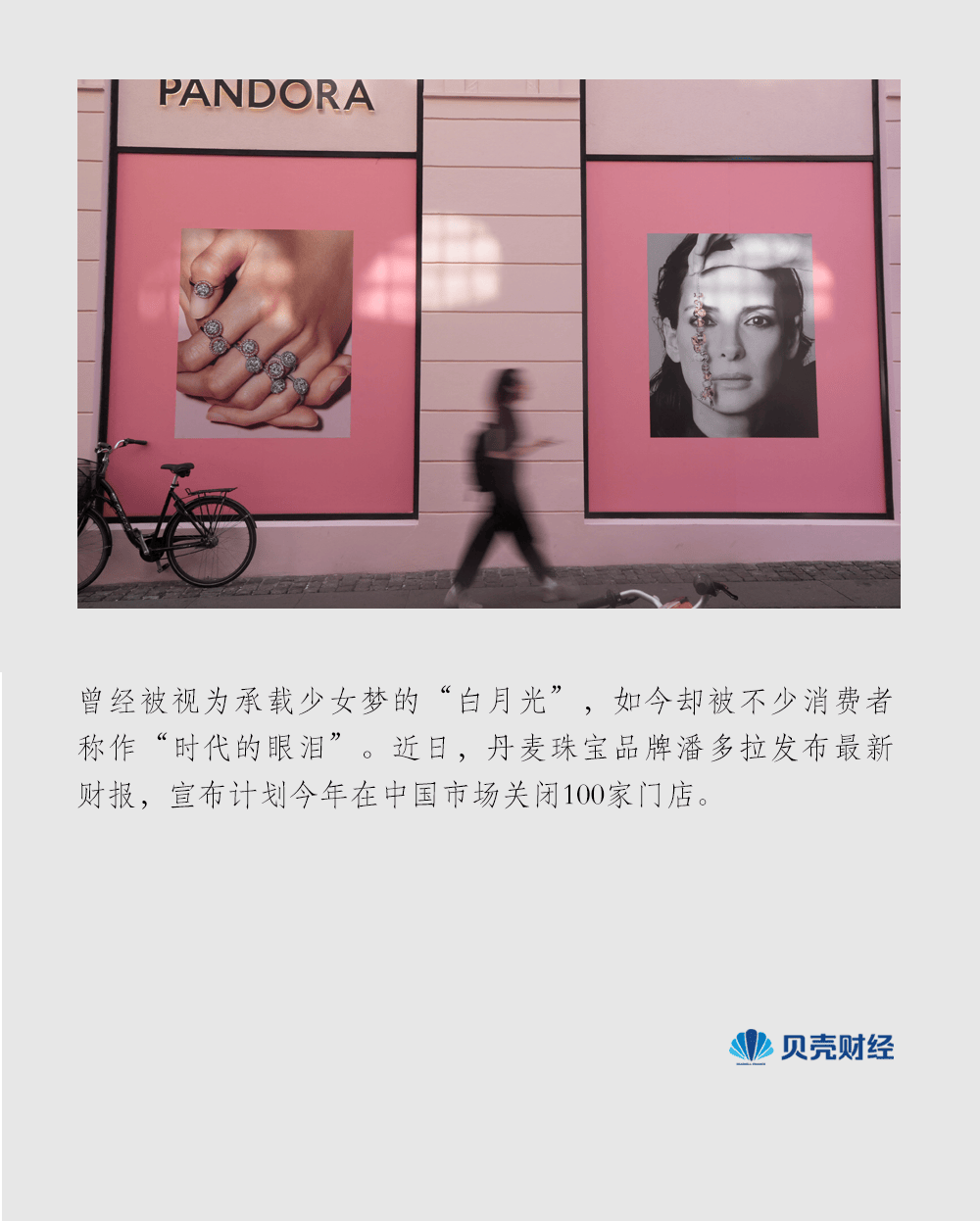
关店、裁员,“潘多拉”的魔盒失效了?
3 6 Ke· 2025-08-22 00:35
Core Insights - The jewelry market is experiencing a shift where younger consumers are becoming more rational, favoring high-end brands over mid-range options that lack value retention or prestige [1][5][12] Group 1: Pandora's Performance - Pandora plans to close up to 100 stores in China, increasing from an initial estimate of 50 [1][2] - In Q2, Pandora reported sales of 7.08 billion Danish Krone (approximately 7.916 billion RMB), slightly below analyst expectations [1] - Comparable sales in China fell by 15%, marking a significant decline in the brand's performance in the region [2][4] Group 2: Historical Context - Pandora entered the Chinese market in 2015 and rapidly expanded, reaching over 240 stores by 2019, with sales peaking at 19.7 billion Danish Krone (approximately 22.02 billion RMB) [2][4] - Since 2021, Pandora's sales in China have been declining, dropping from 11.26 billion Danish Krone (approximately 12.59 billion RMB) in 2021 to an estimated 4.16 billion Danish Krone (approximately 4.65 billion RMB) in 2024 [4] Group 3: Product and Market Challenges - Pandora's products, primarily made from alloys and 925 silver, lack value retention, making them less appealing to consumers [5][7] - The brand faces increased competition from established luxury brands that have introduced lower-priced items targeting younger consumers [5][11] - The resale market for Pandora products shows significant depreciation, with second-hand prices often dropping to a fraction of the original retail price [7] Group 4: Broader Industry Trends - Other jewelry brands, such as Chow Tai Fook and Lao Feng Xiang, are also experiencing declines in revenue and profitability, indicating a broader trend affecting mid-range jewelry brands [8][11] - Chow Tai Fook reported a 17.5% decline in revenue for the fiscal year 2025, while Lao Feng Xiang saw a 20.5% drop in revenue for 2024 [8][11] - The overall market is shifting, with brands needing to either elevate their positioning or ensure their products retain value to remain competitive [12]
“少女梦”潘多拉大规模关店 轻奢饰品“不保值”被年轻人抛弃
Xin Jing Bao· 2025-08-21 16:31
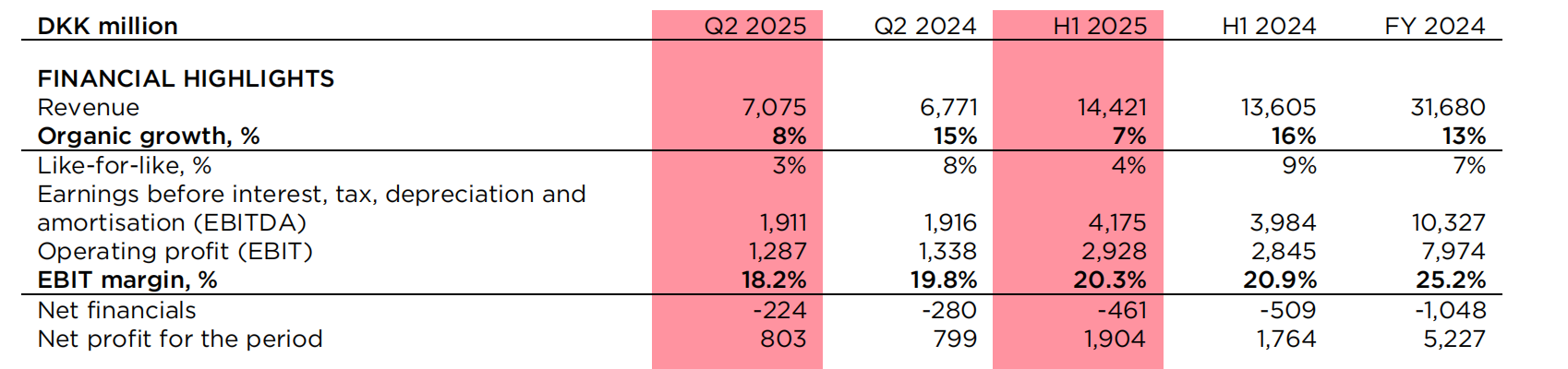
Core Insights - Pandora, once a beloved brand among young consumers, is now facing significant challenges in the Chinese market, leading to the decision to close 100 stores this year [1][2] - The brand's decline reflects a shift in consumer preferences, with younger generations moving away from traditional luxury items towards more innovative and personalized products [1][6] Financial Performance - In Q2 2025, Pandora reported a revenue of 7,075 million DKK, showing an organic growth of 8% compared to 15% in Q2 2024 [3] - The company's net profit for the period was 803 million DKK, slightly up from 799 million DKK in the previous year [3] - However, Pandora's sales in China have been declining sharply, with revenues dropping from 19.70 billion DKK in 2019 to 4.16 billion DKK in 2024, a nearly 80% decrease [5] Market Strategy - The company initially planned to close 50 stores in China but has now doubled that number to 100, indicating a more aggressive retreat from the market [2] - As of August 20, 2025, Pandora has 187 stores in mainland China, down from a peak of over 250 since its entry in 2015 [2] Consumer Sentiment - Social media reactions to Pandora's decline are mixed, with some consumers reminiscing about the brand's past appeal while others view it as a relic of a bygone era [6] - The emotional value once associated with Pandora's products is diminishing, as consumers express dissatisfaction with product quality and maintenance issues [6] Competitive Landscape - The rise of alternative markets, such as gold and trendy collectibles, is drawing younger consumers away from Pandora, which is perceived as lacking in innovation and emotional connection [7][8] - The overall light luxury segment, including brands like Michael Kors, is facing structural challenges, with many brands reducing their physical presence in the market [8]
知名公司突曝:大规模裁员!曾红极一时,将关闭100家门店
Sou Hu Cai Jing· 2025-08-20 06:28
Core Viewpoint - Pandora, the Danish jewelry brand, is significantly scaling up its store closures in China from an initial plan of 50 to 100 stores, alongside simultaneous layoffs in the region [1][3]. Group 1: Financial Performance - In Q1 2025, Pandora's sales in China were only 96 million kronor, a decline of 11% compared to 2023 [3]. - In Q2, comparable sales in the Chinese market dropped by 15%, while the group's overall comparable sales increased by 3% during the same period [3]. - The revenue share of Pandora in the Chinese market has decreased from 9% in 2019 to just 1% in 2025 after several years of decline [3]. Group 2: Market Strategy and Consumer Perception - Pandora's unique selling proposition is its "bracelet + charm" DIY product model, which has attracted many young female consumers since its entry into the Chinese market in 2015 [4]. - Despite its popularity, consumer feedback is mixed, with many expressing dissatisfaction regarding the quality of materials used, such as alloys and 925 silver, which are prone to oxidation and devaluation [5][8]. - Some consumers prioritize emotional value over investment value, stating that the joy of purchasing jewelry is more important than its resale value [5].
知名品牌宣布:中国市场销量下滑,将关闭100家门店并裁员
Mei Ri Jing Ji Xin Wen· 2025-08-19 12:58
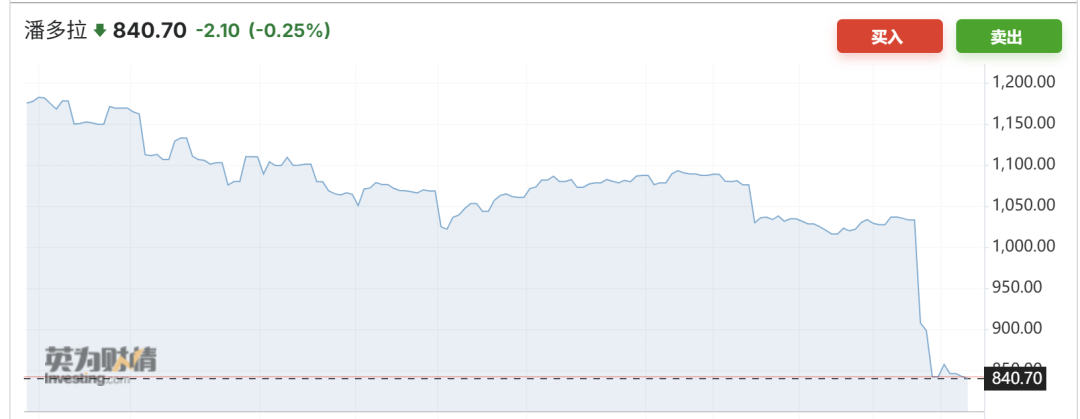
Core Viewpoint - Pandora, a well-known Danish jewelry brand, announced a significant increase in its store closure plan in China, from 50 to 100 stores, amid declining sales in the region, leading to a nearly 20% drop in its stock price from August 15 to August 18 [1][6]. Sales Performance - Pandora's sales in China have drastically declined from 11.26 billion Danish kroner (approximately 1.62 billion USD) in 2021 to 5.64 billion Danish kroner (approximately 814.4 million USD) in 2023 [6][7]. - The company's comparable sales growth rate slowed from 6% in the previous quarter to 3%, below analysts' expectations of 4% [6]. - In the second quarter of 2025, Pandora's sales in China fell by 15%, with the revenue share from the Chinese market dropping from 9% to 1% over several years [7]. Market Strategy - There are reports suggesting that Pandora may exit the Chinese market and shift to a model where local retailers operate its business [8]. - The brand's unique selling proposition, which includes a DIY product model centered around charm bracelets, has not been sufficient to maintain its market position in China [4]. Consumer Sentiment - Consumer feedback on Pandora products has been mixed, with many expressing dissatisfaction regarding the quality and value retention of the jewelry, which is primarily made from alloys and silver [10][12]. - The resale value of Pandora items has plummeted, with second-hand prices for bracelets and charms significantly lower than their original retail prices [12]. Competitive Landscape - The rise of local jewelry brands, particularly those focusing on gold, has shifted consumer preferences towards products perceived as more valuable and durable [12]. - In contrast, Pandora's global revenue continues to grow, with an annual organic sales growth forecast of 7%-8% and an operating profit margin of around 24% [12]. Production and Cost Factors - The price of silver, a key raw material for Pandora, is near a 15-year high, impacting production costs [13]. - The company has raised prices three times since last fall to offset rising raw material costs and import tariffs in the U.S., its largest market [13].
知名品牌突发:裁员!关闭100家门店!深圳人都买过……
Sou Hu Cai Jing· 2025-08-19 07:05
Core Viewpoint - Pandora, the Danish jewelry brand, has announced a significant increase in its store closure plan in China, doubling from 50 to 100 stores, alongside layoffs in the affected locations [2][6]. Group 1: Financial Performance - In Q1 2025, Pandora's sales in China were only 96 million kronor, a decline of 11% compared to 2023 [6]. - In Q2 2025, comparable sales in the Chinese market fell by 15%, while the overall group saw a 3% increase in comparable sales during the same period [6]. - The revenue share of Pandora's Chinese market has dropped from 9% in 2019 to just 1% in 2025 [6]. Group 2: Market Presence and Strategy - The brand has experienced a shift in its retail strategy, moving from independent stores to counters and now to closures in various cities like Qingdao and Nanjing [2]. - There are reports suggesting that Pandora may exit the Chinese market entirely, opting instead to operate through local retailers [6]. Group 3: Consumer Sentiment and Product Perception - Consumers have mixed feelings about Pandora's products, with some expressing dissatisfaction regarding the quality and value retention of the jewelry, which is primarily made from alloys and silver [9][10]. - The resale value of Pandora items has significantly decreased, with second-hand prices for bracelets and charms dropping to as low as 10-30 yuan each, despite original prices being much higher [10].

知名品牌突发:裁员!关闭100家门店!很多人买过→
Sou Hu Cai Jing· 2025-08-19 05:16
Core Viewpoint - Pandora, the Danish jewelry brand, announced a significant increase in its store closure plan in China from 50 to 100 stores, despite facing a 15% decline in sales in the Chinese market during Q2 [1][3]. Group 1: Financial Performance - In Q1 2025, Pandora's sales in China were only 96 million Danish kroner, down 11% from 2023, while Q2 saw a further 15% decline in comparable sales, contrasting with a 3% increase in the group's overall comparable sales [3]. - The company's overall revenue for Q2 was 7.075 billion Danish kroner, up from 6.771 billion Danish kroner in the same period last year, with an EBIT of 1.287 billion Danish kroner and a net profit of 800 million Danish kroner [3]. Group 2: Market Dynamics - The revenue share of Pandora in the Chinese market has dropped from 9% in 2019 to just 1% in 2025, indicating a significant decline in market presence [3]. - Despite challenges in China, Pandora's global market, particularly in the U.S., continues to show growth, driven by strong consumer demand during events like Mother's Day [3]. Group 3: Consumer Sentiment - Consumer feedback on Pandora's products is mixed, with some expressing dissatisfaction due to issues like oxidation and the use of materials that do not retain value [4][9]. - While some consumers criticize the brand for quality concerns, others maintain that the emotional value of the jewelry outweighs these issues, emphasizing the joy it brings [4].
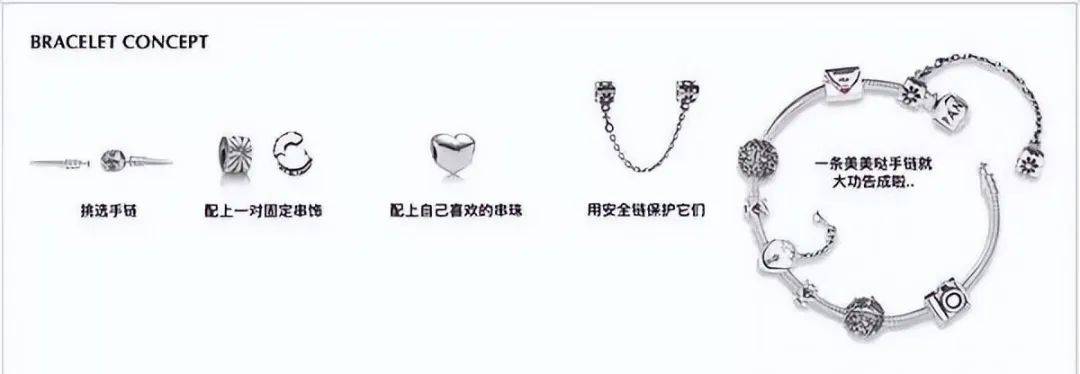
知名公司突曝:国内大规模裁员!将关闭100家门店
Sou Hu Cai Jing· 2025-08-19 02:17
Core Viewpoint - Pandora, the Danish jewelry brand, is significantly scaling up its store closures in China from an initial plan of 50 to 100 stores, alongside a simultaneous layoff plan for its sales staff [1][5]. Group 1: Financial Performance - In Q1 2025, Pandora's sales in China were only 96 million kronor, a decline of 11% compared to 2023 [5]. - In Q2 2025, comparable sales in the Chinese market dropped by 15%, while the overall group saw a 3% increase in comparable sales during the same period [5]. - The revenue share of Pandora's Chinese market has decreased from 9% in 2019 to just 1% in 2025 [5]. Group 2: Market Presence and Strategy - The brand has faced challenges in China, with stores in cities like Qingdao and Nanjing transitioning from independent stores to counters, and some being completely closed [1][3]. - There are reports suggesting that Pandora may exit the Chinese market entirely, opting instead to operate through local retail partners [5]. Group 3: Consumer Perception - Consumer feedback on Pandora's products is mixed, with some expressing dissatisfaction due to issues like oxidation and low resale value, while others appreciate the brand for its emotional value and enjoyment [6][9]. - The brand's unique selling proposition is its DIY product model, which allows consumers to create personalized jewelry, appealing particularly to young women since its entry into the Chinese market in 2015 [7].