潦草小狗

Search documents
你喜欢“潦草”文创吗?
Jing Ji Ri Bao· 2026-01-25 09:22
Core Insights - The rise of "Lao Cao" cultural products, such as "Lao Cao Little Horse" and "Lao Cao Little Dog," reflects a successful capture of consumer emotional needs, positioning emotional value as the core competitive advantage in the cultural and creative economy [1][2] Group 1: Emotional Consumption - The popularity of "Lao Cao" products stems from a precise understanding of the emotional consumption trend, with the "Lao Cao Little Horse" embodying a unique spirit of "carefree yet wild" that resonates with consumers [2] - Consumers feel empowered by owning a "Lao Cao Little Horse," which symbolizes freedom of expression and personal style [2] Group 2: Cross-Industry Collaboration - The "Lao Cao" IP has created a commercial ecosystem through cross-industry collaborations, integrating into daily consumption scenarios via partnerships with coffee and chocolate brands [2] - This integration fosters a complete chain of "content seeding—product consumption—social dissemination," enhancing the cultural symbol's influence and driving the collaborative development of related industries such as design and tourism [2] Group 3: Simplified Creativity - Despite the name "Lao Cao," these cultural products are not poorly made; they represent a wisdom of simplification, accurately distilling cultural symbols rather than oversimplifying them [2][3] - The "Lao Cao Little Horse" draws inspiration from Qi Baishi's painting, while the "Lao Cao Little Dog" captures the daily life of pets through simple yet profound artistic expression [2] Group 4: Emotional Connection - The success of "Lao Cao" cultural products highlights that the competitiveness of cultural and creative products ultimately returns to emotional care and value recognition for consumers [3] - By embracing authenticity over perfectionism, these products resonate more deeply with consumers, demonstrating that the essence of creativity lies in emotional connections rather than complex designs [3]


被上亿人围观的“顶流小狗”,击中全球年轻人
3 6 Ke· 2025-11-14 07:26
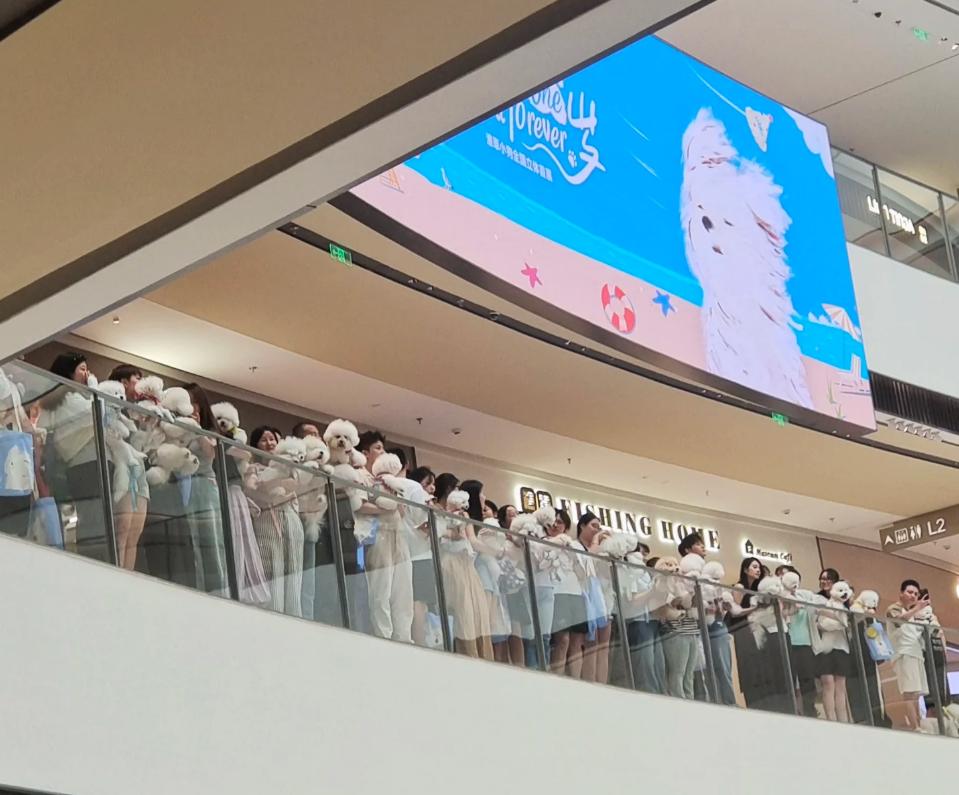
Core Insights - The article discusses the rising popularity of the "Lazy Dog" IP, which has captivated a large audience, particularly among young people, through its emotional resonance and relatable themes [1][10][30] Group 1: Popularity and Cultural Impact - The "Lazy Dog" has generated significant buzz on social media platforms, with over 1.2 billion discussions on Douyin and thousands of notes on Xiaohongshu [3] - The character has been featured in high-profile exhibitions, including one at the Kaikai Kiki gallery founded by renowned artist Takashi Murakami, indicating its cultural significance [4] - The character's appeal transcends traditional demographics, attracting a diverse audience including men, children, and the elderly during exhibitions [25] Group 2: Creator and Origin - The original creator of the "Lazy Dog" is Korean artist YEYE, who transitioned from a corporate job to become a children's book author [14] - The character was inspired by YEYE's own dog, Moonge, and reflects her personal experiences and emotional journey [16][20] - The character's backstory includes themes of companionship and healing, resonating deeply with audiences [22][24] Group 3: Marketing and Collaborations - The success of the "Lazy Dog" is partly attributed to strategic collaborations with major brands like Luckin Coffee, which launched a limited-time product featuring the character [32][35] - The character has become a marketing phenomenon, with brands leveraging its popularity to enhance their own visibility and appeal [37] - The rise of "emotional consumption" among younger consumers has created a lucrative market for IP collaborations, as seen in the surge of partnerships in the beverage industry [38][40] Group 4: Market Trends - The global IP licensing market has surpassed 2 trillion yuan, with China's market expected to grow significantly, indicating a robust demand for emotional and relatable IPs [42] - The trend of emotional consumption is reshaping consumer behavior, with brands increasingly focusing on emotional value to attract younger audiences [44]