潮牌

Search documents
县城老家的高物价,刺痛了谁?
虎嗅APP· 2026-02-19 13:23
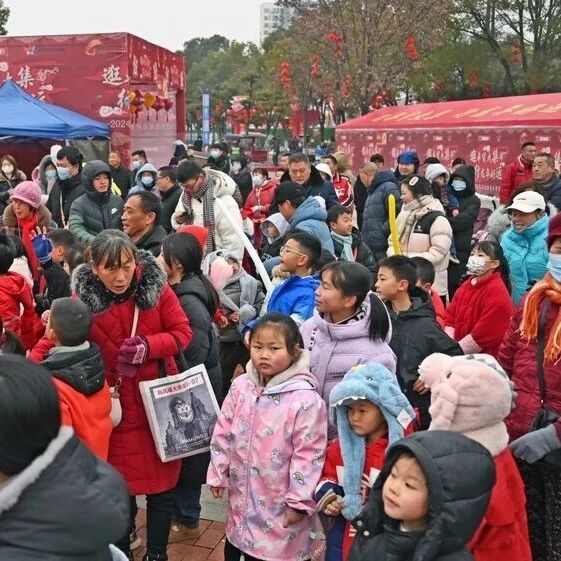
Core Viewpoint - The article discusses the surprising high prices in small towns during the Chinese New Year, highlighting a discrepancy between local wages and consumer prices, which has become a trending topic on social media [11][12]. Group 1: Price Discrepancy - The prices of goods in small towns can exceed those in major cities, with examples such as cherries priced at 343 yuan for 2.5 kg in a small town compared to 198 yuan in Shanghai [8]. - Other examples include bottled water priced at 12 yuan, imported chocolates at 388 yuan, and lower-grade Australian beef at 158 yuan per pound, all of which are higher than similar products in larger cities [9]. Group 2: Consumer Behavior - The article identifies a unique consumer demographic in small towns, referred to as "county Brahmins," which includes local government employees and those with strong social networks, who have a higher "real disposable income" despite lower nominal wages [14][15]. - This demographic's consumption patterns significantly influence local pricing, as they are willing to pay premium prices for goods and services, thereby raising market expectations [15]. Group 3: Social and Cultural Factors - Consumption in small towns is deeply intertwined with social status and cultural expectations, where spending is often driven by the need to maintain face and social standing [18][19]. - The phenomenon of "face consumption" leads to higher prices, as businesses set prices based on perceived social value rather than just cost [18]. Group 4: Psychological Impact on Returnees - Returnees, like the character Chen Mo, experience a psychological shock when confronted with high prices in their hometowns, leading to feelings of inadequacy and self-doubt [19][20]. - The article suggests that this psychological impact is exacerbated by the contrast between their urban lifestyles and the economic realities of their hometowns, creating a sense of "floating" without stable ground [20].

报告:高净值人群对高奢品牌热情度下降,实用性服饰热情度上升
Jin Rong Jie· 2026-01-30 07:32
Group 1 - The report indicates a significant decline in the enthusiasm of high-net-worth individuals for luxury brands, dropping by 12 percentage points [1] - There is a notable increase in the interest for practical clothing, which emphasizes comfort over brand, rising by 14 percentage points [1] - The interest in custom-made clothing remains stable compared to last year, while the enthusiasm for trendy brands has slightly decreased by 5 percentage points [1] Group 2 - The overall interest in the second-hand luxury goods market has significantly decreased, with 41% of high-net-worth individuals indicating they would purchase second-hand luxury items, a drop of 24 percentage points from last year [1] - Among those willing to buy second-hand luxury items, handbags and accessories are the preferred choices, followed by jewelry [1] Group 3 - There is a marked decline in the enthusiasm for high-end watches, with the planned purchases dropping from an average of 2.8 watches last year to just 1 this year [1] - Additionally, 59% of respondents do not plan to purchase any watches in the coming year [1]
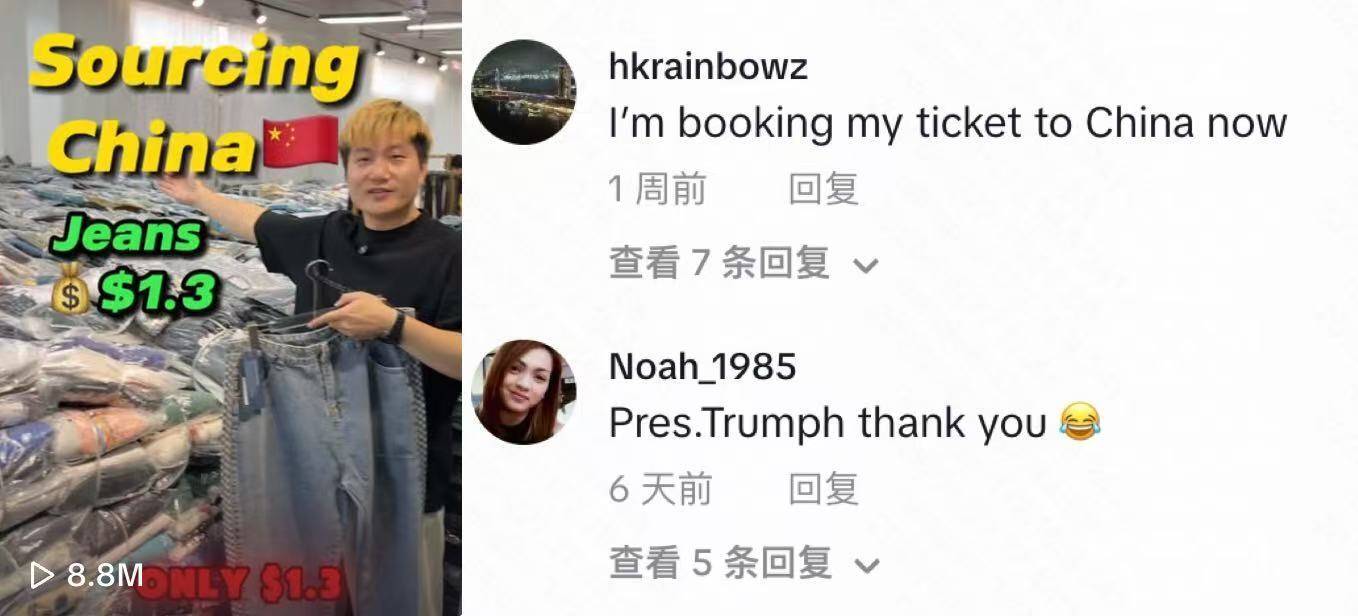
特朗普让我的中美反向代购梦,死灰复燃?
Hu Xiu· 2025-04-29 07:43
Core Viewpoint - The article discusses the resurgence of cross-border purchasing from China to the U.S. driven by rising consumer prices in the U.S. and the appeal of lower-cost Chinese goods, particularly through platforms like TikTok and DHgate [1][5][10]. Group 1: Consumer Behavior and Trends - American consumers are increasingly seeking cheaper purchasing channels due to high inflation and tariffs on Chinese goods, leading them to platforms that connect directly with Chinese sellers [3][5]. - TikTok videos showcasing low-cost luxury goods from China have sparked significant interest among U.S. consumers, pushing these shopping apps to the top of the App Store rankings [2][3]. - The trend of reverse purchasing is evolving, with consumers actively looking for affordable options from China, marking a shift in purchasing behavior [10][11]. Group 2: Business Model and Structure - Reverse purchasing is characterized as a decentralized model that relies on trust and personal connections rather than traditional e-commerce platforms [11][21]. - This model allows consumers to engage directly with sellers through social media, creating a flexible and efficient supply chain that bypasses conventional retail structures [11][21]. - The article highlights that the reverse purchasing model is not merely a return to old practices but represents a new narrative for Chinese manufacturing's global outreach [23][48]. Group 3: Challenges and Opportunities - Despite the potential for growth, the reverse purchasing model faces significant challenges, including regulatory pressures, payment system uncertainties, and reliance on domestic platforms for sourcing [40][42][44]. - The article notes that only a few platforms have achieved stable profitability, indicating a competitive and challenging market environment [39]. - The demand for Chinese goods remains strong, suggesting that as long as there is consumer interest, this business model will continue to thrive despite its complexities [45][46]. Group 4: Future Implications - The shift from platform-based to relationship-based commerce signifies a critical evolution in how Chinese manufacturers engage with global consumers [48]. - This new approach is expected to enhance the understanding of customer needs and brand recognition among Chinese sellers, which is essential for their global expansion [49].