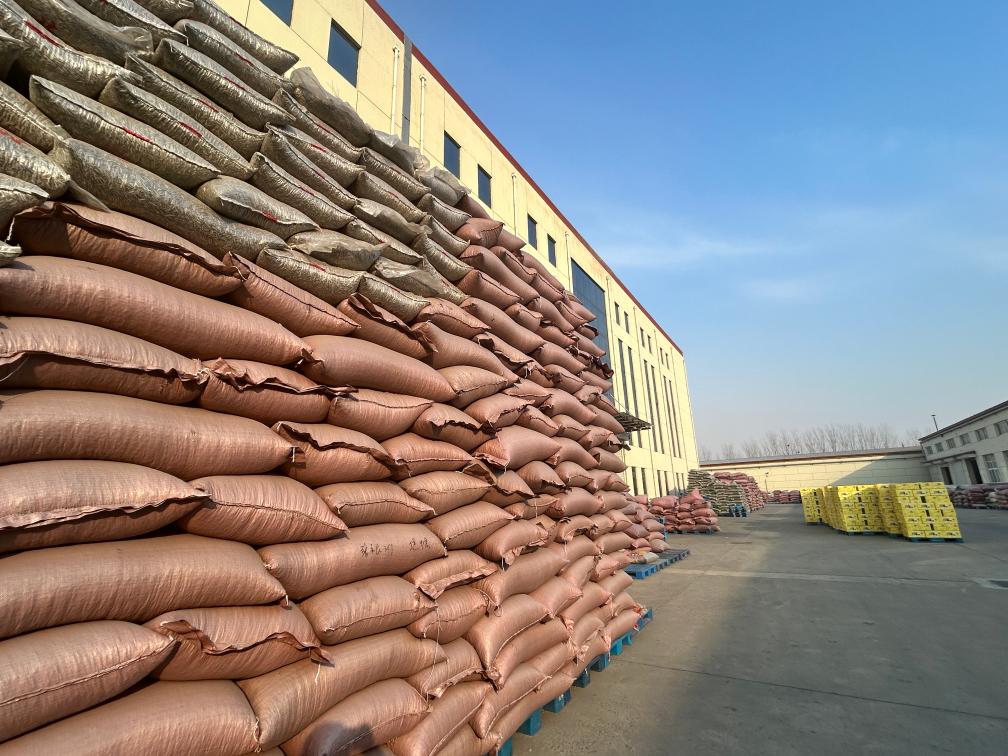
炒瓜子

Search documents
过年零食不能少 警惕这些高盐高糖“陷阱”
Yang Shi Xin Wen Ke Hu Duan· 2026-02-14 00:57
Core Viewpoint - The article emphasizes the health risks associated with high-salt and high-sugar snacks during the festive season, urging consumers to be cautious about their dietary choices. Group 1: High-Salt Foods - The Chinese dietary guidelines recommend daily sugar intake not exceeding 25 grams and salt intake not exceeding 5 grams [2] - 100 grams of beef jerky can contain up to 3 to 5 grams of salt [2] - 100 grams of spiced or salted sunflower seeds may contain 2 to 3 grams of salt [3] - Various spicy and barbecued flavored bean products, as well as snacks like chips, shrimp chips, and rice cakes, are identified as high-salt "hotspots" [4] - High-salt foods can increase the burden on the kidneys, potentially leading to water retention and fluctuations in blood pressure, which raises the risk of cardiovascular diseases [7] Group 2: High-Sugar Foods - Approximately 50 grams of preserved plums can contain up to 15 to 20 grams of sugar [5] - Processed foods, including biscuits, instant noodles, and traditional pastries, often contain hidden sugars and salts [6] - High sugar intake can cause significant fluctuations in blood sugar levels, particularly for individuals with diabetes or those at risk [7] Group 3: Identifying High-Salt and High-Sugar Foods - Consumers are advised to check ingredient lists, as the order of ingredients is arranged from most to least in terms of quantity; if salt and sugar appear early in the list, the product is likely high in these components [8] Group 4: Concerns About Sugar Substitutes - "Sugar-free" drinks often contain sweeteners, which are not considered 100% safe; they can alter gut microbiota and affect insulin secretion [10]
新春走基层|产量占全国近三分之一,这座“炒货小镇”春节前更飘香
Xin Hua She· 2026-02-12 03:08
Core Viewpoint - The article highlights the thriving business of snack food companies, particularly in Wangkou Town, Tianjin, as they prepare for the upcoming Spring Festival, showcasing a blend of traditional practices and modern technology in the industry. Group 1: Company Operations - Tianjin Yuecheng Food Co., Ltd. experiences a business peak as it prepares for the Spring Festival, with large quantities of raw sunflower seeds being processed into snacks for households [1][2] - The company has transitioned from traditional manual methods to mechanized and automated processes, improving both production efficiency and product quality [4][6] - The new management under 95-born Yue Youchao focuses on product quality and innovation, successfully launching a new low-salt, low-sugar sunflower seed product that has received positive market feedback [5][6] Group 2: Industry Development - Wangkou Town is home to nearly 300 snack food companies, contributing to a significant portion of China's snack food production, with local production accounting for nearly one-third of the national output [2][4] - The local government supports brand development and market expansion, with companies like Tianjin Xiaoshan Donkey Food Co., Ltd. successfully exporting 80% of their products [7][8] - The region has established a comprehensive supply chain, from seasoning suppliers to logistics, facilitating efficient operations, especially during peak seasons like the Spring Festival [9]

内蒙古呼和浩特市市场监督管理局关于食品安全监督抽检信息公告(2025年第16期)
Zhong Guo Zhi Liang Xin Wen Wang· 2026-01-19 09:00
Core Insights - The announcement from the Hohhot Market Supervision Administration details the results of food safety inspections conducted on 811 batches of various food products, with 798 passing and 13 failing the tests [1]. Summary by Category Inspection Results - A total of 811 food samples were tested, with 798 deemed qualified, resulting in a pass rate of approximately 98.4% [1]. - 13 samples were found to be non-compliant with safety standards [1]. Non-compliant Products - Specific non-compliant products included: - Dried longan with sulfur dioxide residue exceeding the limit of 0.05g/kg, recorded at 0.0713g/kg [1]. - Roasted sunflower seeds with peroxide value exceeding the limit of 0.50g/100g, recorded at 1.9g/100g [1]. - Cooking oil with acid value exceeding the limit of 5mg/g, recorded at 6.6mg/g [1]. - Lychee with pesticide residues (chlorpyrifos) exceeding the limit of 0.1mg/kg, recorded at 0.19mg/kg [1]. - Various other products also showed pesticide residues exceeding the permissible limits [1].