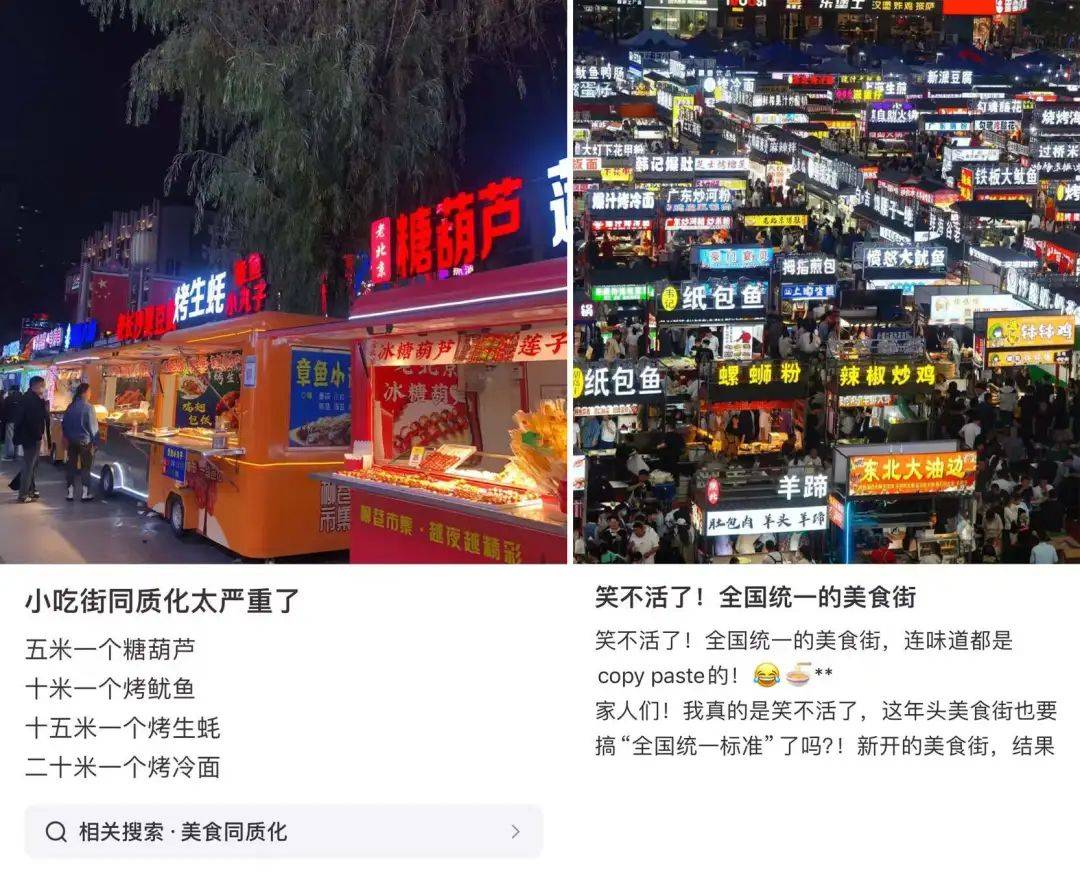
烤猪蹄

Search documents
从6㎡小摊到500㎡旗舰店 她的炉火在中街烤了12年
Xin Lang Cai Jing· 2026-02-26 23:52
Core Viewpoint - The article highlights the transformation of a small business in Shenyang's Zhongjie area, showcasing the journey of Sun Lili from a 6-square-meter stall to a 500-square-meter flagship store, reflecting the broader revitalization of the city and its tourism appeal [2][12]. Business Development - Sun Lili started her business in June 2014 with a loan of 100,000 yuan, selling grilled pig trotters, and quickly gained popularity, selling 600 portions on her first day [2][3]. - By 2016, the business expanded with standardized production, and by 2017, it evolved into a formal company with over 100 franchise locations at its peak [3]. Urban Transformation - The urban renewal of Shenyang's Fangcheng began in 2019, with Zhongjie being included in the national 5A tourist attraction preparatory list, leading to significant infrastructure improvements [5][6]. - The renovation process caused temporary disruptions for local businesses, including Sun Lili's stall, which had to close for several months [5]. Resilience and Adaptation - Despite external market challenges leading to the closure of many franchise locations, Sun Lili focused on product development, creating packaged gift boxes to maintain her brand's presence [7]. - The revitalization of Zhongjie and Fangcheng resulted in a more attractive environment for tourists, enhancing foot traffic and business sustainability [8][10]. Current Status and Future Outlook - Sun Lili's original stall now operates with a 15,000-watt oven, ensuring operational efficiency even during peak times [9]. - The new flagship store, which integrates various experiences, is set to become a new cultural and tourism landmark in Zhongjie, marking a significant milestone in her entrepreneurial journey [12][14].

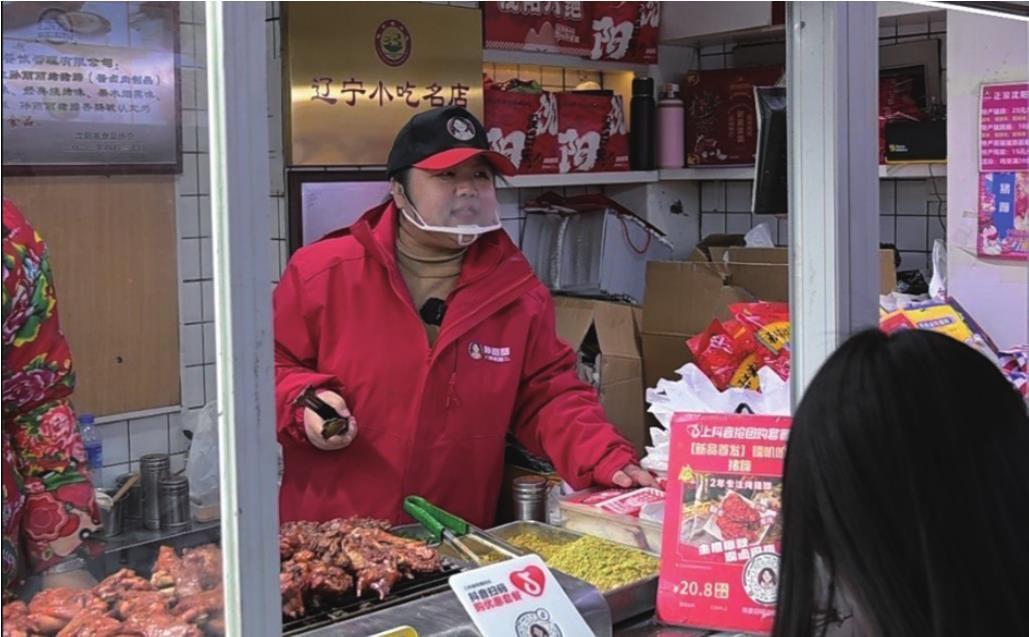
中国最好吃的夜市在哪里?带上这份“地图”逛吃起来
Yang Shi Xin Wen· 2025-09-23 22:21
Core Insights - The article highlights the vibrant night market culture in China, coinciding with the eighth "Chinese Farmers' Harvest Festival" on September 23, showcasing a variety of local delicacies across different regions [1] Group 1: Night Market Highlights - Changsha's Yangfan Night Market features crayfish sold by weight and stinky tofu paired with sweet oil cakes, creating a unique "Yangfan Energy Package" [2] - Chengdu's Sanse Road Night Market is a trendy hub where cultural creativity and food coexist, catering to both culinary and aspirational desires [3] - Qingdao's Taidong Walking Street Night Market offers seafood barbecues alongside packaged beer, fulfilling both romantic and culinary cravings [4] - Wuhan's Hubu Alley Night Market is a gathering place for traditional "Han flavor" snacks like hot dry noodles and bean skin, with a picturesque view of the Yangtze River [5] - Guangzhou's Baohua Road Night Market serves Cantonese-style late-night snacks, including rice rolls and fish skin, exploring the culinary legends of these dishes [6] - Kunming's Shuangqiao Night Market features cross-bridge rice noodles and Dai-style barbecue, rich in ethnic flavors and lively performances [7] - Harbin's Shida Night Market is known for its iron pot stew and Matier ice cream, representing the Northeast's night economy [8] - Hangzhou's Wulin Night Market combines the vibrancy of a digital city with the charm of West Lake, providing a relaxing atmosphere after a long day [9] Group 2: Night Economy Growth - The night economy in China has seen significant growth, with a market size approaching 2 trillion yuan, indicating a robust consumer interest in nighttime activities [12] - The peak consumption hours for night markets have shifted from 8 PM to 10 PM to a broader range from 6 PM to midnight, reflecting changing consumer habits [11] - Small-scale night markets are emerging as increasingly popular new business formats, contributing to the growth of experiential consumption spaces [11] Group 3: Meat Industry Insights - The meat industry, particularly lamb, plays a central role in the night market experience, with significant trading activity observed in Gansu's meat sheep market, where over 10,000 sheep are traded daily [19] - In Hebei's Tang County, a comprehensive meat sheep industry chain is being developed, encompassing breeding, fattening, slaughtering, and cold chain logistics [23] - The cold chain technology ensures rapid delivery of processed lamb products to major markets like Beijing and Tianjin within approximately 90 minutes [25] - The meat sheep industry in Tang County supports nearly 100,000 jobs, with an average annual income increase of over 30,000 yuan per person [27]
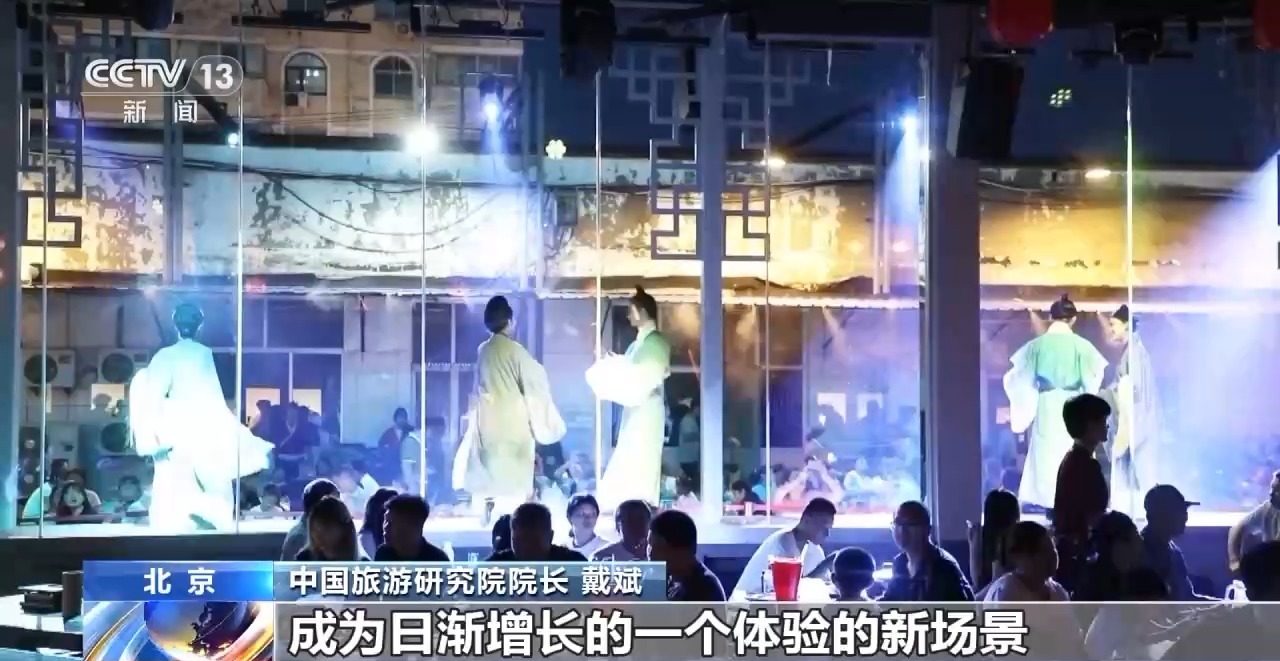
夜市摆摊:站着进场,跪着出来
Hu Xiu· 2025-05-12 02:14
Group 1 - The core viewpoint is that the night market in Zibo has undergone a significant transformation, evolving from a traditional food market into a vibrant commercial complex that attracts large crowds [2][3][4] - The new commercial complex "Zhe You Ju Er" features a blend of traditional and modern aesthetics, maintaining high popularity despite the changes [3][5] - The revitalization of Zibo's night market reflects a broader trend across various cities in China, where night markets and street vendors are being embraced to enhance urban life and economic activity [6][11] Group 2 - The booming night market scene is attributed to multiple factors, including supportive government policies that encourage the development of night markets and street vendors as indicators of urban livability [13][14] - The rise of night markets provides opportunities for ordinary individuals to start low-barrier entrepreneurial ventures, especially in the context of rising unemployment among youth [16][18] - Consumers are drawn to night markets for their authentic atmosphere, social interaction, and the appeal of casual dining experiences [19][20] Group 3 - Despite the apparent success of the street vendor economy, many entrepreneurs face challenges, including product homogenization and intense competition leading to price wars [23][26] - Issues such as food safety concerns and the emergence of overpriced vendors are causing consumer dissatisfaction, which could dampen the enthusiasm for night markets [28][30] - The entrepreneurial landscape is complicated by the presence of misleading "get-rich-quick" schemes that lure inexperienced individuals into the market without proper guidance [32][34] Group 4 - While starting a street vending business is relatively easy, success requires careful planning, product differentiation, and a strong understanding of market dynamics [40][42] - The night market environment is not merely a casual venture; it demands hard work and resilience from vendors who must navigate various operational challenges [41][43] - Ultimately, the street vending scene serves as both an entrepreneurial platform and a reflection of market realities, emphasizing the importance of sustainable practices and customer loyalty [43]