燃油附加费

Search documents
高油价冲击航空业:是该担忧成本,还是该担忧需求?
雪球· 2026-03-28 04:28
Core Viewpoint - The article discusses the impact of rising oil prices on the airline industry, highlighting that while airlines can take measures to mitigate costs, the demand side may be adversely affected, particularly during peak travel seasons [5][6]. Group 1: Cost Impact on Airlines - Fuel costs account for 30-35% of airline operating expenses, and a rise in oil prices from $60 to $100 could significantly erode profitability [5]. - Airlines have strategies such as fuel surcharges and capacity adjustments to manage costs, but these measures may only delay the impact rather than eliminate it [5]. - Price sensitivity varies between business and leisure travel, with leisure travel being more affected by price increases, potentially impacting demand during peak seasons [6]. Group 2: Long-term Value and Supply Constraints - The long-term value of airlines is determined by their profitability, which is influenced more by supply constraints than by oil prices [6]. - The upcoming summer and autumn flight schedules show a 1.63% decrease in flight volume, with domestic flights down by 2.71% [7]. - The production capacity of major aircraft manufacturers, Airbus and Boeing, remains constrained due to various issues, leading to a tight supply of operational commercial aircraft over the next 5-10 years [7]. Group 3: Demand Recovery and Investment Perspective - Demand recovery in the airline industry is expected, and long-term changes in supply and demand dynamics will be crucial for profitability [8]. - The critical factor for valuation is not the current oil price but the long-term price average, alongside market pricing for investment opportunities [8]. - Understanding the distinction between valuation and investment perspectives is essential for assessing the impact of high oil prices on airline companies [8].


燃油附加费翻一倍,全球机票进入涨价时代
36氪· 2026-03-25 10:47
Core Viewpoint - The global airline industry is facing significant challenges due to rising oil prices, which have led to increased ticket prices and potential flight cancellations, particularly affecting countries reliant on oil imports [4][7][16]. Group 1: Rising Fuel Costs - Oil prices have surged from approximately $85-$90 per barrel to between $150-$200, prompting airlines to raise fuel surcharges and ticket prices [9][10]. - Airlines such as Cathay Pacific have increased fuel surcharges significantly, with long-haul flights seeing surcharges rise from 569 HKD to 1164 HKD [9][10]. - The International Air Transport Association (IATA) predicts a general increase in global ticket prices by 9% due to these rising costs [6]. Group 2: Flight Cancellations and Shortages - Countries like Vietnam are facing imminent fuel shortages, with over two-thirds of their aviation fuel imported, leading to potential widespread flight cancellations starting in April [7][13]. - The situation is exacerbated by geopolitical tensions affecting oil supply chains, with countries like Pakistan also warning of fuel supply disruptions [13][14]. - Airlines are preparing for operational adjustments, including flight reductions and increased ground handling capacity to accommodate grounded aircraft [7][13]. Group 3: Financial Impact on Airlines - The airline industry, characterized by high operational costs, is particularly vulnerable to fluctuations in fuel prices, which account for about one-third of total costs [17][21]. - Major Chinese airlines are projected to incur significant fuel costs in 2024, with Air China, China Eastern, and China Southern's fuel costs estimated at 537.20 billion, 454.99 billion, and 549.89 billion RMB respectively [17]. - The financial strain from high fuel prices could lead to a substantial reduction in profitability for airlines, especially those with weaker financial positions [18][21]. Group 4: Regional Disparities - Asian airlines are more exposed to the current crisis due to lower fuel hedging ratios compared to their Western counterparts, making them more susceptible to rising oil prices [20][21]. - Airlines in Europe and the U.S. have historically employed fuel hedging as a risk management tool, which may provide them with more resilience against price shocks [21]. - The overall impact of rising fuel costs is expected to vary significantly across different regions, with Asian and Oceanic airlines facing the most immediate challenges [20]. Group 5: Long-term Industry Outlook - The airline industry is urged to shift from a focus on efficiency to building resilience in light of geopolitical uncertainties and rising operational costs [22]. - Historical precedents indicate that significant fuel price increases can lead to severe financial distress within the industry, as seen during the aftermath of Hurricane Katrina in 2005 [18].
中东战局升级,终于开始影响普通人的生活了
吴晓波频道· 2026-03-22 00:52
Core Viewpoint - The escalation of the Middle East conflict has led to a significant increase in oil prices, which has a direct impact on the costs of travel, commuting, shopping, and dining for ordinary people [2][6]. Group 1: Oil Price Impact on Travel - The tourism market is particularly affected, with rising fuel surcharges leading to increased travel costs. For example, Spring Airlines announced a fuel surcharge increase of over 50% for certain routes [10][15]. - Specific routes have seen fuel surcharges rise from 200 CNY to 312 CNY, indicating a substantial increase in travel expenses [11]. - Predictions suggest that domestic fuel prices may rise again, with 92 and 95 octane gasoline expected to increase by 1.60 CNY and 1.69 CNY per liter, respectively [17][18]. Group 2: Broader Economic Effects - The rise in oil prices is expected to trigger a price increase across various sectors, including textiles, construction materials, and consumer goods [26][30]. - The price of polyester, a key material in outdoor clothing, surged by 67.56%, with some textile companies already announcing price hikes [27][28]. - Construction materials are also seeing price increases of 5% to 10%, affecting items like waterproofing and paint, which are derived from petroleum [30][32]. Group 3: Agricultural Sector Implications - The agricultural sector is facing rising costs for fertilizers and pesticides, which are heavily reliant on oil derivatives. Fertilizer prices have already increased by 30% to 40% [43]. - The Chinese government has paused fertilizer exports to ensure domestic supply during the critical spring planting season, reflecting the tight global fertilizer market [42]. - Predictions indicate that if the conflict continues, prices for major agricultural products like wheat and corn may rise significantly, with wheat projected to reach 6.5 USD per bushel [43]. Group 4: Long-term Outlook and Policy Response - Despite the current volatility, China's policy toolbox for stabilizing prices is considered robust, with mechanisms in place to prevent excessive price increases [51]. - China's oil reserves are estimated to support consumption for 110 to 140 days, providing a buffer against supply disruptions [51]. - The diversification of energy sources in China, including a strong renewable energy sector, is expected to enhance resilience against future shocks [52].

交运月度会-交易-运价弹性-与-供应链重塑
2026-03-19 02:39
Summary of Conference Call Notes Industry Overview - **Industry Focus**: Transportation and logistics sectors, including shipping, rail, air travel, and express delivery services - **Geopolitical Context**: The situation in the Strait of Hormuz is impacting shipping, rail, and hazardous materials logistics positively, while high oil prices are increasing operational costs across various transport sectors Key Points and Arguments Shipping and Logistics - **Shipping Industry**: The daily passage through the Strait of Hormuz has decreased significantly, affecting 31% of global oil shipping exports and 5% of container shipping, leading to a re-evaluation of shipping rates and a potential restructuring of shipping networks [1][2] - **Rail Transport**: High oil prices are increasing road transport costs, making rail transport more attractive. The Daqin Railway is expected to benefit from increased coal transport demand due to rising coal prices linked to oil price increases [1][2] - **Hazardous Materials Logistics**: Companies with a high percentage of chemical and oil products in their storage are likely to benefit from increased demand for stockpiling, potentially raising warehouse rental rates [3] Air Travel - **Cost Pressures**: The aviation sector is facing significant cost pressures due to rising fuel prices, with fuel costs accounting for approximately 35% of total operating costs. The expected increase in fuel surcharges could reach 170-180 RMB per flight segment [6][17] - **Market Dynamics**: The geopolitical situation is creating opportunities for Chinese airlines as travelers seek alternatives to Middle Eastern hubs, potentially increasing international passenger volumes by 13% if 25% of transit passengers shift to Chinese carriers [18][19] Express Delivery - **Market Trends**: The express delivery sector is experiencing a "reverse involution" trend, with prices in key areas like Yiwu increasing. Major companies like YTO and ZTO are expected to gain competitive advantages [1][5] Investment Recommendations - **Stock Selection**: It is recommended to focus on stocks with low correlation to Middle Eastern geopolitical risks and those with defensive attributes, such as Anhui Expressway and Shenzhen International. SF Express is highlighted for its alignment with high-quality growth trends in the express delivery sector [7] - **Shipping vs. Oil Transport**: The recommendation is to prioritize container shipping over oil transport due to lower expected volatility and higher certainty in returns, even amidst geopolitical tensions [8] Market Conditions - **Current Market Sentiment**: The overall sentiment in the transportation sector is cautious, with a preference for rail over road transport due to the latter's vulnerability to rising fuel costs. The express delivery sector shows signs of recovery, while air travel is under pressure from fuel costs [15][20] Airport Operations - **White Cloud Airport**: A new duty-free agreement has been signed with a commission rate reduced to 21%, which is expected to positively impact profits, although the overall profit elasticity will depend on the recovery of duty-free sales [22][23] Future Outlook - **Long-term Adjustments**: The geopolitical situation is expected to lead to profound adjustments in global logistics networks, with potential shifts in trade routes and increased congestion at major ports [4][10] Risks and Challenges - **Cost Transferability**: The ability of the air, road, and express delivery sectors to pass on increased costs to consumers is limited due to weak supply-demand dynamics, which may suppress market demand if oil prices remain high [2][6] Additional Important Insights - **Rail Freight Benefits**: The closure of the Strait of Hormuz is driving up coal prices in the Asia-Pacific region, benefiting rail freight operations like the Daqin Railway [10] - **Container Transport Opportunities**: The potential shift from sea to rail transport for high-value goods due to increased shipping costs could benefit the China-Europe Railway Express [11] This summary encapsulates the key insights and trends discussed in the conference call, providing a comprehensive overview of the current state and future outlook of the transportation and logistics sectors.

航司上调燃油附加费,OpenAI酝酿重大战略转向 | 财经日日评
吴晓波频道· 2026-03-19 00:30
Group 1: Housing Fund Policy in Shenzhen - Shenzhen has revised its housing fund management regulations, allowing employees to voluntarily increase their personal contribution rate to a maximum of 12% to access higher loan amounts [2] - As of December 2025, Shenzhen's housing fund has accumulated 10,329 billion yuan, with 6,941 billion yuan withdrawn by employees and 3,926 billion yuan in loans issued [2] - The new policy aims to enhance flexibility in the housing fund system, potentially increasing liquidity in the market while maintaining limits on withdrawals and loan amounts to prevent excessive outflow [2][3] Group 2: Airline Fuel Surcharge Increases - Multiple domestic airlines have raised international fuel surcharges by over 50%, with some routes seeing increases of up to 100% [4] - The rise in fuel costs is attributed to disruptions in the Strait of Hormuz, leading to increased operational costs for airlines, which were already facing low ticket prices [4][5] - The next adjustment for domestic routes is scheduled for April 5, with current surcharges set at 10 yuan for flights under 800 kilometers and 20 yuan for longer flights [4] Group 3: OpenAI's Strategic Shift - OpenAI is planning a significant strategic shift, focusing resources on programming tools and the enterprise market, moving away from its previous broad approach [6] - The urgency for this shift is heightened by the upcoming IPO, with OpenAI needing to establish a sustainable revenue model to enhance its valuation [7] - The company aims to regain its competitive edge in the enterprise AI service market, which has been successfully tapped by competitors like Anthropic [6][7] Group 4: Cloud Service Price Increases - Alibaba Cloud and Baidu Cloud have announced price increases for AI computing and storage products, with hikes ranging from 5% to 34% [8] - This trend follows similar price adjustments by major global cloud providers, indicating a shift in the supply-demand dynamics in the cloud computing market [8][9] - The rising demand for AI capabilities is driving up costs for cloud services, necessitating these price adjustments [8] Group 5: BMW Price Reductions - BMW has announced significant price reductions for 31 models, with some reductions exceeding 30,000 yuan, aiming to adjust to competitive pressures in the Chinese market [10] - In 2025, BMW's sales in China fell by 12.5% to 626,000 units, while sales in Europe and the U.S. saw growth [10] - The price adjustments are part of a strategy to clear inventory and prepare for new product launches in the competitive Chinese market [10][11] Group 6: Sunac China Financial Outlook - Sunac China has projected a loss of between 12 billion to 13 billion yuan for the fiscal year 2025, primarily due to reduced revenue and increased asset impairment provisions [14] - The company has completed a significant debt restructuring, converting approximately 9.6 billion USD of debt into convertible bonds, which will alleviate immediate cash flow pressures [14][15] - Sunac is focusing on revitalizing its projects in first- and second-tier cities and is actively seeking external funding to support its operations [15] Group 7: Stock Market Performance - The stock market saw a rebound with the Shanghai Composite Index rising by 0.32%, ending a four-day decline, driven by a recovery in the computing power industry [16] - Market sentiment improved with over 3,500 stocks gaining, while defensive sectors like oil and gas weakened [16][17] - Despite the recovery, overall market risk appetite remains limited, with trading volumes decreasing, indicating cautious investor sentiment [17]


多家航司上调燃油附加费
新华网财经· 2026-03-18 02:51
Core Viewpoint - Domestic airlines are significantly increasing international fuel surcharges, with increases generally exceeding 50%, and some routes seeing a doubling of fees due to rising international oil prices, which are pressuring airline costs to be passed on to ticket prices [2][3]. Group 1: Fuel Surcharge Adjustments - Several airlines, including Juneyao Airlines and Xiamen Airlines, have announced adjustments to their international fuel surcharges, with specific routes seeing increases such as the China-Vietnam route rising to 400 RMB and the China-Indonesia route to 600 RMB [2]. - Xiamen Airlines raised the fuel surcharge for the Indonesia-China route from 640,000 Indonesian Rupiah to 736,000 Indonesian Rupiah, approximately a 15% increase [2]. - Spring Airlines has also increased fuel surcharges on certain international routes, with the Shanghai to Kuala Lumpur route doubling from 180 RMB to 360 RMB, and routes to Japan seeing increases of over 50% [2]. Group 2: Industry Cost Pressures - The rising oil prices are expected to lead to further adjustments in fuel surcharges across the industry, with the next adjustment window for domestic routes set for April 5 [3]. - Fuel costs typically account for 30%-40% of total airline costs, making it a significant fixed expense, and a 1% increase in oil prices could add billions to monthly industry costs [3]. - Airlines are attempting to mitigate these cost pressures through fuel surcharge increases and hedging strategies, with Cathay Group indicating that about 30% of their fuel is hedged for 2026 [3]. Group 3: Impact on Air Cargo - High oil prices are also affecting the air cargo sector, potentially leading airlines to reduce cargo flight capacity on less profitable routes, which could increase air freight prices [4]. - Cathay Group noted that changes in operational practices, such as needing to carry more fuel for direct flights instead of refueling in Dubai, are raising operational costs and reducing profitability per flight [4]. Group 4: Current Oil Price Trends - As of March 17, Brent crude oil prices are around $100 per barrel, significantly higher than the beginning of the year, with prices peaking at $120 amid geopolitical tensions [5]. - The international aviation fuel price has approached $175 per barrel, well above the normal level of approximately $88 per barrel, indicating a faster increase than crude oil prices [5].
交易“运价弹性”与“供应链重塑”
HTSC· 2026-03-16 02:20
Investment Rating - The report maintains an "Overweight" rating for the transportation sector [7] Core Insights - The report emphasizes the impact of the escalating situation in the Middle East on global transportation systems, suggesting a reconfiguration of shipping capacities and a reassessment of freight rates due to increased uncertainty in key shipping routes like the Strait of Hormuz and the Red Sea [1] - It recommends focusing on companies with pricing power and those benefiting from supply chain restructuring, highlighting potential increases in freight rates due to war risk premiums and supply chain disruptions [1] - The report identifies specific companies to invest in, including COSCO Shipping Holdings, SITC International Holdings, and Daqin Railway, among others, based on their favorable positioning in the current market environment [9] Summary by Sections Aviation - The report notes a significant increase in passenger traffic during the Spring Festival, with a 4.6% year-on-year growth in passenger volume and a 3.9% increase in average ticket prices [13][15] - It highlights the potential for improved profitability for airlines due to their ability to pass on fuel costs to consumers through fuel surcharges [22] - The report anticipates a positive outlook for the aviation sector driven by recovering business travel and outbound tourism [28] Shipping - The report indicates that oil shipping rates have strengthened due to increased demand amid geopolitical tensions, with significant year-on-year increases in rates for various tanker types [43] - It warns of rising insurance costs and the need for shipping companies to adjust routes due to safety concerns in the Middle East, which may lead to further increases in freight rates [46] - The report also notes a mixed performance in container shipping rates, with a decline in rates during the Spring Festival season but potential recovery expected as demand rebounds [45] Logistics - The report suggests that the e-commerce and express delivery sectors are likely to see improved profitability, driven by regulatory changes and a focus on compliance [5] - It highlights the positive outlook for hazardous materials logistics due to increased demand and improved rental rates for storage facilities [5] - The report emphasizes the overall optimism for the logistics sector, particularly in the context of supply chain disruptions and rising costs [5] Rail and Road - The report notes a significant increase in freight traffic on highways post-Spring Festival, with a 9.7% year-on-year growth attributed to coal replenishment needs [4] - It highlights the potential benefits for rail transport from rising coal prices and increased demand for "west coal to east transport" [4] - The report indicates that rising oil prices may disrupt road transport volumes, pushing some freight to rail [4]



多家航司机票、燃油附加费要涨价
新华网财经· 2026-03-11 06:03
Core Viewpoint - The article discusses the significant fluctuations in global fuel prices, particularly the recent spike and subsequent drop in international oil prices, and its impact on the airline industry, including fuel surcharge adjustments and rising ticket prices. Group 1: Fuel Price Fluctuations - International oil prices surged past $110 per barrel on Monday, only to plummet over 11% on Tuesday, marking the largest single-day drop since 2022 [2] - The volatility in the global fuel market has prompted airlines to increase fuel surcharges and ticket prices [3] Group 2: Airline Responses to Fuel Costs - Fuel procurement costs are the largest expense for airlines and a key factor in ticket pricing, leading to adjustments in fuel surcharges linked to fuel prices [6] - Hong Kong Airlines announced an increase in fuel surcharges effective March 12, with fees rising from 185 HKD to 190 HKD for flights to mainland China, and from 589 HKD to 739 HKD for long-haul flights to Europe, Africa, and the Middle East [6] - Indian Airlines plans to raise fuel surcharges in three phases across all domestic and international flights, while Japan Airlines is considering imposing fuel surcharges on domestic flights due to rising costs [6] Group 3: Domestic and International Ticket Pricing - The last adjustment for domestic flight fuel surcharges occurred on January 5, with fees set at 10 CNY for flights under 800 km and 20 CNY for longer flights [7] - The next adjustment window for domestic flight fuel surcharges is scheduled for April 5 [7] - Many foreign airlines, including Air New Zealand and United Airlines, have warned of potential ticket price increases due to rising fuel costs linked to Middle Eastern conflicts [10] Group 4: Demand for Direct Flights - The ticket prices for direct flights between China and Europe have surged, with some flights sold out due to the slow recovery of Middle Eastern routes [9][11] - VariFlight reports that the Middle Eastern flight network is only partially restored, with significant drops in connectivity at major hubs like Doha and Dubai [13]

多家航司机票、燃油附加费要涨价
第一财经· 2026-03-11 05:34AI Processing
2026.03. 11 本文字数:1332,阅读时长大约3分钟 作者 | 第一财 经 陈姗姗 国际油价在周一飙升突破110美元/桶后,周二又暴跌逾11%,创下2022年以来最大单日跌幅。 面对全球燃油市场前所未有的大波动,有航空公司开始上调燃油附加费,还有航空公司称将提高票价。 而随着中东航线恢复缓慢,中欧直飞航线更是一票难求,票价飞涨。 国际线燃油附加费率先上调 航油采购成本是航空公司的第一大成本构成,并且也是机票定价的重要考量因素,而旅客每次飞机出行要交付的燃油附加费,也是与航油价格实施联动 机制。 为了应对燃油价格的上涨,航空公司普遍会通过上调燃油附加费的方式。对于国内航司来说,其国际航线的燃油附加费调整不定期,国内航线每月调整 一次。 最先官宣上调燃油附加费的香港航空,计划于3月12日生效全新的燃油附加费收取标准:由中国香港飞往中国大陆的燃油附加费从185港元增加到190 港元;由中国香港飞往亚洲的短途航班由162港元增加至212港元;飞往欧美、非洲、中东地区的长途航班由589港元增加到739港元。 上一次调整国内航线燃油附加费是今年1月5日,当时800公里(含)以下航段收取燃油费10元,800公里以 ...
下周关注丨多个行业峰会即将召开,这些投资机会最靠谱
Di Yi Cai Jing· 2025-06-01 01:06
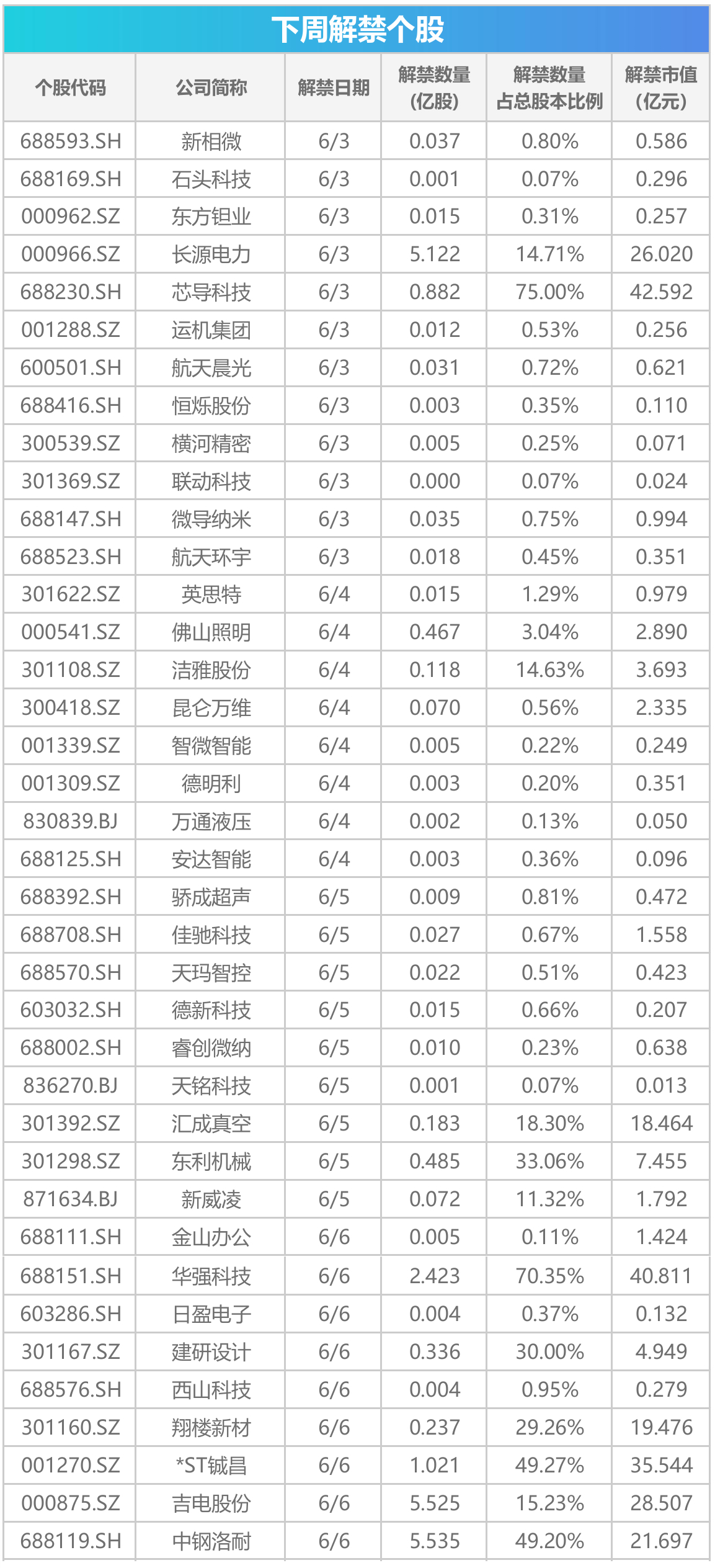
Group 1: Industry Conferences - The 2025 Global Artificial Intelligence Technology Conference (GAITC 2025) will be held in Hangzhou, Zhejiang from June 7 to 8, focusing on themes of "crossing, integration, mutual growth, and win-win" [2] - The 2025 Shanghai International Carbon Neutral Technology, Products, and Achievements Expo will take place from June 5 to 7 at the Shanghai New International Expo Center [2] - The Fourth Beijing International Forum on Aviation Safety will occur from June 5 to 6 in Beijing [2] - The Second Tianfu Nuclear Fusion Forum will be held from June 5 to 6 in Chengdu [2] - The Seventh Beijing Zhiyuan Conference will take place from June 6 to 7 in Beijing [2] Group 2: Domestic Fuel Price Adjustments - A new round of domestic fuel price adjustments will take effect at 24:00 on June 3, with an expected increase of 70 yuan per ton for both gasoline and diesel, based on a reference crude oil change rate of 1.61% as of May 29 [3] Group 3: Airline Fuel Surcharge Changes - Starting from June 5, 2025, the domestic airline fuel surcharge will be adjusted, with routes under 800 kilometers exempt from the surcharge, while those over 800 kilometers will incur a fee of 10 yuan per passenger per segment [4] Group 4: Stock Market Developments - CATL's H-shares will be included in the MSCI China Standard and Large Cap Index starting June 2 [5] - A total of 38 companies will have their restricted shares unlocked from June 2 to June 6, with a total market value of 26.666 billion yuan, peaking on June 6 with 9 companies unlocking shares worth 15.282 billion yuan [6] - The top three companies by market value of unlocked shares are Chipone Technology (4.259 billion yuan), Huachuang Technology (4.081 billion yuan), and *ST Chengchang (3.554 billion yuan) [6] Group 5: New Stock Issuance - One new stock, Haiyang Technology, will be issued on June 3, with a total of 45.3129 million shares at an issuance price of 11.5 yuan per share [9]