物业费

Search documents
万万没想到,杭州一物业竟主动降物业费
3 6 Ke· 2026-01-13 02:39
Core Viewpoint - The article discusses the recent trend of property management companies reducing service fees in response to economic pressures and homeowner demands, highlighting the case of Zhongliang Property's fee reduction at the Mu Chen Yuan community in Hangzhou [1][2][10]. Group 1: Fee Reduction Details - Zhongliang Property announced a reduction in the property management fee for the Mu Chen Yuan community from 3.35 yuan/month/㎡ to 2.45 yuan/month/㎡, and parking management fees from 80 yuan/month to 70 yuan/month, resulting in an annual fee reduction of 3.7 million yuan [1][2]. - The fee reduction is framed as a gesture of gratitude and an effort to alleviate the financial burden on homeowners due to the broader economic environment [2][10]. Group 2: Market Trends - Over 100 properties in major cities like Shenzhen, Shanghai, and Wuhan have reduced their management fees by 10% to 40% since last year, indicating a growing trend in the property management sector [2]. - In contrast, in Hangzhou, property management companies are often resistant to fee reductions, with some opting to withdraw from contracts rather than negotiate lower fees [5][6]. Group 3: Conditions for Fee Reductions - Successful fee reductions typically occur under two conditions: when property management contracts are nearing expiration, or when homeowners' committees actively negotiate with property management [3][4]. - For example, the property management fee at Poly Grand View in Xiaoshan was reduced from 3.8 yuan/㎡/month to 3.3 yuan/㎡/month as part of a renewal strategy [3]. Group 4: Economic Context - The article notes that many homeowners are struggling with high property management fees, especially in a market where property values have not appreciated as expected, leading to dissatisfaction among owners who are not occupying their properties [7][8]. - The rising costs of property management fees are attributed to increasing labor costs and expenses related to communal facilities, which have led to a significant increase in fees across the board [8][9]. Group 5: Future Implications - The trend of reducing property management fees may signal a shift in the industry, as companies like Zhongliang Property take proactive steps to maintain customer satisfaction and improve fee collection rates [10][11]. - The introduction of property fee guidelines in various cities suggests a move towards more regulated pricing, which could impact the profitability of property management companies in the long term [9][10].
每平方米高达36元!豪宅物业费持续上涨令人震惊
3 6 Ke· 2025-12-29 02:15
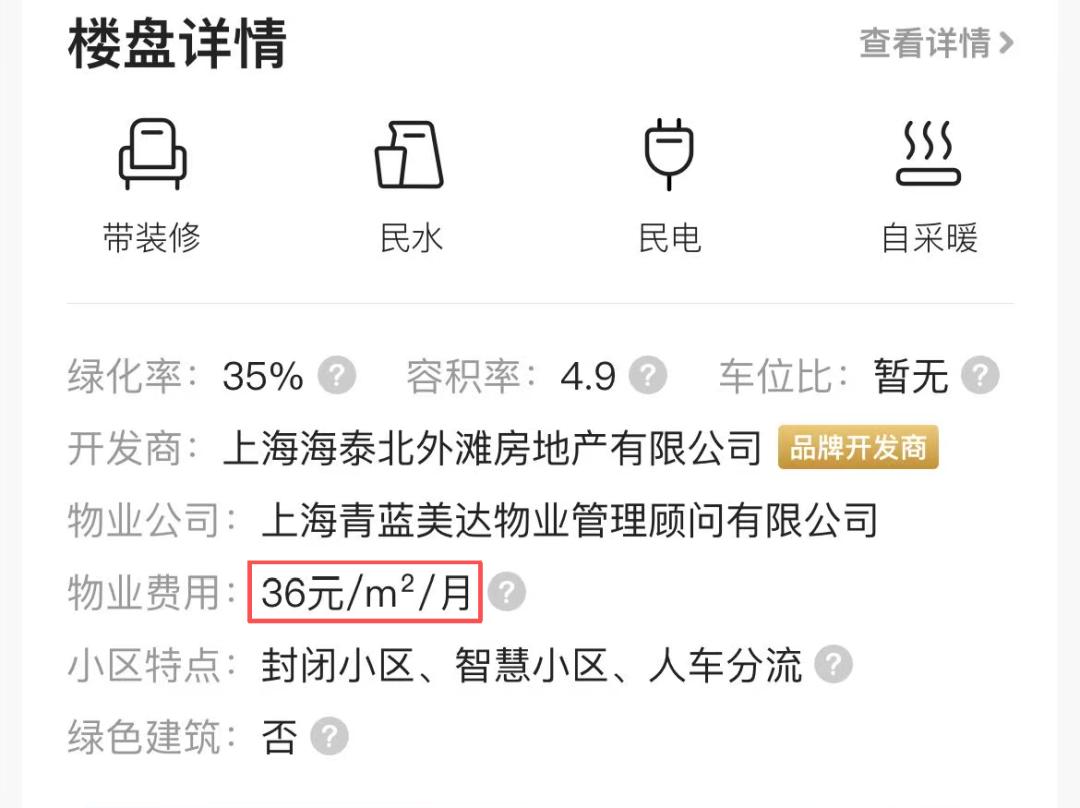
Core Viewpoint - The article discusses the rising property management fees in luxury real estate markets, particularly in major cities like Shanghai, while highlighting a contrasting trend of decreasing fees in existing properties. This phenomenon is attributed to various factors, including the evolution of value logic in high-end real estate and the increasing operational costs associated with luxury properties [1][11]. Group 1: Rising Property Management Fees - In Shanghai, property management fees for luxury projects have reached unprecedented levels, with the Haitai North Bund project charging 36 yuan per square meter per month, leading to annual fees ranging from 160,000 to 650,000 yuan for homeowners [3][4]. - The average property management fee for new projects in Shanghai is reported at 7.46 yuan per square meter per month, with the highest averages found in Huangpu, Jing'an, and Yangpu districts [3][4]. - The increasing fees are linked to enhanced amenities and services in luxury developments, which include advanced security systems, central air conditioning, and more complex maintenance requirements, leading to higher long-term operational costs [9][10]. Group 2: Decreasing Fees in Existing Properties - In contrast, property management fees for existing homes have been declining, with a noted drop of 0.23% year-on-year in 2025 across 20 major cities, and some areas experiencing reductions of 20% to 30% [12][13]. - The decline in fees is attributed to mismatches between historical pricing and current market expectations, with many homeowners becoming more sensitive to cost-effectiveness [12][13]. - Several property management companies have opted to withdraw from the market due to rising costs and high rates of unpaid fees, affecting both small and large firms across multiple cities [12][13].

每平方米不是3.6元而是36元,豪宅物业费持续上涨令人震惊
Mei Ri Jing Ji Xin Wen· 2025-12-26 14:20
Core Insights - The article discusses the rising property management fees in core cities, particularly in Shanghai, where fees have reached unprecedented levels, while fees for existing properties are declining [2][3][10] - The increase in property management fees is attributed to the evolving value logic of the high-end real estate market, driven by multiple factors including operational costs and service upgrades [2][8][11] Group 1: Rising Property Management Fees - In Shanghai, the property management fee for the Haitai North Bund project has reached 36 yuan per square meter per month, translating to annual fees between 160,000 yuan and 650,000 yuan for homeowners [5] - The average property management fee for new projects in Shanghai is reported at 7.46 yuan per square meter per month, with the highest fees in Huangpu, Jing'an, and Yangpu districts [5][10] - In Beijing, the property management fee for the "Fanyue 108" project is as high as 30 yuan per square meter per month, with annual fees ranging from 40,000 to 170,000 yuan [7] Group 2: Factors Influencing Fee Increases - The rising fees are linked to the emphasis on upgraded amenities and services in high-end properties, which include clubhouses, central air conditioning, and enhanced security systems, leading to higher operational costs [8][11] - As the real estate market faces downturns, developers and property companies have less room to subsidize costs, making new property management fees reflect long-term operational contracts rather than promotional strategies [8][11] - The pricing logic for luxury properties is shifting from basic services to a comprehensive approach that includes asset protection, experience management, and risk management [8] Group 3: Declining Fees for Existing Properties - Despite the rise in fees for new properties, many existing properties are experiencing a decline in management fees, with over 100 communities reportedly reducing fees by 20% to 30% [10][11] - The decline in fees is attributed to mismatches between historical pricing and current market expectations, leading to increased sensitivity among homeowners regarding value for money [11] - Several property management companies are withdrawing from the market due to rising costs and high rates of unpaid fees, affecting both small and large firms across multiple cities [10]
上海“天价”物业费
3 6 Ke· 2025-11-10 04:00
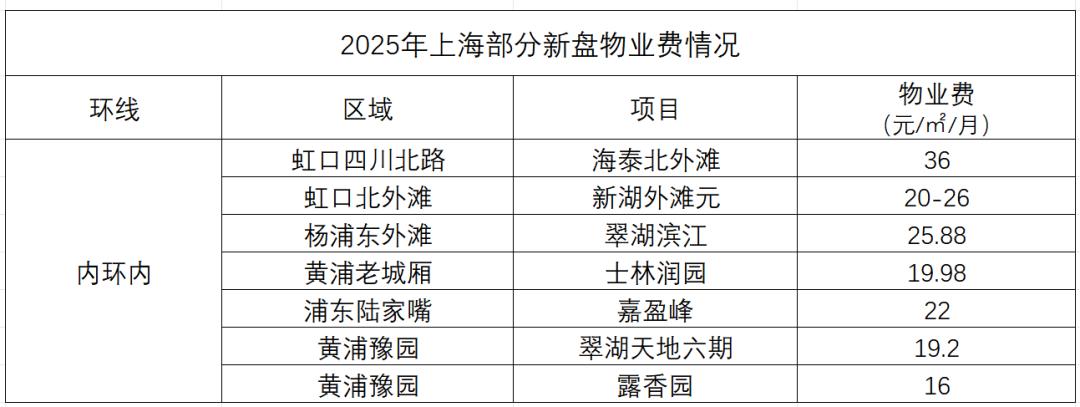
Core Viewpoint - The rapid increase in property management fees in Shanghai has become a significant concern, with fees rising dramatically across various property types, including both luxury and affordable housing [1][6][14]. Property Fee Trends - In 2025, property management fees in Shanghai's inner ring are reported to be around 20-36 yuan per square meter per month, with fees in the outer ring reaching 8 yuan [2][6]. - The average property fee for luxury apartments in the inner ring has surpassed 16 yuan per square meter per month, with many new projects exceeding 20 yuan [8][10]. - Comparatively, property fees in other major cities have decreased, highlighting Shanghai's unique trend of rising fees despite a national downturn [7][12]. Historical Context - Property fees in Shanghai have doubled over the past five years, with fees in the inner ring rising from approximately 8-10 yuan per square meter per month in 2020 to current levels [6][14]. - The increase in property fees is attributed to the real estate industry's shift towards high-end amenities and services, which have not been matched by corresponding improvements in service quality [10][19]. Market Dynamics - The removal of government price controls in 2015 has allowed for market-driven pricing of property fees, contributing to the rapid increases observed [12][20]. - Developers often set high initial property fees to offset future cost increases, leading to a long-term trend of elevated fees [13][14]. Service Quality Concerns - Despite high property fees, many residents report dissatisfaction with the quality of services provided, indicating a disconnect between price and service value [17][19]. - The lack of transparency in service offerings and the absence of detailed service standards exacerbate residents' frustrations [18][23]. Future Outlook - There is a growing call for a more rational pricing structure for property fees, including the potential for tiered pricing models that align fees with service levels [23][24]. - The introduction of policies allowing residents to easily change property management companies may lead to downward pressure on property fees in the future [20][21].
为什么上海新盘物业费突然变贵
虎嗅APP· 2025-11-08 09:29
Core Viewpoint - The article highlights the rapid increase in property management fees in Shanghai, which have outpaced other costs such as wages and housing prices, raising concerns about the sustainability and justification of these fees [5][10][20]. Summary by Sections Property Management Fee Trends - In 2025, property management fees for new developments in Shanghai have reached alarming levels, with some projects charging up to 36 yuan per square meter per month [6]. - The average property management fee for luxury apartments in inner Shanghai has exceeded 16 yuan per square meter per month, with many new projects charging between 20 to 30 yuan [13][20]. Historical Comparison - A comparison of property management fees from 2020 shows that fees have doubled over five years, with inner ring properties previously charging around 8-10 yuan per square meter per month [7][21]. - In contrast, other major cities in China have seen reductions in property management fees, highlighting Shanghai's unique situation where fees continue to rise [9]. Factors Driving Fee Increases - The increase in property management fees is attributed to the real estate industry's unique cycle, where developers have turned to high fees as a means to maintain profitability amid strict price controls on new homes [17][18]. - The removal of government price guidance in 2015 has allowed for market-driven pricing of property management fees, leading to significant increases [18]. Service Quality Concerns - Despite the high fees, there is a growing distrust among customers regarding the quality of services provided, with many properties failing to deliver adequate service levels commensurate with the fees charged [19][23]. - The lack of transparency in service offerings and the disconnect between high fees and the actual services provided have raised questions about the value of these fees [24][28]. Future Outlook and Recommendations - The article suggests the need for a more rational pricing structure for property management fees, including a tiered pricing system that aligns fees with the level of service provided [31][34]. - There is a call for improved transparency and accountability in property management services, encouraging homeowners to participate actively in property management decisions [32][36].
为什么,越来越多地方物业费开始下调
Hu Xiu· 2025-08-28 02:09
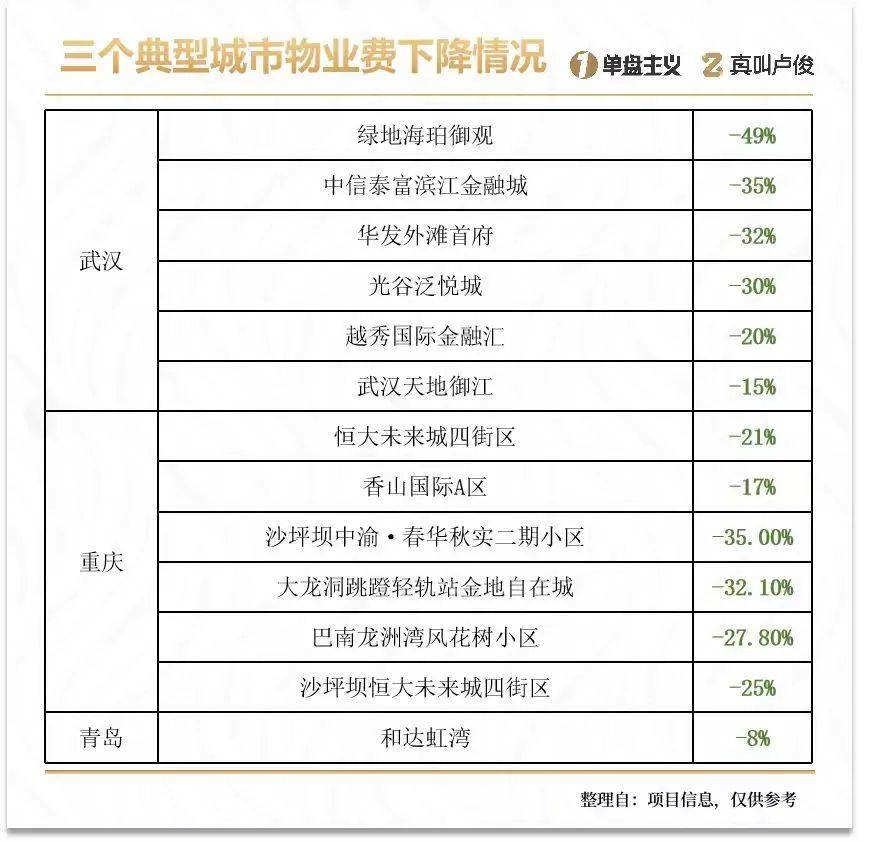
Core Viewpoint - The property management fees are experiencing significant declines across various cities in China, with some areas seeing reductions of up to 49%, indicating a shift in the market dynamics and potential new negotiations between property owners and management companies [1][2][3]. Group 1: Decline in Property Management Fees - Property management fees have decreased notably in cities such as Wuhan, Chongqing, and Qingdao, with specific properties showing reductions of 49% to 8% [1][3]. - For instance, in Wuhan, the property fee for Greenland Haipo Yuguan dropped from 7.6 yuan/sqm/month to 3.84 yuan/sqm/month, marking a substantial decrease [2]. - As of June 2025, the comprehensive index for property service prices in 20 major cities showed a year-on-year decline of 0.11% and a month-on-month decline of 0.08%, with over one-third of these cities experiencing falling fees [10][11]. Group 2: Market Trends and Regulations - The trend of declining property fees is spreading from second- and third-tier cities to first-tier cities, influenced by new regulations allowing homeowners to change property management companies with a certain percentage of agreement [3][25]. - Various provinces and municipalities are implementing regulations to standardize property fee collections, emphasizing transparency and homeowner rights [27][28]. - The decline in fees is not only a response to homeowner dissatisfaction but also a proactive measure by property companies to remain competitive in a challenging market [30][43]. Group 3: Impact on Property Management Companies - Many property management companies are facing declining net profits, with top 500 companies reporting a 2.8% decrease in net profit in 2024, and listed companies experiencing a 23.3% drop [48][50]. - The competitive landscape is leading to a consolidation where stronger companies are likely to survive while weaker ones may exit the market [56][62]. - Property companies are adjusting their service offerings and costs to maintain competitiveness, which may include reducing fees while enhancing service quality [42][70]. Group 4: Homeowner Expectations and Service Quality - Homeowners are primarily dissatisfied with the quality of services provided rather than the fees themselves, indicating that a reduction in fees must be accompanied by adequate service levels to avoid long-term negative impacts on property values [71][72]. - The current trend of fee reductions may be a temporary market adjustment, and there is a risk that if fees drop too low, it could lead to inadequate service provision and deteriorating living conditions [74][78]. - As the market stabilizes, there may be a renewed demand for value-added services, highlighting the importance of quality in property management [78][79].