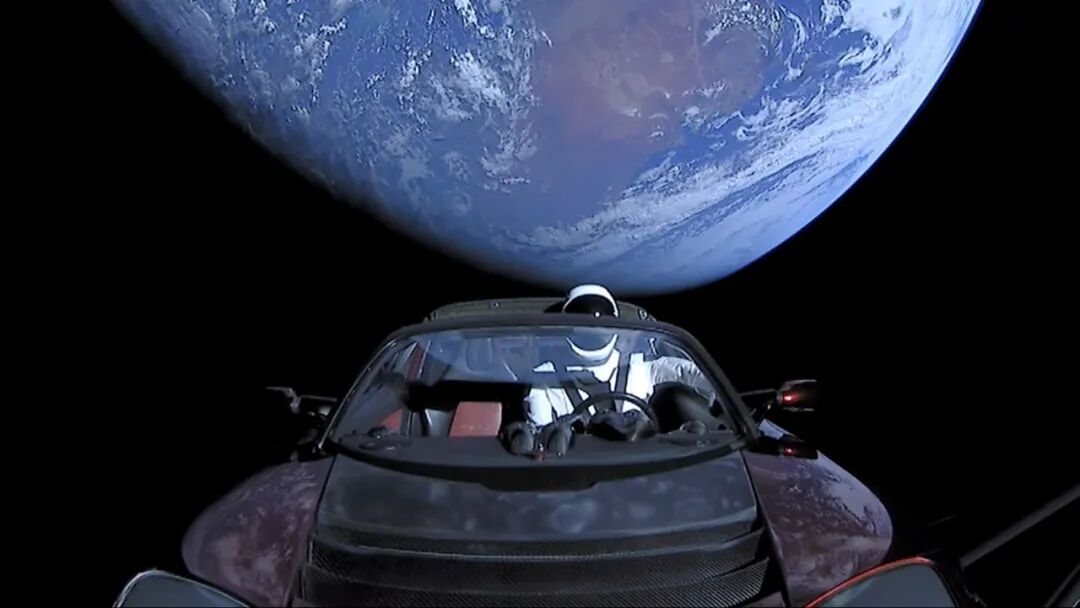
特斯拉Roadster跑车

Search documents
马斯克画的上天大饼,中国人已经在做了
3 6 Ke· 2025-11-25 01:45
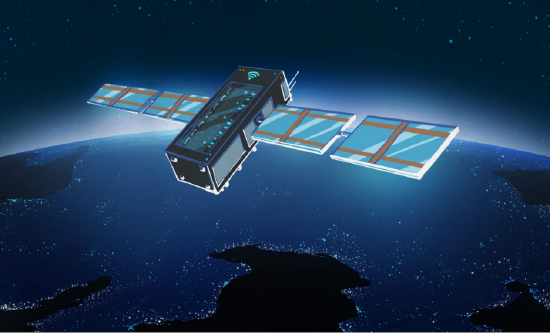
Core Insights - Elon Musk's ambitious plan to build AI data centers in space is gaining traction, with China already making significant advancements in this area [1][27] - The competition for computational power in AI is intensifying, with major tech companies investing heavily in data center infrastructure [7][14] Group 1: Space Data Centers - Musk's vision includes launching AI satellites to create a space-based data center, which could provide energy and computational power far exceeding Earth's capabilities [11][13] - The proposed space data centers would utilize solar energy, taking advantage of the higher efficiency of solar panels in space compared to Earth [11][17] - The cooling challenges faced by terrestrial data centers could be mitigated in space due to the extreme cold of the environment, allowing for more efficient heat dissipation [12][22] Group 2: Investment and Infrastructure - Major tech companies, including Amazon and Google, are exploring similar concepts for space data centers, indicating a broader industry trend towards off-Earth computational solutions [14][16] - Amazon's Project Kuiper and Google's Project Suncatcher are examples of initiatives aimed at integrating AI capabilities with space infrastructure [14][16] - The estimated capital expenditure for AI infrastructure by major tech firms in the next few years is projected to reach $1.2 trillion [7] Group 3: Challenges and Considerations - The primary challenge for space data centers is the high cost of launching equipment into space, which needs to be reduced significantly for the concept to be economically viable [25][27] - Concerns regarding the maintenance and upgrade of hardware in space, as well as protection against cosmic radiation, are significant hurdles that need to be addressed [22][23] - The timeline for achieving operational space data centers is debated, with some experts suggesting it may take a decade or more to become feasible [23][25] Group 4: China's Advancements - China has already launched its "Star Computing Plan," which includes a constellation of satellites designed for computational tasks, demonstrating a proactive approach in the space computing race [27] - The first satellite constellation launched by China includes 12 satellites capable of processing data in orbit, showcasing the potential for advanced computational capabilities in space [27]


马斯克画的上天大饼 中国人已经在做了
Xin Lang Ke Ji· 2025-11-25 01:23
Core Insights - Elon Musk's ambitious plan to build AI data centers in space reflects a significant shift in the competition for computational power, with China already making strides in this area [1][27] - The demand for AI infrastructure is driving massive investments from tech giants, with projected capital expenditures reaching $1.2 trillion over the next three to five years [6][9] Group 1: Space Data Centers - Musk's proposal includes launching AI satellites to create a space-based data center, which he claims could generate 100 GW of solar energy annually, equivalent to a quarter of the average annual electricity consumption in the U.S. [12][13] - The efficiency of solar energy in space is significantly higher than on Earth, with solar radiation intensity being 1.36 times greater in orbit [10] - The cooling requirements for data centers in space can be met more efficiently due to the extreme cold of space, allowing for effective heat dissipation without traditional cooling systems [11][12] Group 2: Investment and Infrastructure - Major tech companies are investing heavily in AI infrastructure, with a total projected investment of $6.7 trillion in data centers by 2030, driven largely by AI workloads [6][9] - Musk's xAI is collaborating with Saudi Arabia to build a $25 billion data center with a capacity of 500 MW, surpassing the capacity of xAI's existing center in Tennessee [6][7] Group 3: Challenges and Considerations - The primary challenge for space data centers is the cost of launching equipment into space, with current costs around $1,400 per kilogram, although future projections suggest this could drop to between $67 and $100 per kilogram [24][25] - Concerns about cosmic radiation and the harsh environment of space necessitate robust engineering solutions to protect sensitive equipment [21][22] Group 4: Competitive Landscape - Other tech giants, such as Amazon and Google, are also exploring space-based data centers, with Amazon's Blue Origin and Google's Project Suncatcher aiming to leverage solar energy in space for AI processing [14][16] - China's advancements in space computing, including the launch of a satellite constellation for computational tasks, indicate that the race for space-based AI infrastructure is intensifying [27]
马斯克画的上天大饼,中国人已经在做了|硅谷观察
Xin Lang Ke Ji· 2025-11-24 23:52
Core Viewpoint - Elon Musk's ambitious plans for space-based AI data centers highlight a competitive landscape where companies are racing to establish advanced computing capabilities beyond Earth, with China already making significant strides in this area [2][28]. Group 1: Space-Based AI Data Centers - Musk's vision includes launching AI satellites to create a super AI data center in space, with plans to deploy these satellites within five years [6][14]. - The energy demands of data centers are driving the need for innovative solutions, with Musk's proposed space-based centers potentially offering superior energy efficiency compared to terrestrial options [12][26]. - The operational costs of space data centers could be significantly lower than those on Earth, with estimates suggesting they could be one-tenth of terrestrial data center costs [26]. Group 2: Competitive Landscape - Major tech companies like Amazon and Google are exploring similar concepts, with Amazon's Blue Origin and Google's Project Suncatcher aiming to establish space-based data processing capabilities [15][18]. - The competition is intensifying, as various companies are investing in technologies to reduce launch costs and improve the feasibility of space data centers [26][20]. - China's advancements in space computing, including the launch of a satellite constellation for on-orbit processing, position it as a frontrunner in this emerging field [29][30]. Group 3: Technical Challenges and Innovations - The construction of space data centers faces significant technical challenges, including radiation protection and the need for robust hardware capable of withstanding harsh space conditions [23][24]. - Innovative cooling solutions, such as radiative cooling in the vacuum of space, could address some of the limitations faced by terrestrial data centers [13][12]. - The successful deployment of AI satellites will depend on advancements in chip production and the ability to transport necessary equipment to space efficiently [14][26].
TED精选:“反传统”的企业家思维 | 红杉汇内参
红杉汇· 2025-05-27 07:21
Core Viewpoint - The article emphasizes "unconventional" entrepreneurial thinking as a means to identify and seize opportunities for success, suggesting that mindset plays a crucial role in responding to impending changes [2]. Group 1: "We Can Do It" - Companies should focus on their core competencies and be open to exploring new opportunities beyond their traditional capabilities, as demonstrated by Brazilian entrepreneur Arnold Correia, who successfully ventured into satellite broadcasting despite lacking prior knowledge [3][4]. Group 2: "Problem-Oriented, Not Product-Oriented" - Entrepreneurs should prioritize solving problems rather than merely focusing on product innovation. Jonathan Thorne's development of a non-stick surgical tweezer illustrates the importance of addressing significant issues in specific medical fields rather than just enhancing existing products [5][6]. Group 3: "Focus on Specific Markets" - Identifying and addressing needs within niche markets can lead to substantial opportunities. Phil Knight and Bill Bowerman's creation of Nike stemmed from recognizing the unique requirements of long-distance runners, leading to the development of specialized running shoes [7]. Group 4: "Boldly Ask for Money" - For startups, securing cash flow is vital. Elon Musk's approach at Tesla, where he sold 100 Roadsters before production, exemplifies the effectiveness of pre-selling to generate capital for development [8][9]. Group 5: "Borrowing Resources" - Entrepreneurs can leverage existing resources to minimize initial investment. Tristram and Rebecca Mayhew's Go Ape company successfully partnered with the Forestry Commission to utilize their parks for adventure courses, demonstrating the potential of collaborative resource sharing [10].