星舰火箭

Search documents
SpaceX向上市冲刺:拟IPO用双重股权结构,与xAI合并后考虑重组债务
美股IPO· 2026-02-14 04:12
Core Viewpoint - SpaceX is preparing for an IPO while implementing a dual-class share structure to maintain Elon Musk's control and address significant debt accumulated from the merger with xAI, which totals nearly $18 billion [1][3][6]. Dual-Class Share Structure - The dual-class share structure will grant specific shareholders, including Musk, enhanced voting rights, allowing him to retain control despite holding a minority stake [3][4]. - This strategy mirrors Musk's previous proposals for Tesla, aiming to secure at least 25% voting control [4]. - Such structures are common in U.S. tech companies, providing founders with more voting power, which can shield them from shareholder pressures [5]. Debt Restructuring - SpaceX faces the urgent task of restructuring the $18 billion debt from the merger with xAI, which has become a significant burden for the new entity [6][8]. - Morgan Stanley is expected to play a leading role in the financing plan to alleviate this debt before the IPO [6]. Financial Performance and Risks - SpaceX is projected to generate $15 to $16 billion in revenue by 2025, with an EBITDA of approximately $8 billion, primarily driven by its Starlink satellite network [9]. - In contrast, xAI has reported only $210 million in revenue for the first nine months of 2025, with a cash burn rate of $8 to $9.5 billion [9][10]. - The merger raises questions about strategic alignment and financial risks, as investors must now consider a complex entity balancing cash flow with AI capital investments [10]. IPO Timeline and Expectations - SpaceX aims for a record-setting IPO around mid-June 2026, coinciding with significant astronomical events and Musk's birthday [11][12]. - The company is expected to be valued at over $1.5 trillion during the IPO, with potential fundraising exceeding $50 billion, surpassing the previous record set by Saudi Aramco [12]. - Major investment banks, including Goldman Sachs and Morgan Stanley, have been selected as underwriters, although the timeline may be ambitious given the need for regulatory filings and market conditions [12].

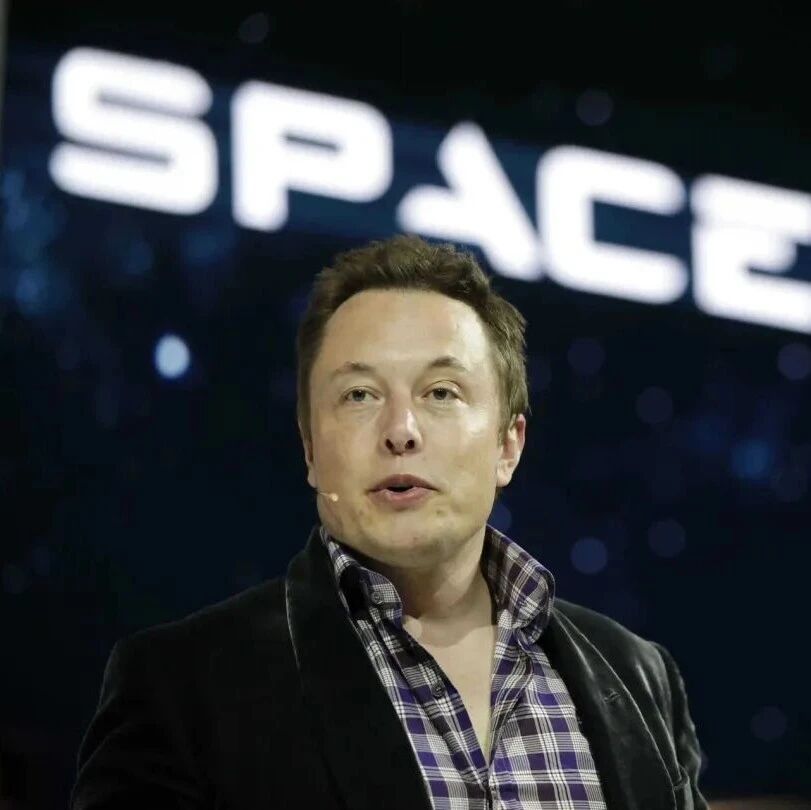
SpaceX向上市冲刺:拟IPO用双重股权结构,与xAI合并后考虑重组债务
Hua Er Jie Jian Wen· 2026-02-13 19:18
Core Insights - SpaceX is preparing for an IPO later this year, aiming to raise up to $50 billion while implementing a dual-class share structure to maintain Elon Musk's control and address significant debt from the merger with xAI [1][2] Group 1: Dual-Class Share Structure - The dual-class share structure will grant specific shareholders, including Musk, enhanced voting rights, allowing him to retain control despite holding a minority stake [1][2] - This strategy mirrors Musk's previous proposals for Tesla, where he sought to ensure at least 25% voting control [2] - Dual-class structures are common in U.S. tech companies, providing founders with greater decision-making power while critics argue it reduces accountability [2] Group 2: Debt Restructuring - SpaceX faces the urgent task of managing approximately $18 billion in debt accumulated from Musk's acquisition of Twitter and the establishment of xAI [3][4] - Morgan Stanley is expected to play a leading role in the financing plan to alleviate the debt burden before the IPO [3] - The debt from the Twitter acquisition continues to impact xAI, with significant monthly interest payments [3][4] Group 3: Financial Performance and Risks - SpaceX is projected to generate $15 to $16 billion in revenue by 2025, with an EBITDA of around $8 billion and a profit margin of approximately 50% [5] - In contrast, xAI is struggling financially, with only about $210 million in revenue for the first nine months of 2025 and a cash burn rate of $8 to $9.5 billion [5] - SpaceX has committed to investing $2 billion into xAI, but competition for resources in the AI sector remains intense [5][6] Group 4: IPO Timeline and Market Context - SpaceX aims for a record-setting IPO around mid-June 2026, coinciding with significant astronomical events and Musk's birthday [7][8] - The company is expected to be valued at over $1.5 trillion during the IPO, surpassing the previous record set by Saudi Aramco [7] - The timeline for the IPO is considered tight, with necessary regulatory filings and market conditions posing challenges [7][8]
马斯克:我在遥望,月亮之上
Sou Hu Cai Jing· 2026-02-12 00:36
Core Viewpoint - SpaceX is shifting its focus from a manned Mars landing to prioritizing the construction of a lunar settlement, marking a significant change in its space exploration strategy [1][2]. Group 1: Strategic Shift - The new strategy represents a rational return from a long-term Mars vision to a more immediate lunar project, emphasizing a phased approach: "lunar foundation, Mars follow-up, deep space extension" [3]. - The decision to delay the Mars plan is a departure from Elon Musk's long-standing advocacy for Mars colonization, which has been a core goal since the founding of SpaceX [4][6]. Group 2: Lunar Settlement Plans - SpaceX's lunar strategy involves a "three-step" approach, focusing on technological upgrades and the integration of AI capabilities for lunar infrastructure development [8][9]. - The company aims to complete the adaptation and verification of its Starship for lunar missions within the next 1-3 years, with goals of achieving an unmanned lunar landing by 2027 and a manned return by 2028 [11]. Group 3: Technological and Financial Considerations - The shift to lunar exploration is driven by the technical feasibility of lunar missions compared to Mars, which faces significant challenges such as long travel times and high risks [19]. - Financially, the lunar project benefits from a $4 billion partnership with NASA, which provides stable funding for development and testing, unlike the Mars plan that relies on SpaceX's own resources [22][23]. Group 4: Political Context - The strategic adjustment aligns with the U.S. government's renewed focus on commercial space exploration as part of national security, with SpaceX positioned as a key player in this landscape [24].
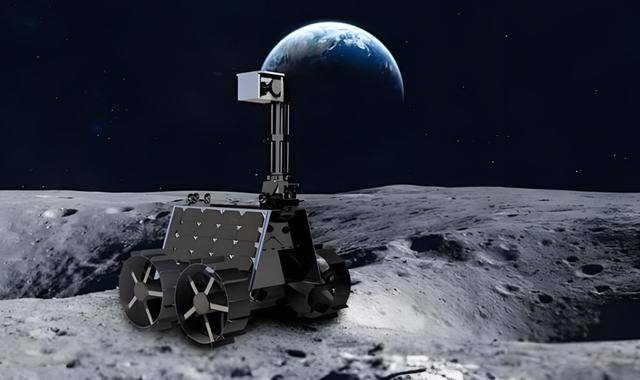
马斯克放狠话!特斯拉要冲百万亿市值,10年内要建月球城市
Sou Hu Cai Jing· 2026-02-09 13:15
Core Viewpoint - The ambitious claims made by Elon Musk regarding Tesla's potential market value reaching $100 trillion and the establishment of a city on the Moon within 10 years are viewed as unrealistic and speculative, with skepticism surrounding their feasibility [1][2][5]. Group 1: Tesla's Market Value - An aggressive investor has suggested that Tesla's market value could reach $100 trillion, which would require a 65-fold increase from its current value of $1.5 trillion [1]. - The combined market capitalization of the top ten companies, including Nvidia, Apple, Microsoft, and Tesla, is approximately $26 trillion, making the proposed target seem implausible [1]. - Musk acknowledged the difficulty of achieving such a target, stating that it would require immense effort and luck, but he did not dismiss the possibility entirely [1]. Group 2: SpaceX and Lunar City - Musk announced that SpaceX is shifting its focus to building a self-expanding city on the Moon, with a goal to achieve this within 10 years, while a mission to Mars would take over 20 years [2][4]. - The feasibility of constructing a city on the Moon is attributed to more favorable conditions for lunar travel compared to Mars, with launch opportunities occurring every 10 days for the Moon versus every 26 months for Mars [4]. - Despite having secured a $4 billion contract with NASA for lunar landing projects, there are concerns about Musk's track record of project delays and unfulfilled promises [7][8].

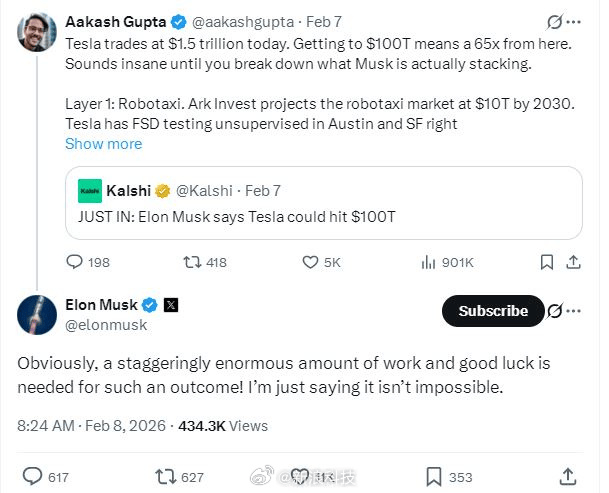
马斯克突然喊话“重返月球”!SpaceX要搞什么大事?
Xin Lang Cai Jing· 2026-02-09 11:06
Core Viewpoint - Elon Musk has shifted focus from Mars colonization to lunar exploration, stating that the Moon is the first step for humanity towards the stars, driven by time efficiency, policy pressures, and commercial viability [2][11]. Group 1: Reasons for the Shift - Time efficiency favors lunar missions, with a launch window every 10 days and a travel time of 3 days, compared to Mars which has a 26-month wait and a 6-month journey [2][11]. - Policy pressures from the U.S. government mandate a return of astronauts to the Moon by 2028, with SpaceX as a key contractor for NASA on a multi-billion dollar contract [2][11]. - The Moon presents quicker financial returns through NASA contracts and potential resource extraction, such as helium-3 for fusion energy, and opportunities for commercial ventures like hotels [2][11]. Group 2: SpaceX's Ambitious Plans - SpaceX plans to establish a "construction frenzy" on the Moon, utilizing AI satellites for environmental monitoring and building factories to 3D print materials from lunar regolith [3][12]. - The company aims to deploy 1 million satellites to create the first orbital data center, addressing AI computational needs on Earth, with a projected cost reduction for space computing to one-tenth of current Earth costs within four years [3][12]. - SpaceX's valuation has surged to $1.25 trillion, with an IPO planned for summer 2026, potentially raising over $30 billion, reflecting strong market interest in lunar initiatives [3][12]. Group 3: Challenges and Future Plans - Technical challenges include lunar dust damaging equipment, extreme temperatures during lunar nights, and high costs for transporting water from Earth [6][14]. - Ethical concerns arise regarding lunar resource extraction rights and the potential for conflict over these resources, alongside public skepticism about prioritizing commercial interests over scientific research [6][14]. - SpaceX plans to launch an unmanned lunar mission in March 2027 and establish the first lunar base by 2030, which could serve as a testing ground for technologies needed for future Mars colonization [6][14].

马斯克:10年内建成月球城市
财联社· 2026-02-09 06:13
Core Viewpoint - SpaceX has shifted its focus to building a self-sustaining city on the Moon, with expectations to achieve this within a decade, while still pursuing its long-term vision for Mars, which is projected to take over 20 years [3][4]. Group 1: Strategic Shift - Elon Musk announced that SpaceX's primary focus is now on lunar city construction, which can be achieved faster than Mars colonization due to shorter travel times and more frequent launch opportunities [3][4]. - The company plans to start efforts for Mars city construction within 5 to 7 years, but emphasizes that lunar development is the immediate priority for ensuring the future of civilization [4]. Group 2: NASA's Artemis Program - SpaceX won a $4 billion contract from NASA to develop a lunar lander for the Artemis program, which aims to establish a long-term human presence on the Moon and prepare for future Mars missions [4][5]. - The Artemis 3 mission, originally scheduled for 2024, has been delayed to 2027, while Artemis 2 is now set for April 2026 [5]. Group 3: Self-Sustaining City Concept - Analysts highlight the importance of the "self-expanding" concept for the lunar city, which requires the base to be self-sufficient and capable of continuous expansion through automation and robotics [5]. - SpaceX has already demonstrated concepts for using lunar regolith to create building materials and extract oxygen and water, aligning with the vision of a self-sustaining city [5].
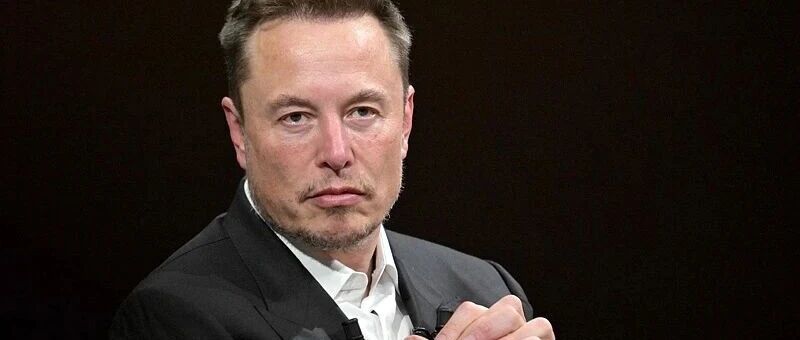
SpaceX-从-变革-中崛起的-星际先行者
2026-02-05 02:21
Summary of SpaceX Conference Call Company Overview - **Company**: SpaceX - **Industry**: Commercial Space Industry Key Points and Arguments Starlink Program - The Starlink program is expected to generate revenues of $22-24 billion by 2026, significantly impacting the global communication market, especially among maritime vessels and B2B clients, demonstrating high customer retention [1][2][3] - SpaceX currently has 9,513 satellites in orbit, while China has only 1,467, indicating a dominant market position [2] Launch Cost Reduction - SpaceX has reduced launch costs to less than one-tenth of traditional rockets through the Falcon series, with Falcon 9's launch cost estimated at $1,000 to $2,000 per kilogram [1][5] - In 2025, SpaceX plans to complete 167 launches, accounting for the majority of U.S. launches [5][14] Starship Rocket Innovations - The Starship rocket is the only fully reusable two-stage rocket globally, utilizing low-cost stainless steel and optimized Raptor engines, reducing engine costs to below $500,000 [1][9][10] - The use of stainless steel allows for multiple reuses and stability in extreme temperatures, further lowering transportation costs [9] Future Goals and Market Position - Elon Musk aims to make space the most cost-effective data center within five years, addressing power and cooling challenges faced by terrestrial data centers [1][15] - SpaceX plans to dominate global orbital payloads, projecting to carry over 98% by 2027 [11] Challenges in Space Computing - Space computing centers face significant technical challenges, including heat dissipation, deployment costs, and rapid hardware iteration [19][20] - The operational cost of space data centers could be as low as 5% of terrestrial centers over ten years, presenting a compelling economic advantage [18] Lunar and Mars Exploration - NASA and SpaceX have detailed plans for lunar and Mars exploration, with NASA focusing on asset claims in space and Musk planning unmanned Mars tests by 2026 [22] - The potential value of lunar resources, such as Helium-3 and rare earth materials, is significant, with SpaceX controlling the only transport route to these resources [23] Technical and Operational Bottlenecks - Key challenges for space computing include high deployment costs, maintenance difficulties, rapid hardware obsolescence, and low data interaction rates with Earth [20][21] - The need for high-frequency orbital resupply and energy logistics is critical for successful Mars missions [24] Additional Important Insights - SpaceX's competitive advantage over domestic commercial space companies is highlighted by its mature business model, including its own satellites and rockets, and significantly lower launch costs [14] - The strategic implications of lunar resource development and Mars exploration could reshape global political dynamics, giving the U.S. a strategic edge [22][23]
SpaceX启动IPO进程,向非美银行开放承销邀请
Sou Hu Cai Jing· 2026-02-04 23:41
Core Viewpoint - SpaceX is advancing its IPO plans by inviting international banks to participate in the underwriting process, aiming for a completion within the year, which is considered an aggressive timeline [2][4]. Group 1: IPO Details - SpaceX has begun inviting foreign banks to take on underwriting roles for its IPO, indicating a push to enhance the global impact of the offering [2]. - The company has already selected major Wall Street firms, including Bank of America, Goldman Sachs, JPMorgan Chase, and Morgan Stanley, as lead underwriters [2]. - Recent market rumors suggest that SpaceX's valuation range has been significantly increased, with estimates now between $1.25 trillion and $1.5 trillion, compared to earlier secondary market valuations of approximately $800 billion [4]. Group 2: Strategic Implications - The introduction of international banks may optimize the underwriting structure to support substantial financing needs, reflecting SpaceX's ambition for a large-scale IPO [4]. - The IPO process has been a focal point in recent years, with Elon Musk indicating that the company would consider going public after achieving stable cash flow and key technological milestones [4][6]. - The Starlink satellite internet business has become a primary cash source for SpaceX, contributing to the rapid increase in overall valuation [4]. Group 3: Market Context and Future Outlook - SpaceX has not officially confirmed specific details or timelines for the IPO, and Musk has previously delayed plans to prioritize the company's long-term mission [6]. - The decision to open underwriting to non-U.S. banks may be a strategic move to address complex geopolitical, regulatory, and investor diversification needs in the current global capital market environment [6]. - If the IPO proceeds successfully, it could significantly alter the commercial space landscape and further solidify Musk's status as a leading entrepreneur [6].
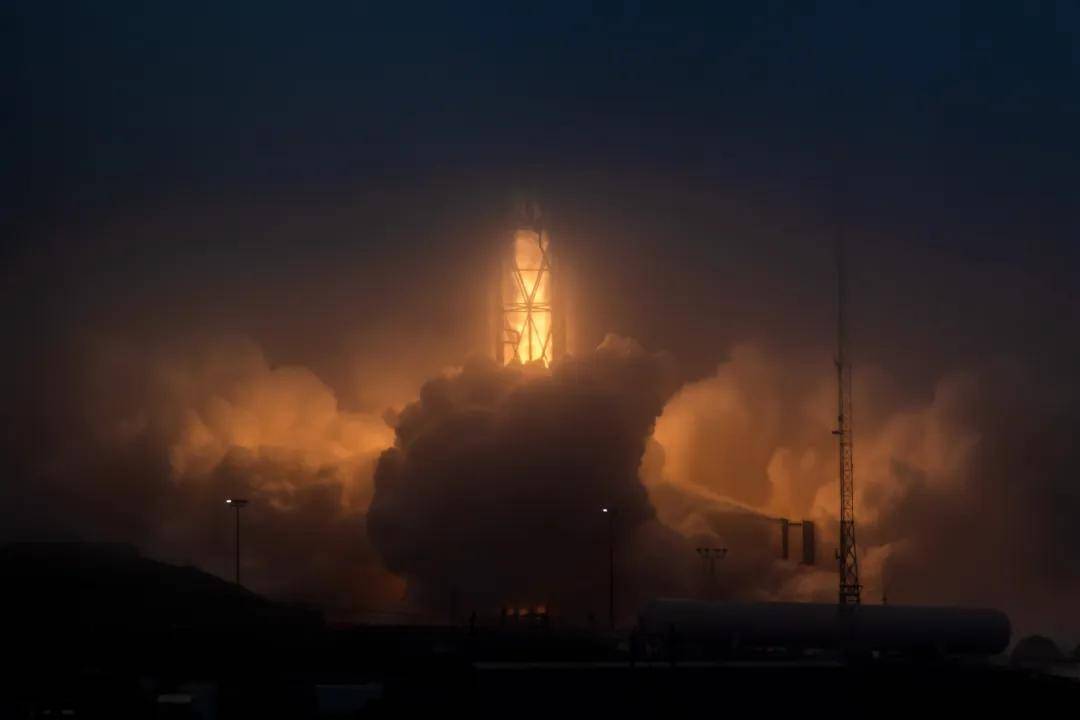
SpaceX计划部署由100万颗卫星组成的「轨道数据中心系统」
Xin Lang Cai Jing· 2026-02-03 12:24
Group 1 - SpaceX has submitted its initial public offering (IPO) application, aiming to enhance its competitive position in the AI sector through a potential merger with xAI [1] - The company plans to deploy a satellite network consisting of up to 1 million satellites to provide solar-powered data centers, addressing the growing demand for AI computing capabilities [2][3] - Currently, there are approximately 15,000 satellites in orbit globally, making the feasibility of launching 1 million satellites relatively low, as previous applications for satellite launches have exceeded actual deployment [5] Group 2 - The proposed orbital data center system aims to significantly reduce operational and maintenance costs by utilizing near-continuous solar energy, thus improving cost and energy efficiency while minimizing environmental impact [5] - SpaceX emphasizes that the orbital data center will be the most effective way to meet the increasing demand for AI computing power, especially as energy costs for terrestrial data centers continue to rise [5][6] - The Starship rocket program, which has completed 11 test flights since 2023, is crucial for launching advanced satellites and expanding the Starlink network, potentially alleviating ground power shortages and reducing carbon footprints [6]
马斯克将xAI并入SpaceX打造太空AI数据中心计划
Sou Hu Cai Jing· 2026-02-03 10:00
Core Viewpoint - Elon Musk announced that SpaceX has acquired its AI company xAI, and the two will collaborate to build space data centers powered by solar energy [2] Group 1: SpaceX and xAI Collaboration - The collaboration marks a new chapter for both SpaceX and xAI, aiming to create a perceptive solar system to understand the universe [2] - Musk believes that Earth’s resources cannot meet the demands of AI, necessitating the construction of data centers in space, where unlimited solar energy can power AI needs [2] Group 2: Cost and Capacity Projections - Musk estimates that within two to three years, the lowest cost for generating AI computing power will be in space, asserting that space-based AI is the only scalable solution in the long term [2] - SpaceX's Starship rocket is expected to eventually launch at a frequency of once per hour, carrying 200 tons of payload each flight [2] - The basic calculation suggests that launching 1 million tons of satellites annually could generate 100 gigawatts of AI computing capacity, potentially reaching 1 terawatt of computing power from Earth each year [2] Group 3: Moon and Deep Space Plans - Musk proposes that factories on the Moon could utilize lunar resources to manufacture satellites for deployment in deeper space, potentially launching 500 to 1,000 terawatts of AI satellites annually [3] - This concept aligns with similar ideas previously suggested by other tech leaders, including Jeff Bezos and Google, who have also explored the potential of space for AI development [3][4] Group 4: Ethical Considerations - The article does not address the ethical implications of Musk's ideas, despite previous controversies surrounding AI services provided by his companies [3]