AI算力竞争

Search documents
未知机构:板块转发国金电新电网大涨国内变压器工厂爆单重申看好电力设备出口-20260203
未知机构· 2026-02-03 02:15
Summary of Conference Call Notes Industry Overview - The transformer manufacturing sector in China is experiencing a surge in demand, with factories in Guangdong and Jiangsu operating at full capacity, and some orders for data center projects extending to 2027 [1] - The delivery cycle for the U.S. market has increased from 50 weeks to 127 weeks, indicating a significant backlog in supply [1] Core Insights and Arguments - The demand side is exceeding expectations due to the initiation of new energy construction and grid upgrades since 2023, alongside an anticipated AI boom in 2025 that is accelerating data center development [1] - On the supply side, there is a rigid production capacity, and delays in expansion plans from overseas manufacturers are contributing to a high dependency on electric transformers [1] - The industry has faced long periods of low profit margins prior to 2023, leading to a reduction in production capacity and a loss of skilled labor [1] - Major companies like Siemens Energy and Hyundai Electric are experiencing delays in capacity expansion due to postponed training for technical personnel [1] Additional Important Points - China's transformer production capacity accounts for 60% of the global market, with delivery cycles being less than one-fifth of that of European and American companies, which aligns with the urgent need for AI computing power and data center construction [2] - A review of current expansion plans from overseas manufacturers indicates that by 2030, there will still be a 10% shortage of electric transformers in Europe and the U.S., suggesting continued benefits for domestic companies from overseas orders [2] Investment Recommendations - Suggested investments include high-voltage equipment exports and components from companies such as Siyi Electric, TBEA, and Huaming Equipment [2] - Domestic investment opportunities are identified in companies like Pinggao Electric, China West Electric, XJ Electric, and Guodian NARI [2]


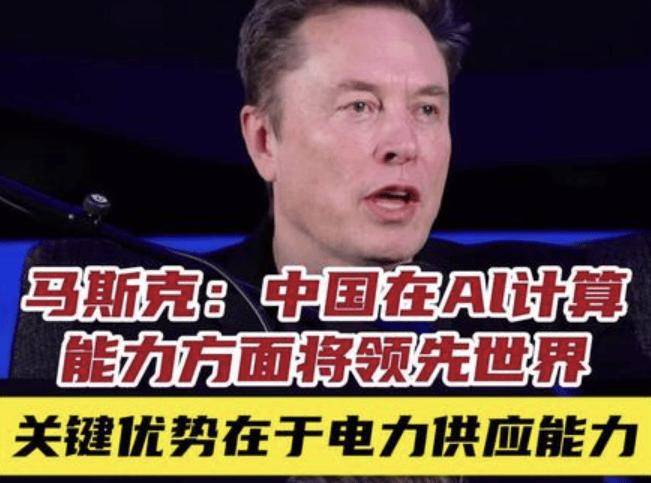
马斯克:AI算力之争,中国已领先一步
Sou Hu Cai Jing· 2026-01-12 00:56
Group 1 - The core argument presented by Elon Musk is that the future competition in AI computing power will hinge on electricity rather than chips [4][5] - China has established a structural advantage in meeting the electricity demands of large AI data centers, which can consume power equivalent to that of a small city [5][6] - By 2026, China's annual electricity generation is projected to reach three times that of the United States, indicating that the limiting factor for AI development will be electricity supply rather than computing power [6][7] Group 2 - Goldman Sachs predicts that by 2030, China will have a "global-level electricity redundancy," allowing it to support the surge in electricity demand from the AI industry, while the electricity gap for U.S. data centers is expanding at a rate of 15% annually [7][8] - Increasingly, tech giants are recognizing the importance of electricity on par with chips, with calls for the U.S. to elevate energy investment to a strategic level similar to that of chip development [8][9] - Morgan Stanley has raised its forecast for the electricity gap in U.S. data centers by 35%, indicating that China will have a higher "available computing power" under similar chip supply conditions [9][10] Group 3 - The shift in capital investment is evident, with global tech companies reassessing their computing power locations to prioritize areas with stable, low-cost electricity [11][12] - The rules of AI competition are evolving from a focus on algorithms and chips to include electricity and infrastructure resilience, suggesting that control over electricity will dictate the long-term limits of AI capabilities [11][12] - Plans for three supercomputing centers in Europe have been halted, with resources redirected to regions in western China rich in hydropower [12]

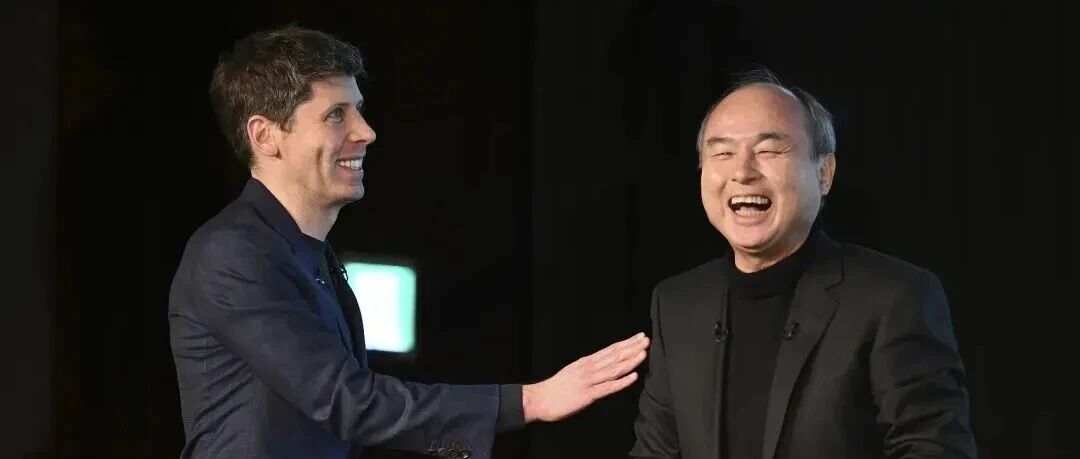
获OpenAI 、软银10亿美元联合投资,SB Energy,正在成为AI算力竞争的底牌
创业邦· 2026-01-10 10:38
Core Viewpoint - The AI competition is shifting from algorithmic advancements to a focus on foundational infrastructure, including energy, land, and data center capabilities, as evidenced by the investment in SB Energy by OpenAI and SoftBank [2][3]. Group 1: Investment and Strategic Partnerships - OpenAI and SoftBank have jointly invested $1 billion in SB Energy, with each contributing $500 million to support the development of data centers in the U.S. [2][4]. - This investment is part of the larger Stargate initiative, which aims to invest $500 billion in AI-specific data centers and infrastructure over four years [3][9]. - SB Energy has previously secured $800 million from Ares Infrastructure Opportunities Fund to support its energy and data center projects [6]. Group 2: Energy Supply and Infrastructure - The competition for AI capabilities is increasingly centered around stable and scalable energy supply, which is crucial for the operation of AI data centers [6][10]. - SB Energy has developed significant energy infrastructure, including a 1.36 GW storage facility in California and a 900 MW solar park in Texas, which will serve as a core power supplier for local data centers [12][13]. - Unlike traditional energy companies, SB Energy's competitive edge lies in its comprehensive capabilities across energy development, grid integration, and data center infrastructure [13]. Group 3: OpenAI's Choice of SB Energy - OpenAI's decision to partner with SB Energy reflects a fundamental shift in infrastructure needs, prioritizing stable energy supply over traditional data center resources [15][16]. - The operational model of SB Energy aligns with OpenAI's requirements for long-term, customized data center solutions rather than short-term leasing [19]. - The deep capital connection between SoftBank and OpenAI positions SB Energy as a core partner in OpenAI's long-term strategy, integrating capital, technology, and infrastructure [20]. Group 4: Future Developments and Trends - The collaboration will see SB Energy responsible for constructing and operating a 1.2 GW data center in Texas, which will be strategically located near solar energy resources [22][25]. - SB Energy is also advancing plans for a second data center capable of supporting over 1 GW of computational infrastructure, aligning with the needs of leading AI platforms [25]. - OpenAI aims to integrate its technology with SB Energy's operations, enhancing internal processes through the use of AI models [27][28]. Group 5: Conclusion on Industry Trends - The value of SB Energy lies in its representation of a broader industry trend where AI competition is increasingly focused on real-world infrastructure rather than just cloud-based algorithms [30]. - The success of AI companies will depend on their ability to secure stable energy supplies and efficient infrastructure, establishing a critical barrier to entry in the competitive landscape [30].

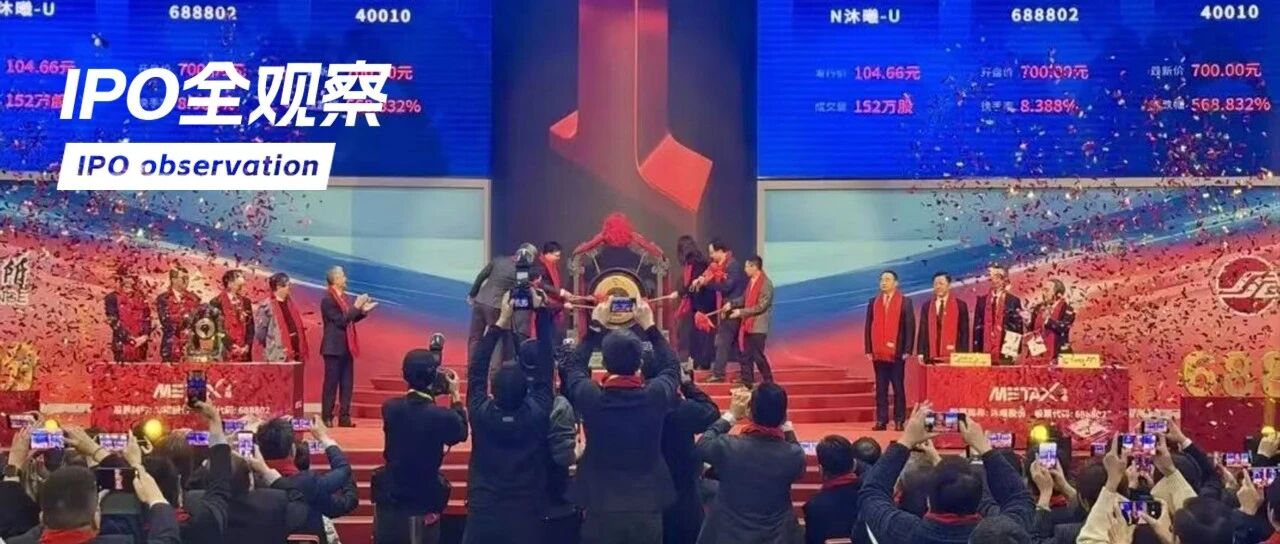
3000亿!国产GPU第二股沐曦IPO,早期投资人大赚超百亿
创业邦· 2025-12-17 03:18
Core Viewpoint - The article discusses the successful IPO of Muxi Co., a general-purpose GPU company, highlighting its market performance, funding, and competitive positioning in the AI computing sector. Group 1: IPO Details - Muxi Co. had an IPO stock price of 104.66 yuan per share, issuing 40.1 million shares, representing about 10% of the total share capital, with a market capitalization of 419 billion yuan and raising approximately 4.2 billion yuan in total funds [2][4] - On its first trading day, Muxi's stock price surged over 500%, leading to a market capitalization exceeding 2600 billion yuan [2][4] Group 2: Company Overview - The core founder, Chen Weiliang, holds about 15% of the company's shares, controlling nearly 21% of the total shares, with a net worth of approximately 40 billion yuan based on the market capitalization [4] - Muxi specializes in AI large model computing with its GPU product lines, including the Xiyun series for AI training and inference and the Xisi series for AI inference [4] Group 3: Competitive Landscape - Muxi's GPUs are currently not included in the procurement lists of major companies like Tencent, Alibaba, and ByteDance, with domestic GPUs still needing years to catch up to NVIDIA's current offerings [6] - The company aims to achieve risk mass production of its Xiyun C600 GPU by December 2025, which is expected to outperform NVIDIA's H20 version [4][17] Group 4: Funding and Investment - Muxi has received significant investments from various institutions, with major shareholders including Ge Weidong's Chaos Capital, which holds 6.73% of the shares, and other investors like Matrix Partners and Sequoia Capital [6][27] - The total investment from Ge Weidong and Chaos Capital amounts to approximately 14 billion yuan, with a current share value of 174 billion yuan, yielding a return multiple of 12 times [6][34] Group 5: Financial Performance - Muxi's revenue for 2022, 2023, and 2024 was 4.26 million yuan, 53.02 million yuan, and 740 million yuan, respectively, with net losses of 78 million yuan, 87 million yuan, and 1.4 billion yuan [17] - In the first quarter of 2025, Muxi reported revenues of 300 million yuan, with a net loss of 200 million yuan [17] Group 6: Market Positioning - Muxi's products are primarily targeted at AI computing, with the Xiyun series accounting for nearly 98% of the revenue in the first quarter of 2025 [18] - The company has a high customer concentration, with major clients contributing nearly 70% of its revenue [18] Group 7: Future Outlook - Muxi plans to allocate nearly half of the 4.2 billion yuan raised from the IPO for the development of the Xiyun C700 GPU, with additional funds directed towards new AI inference GPUs and GPUs for new fields [4][17] - The competitive landscape remains dynamic, with ongoing uncertainties in technology iteration and market demand, indicating that the competition in AI computing is far from over [6][51]
马斯克画的上天大饼,中国人已经在做了
3 6 Ke· 2025-11-25 01:45
Core Insights - Elon Musk's ambitious plan to build AI data centers in space is gaining traction, with China already making significant advancements in this area [1][27] - The competition for computational power in AI is intensifying, with major tech companies investing heavily in data center infrastructure [7][14] Group 1: Space Data Centers - Musk's vision includes launching AI satellites to create a space-based data center, which could provide energy and computational power far exceeding Earth's capabilities [11][13] - The proposed space data centers would utilize solar energy, taking advantage of the higher efficiency of solar panels in space compared to Earth [11][17] - The cooling challenges faced by terrestrial data centers could be mitigated in space due to the extreme cold of the environment, allowing for more efficient heat dissipation [12][22] Group 2: Investment and Infrastructure - Major tech companies, including Amazon and Google, are exploring similar concepts for space data centers, indicating a broader industry trend towards off-Earth computational solutions [14][16] - Amazon's Project Kuiper and Google's Project Suncatcher are examples of initiatives aimed at integrating AI capabilities with space infrastructure [14][16] - The estimated capital expenditure for AI infrastructure by major tech firms in the next few years is projected to reach $1.2 trillion [7] Group 3: Challenges and Considerations - The primary challenge for space data centers is the high cost of launching equipment into space, which needs to be reduced significantly for the concept to be economically viable [25][27] - Concerns regarding the maintenance and upgrade of hardware in space, as well as protection against cosmic radiation, are significant hurdles that need to be addressed [22][23] - The timeline for achieving operational space data centers is debated, with some experts suggesting it may take a decade or more to become feasible [23][25] Group 4: China's Advancements - China has already launched its "Star Computing Plan," which includes a constellation of satellites designed for computational tasks, demonstrating a proactive approach in the space computing race [27] - The first satellite constellation launched by China includes 12 satellites capable of processing data in orbit, showcasing the potential for advanced computational capabilities in space [27]


国产GPU四小龙上市竞速,沐曦10月24日上会
是说芯语· 2025-10-18 07:37
Core Viewpoint - The article discusses the competitive landscape of domestic GPU companies in China, highlighting the upcoming IPO of Mu Xi Integrated Circuit and the recent success of Mo Er Thread, emphasizing the importance of capital in advancing technology and market positioning in the AI computing sector [1][2][4][8]. Group 1: Mu Xi Integrated Circuit - Mu Xi Integrated Circuit's IPO on the Sci-Tech Innovation Board is set for review on October 24, following the successful listing of Mo Er Thread [1]. - The company focuses on high-performance GPU chip development, with a product matrix covering AI computing, general computing, and graphics rendering, achieving over 25,000 units sold [2]. - Mu Xi aims to leverage capital to overcome technical bottlenecks in high-performance GPUs and enhance penetration in vertical sectors like education, finance, and healthcare [2]. Group 2: Mo Er Thread - Mo Er Thread has set a benchmark by successfully passing its IPO review, with its MTT S5000 chip nearing the performance level of NVIDIA's A100 [4]. - The company reported a revenue scale of 1.8 billion yuan and has over 2 billion yuan in pending orders, indicating market recognition of its technology [4]. - Mo Er Thread plans to use its proposed fundraising of 8 billion yuan entirely for the development of next-generation chips targeting AI training and graphics rendering [4]. Group 3: Other Competitors - Suiruan Technology and Biran Technology are in the preparatory stages for their IPOs, with unique technological highlights: Suiruan focuses on a "reasoning before training" strategy, while Biran's BR100 chip boasts performance three times that of the A100 [4][6][7]. - The progress of these companies may influence the capital landscape of the domestic GPU industry [4]. Group 4: Market Context - The global GPU market has been dominated by foreign manufacturers, with NVIDIA's CUDA ecosystem presenting significant barriers to entry for domestic firms [7]. - The urgency for domestic GPU companies to achieve self-sufficiency in computing power is underscored by NVIDIA's H100 graphics card price soaring to 200,000 yuan per unit [7]. - The high investment and complexity of GPU R&D are highlighted, with Mo Er Thread having accumulated losses exceeding 5 billion yuan over three years, indicating the need for substantial funding to alleviate R&D pressures [8]. Group 5: Future Implications - The outcome of Mu Xi's IPO review on October 24 will be pivotal in the ongoing capital race among domestic GPU companies [8]. - The collective push for IPOs among these companies represents a critical step in overcoming technological barriers and advancing China's autonomous computing infrastructure [8].

8点1氪:王健林“限高”系下属项目公司经济纠纷导致;微信支持聊天发live图了;特斯拉员工被机器臂重伤索赔5100万
36氪· 2025-09-30 00:38
Group 1 - Wanda Group's chairman Wang Jianlin was recently restricted from high consumption due to economic disputes involving a subsidiary project company, but the restriction information has been removed as of September 29 [5] - A Wanda insider stated that the issue arose from economic disputes and that both parties had been negotiating through various means, indicating a potential information asymmetry at the execution level [5] - As of September 29, the Chinese Execution Information Public Network no longer shows any high consumption restriction information related to Wang Jianlin [5] Group 2 - The Ministry of Industry and Information Technology and five other departments issued a "Mechanical Industry Stabilization Growth Work Plan (2025-2026)", aiming for an average annual revenue growth rate of about 3.5% and a revenue target exceeding 10 trillion yuan [7] - The plan emphasizes enhancing the resilience and safety of key industrial chains and supply chains, improving quality and efficiency, and fostering competitive small and medium-sized enterprises [7] Group 3 - Tesla is facing a lawsuit for $51 million from an employee who was severely injured by a malfunctioning robotic arm, with medical costs already reaching $1 million and expected to exceed $6 million for ongoing treatment [6] - The incident has been described by U.S. media as a "robot attack," which may heighten public concerns about robot safety and prompt regulatory scrutiny [7] Group 4 - LG H&H appointed former L'Oréal executive Lee Sun-joo as the new CEO, effective October 1 [12] - The company aims to enhance its market position and operational efficiency under the new leadership [12] Group 5 - Toyota reported a 2.2% year-on-year increase in global sales for August, driven by strong demand in the U.S. market, which saw a 13.6% sales growth, while sales in Japan declined by 12.1% [13] - The company continues to adapt to market demands and optimize its product offerings [13] Group 6 - Samsung is reducing prices for its 2nm process technology to attract major clients, offering wafers at $20,000 each, which is 33% cheaper than TSMC's pricing [13] - The company is actively engaging with major firms like NVIDIA and Qualcomm for performance evaluations and mass production preparations [13] Group 7 - CATL has invested in Beijing Galaxy General Robotics Co., which focuses on the development and sales of intelligent and industrial robots, indicating a strategic move into the robotics sector [14] - The registered capital of the company has increased to 42.26 million yuan, reflecting growth and investment in advanced technologies [14] Group 8 - XGIMI Technology has submitted an application for listing on the Hong Kong Stock Exchange, with CICC as the exclusive sponsor [15] - The move indicates the company's intention to expand its capital base and enhance its market presence [15] Group 9 - Sony Financial Group's stock was listed on September 29, marking a significant milestone for the company [17] - This listing is expected to enhance the company's financial capabilities and market visibility [17]
8点1氪|王健林“限高”系下属项目公司经济纠纷导致;微信支持聊天发live图了;特斯拉员工被机器臂重伤索赔5100万
3 6 Ke· 2025-09-30 00:08
Group 1 - Dalian Wanda Group and its chairman Wang Jianlin have been restricted from high consumption due to economic disputes involving a subsidiary project company, with ongoing negotiations to resolve the issue [2] - WeChat has officially announced new features for iOS users, including the ability to send Live Photos and a 5-second recall option for deleted chat messages, available in version 8.0.61 and above [3] - A Tesla employee is suing the company for $51 million after being severely injured by a malfunctioning robotic arm, with medical costs already reaching $1 million and expected to exceed $6 million [3] Group 2 - The Ministry of Industry and Information Technology and five other departments have issued a plan for the mechanical industry to maintain stable growth from 2025 to 2026, targeting an average annual revenue growth rate of around 3.5% and aiming for total revenue to exceed 10 trillion yuan [2] - China Mobile has been granted a license for satellite mobile communication services, allowing it to legally conduct satellite communication operations, enhancing emergency communication and services in remote areas [6] - LG H&H has appointed former L'Oréal executive Lee Sun-joo as the new CEO, effective October 1 [9] Group 3 - Toyota's global sales increased for the eighth consecutive month in August, driven by strong demand in the U.S. market, with a year-on-year sales growth of 2.2% to 844,963 vehicles [10] - Samsung is reducing prices for its 2nm process technology to attract major clients, offering wafers at $20,000 each, which is 33% cheaper than TSMC's pricing [10] - CATL has invested in Galaxy General Robotics, a company focused on the development of general-purpose robots, indicating a strategic move into the robotics sector [10] Group 4 - XGIMI Technology has submitted a listing application to the Hong Kong Stock Exchange, with CICC as the exclusive sponsor [11] - Natural堂 Global Holdings has also submitted a listing application to the Hong Kong Stock Exchange, with Huatai International and Credit Suisse as joint sponsors [13] - Sony Financial Group's stock was listed on September 29, marking a significant event for the company [14] Group 5 - A recent survey indicates that over 3,000 food items in Japan will see price increases in October, the highest number in six months, driven by rising rice prices [9] - The global AI competition is shifting from model competition to computing power competition, with significant investments announced by NVIDIA and OpenAI to build a massive AI data center [17] - Alibaba's Tongyi has seven models ranked among the top ten global open-source models, with the newly released Qwen3-Omni taking the top spot [18]
史诗级震撼!英伟达豪掷355亿入股英特尔,AI芯片产业要变天
Tai Mei Ti A P P· 2025-09-19 00:26
Core Viewpoint - NVIDIA announced a $5 billion investment in Intel at a price of $23.28 per share, marking a historic collaboration between the two companies to develop AI infrastructure and computing center products, aiming to accelerate applications in large-scale, enterprise, and consumer markets [2][4]. Investment Details - The investment follows Intel's recent $5.7 billion funding from the U.S. government and a $2 billion investment from SoftBank, representing Intel's first capital collaboration with NVIDIA in its 57-year history [4]. - Post-transaction, NVIDIA may hold over 4% of Intel's shares, making it one of Intel's major shareholders, which increases the value of U.S. government-held Intel shares to approximately $14 billion, yielding a paper profit of $4.9 billion since the agreement in August [4][5]. Market Reaction - Following the announcement, Intel's stock jumped 27.6% at the open, reaching a peak increase of 30%, and closing up approximately 22.8%, marking its largest single-day gain since October 1987 [4]. - NVIDIA's market capitalization increased by over $75 billion, while Intel's rose by over $27 billion, leading to a combined market value increase of over $100 billion (approximately 720 billion yuan) [5]. Strategic Rationale - The collaboration is seen as a strategic move for NVIDIA to invest in a declining Intel, with three main reasons: both companies are significant players supported by the U.S. government, Intel's x86 architecture complements NVIDIA's AI chip development, and it prepares for future mergers and business integrations [8][9]. - NVIDIA's investment is expected to provide Intel with new opportunities, especially as Intel has struggled in the high-performance chip market [9]. Future Collaboration - The partnership will focus on integrating NVIDIA's GPU AI and accelerated computing advantages with Intel's CPU technology and x86 ecosystem, aiming to provide advanced technology solutions [12][13]. - Intel will develop NVIDIA-customized x86 CPUs for data centers, while also creating integrated NVIDIA RTX GPU chipsets for personal computing [13]. Industry Context - The collaboration comes amid increasing competition in AI computing power, particularly between the U.S. and China, with NVIDIA facing export restrictions on AI chips to China [17][20]. - NVIDIA's CEO expressed disappointment over the current state of the Chinese market, which has seen a decline in revenue, despite the potential for significant opportunities [20][21].