猪油渣

Search documents
减脂人“避雷”!这6种食物看着干巴,实则是“脂肪大户”
Xin Lang Cai Jing· 2026-01-24 10:16
Core Insights - Many people mistakenly avoid high-fat foods while consuming seemingly low-calorie options that are actually high in fat, leading to potential weight gain and health issues Group 1: Misleading Food Products - Meat floss, often perceived as high-protein and low-fat, actually contains significant amounts of fat and calories due to the oil used in its preparation [1][3][4] - Chicken floss can have a protein content of 37 grams per 100 grams, but its fat content can rise to 18.3 grams, with a caloric value of 458 kcal [3] - Beef floss, made from hind leg meat, has a protein content of 42 grams per 100 grams, but fat can increase to nearly 28 grams, with a caloric value of 525 kcal [4] - Pork floss typically contains over 20 grams of fat and around 500 kcal per 100 grams, significantly higher than the fresh meat it is derived from [5] Group 2: Health Risks of Processed Foods - Processed meat floss lacks satiety, leading to overeating, and often contains high sodium levels, which can negatively impact blood pressure [7] - Fried fruit and vegetable chips, marketed as healthy, can have fat content as high as 20%-30%, comparable to fried potato chips, with caloric values reaching 488 kcal for certain varieties [10] - Dry yogurt, while high in protein, can have fat content exceeding 10 grams per 100 grams, making it more calorically dense than regular yogurt [11][13] - Pork cracklings, despite appearing dry, can contain up to 65 grams of fat per 100 grams, significantly higher than fresh pork belly [14][16] Group 3: Nutritional Comparisons - Dried tofu (fu zhu) has a fat content of 21.7 grams and a caloric value of 461 kcal per 100 grams, which is higher than many other protein sources [19] - Chicken feet, often considered a source of collagen, contain 16.4 grams of fat and 254 kcal per 100 grams, exceeding the fat content of chicken breast [24] Group 4: Recommendations for Healthier Choices - Consumers are advised to choose non-fried, low-fat options when selecting meat floss and to check nutritional labels carefully [7][10] - For fruit and vegetable chips, selecting products made with freeze-drying technology can help retain nutritional value without added fats [10] - When consuming yogurt, opting for lower-fat or non-added sugar varieties can help manage caloric intake while maintaining protein benefits [13] - It is recommended to limit the intake of high-fat foods like pork cracklings and chicken feet, treating them as occasional indulgences rather than regular dietary staples [16][24]


看上去干巴巴吃进嘴里全是油 盘点那些意想不到的高脂食物
Xin Lang Cai Jing· 2026-01-22 23:18
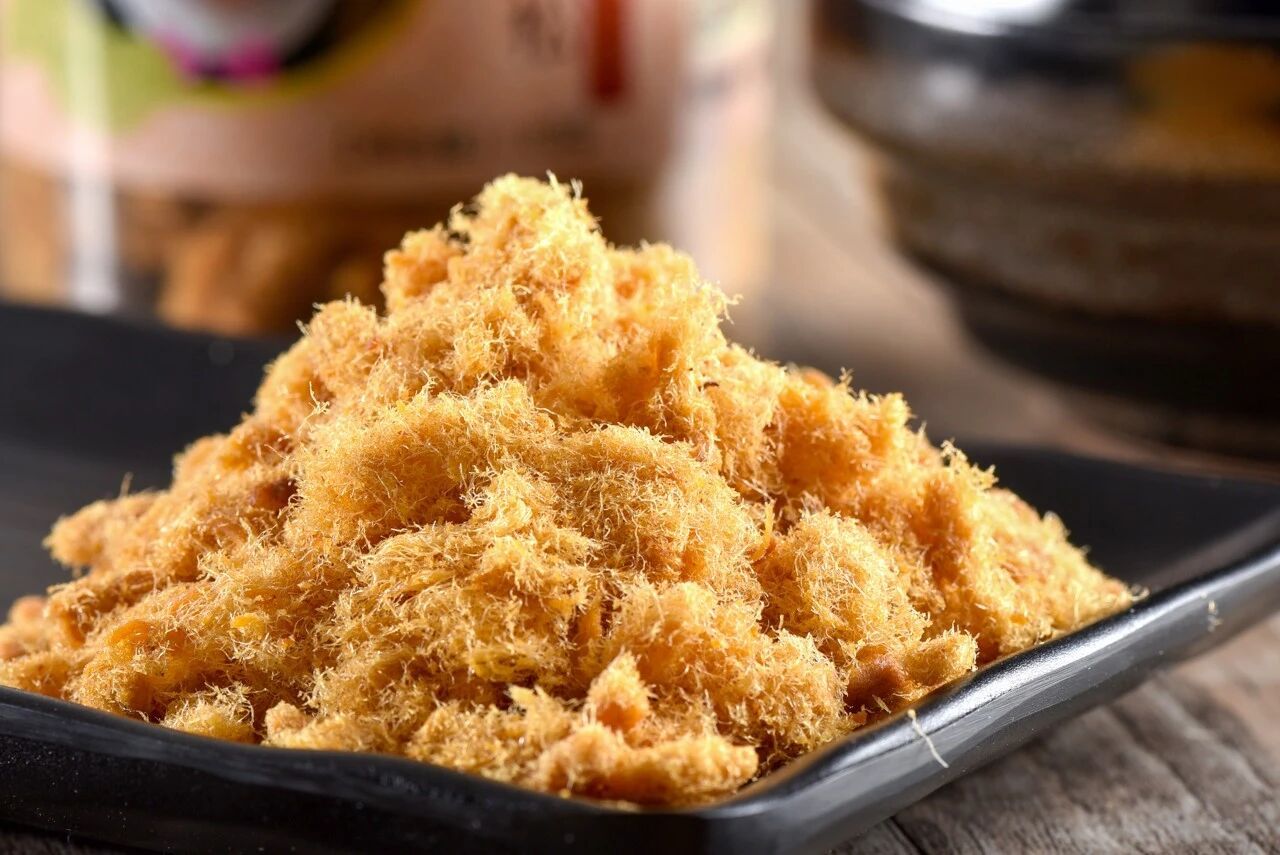
Core Viewpoint - Many people pursuing health and weight loss are misled by the appearance of foods that seem low in fat and calories, leading to unintentional high-fat consumption. The article highlights six foods that appear dry but are actually high in fat and calories, cautioning those who wish to manage their weight [1]. Group 1: Meat Floss - Meat floss, often perceived as high-protein and low-fat, is actually high in fat due to the oil used in its preparation. For instance, chicken floss can have a fat content of 18.3 grams per 100 grams, compared to only 1.9 grams in chicken breast [4][5]. - Beef floss made from hind leg meat can contain up to 28 grams of fat per 100 grams, significantly higher than the 2 grams found in the raw meat [6]. - Pork floss typically has over 20 grams of fat per 100 grams, compared to 7.9 grams in pork tenderloin [7]. Group 2: Fried Fruit and Vegetable Chips - Fried fruit and vegetable chips, often marketed as healthy, can have fat content ranging from 20% to 30%, similar to fried potato chips. For example, fried mushroom chips can contain 20.7 grams of fat per 100 grams, compared to only 0.3 grams in fresh mushrooms [10]. Group 3: Thick Yogurt - Thick yogurt, while higher in protein, can have fat content exceeding 10 grams per 100 grams, which is more than double that of regular yogurt. A 200-gram serving of thick yogurt could lead to an intake of nearly 20 grams of fat [11]. Group 4: Pork Cracklings - Pork cracklings, despite appearing dry, can contain 50 to 65 grams of fat per 100 grams, which is significantly higher than the 35 grams found in pork belly. The caloric content can reach 600 to 700 calories per 100 grams [12][13]. Group 5: Dried Tofu Skin - Dried tofu skin, or "fu zhu," can have a fat content of 21.7 grams per 100 grams, with a caloric value of 461 calories, making it higher in calories than pork intestines [15]. Group 6: Chicken Feet - Chicken feet, often thought to be healthy due to their collagen content, actually contain 16.4 grams of fat and 254 calories per 100 grams, which is higher than chicken breast and some pork cuts [17]. Health Recommendations - It is advised to carefully read food labels and nutritional information to avoid high-fat foods that may appear healthy. Choosing products with lower fat and sodium content is recommended for better health management [9][18].
猪油捞饭与猪油渣
Hu Xiu· 2025-05-07 10:52
Core Insights - The article emphasizes the importance of pork quality, particularly from pigs raised on mixed grains, which enhances the flavor of dishes like pork rice [1] - The narrative reflects on traditional pig farming practices, highlighting the emotional connection and meticulous care involved in raising pigs [1][2] Group 1: Pig Farming Practices - The family historically raised local pigs known as "塘猪," which are characterized by their short stature and distinctive black and white markings, producing flavorful meat [1] - The transition to raising "长白猪" was made due to its faster growth and better market alignment, indicating a shift in farming strategy to meet economic demands [1] - Traditional feeding methods included using homegrown crops like cassava, sweet potatoes, and various vegetables, showcasing a sustainable approach to pig farming [1] Group 2: Culinary Traditions - The process of cooking pork, particularly the "腩尾" (pork belly tail), is described as simple yet reliant on the quality of the ingredients, emphasizing the use of local cooking tools like clay pots [3] - The article details the preparation of pork lard and the significance of "猪油渣" (pork cracklings) in local cuisine, highlighting its role in enhancing flavors in dishes [4][5] - The nostalgic connection to food is evident, as the author recalls childhood experiences with pork dishes and the joy they brought, reflecting the cultural importance of these culinary practices [5]
叮咚买菜跨界“养猪”了
Sou Hu Cai Jing· 2025-05-02 02:42
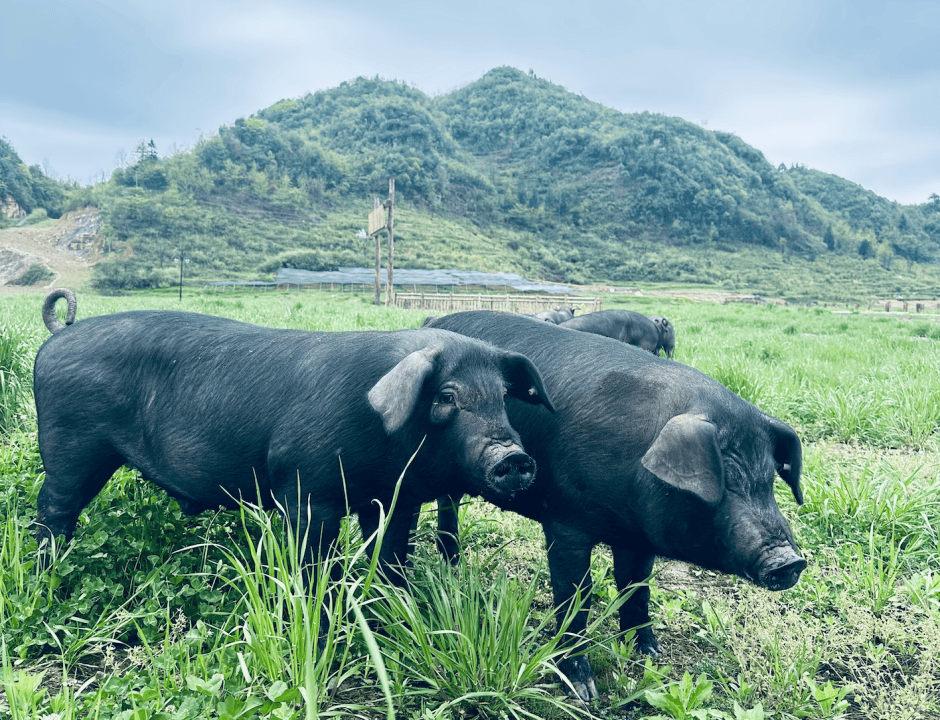
Core Insights - The core strategy of Dingdong Maicai is to build a comprehensive supply chain from farm to table, enhancing its brand visibility and supply chain strength through its own brand "Heizhuanshijia" [1][2] - Dingdong Maicai's shift from merely selling pork to raising pigs represents a significant strategic upgrade, addressing quality concerns and cost control in the black pig market [2][3] Group 1: Market Challenges - The black pig market in China faces structural contradictions between consumer upgrades and industrial imbalances, leading to trust issues and bottlenecks in the industry [4] - Consumers are increasingly concerned about food safety, with frequent food safety issues causing doubts about the quality of black pork, despite its higher price compared to white pork [4][7] - The lack of effective quality identification methods and the misuse of "local pig" labels have contributed to a trust crisis in the black pig industry [4] Group 2: Strategic Moves by Dingdong Maicai - Dingdong Maicai's strategy involves deep collaboration with Gaojin Foods to explore an order-based breeding model, planning to invest in 30,000 specialty black pigs over the next year [10] - The company aims to create a traceable system to ensure the quality and safety of black pigs, addressing consumer trust issues [10][19] - By focusing on consumer data to customize pig specifications and developing high-value products, Dingdong Maicai seeks to maximize the economic value of black pigs [10][15] Group 3: Supply Chain Innovations - Dingdong Maicai's approach includes a transparent supply chain where consumers can trace the entire lifecycle of the pigs, enhancing trust and quality assurance [17][19] - The company has established a "pig chip" barrier through molecular breeding technology, improving lean meat rates and creating detailed product solutions [19] - The integration of cold chain logistics ensures that pork remains fresh and safe, with a commitment to daily sales and no overnight meat [14][20] Group 4: Market Positioning and Consumer Engagement - Dingdong Maicai's "Heizhuanshijia" brand has achieved significant sales, with over 200,000 users and a high rate of repeat customers, indicating strong market acceptance [12] - The company is expanding its offline presence with dedicated stores, allowing consumers to see the quality of the meat firsthand, thus bridging the gap between online and offline experiences [21] - By collaborating with well-known restaurant chains, Dingdong Maicai is positioning itself as a quality supplier in the food service industry, enhancing its market influence [20]