
肉松

Search documents
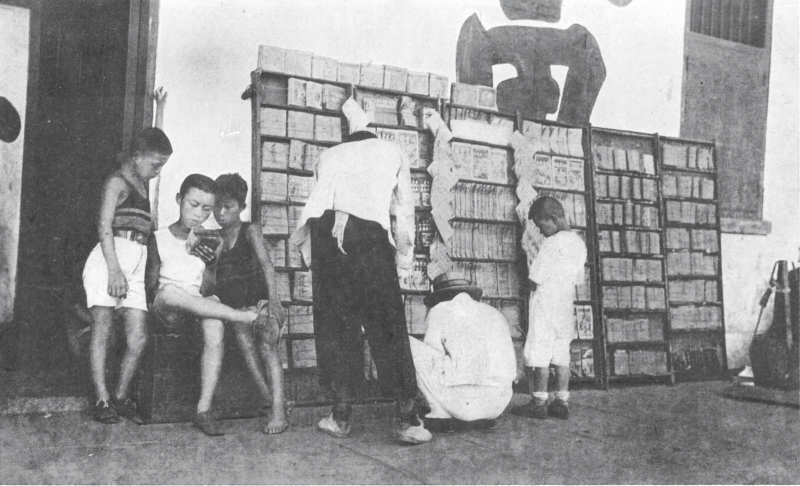
煤球炉生火,烟纸店买杂货,近百年前的上海里弄日常生活
Di Yi Cai Jing· 2026-02-06 01:44
Group 1 - The core idea of the article revolves around the historical and cultural significance of Shanghai's Shikumen lifestyle, emphasizing the blend of traditional Chinese living with Western influences, where daily interactions and community ties define quality of life rather than material wealth [1][12] - The author, historian Lu Hanchao, describes Shanghai as a city composed of numerous small, interconnected communities, where practical and commercial culture is a prominent feature, with many residents living and working in close proximity [1][12] - The article highlights the importance of local businesses in the daily lives of residents, with a significant portion of retail shops operating out of residential spaces, allowing for a unique community-oriented lifestyle [1][3] Group 2 - The daily routine of a typical Shanghai housewife, Chen Yuehua, illustrates the vibrant street commerce of the 1930s and 1940s, showcasing the variety of small shops that catered to the community's needs [3][4] - The article details the shopping habits of residents, emphasizing the convenience of local markets and the cultural significance of traditional breakfast foods, which were integral to the community's daily life [5][8] - The narrative also reflects on the communal aspects of life in the alleys, where neighbors interacted regularly, reinforcing social bonds through shared experiences and activities [9][12] Group 3 - The transformation of neighborhoods over time is discussed, with historical accounts of how areas evolved from agricultural land to densely populated residential zones, highlighting the impact of urban development on community dynamics [12][13] - The article notes the continuity of social relationships and community interactions despite changes in living conditions, emphasizing the enduring nature of these connections in Shanghai's urban fabric [12][13] - The significance of local shops, such as the "tiger stove" and breakfast vendors, is underscored, illustrating their role in meeting the daily needs of residents and fostering a sense of community [11][12]

减肥人群要避雷的4种食物
Xin Lang Cai Jing· 2026-02-02 16:59
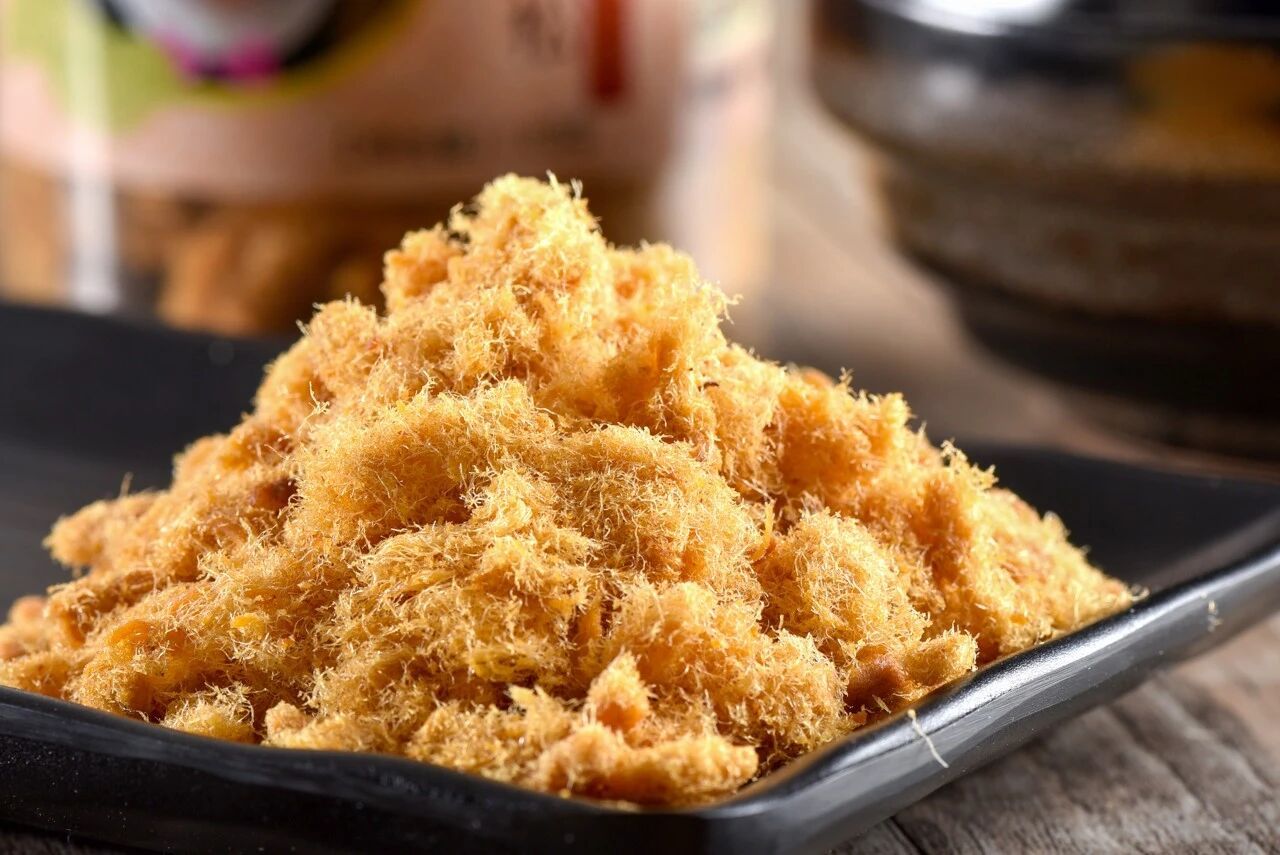
Group 1 - The article highlights the health concerns associated with various snack foods, particularly their high fat and sodium content [1] - Meat floss is noted for its crispy texture, achieved through the addition of large amounts of oil during preparation, which contributes to high sodium levels detrimental to blood pressure control [1] - Dried yogurt is mentioned as being highly concentrated, with some products containing fat content exceeding 10 grams per 100 grams, resulting in calorie counts more than double that of regular yogurt [1] Group 2 - Vegetable and fruit chips are primarily processed through frying, leading to fat content comparable to that of fried potato chips [1] - Dried tofu, made from the film that forms on boiling soy milk, has a fat content of 21.7 grams per 100 grams and a calorie count of 461 kilocalories [1]
苏州市开展文化科技卫生“三下乡”暨“温暖秋冬”文明实践活动
Su Zhou Ri Bao· 2026-01-28 00:35
Group 1 - The event on January 27, 2026, marked the launch of Suzhou's cultural, technological, and health "Three Going to the Countryside" initiative, aimed at enhancing rural spiritual civilization construction [1] - The initiative is a collaboration between the municipal propaganda department, the civilization office, and 28 city-level departments, focusing on delivering essential cultural, technological, and health services to grassroots levels [1] - Various activities included the distribution of local specialty foods, first aid knowledge promotion, sports equipment donations to schools, and the distribution of books about Suzhou academicians' stories [1] Group 2 - Over 1 million yuan worth of donations were made by city departments during the event, with plans for over 60 annual long-term volunteer service projects to support rural areas [2] - The initiative aims to promote the construction of New Era Civilization Practice Centers and enhance cultural vitality in rural areas through various performances and community engagement [2] - The city has actively responded to the national rural revitalization strategy, leveraging the "Three Going to the Countryside" initiative to mobilize social resources and meet diverse needs of farmers [2]
减脂人“避雷”!这6种食物看着干巴,实则是“脂肪大户”
Xin Lang Cai Jing· 2026-01-24 10:16
Core Insights - Many people mistakenly avoid high-fat foods while consuming seemingly low-calorie options that are actually high in fat, leading to potential weight gain and health issues Group 1: Misleading Food Products - Meat floss, often perceived as high-protein and low-fat, actually contains significant amounts of fat and calories due to the oil used in its preparation [1][3][4] - Chicken floss can have a protein content of 37 grams per 100 grams, but its fat content can rise to 18.3 grams, with a caloric value of 458 kcal [3] - Beef floss, made from hind leg meat, has a protein content of 42 grams per 100 grams, but fat can increase to nearly 28 grams, with a caloric value of 525 kcal [4] - Pork floss typically contains over 20 grams of fat and around 500 kcal per 100 grams, significantly higher than the fresh meat it is derived from [5] Group 2: Health Risks of Processed Foods - Processed meat floss lacks satiety, leading to overeating, and often contains high sodium levels, which can negatively impact blood pressure [7] - Fried fruit and vegetable chips, marketed as healthy, can have fat content as high as 20%-30%, comparable to fried potato chips, with caloric values reaching 488 kcal for certain varieties [10] - Dry yogurt, while high in protein, can have fat content exceeding 10 grams per 100 grams, making it more calorically dense than regular yogurt [11][13] - Pork cracklings, despite appearing dry, can contain up to 65 grams of fat per 100 grams, significantly higher than fresh pork belly [14][16] Group 3: Nutritional Comparisons - Dried tofu (fu zhu) has a fat content of 21.7 grams and a caloric value of 461 kcal per 100 grams, which is higher than many other protein sources [19] - Chicken feet, often considered a source of collagen, contain 16.4 grams of fat and 254 kcal per 100 grams, exceeding the fat content of chicken breast [24] Group 4: Recommendations for Healthier Choices - Consumers are advised to choose non-fried, low-fat options when selecting meat floss and to check nutritional labels carefully [7][10] - For fruit and vegetable chips, selecting products made with freeze-drying technology can help retain nutritional value without added fats [10] - When consuming yogurt, opting for lower-fat or non-added sugar varieties can help manage caloric intake while maintaining protein benefits [13] - It is recommended to limit the intake of high-fat foods like pork cracklings and chicken feet, treating them as occasional indulgences rather than regular dietary staples [16][24]

看上去干巴巴吃进嘴里全是油 盘点那些意想不到的高脂食物
Xin Lang Cai Jing· 2026-01-22 23:18
Core Viewpoint - Many people pursuing health and weight loss are misled by the appearance of foods that seem low in fat and calories, leading to unintentional high-fat consumption. The article highlights six foods that appear dry but are actually high in fat and calories, cautioning those who wish to manage their weight [1]. Group 1: Meat Floss - Meat floss, often perceived as high-protein and low-fat, is actually high in fat due to the oil used in its preparation. For instance, chicken floss can have a fat content of 18.3 grams per 100 grams, compared to only 1.9 grams in chicken breast [4][5]. - Beef floss made from hind leg meat can contain up to 28 grams of fat per 100 grams, significantly higher than the 2 grams found in the raw meat [6]. - Pork floss typically has over 20 grams of fat per 100 grams, compared to 7.9 grams in pork tenderloin [7]. Group 2: Fried Fruit and Vegetable Chips - Fried fruit and vegetable chips, often marketed as healthy, can have fat content ranging from 20% to 30%, similar to fried potato chips. For example, fried mushroom chips can contain 20.7 grams of fat per 100 grams, compared to only 0.3 grams in fresh mushrooms [10]. Group 3: Thick Yogurt - Thick yogurt, while higher in protein, can have fat content exceeding 10 grams per 100 grams, which is more than double that of regular yogurt. A 200-gram serving of thick yogurt could lead to an intake of nearly 20 grams of fat [11]. Group 4: Pork Cracklings - Pork cracklings, despite appearing dry, can contain 50 to 65 grams of fat per 100 grams, which is significantly higher than the 35 grams found in pork belly. The caloric content can reach 600 to 700 calories per 100 grams [12][13]. Group 5: Dried Tofu Skin - Dried tofu skin, or "fu zhu," can have a fat content of 21.7 grams per 100 grams, with a caloric value of 461 calories, making it higher in calories than pork intestines [15]. Group 6: Chicken Feet - Chicken feet, often thought to be healthy due to their collagen content, actually contain 16.4 grams of fat and 254 calories per 100 grams, which is higher than chicken breast and some pork cuts [17]. Health Recommendations - It is advised to carefully read food labels and nutritional information to avoid high-fat foods that may appear healthy. Choosing products with lower fat and sodium content is recommended for better health management [9][18].
知行数据观察:宝宝零食品类
知行战略咨询· 2026-01-14 14:07
Investment Rating - The report indicates a positive investment outlook for the baby snack industry, highlighting strong growth potential and market expansion opportunities. Core Insights - The baby snack market is experiencing steady growth, with China's market size projected to increase from 36.53 billion yuan in 2019 to 55.91 billion yuan in 2024, and further to 61.96 billion yuan by 2025, reflecting a robust growth trend [9][12]. - The demand for milk-flavored snacks is high, driven by parents' preferences for nutritious options that aid in their children's development, while there is a notable supply gap in high-calcium products [13]. - Safety and nutrition are the primary concerns for parents when purchasing baby snacks, with over 60% worried about unsuitable additives and nearly 50% concerned about nutritional value [16][19]. - Online platforms, particularly JD and Taobao, are the main purchasing channels for baby snacks, with a significant trend towards price comparison and promotional strategies among consumers [20][21]. Market Overview - The global baby snack market is expanding, with China's share steadily increasing due to rising parental awareness and improved living standards [9][11]. - The average price of baby snacks has been declining, with Tmall's average price dropping from 38.6 yuan to 21.3 yuan, a decrease of 44.8%, indicating a shift towards volume-driven sales strategies [23][24]. - Tmall's market share is decreasing, while Douyin is experiencing significant growth, with a 20.1% increase in sales for baby snacks, highlighting a shift in consumer purchasing behavior [25][31]. Product Segmentation - The report identifies key product categories within the baby snack market, including biscuits, puffs, and meat products, with baby biscuits showing a notable growth rate of 18% in sales [27][29]. - Douyin's product categories are showing strong growth, particularly in fruit strips and meat sausages, with some products experiencing explosive growth rates [31][33]. Brand Performance - The leading brand in the market is Xiao Lu Lan Lan, which holds a significant market share on both Tmall and Douyin, with a notable growth rate on Douyin [35]. - The report highlights the competitive landscape, noting that while Tmall has a higher concentration of top brands, Douyin's market is more fragmented with a diverse range of emerging brands [35][36].

腾俊国际陆港中老铁路跨境业务实现跨越式发展,运量突破10000TEU
Sou Hu Cai Jing· 2025-12-31 09:51
Core Viewpoint - The news highlights the significant achievements of the Tengjun International Land Port in enhancing cross-border logistics through the China-Laos Railway, showcasing a 100.6% year-on-year increase in cross-border business volume, reaching a historical high of 10,128 TEU, reflecting the successful integration of national strategies and regional economic cooperation [1] Group 1: Logistics Network Development - The enhancement of logistics capabilities is fundamental to the increase in transport volume, with breakthroughs in channel construction expected by 2025 [3] - The "Zheng He" international multimodal transport train, named after the Ming Dynasty navigator, has expanded the reach of the China-Laos Railway to Bangladesh, marking a new maritime route from Yunnan to the Indian Ocean [3] - The "Yunnan" train has achieved large-scale operations with 98 trips and a total volume of 2,556 TEU, diversifying its cargo from vegetables to over thirty categories including fruits and fertilizers [3] Group 2: Cost Reduction and Supply Chain Stability - The construction of logistics channels not only enhances transport capacity but also reduces regional logistics costs and improves supply chain stability and reliability [4] - Tengjun International Land Port's refined operations and intelligent management convert the advantages of the China-Laos Railway into tangible logistics benefits, supporting the optimization of regional industrial and supply chains [4] Group 3: Innovative Trade Models - The innovative "China-Laos Railway + Bonded" model has become a benchmark, facilitating the stable import of potassium fertilizer from Laos, with over 63,300 tons imported by October 2025, accounting for over 98% of Yunnan's total imports [6] - The introduction of the "China-Laos Railway + Bonded + Distribution" model has enabled large-scale exports of ammonium sulfate, establishing a dual trade flow of imported potassium fertilizer and exported ammonium sulfate [6] - Innovations in agricultural trade include the successful transport of Laotian mangoes and the first banana auction in Yunnan, enhancing the efficiency and transparency of agricultural trade [7] Group 4: Industrial Clustering and Supply Chain Security - Tengjun International Land Port aims to establish an international fertilizer trading center and an international fruit and vegetable distribution center, transitioning from "channel economy" to "landed economy" [10] - The international fertilizer trading center integrates resources and improves transaction efficiency, while the fruit and vegetable distribution center utilizes advanced cold chain logistics for rapid processing and distribution [10] - The collaborative development of these platforms addresses challenges in agricultural trade, promoting standardization and high value-added transformation in the agricultural sector [11] Group 5: Regional Economic Integration - The China-Laos Railway serves as a vital link for regional economic integration and the construction of a China-ASEAN community, with Tengjun International Land Port leveraging systematic and innovative business layouts to maximize the railway's value [12] - The port's efforts contribute to the high-quality development of the regional economy and the Belt and Road Initiative, enhancing cooperation with neighboring countries [12]

中老铁路实现首柜肉松出口泰国
Xin Lang Cai Jing· 2025-12-26 22:03
Core Insights - Tengjin Logistics Company successfully completed its first meat floss export business via the China-Laos Railway, marking a significant milestone in cross-border supply chains between China and ASEAN countries [1][2] - The shipment, valued at over 400,000 yuan, demonstrates the company's integrated "logistics + trade" solution, showcasing the expansion of cross-border logistics along the China-Laos Railway [1] Group 1: Logistics and Trade Integration - The successful implementation of the "logistics + trade" model is a notable achievement for Tengjin Logistics, as it navigated the complexities of international transport and trade regulations [1] - The company utilized the "EXW" trade model, which requires the buyer to handle loading and export clearance, thus demanding higher comprehensive capabilities from logistics firms [1] Group 2: Regulatory Breakthroughs - The operation involved overcoming significant regulatory challenges, as it was the first time Laos processed meat product transshipment, which required extensive communication with local customs and food supervision authorities [2] - The successful transshipment of meat products through Laos establishes a replicable customs clearance model for future shipments, facilitating the entry of Chinese quality food products into the Thai market [2]
我们为什么对肉松爱不释手?
Hu Xiu· 2025-06-17 07:19
Core Viewpoint - The article explores the history, production methods, and regional variations of meat floss, highlighting its significance in Chinese cuisine and its evolution from ancient preservation techniques to modern culinary applications [1][2][3]. Group 1: Historical Background - The practice of dehydrating meat for preservation dates back to ancient times, with references found in historical texts such as "周礼·天官·膳夫" [3]. - The technique of making meat floss, specifically the transition to a fluffy texture, can be traced back to the Song Dynasty, where a dish called "肉珑松" was documented [4][5]. - By the Song Dynasty, the technology for producing meat floss had matured, with a variety of meats and complex seasoning methods being employed [5]. Group 2: Regional Variations - There are two main types of meat floss in China: Fujian meat floss and Taicang meat floss, each with distinct characteristics and production methods [6][8]. - Fujian meat floss is denser and has a granular appearance, while Taicang meat floss is fluffier and has a more pronounced meat flavor [7]. - The production methods differ significantly; Taicang meat floss involves simple frying techniques, whereas Fujian meat floss incorporates additional ingredients like oil and soybean powder for a richer taste [8]. Group 3: Cultural Significance - The origins of both Fujian and Taicang meat floss are tied to culinary mishaps that led to their creation, which later gained popularity and became integral to local dining customs [9][10][11]. - By the early 20th century, both types of meat floss gained international recognition, participating in world exhibitions and receiving accolades [12]. - Today, meat floss is a staple in various Asian cuisines and has adapted to local tastes, with variations found in countries like Japan, Korea, and Vietnam [14][15][16]. Group 4: Modern Consumption - Meat floss is widely used in contemporary cuisine, often found in baked goods and as a topping for congee, reflecting its versatility and popularity [18][21][22]. - It serves as a high-protein, low-fat food option, particularly appealing to children as a nutritious snack [19]. - Despite its global appeal, meat floss remains predominantly consumed in China, with limited presence in Western markets due to cultural preferences [17].
全球及中国婴幼儿辅食行业蓝皮书
Zhuo Shi Zi Xun· 2025-04-23 09:27
Investment Rating - The report does not explicitly state an investment rating for the infant complementary food industry Core Insights - The global infant complementary food market is expected to grow from RMB 225.71 billion in 2024 to RMB 292.13 billion by 2029, with a CAGR of 5.3% from 2024 to 2029 [8] - The Chinese infant complementary food market is projected to reach RMB 81.75 billion by 2029, growing from RMB 55.91 billion in 2024, with a CAGR of 7.9% from 2024 to 2029 [9][10] - The penetration rate of infant complementary food products globally is expected to increase from 20.1% in 2024 to 25.3% by 2029 [8] - The Chinese market's share of the global infant complementary food market is anticipated to rise from 24.8% in 2024 to 28.0% by 2029 [14] Summary by Sections Global Infant Complementary Food Development and Policy Standards - The global infant complementary food industry has a history of over 150 years, evolving from homemade to industrial production, driven by economic development and consumer awareness [8] - The market size is influenced by the increasing consumer willingness to pay and the rising nutritional requirements for infants [8] Global Infant Complementary Food Key Market Analysis - The market size is projected to grow significantly, with the global market expected to reach RMB 292.13 billion by 2029 [8] - The penetration rate in developed regions is higher compared to developing regions, indicating growth potential in the latter [8] Chinese Infant Complementary Food Market Size - The Chinese market is in a rapid growth phase, with a projected market size of RMB 81.75 billion by 2029, driven by rising consumer awareness and policy support [9][10] - The penetration rate of infant complementary food in China is expected to increase significantly, indicating a shift towards more packaged products [10] Sales Channel Analysis - The online sales channel for infant complementary food in China is expected to grow from RMB 10.98 billion in 2019 to RMB 22.64 billion by 2024, with a CAGR of 15.6% [11] - Offline channels remain significant, but online sales are projected to surpass offline sales by 2029 [11] Regulatory and Standard Development - China's infant complementary food regulations are evolving, with ongoing improvements to align with international standards, enhancing industry quality and market growth [15][18] - The report highlights the need for clearer definitions and standards in the Chinese market to support growth and consumer education [18][20] Consumer Trends and Preferences - Chinese consumers are increasingly favoring organic and convenient infant complementary food products, aligning with trends seen in developed markets [22] - The demand for diverse and balanced food structures is growing, with parents showing interest in customized products to meet specific dietary needs [22]