现炒菜

Search documents
锐评|预制菜年代厨师应大有可为
Xin Lang Cai Jing· 2026-02-08 10:17
Core Viewpoint - The rise of pre-prepared meals presents both challenges and opportunities for chefs, emphasizing the need for chefs to adapt and innovate in the evolving culinary landscape [1] Group 1: Industry Challenges - The chef profession faces significant challenges, including a disconnect between vocational education and practical skills, unclear career development paths, and unstable labor protections [1] - The emergence of pre-prepared meals is squeezing the development space for chefs, raising questions about their adaptability to current dining trends [1] - Talent retention and industry transformation pressures are critical factors limiting the growth of the chef profession [1] Group 2: Opportunities for Chefs - Despite the challenges posed by pre-prepared meals, there is a growing public demand for freshly cooked dishes, highlighting the enduring value of chefs' skills [1] - Recent trends show that consumers prefer the unique flavors of freshly prepared meals over mass-produced pre-prepared options, indicating a market for skilled chefs [1] - The introduction of a new "eight-level" skill grading system by the Ministry of Human Resources aims to create a clear and sustainable career path for chefs, enhancing their professional development [1]
守护城市“烟火气”,厨师职业亟待“升级焕新”
Xin Lang Cai Jing· 2026-02-05 20:15
Core Insights - The chef industry faces challenges such as unclear career development, unstable labor protections, and a disconnect between vocational education and practical skills, which hinder industry growth and talent retention [1][4][6] Group 1: Industry Trends - There is a growing demand for freshly cooked dishes despite the rise of pre-prepared meals, indicating a shift in consumer preferences towards quality and freshness [1][2] - Chefs are transitioning from traditional artisans to professional talents, requiring a deeper understanding of costs, output rhythm, and kitchen collaboration [3][6] Group 2: Challenges in Talent Development - The training cycle for chefs is lengthy, often taking nine years to become proficient, which contributes to high turnover rates in the industry [4][5] - The traditional "apprentice" model dominates the industry, leading to dependency on personal connections for career advancement, which can be inconsistent [4][5] - The lack of clear evaluation and promotion pathways affects the motivation of chefs, as the current certification system does not adequately reflect their skills [5][6] Group 3: Recommendations for Improvement - Experts suggest that the industry should focus on standardizing development, enhancing rights protection, and optimizing talent training to address existing challenges [6][7] - There is a call for better recognition of vocational qualifications and the establishment of a comprehensive career pathway for chefs, from apprentices to chief technicians [6][7] - Strengthening the awareness of certification for management positions in kitchens is essential for ensuring safety and accountability [7]
仅剩一家营业,贴着南城香开店的红功夫,大面积闭店过冬
3 6 Ke· 2025-11-19 03:35
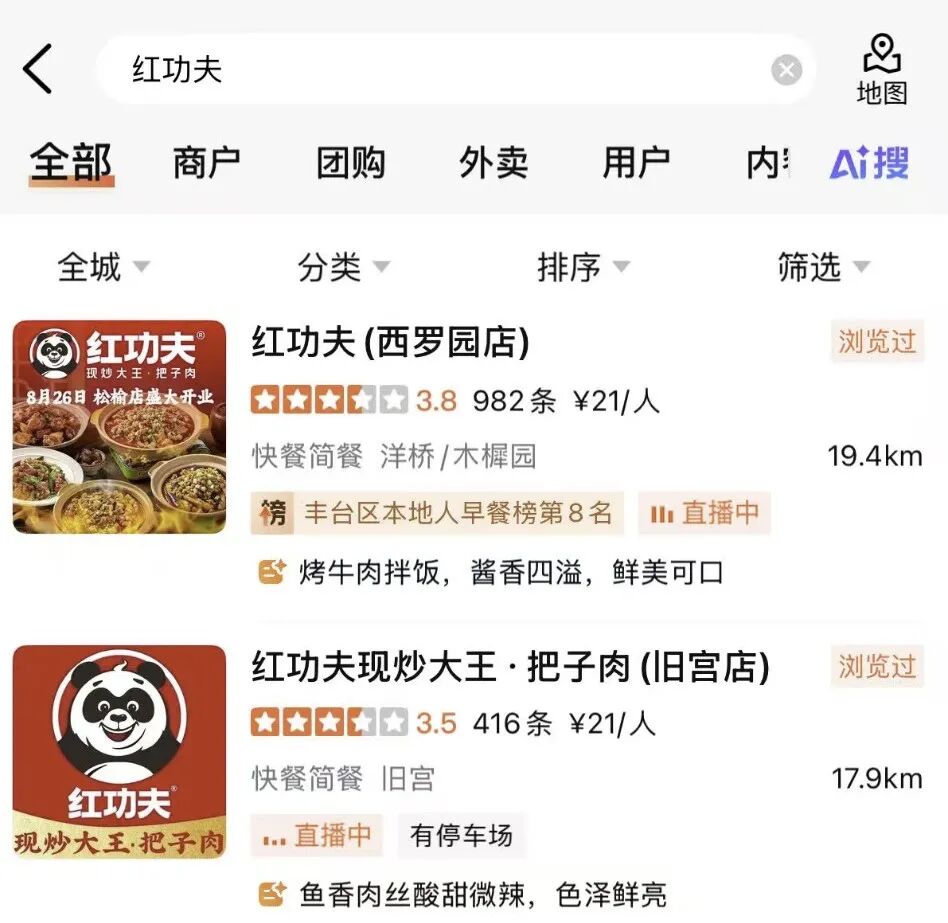
Core Insights - Hong Kung has drastically reduced its operational footprint, now operating only one store, down from a peak of 40, highlighting a significant decline in its business model [1][2][10] - The company's aggressive imitation strategy, which involved closely mirroring competitors like Nan Cheng Xiang, has proven ineffective in a competitive market where core competencies are essential [11][16] Store Operations - As of November 18, only the Jiugong store remains operational, while the Xiluoyuan store has ceased operations, indicating a trend of closures [2][3] - Many stores that underwent renovations have permanently closed shortly after, suggesting a lack of sustainable business practices [6][10] - The rapid closure of stores, such as the Shuangqiao and Tiantong East Garden locations, reflects deeper issues within the company's operational strategy and financial health [8][10] Competitive Strategy - Hong Kung's initial strategy involved aggressive expansion and imitation of successful brands, but this approach has led to a lack of differentiation and market presence [11][13] - The company attempted to position itself as a low-cost option with a menu designed to attract budget-conscious consumers, but this strategy has not translated into customer loyalty or profitability [13][14] - The reliance on a single-store model with high operational costs has made the company vulnerable to market fluctuations and competitive pressures [14][16] Industry Context - The restaurant industry is currently facing intense competition, with many players struggling to maintain profitability amid rising operational costs and changing consumer preferences [17] - The shift towards a more competitive landscape has made it clear that brands must focus on quality and operational efficiency rather than rapid expansion [17] - Companies that fail to adapt to these market conditions risk being left behind, as evidenced by Hong Kung's current struggles [17]