电动车配件

Search documents
四中全会精神在基层·一“县”观察丨汝南 产业竞发涌新潮
He Nan Ri Bao· 2026-01-03 23:23
Core Insights - Ruzhou County is committed to becoming an industrial powerhouse by enhancing its leading industries and building a modern industrial system focused on new energy electric vehicles, leather and footwear, circular economy, new materials, and electronic information [1][3] - The county has successfully attracted key enterprises, including Yatu Electric Leisure Tricycles and Huadi Chijun Electric Tricycles, to strengthen its main industries [1][3] Group 1: Electric Vehicle Industry - Ruzhou County is the largest plastic frame electric vehicle production base in China, with 65 companies producing 2 million vehicles annually, and its new energy electric vehicle industry is recognized as a distinctive industrial cluster in Henan Province [1] - Henan LIMA Electric Vehicle Technology Co., Ltd. operates three production lines, producing 2,500 electric vehicles daily, with an expected annual output of 500,000 vehicles and a revenue of nearly 1 billion yuan [2] Group 2: Technological Empowerment - The county promotes technological advancements, with companies like Votex New Energy recognized as national "little giant" enterprises, and others achieving provincial-level accolades for specialized and innovative practices [2] - LIMA Electric Vehicle Technology is developing a "dark factory" to automate operations with robots, significantly reducing labor costs [2] Group 3: Emerging Industries - Ruzhou County is actively developing strategic emerging industries, having signed contracts with 13 electronic information companies and attracting six lithium battery enterprises to its strategic emerging industry park [3] - The county is also enhancing traditional industries like agricultural machinery and food processing, with new projects and investments aimed at modernization and quality improvement [3]
破解辅助性就业难题,徐州丰县打通残疾人就业“最后一公里”
Yang Zi Wan Bao Wang· 2025-12-22 12:43
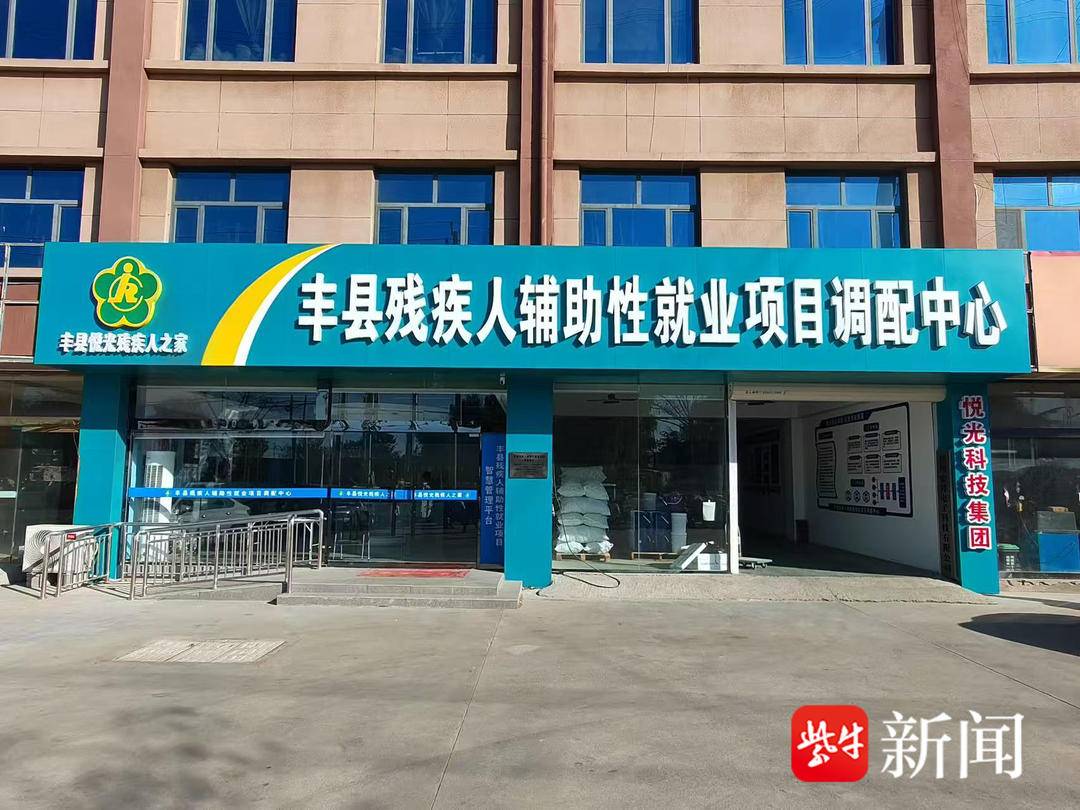
调配中心的建设意义深远。从乡村发展维度,中心立足电动车产业优势,将产业资源转化为就业岗位,实现产业升级与民生改善双向赋能;从社会价值层 面,填补了当地残疾人辅助性就业服务专业空白,让社会温暖精准触达;从个体发展角度,为残疾人提供技能培训、岗位适配等支持,帮助他们实现自我 价值。 在运作模式上,该中心构建了"政府指导、企业运营、社会参与"的多元协作机制,由江苏省委驻丰县乡村振兴工作队统筹协调,丰县残联全程指导监督, 丰县悦光残疾人之家与江苏悦光科技集团联合运营。中心建成七大功能区域,并创新"对接洽谈—实时调配—跟踪服务—统筹结算"闭环工作流程:采集20 余个适配加工项目,根据"残疾人之家"需求和残疾人能力差异动态调配,开展技能培训与质量跟踪,统一负责物流协调和费用结算。 扬子晚报网12月22日讯(记者徐昇)"以前只能做些简单的冰糕棒组装,收入不稳定,现在在中心调配的电动车配件加工项目上做工,每月能多赚几百块, 生活更有奔头了!"徐州丰县欢口镇残疾人就业者王师傅的感慨,道出了当地残疾人辅助性就业者的心声。作为江苏省委驻丰县乡村振兴工作队援建的重 点民生项目,丰县残疾人辅助性就业项目调配中心以精准调配破解就业难题, ...

中国订单暴涨300%!明明约定好互相减税,为何中国还是不买美国货
Sou Hu Cai Jing· 2025-05-18 23:50
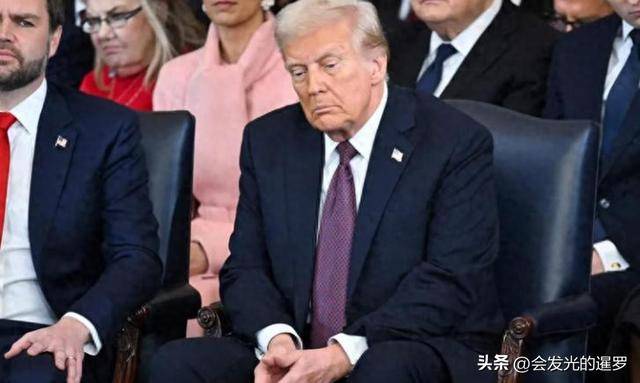
Group 1 - The core point of the article is the unexpected outcome of the US-China trade agreement, where China significantly increased exports to the US, but did not reciprocate with increased purchases of American goods, leading to pressure on the Trump administration [3][5][10] - Following the announcement of the tariff reduction, Chinese exports to the US surged by nearly three times, with some sectors experiencing increases of 270% to 300% in orders within three days [6][8] - The overall tariff rate dropped from 145% to 30%, but concerns remain about the potential for tariffs to be reinstated after the 90-day "honeymoon period" [8][10] Group 2 - The historical context reveals that China's previous experiences with US agricultural imports have led to a cautious approach, particularly after the 2003 soybean crisis, which highlighted the risks of over-reliance on a single source [12][16][19] - China has diversified its supply chains, focusing on South America for agricultural imports, with projections indicating that by Q1 2025, 68% of China's soybean imports will come from South America, significantly outpacing imports from the US [21][23] - Investments in agricultural technology and seed development are part of China's strategy to enhance self-sufficiency and reduce dependency on US imports, with a goal of achieving self-sufficiency in major crops by 2030 [28][30] Group 3 - The article emphasizes that the current trade dynamics are not merely about whether to buy American goods, but rather about the strategic decision of whether there is a necessity to purchase them at all, given the competitive alternatives available [26][34] - The political landscape in the US complicates trade relations, as the Trump administration's policies are influenced by domestic political pressures, making them unpredictable and less appealing for long-term partnerships [32][34] - The shifting global resource allocation and the strategic adjustments by China indicate a significant transformation in trade relationships, moving away from reliance on the US towards a more independent and diversified trade network [34][35]