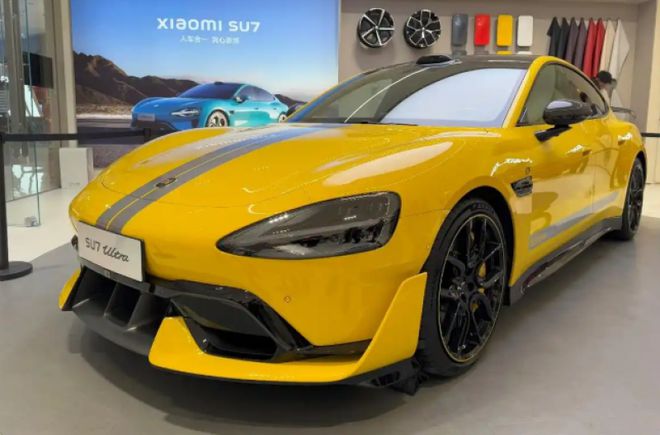
碳纤维前舱盖

Search documents
从“雷布斯”到“雷不退”,为何越来越多人不喜欢雷军?
Xin Lang Cai Jing· 2025-10-11 14:28
Core Viewpoint - The reputation of Xiaomi and its founder Lei Jun has significantly declined, transitioning from a marketing genius to a target of public criticism due to perceived false advertising and customer dissatisfaction [1][2]. Group 1: Company Reputation and Market Position - Xiaomi's marketing strategy, which has remained unchanged for over a decade, is now being scrutinized as the company expands into multiple high-stakes markets, including smartphones, home appliances, and automobiles [2][5]. - The company's aggressive pricing and marketing tactics have led to resentment from competitors and consumers alike, particularly as Xiaomi enters the automotive sector, where it is competing for high-end market share [5][6]. Group 2: Product Issues and Customer Sentiment - Recent incidents, such as a tragic car accident involving Xiaomi's smart driving technology, have turned the company's selling points into liabilities, raising concerns about safety and accountability [10]. - Customers have expressed frustration over perceived discrepancies between advertised features and actual product performance, leading to a significant backlash against the brand [10][11]. Group 3: Leadership and Corporate Philosophy - The contrasting leadership styles of Lei Jun and Huawei's Ren Zhengfei highlight a fundamental difference in corporate philosophy, with Xiaomi focusing on speed and marketing rather than user experience and product quality [15]. - The need for Xiaomi to undergo a "value upgrade" is emphasized, suggesting that the company must move beyond superficial marketing tactics to regain consumer trust and credibility [17].



小米汽车深陷口碑危机,月度销量首次出现下滑
Hua Xia Shi Bao· 2025-05-14 05:39
Core Viewpoint - The controversy surrounding the carbon fiber front hood of the Xiaomi SU7 Ultra model has escalated, with many owners disputing the advertised performance and actual functionality of this high-priced optional component [2][3]. Summary by Sections Product Controversy - Owners have conducted tests revealing that the carbon fiber front hood, priced at 42,000 yuan, does not perform as advertised in terms of airflow and cooling [2][3]. - Xiaomi acknowledged the unclear communication regarding the front hood's functionality and offered a compensation plan, which includes switching to an aluminum hood and providing 20,000 points (approximately 2,000 yuan) for affected customers [3][5]. Customer Reactions - A group of prospective owners released a video demanding refunds or returns, expressing dissatisfaction with Xiaomi's response to the alleged false advertising [4]. - Many customers feel that the compensation offered is insufficient, as it only represents 4.76% of the optional hood's cost [3][5]. Company Response - Xiaomi's official statement indicated that the carbon fiber hood was not part of the original production plan and was introduced in response to customer demand after positive feedback on the prototype [6][7]. - The company emphasized the high production standards and costs associated with the carbon fiber hood, which involves advanced manufacturing techniques [6][7]. Impact on Sales and Reputation - The controversy has led to a decline in sales, with April's delivery figures dropping to 28,000 units, marking a 3.4% decrease, the first sales drop for Xiaomi [9]. - The SU7 model ranked last in a quality assessment of new energy vehicles, further damaging the brand's reputation [9]. - CEO Lei Jun expressed that the past month has been one of the most challenging periods since founding Xiaomi, indicating the potential long-term impact of this issue on the company's image and future product launches [9].