
福州软木画

Search documents
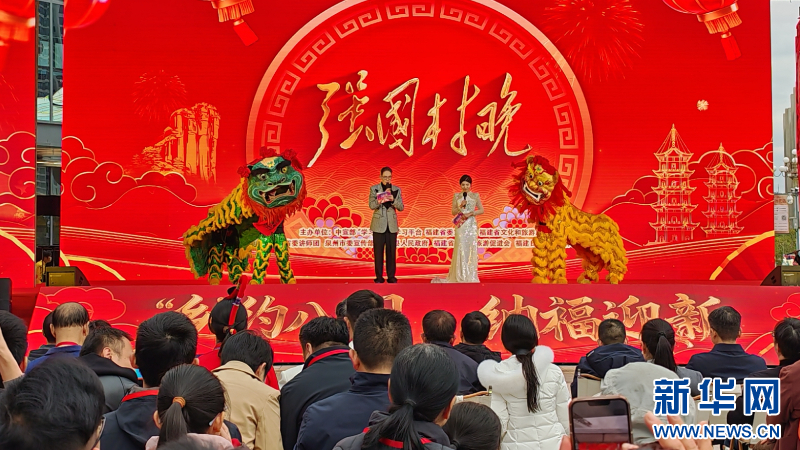
“乡”约八闽纳福迎新——“强国村晚+”活动在福建德化举办
Xin Hua Wang· 2026-02-08 09:18
新华网福州2月8日电(刘丰)随着锣鼓声响起,一场满载乡音、乡愁与乡情的"村晚",在《狮舞闹春》的热 闹氛围中拉开帷幕。2月7日,"乡"约八闽纳福迎新——"强国村晚+"活动在福建德化举办。 活动现场,南音《福盈刺桐城》、掌中木偶戏《惠安张岳传》等戏曲,群舞《擂茶迎客》、舞蹈《簪花围》 等歌舞表演,轮番登场。 南音表演《福盈刺桐城》。新华网 刘丰 摄 舞蹈《簪花围》。新华网 刘丰 摄 福味市集承载着地道闽味与浓浓年意。新华网 刘丰 摄 "村晚"搭台,还有年货可买。当天,台下的"福味市集"客流如织。在非遗手工坊,厦门蔡氏漆线雕流光溢 彩,福州软木画精致灵巧,德化瓷花捏塑栩栩如生。移步至"福味美食汇",烧肉粽油润软糯,炸醋肉外酥里嫩。 年货选购区同样热闹,福建各地特产丰富多样,承载着地道闽味与浓浓年意。 据了解,"强国村晚·福建篇"文艺节目将于2月11日在中宣部"学习强国"学习平台、福建日报新福建客户端等平 台播出。 此次活动由中宣部"学习强国"学习平台、福建省委宣传部、福建省文化和旅游厅主办,福建省委讲师团、泉 州市委宣传部、德化县人民政府、福建省文化和旅游促进会、福建日报社全媒体传播中心承办。 2月7日,"乡"约 ...

怎么理解不常见的非遗项目也需要保护
Ren Min Ri Bao· 2025-11-22 22:00
Core Viewpoint - The article emphasizes the importance of intangible cultural heritage (ICH) in preserving cultural identity, promoting economic development, and facilitating cultural exchange, despite some skepticism regarding its practical value in modern life [1][2][3][4][5][6][7] Group 1: Cultural Significance - ICH serves as a historical memory and a source of cultural recreation, with over 100,000 representative projects in China that encapsulate collective memory and wisdom [2] - Examples such as the Dragon Boat Festival and the Karez irrigation technique illustrate how ICH maintains relevance and contributes to modern practices and engineering solutions [2] Group 2: Economic Impact - There are over 12,900 ICH workshops across 2,138 county-level administrative regions, including 693 poverty-stricken counties, creating employment for over 1.2 million people [3] - ICH not only enriches cultural life but also drives economic growth by integrating traditional crafts into modern markets, thus enhancing both financial and intellectual wealth in rural areas [3] Group 3: Cultural Confidence and Exchange - ICH acts as a universal language for civilization exchange, with symbols like the Luban lock representing Chinese wisdom and fostering international understanding [4] - Many ICH elements, such as dragon and lion dances, serve as cultural symbols for overseas Chinese, reinforcing cultural identity and connections [4] Group 4: Innovative Preservation - The preservation of ICH should focus on creative transformation and innovative development, integrating traditional skills into contemporary life rather than merely preserving them [5][6] - New approaches include reimagining traditional crafts for modern applications, such as using oil paper umbrellas as decorative lampshades and developing eco-friendly materials inspired by traditional lacquer techniques [6] Group 5: Growing Popularity and Future Outlook - The rising interest in cultural heritage, driven by material abundance and cultural awareness, highlights the potential of ICH as a solution database for contemporary needs [7] - The "14th Five-Year Plan" suggests a systematic approach to protecting and promoting traditional culture, indicating a shift in focus from questioning the necessity of ICH to envisioning its future [7]
方寸间“显山露水” 福州软木画簪起坊巷风雅
Zhong Guo Xin Wen Wang· 2025-08-17 02:13
Core Insights - The article highlights the resurgence of Fuzhou cork painting, a unique folk art from Fuzhou, China, which has gained popularity due to its association with contemporary fashion trends, particularly after being featured by actress Zhao Liying [1][2]. Industry Overview - Fuzhou cork painting, also known as soft cork painting, is a traditional craft that utilizes imported cork from countries like Spain and Portugal, crafted into intricate designs depicting nature and architecture [1][2]. - The craft was first created in 1914, inspired by a European Christmas card, and has evolved into a recognized art form with significant historical value [2]. - The peak period for cork painting was from the 1960s to the 1980s, during which it was highly regarded and even presented as a national gift [2]. Current Trends - The craft is currently facing challenges in terms of inheritance and market demand, with a significant decline in the number of practitioners, dropping to fewer than a hundred [3]. - Young artists and practitioners are beginning to integrate cork painting into modern products such as accessories and home decor, helping to revitalize interest in the craft [3][4]. - The establishment of workshops and educational programs by experienced artisans aims to attract new talent and ensure the continuation of this traditional art form [3]. Cultural Significance - Cork painting is recognized as a national intangible cultural heritage in China, emphasizing its importance in preserving cultural identity [2][3]. - The art form not only represents a unique craftsmanship but also serves as a medium for cultural transmission and community engagement [4].