
第七代毫米波雷达

Search documents
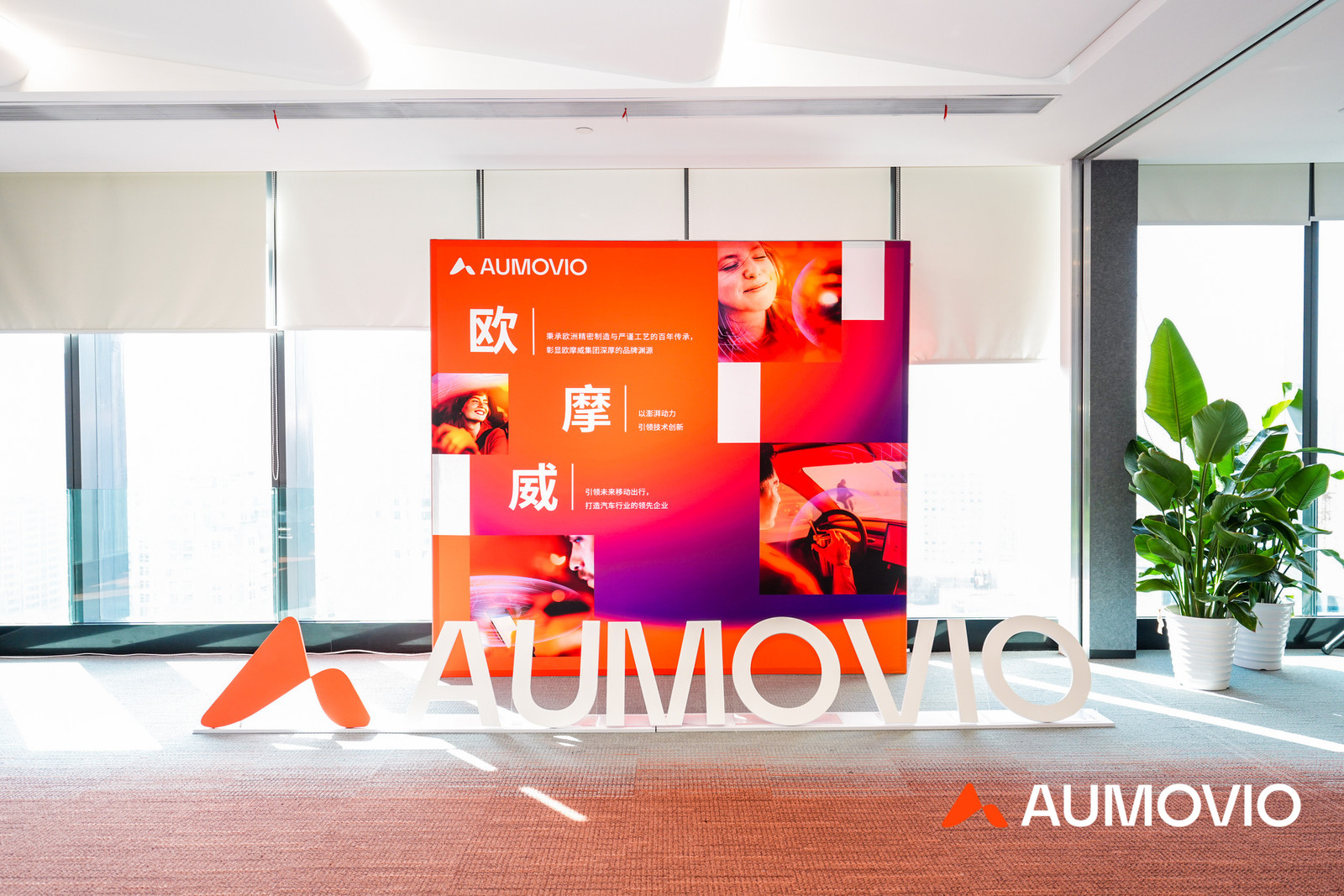
百年大陆的新未来,从欧摩威出发
Zhong Guo Qi Che Bao Wang· 2026-02-06 04:49
Core Insights - AUMOVIO, now known as 欧摩威, emphasizes its commitment to the Chinese market through its rebranding and strategic focus on local operations [3][6] - The establishment of the China Management Committee signifies a shift towards deeper localization and empowerment of local teams to make autonomous decisions [7][8] - 欧摩威 aims to lead in the automotive industry by embracing software-defined vehicles and prioritizing safety and quality as foundational principles [11][15] Group 1: Company Overview - 欧摩威 was officially announced at the Shanghai Auto Show in 2025, highlighting its dedication to the Chinese market [3] - The name change from AUMOVIO to 欧摩威 reflects the company's heritage and its aspirations in the automotive sector [3] - The company plans to go public on the German stock exchange on September 18, 2025, focusing on making mobility safer and more connected [3] Group 2: Strategic Direction - 欧摩威 recognizes the changing global landscape, with a shift from a universal platform approach to a more localized strategy in response to regional market dynamics [6][7] - The company is committed to deep localization, allowing local teams to have significant decision-making power to compete effectively with domestic rivals [7][8] - 欧摩威's strategy includes a hybrid technology layout in China, combining global platforms with locally developed projects [8] Group 3: Future Vision - The company aims to be a trusted partner and a leading automotive electronics technology company in China by 2030 [16] - 欧摩威's approach includes enhancing local innovation capabilities and supporting Chinese brands in their global expansion [16][20] - The company is focused on building an open ecosystem through partnerships with various technology firms to enhance its market position [20]

企业竞相打出“全域AI”明牌造车下半场“含模量”飙升
Xin Lang Cai Jing· 2026-01-16 20:08
Core Insights - The automotive industry in China is experiencing significant growth, with vehicle sales reaching 34.4 million units in 2025, a year-on-year increase of 9.4% [1] - The shift towards "full-domain AI" is becoming prominent, with major automotive manufacturers and supply chain giants like Geely and Bosch increasing their investments in AI technologies [1][2] - Geely has introduced a comprehensive technology system that includes the WAM model for intelligent cockpits and the G-ASD platform for advanced driving assistance, indicating a trend towards AI-driven automotive solutions [2][5] - The automotive sector is transitioning from electric vehicle transformation to AI-driven innovations, with "model inclusion" becoming a key metric for evaluating future trends in vehicle manufacturing [1][4] Industry Developments - AI is evolving from peripheral features to a central role in automotive technology, with companies adopting "full-domain AI" strategies to enhance user experience and operational efficiency [2][3] - Geely's G-ASD system is noted for its advanced capabilities, utilizing a SmartAIAgent architecture and achieving a high level of model inclusion, making it one of the leading driving assistance systems globally [2][4] - Bosch has unveiled a new AI cockpit platform that integrates personalized features and real-time environmental interpretation, showcasing the trend towards highly customized user experiences in vehicles [3] Technological Advancements - The automotive industry is witnessing a shift towards data and model-driven approaches in intelligent driving technologies, with systems like Geely's G-ASD integrating multi-modal models to enhance performance [4][5] - The introduction of high-performance AI models is expected to increase computational demands, necessitating significant investments in data centers and computational resources for training and validation [6][7] - The development of autonomous driving systems requires extensive data input and ongoing algorithm training, which may lead to increased costs and resource allocation challenges for companies [6][7] Competitive Landscape - The year 2026 is anticipated to be a pivotal moment for the automotive industry's "model inclusion" competition, with companies possessing robust self-research capabilities likely to capture higher market segments [7] - Smaller manufacturers lacking sufficient R&D investment may face marginalization in the rapidly evolving technological landscape [7] - Geely is positioned as a leader in the full-domain AI landscape, being the first to establish a comprehensive ecosystem that includes automotive, chip, satellite, and AI technologies [8] Strategic Recommendations - The Chinese automotive industry is encouraged to maintain a "self-controllable" approach in AI technology development, focusing on core models and safety mechanisms to avoid dependency on external sources [7][9] - Collaboration with global standards and open-source communities is recommended to mitigate technological gaps and enhance innovation [9]
