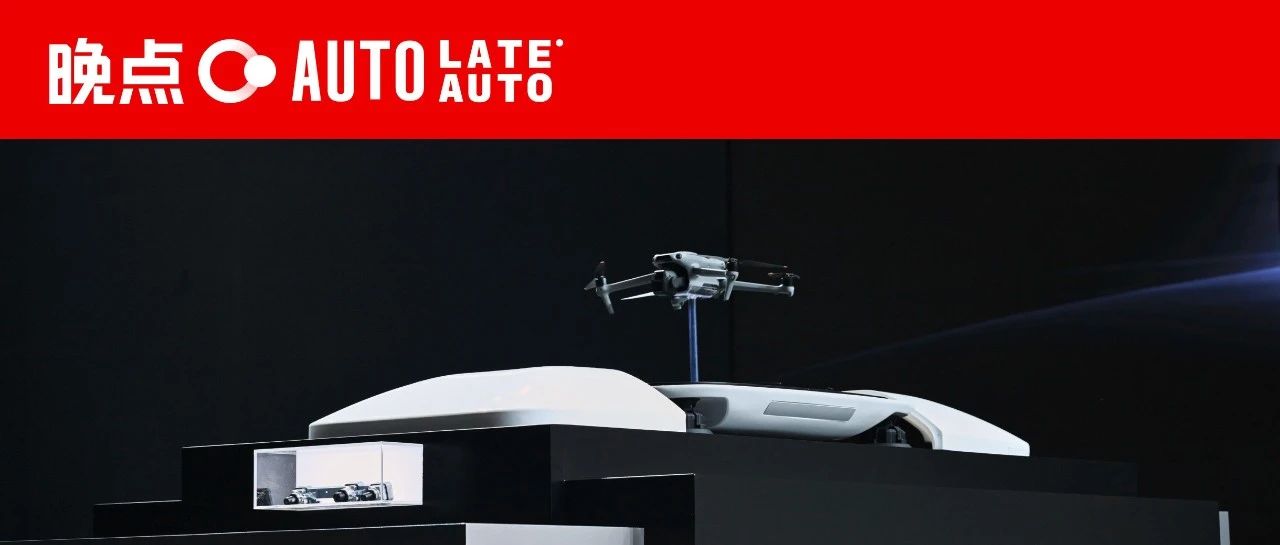
辅助驾驶方案

Search documents
百年大陆的新未来,从欧摩威出发
Zhong Guo Qi Che Bao Wang· 2026-02-06 04:49
Core Insights - AUMOVIO, now known as 欧摩威, emphasizes its commitment to the Chinese market through its rebranding and strategic focus on local operations [3][6] - The establishment of the China Management Committee signifies a shift towards deeper localization and empowerment of local teams to make autonomous decisions [7][8] - 欧摩威 aims to lead in the automotive industry by embracing software-defined vehicles and prioritizing safety and quality as foundational principles [11][15] Group 1: Company Overview - 欧摩威 was officially announced at the Shanghai Auto Show in 2025, highlighting its dedication to the Chinese market [3] - The name change from AUMOVIO to 欧摩威 reflects the company's heritage and its aspirations in the automotive sector [3] - The company plans to go public on the German stock exchange on September 18, 2025, focusing on making mobility safer and more connected [3] Group 2: Strategic Direction - 欧摩威 recognizes the changing global landscape, with a shift from a universal platform approach to a more localized strategy in response to regional market dynamics [6][7] - The company is committed to deep localization, allowing local teams to have significant decision-making power to compete effectively with domestic rivals [7][8] - 欧摩威's strategy includes a hybrid technology layout in China, combining global platforms with locally developed projects [8] Group 3: Future Vision - The company aims to be a trusted partner and a leading automotive electronics technology company in China by 2030 [16] - 欧摩威's approach includes enhancing local innovation capabilities and supporting Chinese brands in their global expansion [16][20] - The company is focused on building an open ecosystem through partnerships with various technology firms to enhance its market position [20]

阿维塔递表港交所,又一“华系高端”寻求上市
Jin Rong Jie· 2025-11-28 02:52
Group 1 - Avita Technology Co., Ltd. has submitted a listing application to the Hong Kong Stock Exchange, with CITIC Securities and CICC as joint sponsors [1] - Since the commencement of vehicle deliveries in December 2022, Avita's delivery scale has rapidly increased from 114 units in 2022 to 61,588 units in 2024, with a record high of 12,805 units delivered in June this year [1] - In the first half of this year, Avita's delivery volume reached 56,729 units, representing a year-on-year growth of 151.1% [1] Group 2 - Avita's revenue is also on a continuous growth trajectory, with revenues of 5.645 billion yuan in 2023, projected to rise to 16.195 billion yuan in 2024, and reach 12.208 billion yuan in the first half of 2025, reflecting a year-on-year increase of 98.5% [3] - Vehicle sales are the core business for Avita, with revenues of 5.542 billion yuan and 14.417 billion yuan for 2023 and 2024 respectively, and 11.490 billion yuan in the first half of 2025, showing a year-on-year growth of 94.4% [3] - Avita has recorded continuous losses, with pre-tax losses of 2.016 billion yuan, 3.693 billion yuan, and 4.018 billion yuan for 2022, 2023, and 2024 respectively [3] Group 3 - The funds raised from Avita's listing will primarily be used for product development, platform and technology development, brand building, sales service network construction, and to supplement operating funds [6] - By 2026, Avita plans to launch five upgraded products in collaboration with Huawei, with a total of 17 models expected to be launched by 2030, covering segments such as sedans, SUVs, and MPVs [6] - In the first ten months of this year, Avita achieved monthly sales exceeding 10,000 units for eight consecutive months, and has established a dual power layout of pure electric and range-extended vehicles across its entire lineup [6]

元戎启行即将上线Robotaxi,率先落地深圳和无锡
Xin Lang Cai Jing· 2025-11-22 05:23
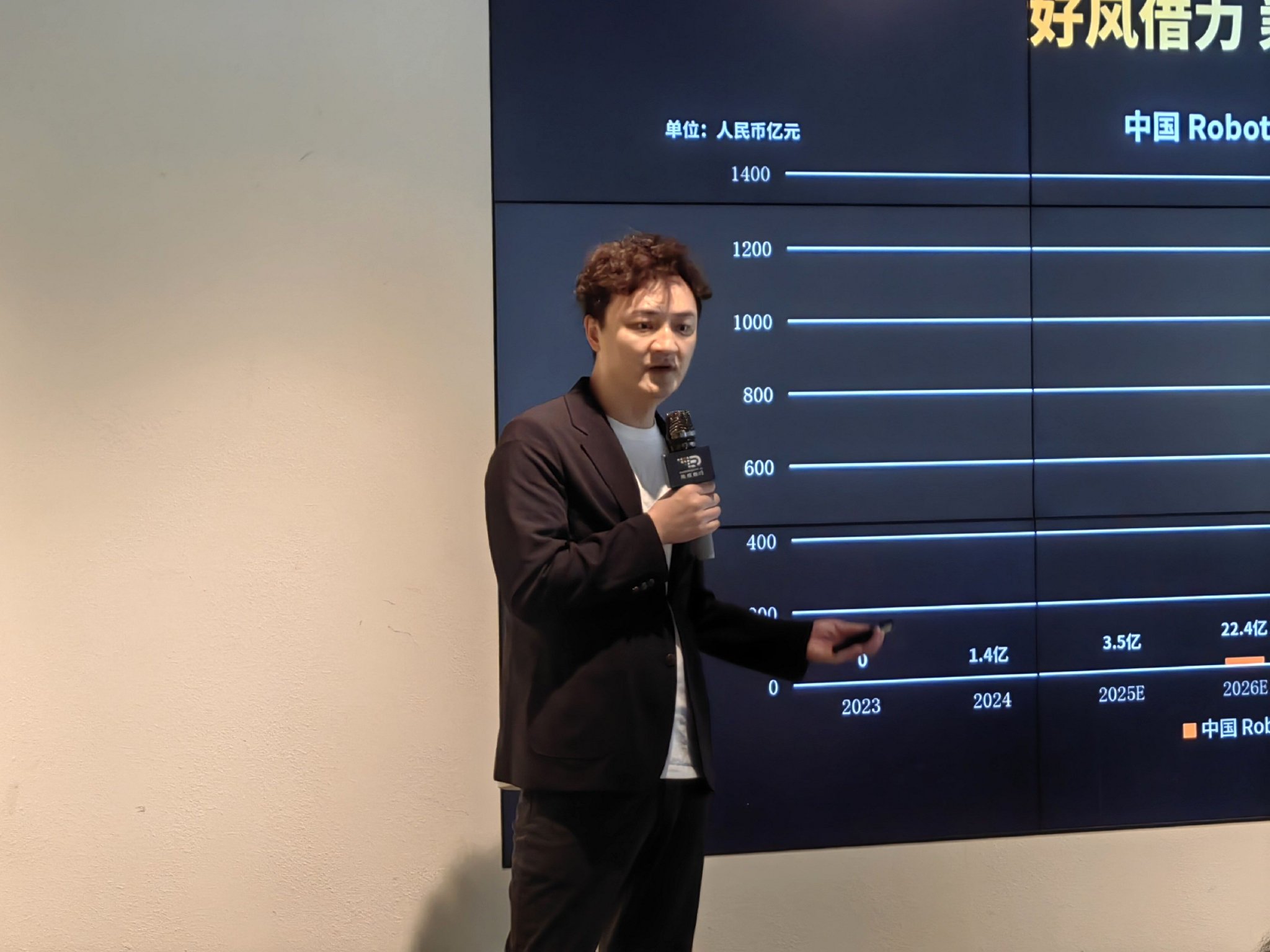
Core Insights - The article discusses the growth and strategic direction of Yuanrong Qixing, a Shenzhen-based autonomous driving company, as it prepares to enter the Robotaxi market with a focus on mass production and advanced driving assistance systems [1][11]. Group 1: Market Position and Growth - Yuanrong Qixing has delivered 200,000 mass-produced vehicles equipped with urban NOA (Navigation On Autopilot), achieving a nearly 40% market share in the third-party supplier market for urban NOA as of October 2025 [2][6]. - The company has seen a significant increase in monthly delivery volumes, rising from approximately 3,000 units at the beginning of the year to around 30,000 units by year-end, with September and October both reaching 30,000 units [2][6]. - The CEO highlighted that the growth is driven by a strategic focus on core customers and models, emphasizing the importance of creating blockbuster models rather than a wide range of partnerships [2][3]. Group 2: Future Projections and Market Trends - The autonomous driving market is projected to grow from $6.25 billion in 2024 to $19.28 billion in 2025, with expectations to reach $60.33 billion by 2030 [6]. - The penetration rate of L2 and above autonomous driving passenger vehicles in China is expected to rise from 55.7% in 2024 to 65% in 2025 [6]. - Yuanrong Qixing aims to achieve over one million units in mass production deliveries by 2026, supported by existing customer projects [6][12]. Group 3: Technological Advancements - The company has transitioned to a VLA (Vision-Language-Action) model, which enhances scene understanding and defensive driving capabilities, making it the first third-party supplier to offer this model [7][8]. - The VLA model allows for continuous evolution through reinforcement learning, improving performance in complex scenarios compared to traditional models [8][12]. - The company has completed the licensing exam for Robotaxi operations using mass production vehicles and end-to-end technology, marking a significant step in its strategy [13][14]. Group 4: Robotaxi Business Strategy - Yuanrong Qixing plans to launch its Robotaxi service in select cities, starting with Wuxi and Shenzhen, focusing on specific operational areas [11][14]. - The company aims to differentiate itself by using mass-produced vehicles rather than modified cars with high-precision maps, which allows for broader operational capabilities [11][14]. - The CEO believes that the data-driven approach will enable the company to develop a more mature foundation model for Robotaxi operations by 2026 [13][14].
四维图新品牌战略升级 锚定智驾普及与平台孵化
Zhong Zheng Wang· 2025-11-01 01:27
Core Insights - The automotive industry is shifting from "horsepower" competition to "computing power" competition, prompting traditional mapping companies to adapt to new market dynamics [1] - The CEO of the company announced a strategic upgrade to "SEEWAY.AI," emphasizing a transition towards AI and data-driven solutions, positioning the company as a provider of integrated smart solutions [1][3] - The company predicts a significant reduction in the cost of assisted driving technologies, with expectations that most smart driving features will transition from high-end options to standard offerings within three years [1][2] Industry Trends - The company identifies four major trends in automotive intelligence by 2025, highlighting the importance of balancing regulation and efficiency in the industry [1] - The implementation of mandatory standards for assisted driving is expected to lead to a more regulated and consistent development phase, moving away from exaggerated marketing claims [1] - The competitive landscape is anticipated to shift towards technological innovation and ecosystem collaboration rather than traditional supplier pressure [1] Technological Advancements - The cost of assisted driving solutions has decreased significantly, with current costs around 1,000 yuan compared to 5,000 yuan five years ago, driven by technological innovations [2] - The company aims to achieve point-to-point, end-to-end smart driving capabilities within five years, accelerated by advancements in large models, computing power, and data [2] - The company has secured 5.85 million new smart driving solutions in collaboration with partners, covering over 20 major automakers and 100 vehicle models [2] Business Strategy - The company is restructuring its business model to create a diversified business matrix, including a strategic investment in a robotics firm, which will operate as an independent smart driving platform [3] - The company has submitted a listing application for its smart cockpit business, potentially leading to the emergence of a "Four-Dimensional New System" in the capital market [3] - The strategic investments and restructuring are designed to create synergies among various business platforms rather than operating in isolation [3] Financial Outlook - Despite a net loss of 708 million yuan in the first three quarters of 2025, the company anticipates a significant improvement in financial performance by 2027 [4] - The introduction of an employee stock ownership plan is seen as a sign of internal confidence in the transformation strategy [4] - The company is transitioning from a traditional mapping provider to an AI-driven mobility technology service provider, aiming to leverage safety compliance as a competitive advantage [4]

BBA全部拿下!这家智驾供应商,要跟华为掰手腕?
电动车公社· 2025-10-30 16:35
Core Viewpoint - The article discusses the evolution and current status of Momenta, a third-party supplier in the autonomous driving sector, highlighting its strategic partnerships and the challenges it faces in a competitive market [4][20]. Group 1: Industry Context - The automotive industry has shifted from a blue ocean to a red ocean, with intense competition leading to the elimination of many players [2][3]. - The autonomous driving sector is experiencing a similar trend, with suppliers facing significant challenges [3]. Group 2: Company Overview - Momenta is recognized as a notable player in the autonomous driving market, having established partnerships with major automotive manufacturers such as SAIC, Audi, BMW, and Mercedes-Benz [10][13][15][18]. - The company operates in a competitive landscape alongside self-research firms and Huawei's ecosystem, forming a tripartite structure in the market [19]. Group 3: Founder's Background - The founder of Momenta, Cao Xudong, is a Tsinghua University graduate who initially pursued a career in artificial intelligence, abandoning a direct doctoral opportunity to work at Microsoft [20][21][28]. - His experience at Microsoft and subsequent roles at SenseTime laid the groundwork for Momenta's strategic direction focused on data-driven algorithms [37][39]. Group 4: Early Challenges and Strategic Shifts - In its early years, Momenta struggled to commercialize its products, focusing more on research than on practical applications, which led to investor impatience [56][59]. - The company pivoted towards commercial vehicles, developing a driver monitoring system and collision warning system, which successfully generated revenue [70][72]. Group 5: Strategic Partnerships and Growth - Momenta's collaboration with SAIC marked a significant turning point, leading to further investments and a broader partnership scope [86][89]. - The company has leveraged data from its partnerships to enhance its autonomous driving capabilities, positioning itself among the top players in the industry [96][100]. Group 6: Future Challenges and Opportunities - Despite its successes, Momenta faces ongoing challenges, including competition from Huawei and the need to secure more partnerships with other automakers [104][106]. - The company aims to expand its client base while maintaining a flexible and open collaboration model to differentiate itself from competitors [110][112]. Group 7: Long-term Viability - Momenta's long-term profitability hinges on scaling its vehicle installations to 4 million units, a significant increase from its current 1 million [116]. - The company is also exploring self-developed chips as a strategy to transition from a tier-2 to a tier-1 supplier in the evolving automotive landscape [123].
一汽收购卓驭科技35.8%股权,后者前身为大疆车载事业部
Di Yi Cai Jing· 2025-09-23 04:54
Core Viewpoint - The acquisition of a 35.8% stake in Zhuoyu Technology by FAW is expected to enhance operational collaboration and accelerate production, although concerns exist regarding potential impacts on partnerships with other automakers [1][3]. Group 1: Acquisition Details - FAW has signed an agreement to acquire a stake in Zhuoyu Technology, which was previously controlled by New Territory Technology Company Limited [1]. - Post-transaction, FAW will become the largest single shareholder of Zhuoyu Technology, with New Territory holding 34.85% [1]. - Zhuoyu Technology is expected to maintain independent operations despite the new ownership structure [1]. Group 2: Company Background - Zhuoyu Technology originated from DJI's automotive division and was established in 2016, focusing on intelligent driving technology [2]. - The company became independent from DJI in 2023 and officially adopted the "Zhuoyu" brand in June 2024 [2]. - Zhuoyu Technology has been recognized as a pioneer in intelligent driving, launching its first assisted driving solution in 2022 on the Baojun KiWi EV model [2]. Group 3: Market Position and Challenges - Despite its innovations, Zhuoyu Technology has faced criticism for lagging behind competitors in market presence and production scale [2]. - As of this year, Zhuoyu Technology has expanded its partnerships to nine automakers, including BYD and Audi, and has nearly 20 production models [3]. - The acquisition by FAW may strengthen Zhuoyu's operational ties with FAW but raises questions about its ability to collaborate with other automakers [3].

吉利回应智驾团队整合:涉及品牌与方案仍在商讨与细化阶段,将在合适时机对外沟通相关进展
Xin Lang Ke Ji· 2025-08-05 10:04
Core Viewpoint - Geely Holdings is undergoing a significant internal restructuring of its intelligent driving teams, merging various brands and teams into Chongqing Qianli Intelligent Driving, which will streamline operations and focus on advanced driver assistance systems [1][2]. Group 1 - The restructuring involves the integration of the intelligent driving teams from Zeekr and Geely Research Institute into Chongqing Qianli Intelligent Driving, resulting in Geely maintaining only one intelligent driving team [1]. - Geely Holdings emphasizes that Qianli Technology is a key strategic partner, aiming to innovate and apply advanced driver assistance systems through technology empowerment and industrial collaboration [1]. - The management team and functional organizations of Qianli Intelligent Driving are being established, with ongoing discussions and refinements regarding the involved brands and plans [1]. Group 2 - After the integration, Qianli Intelligent Driving will operate as an independent company and will be a core partner in Geely's artificial intelligence ecosystem, providing leading industry solutions for advanced driving [2]. - Geely will leverage its position as the top Chinese automaker in computing power and the largest number of vehicles equipped with advanced driving features to support the long-term development of Qianli Intelligent Driving [2].

独家丨一汽与卓驭正在商讨战略投资事宜
晚点Auto· 2025-07-18 03:08
Core Viewpoint - Zhuoyu Technology is in discussions with FAW for a strategic investment totaling over $800 million, with a post-investment valuation exceeding $10 billion, while maintaining its business and management independence [2][4]. Group 1: Investment and Strategic Partnerships - The investment round includes participation from other automotive companies and industrial funds, in addition to FAW [2]. - Zhuoyu has secured investments from at least four automotive companies, including BYD, SAIC, and BAIC, all of which are its cooperative clients [4]. Group 2: Technological Development and Product Offerings - Zhuoyu, incubated by DJI, focuses on integrating software and hardware for advanced driver assistance systems (ADAS), achieving significant milestones in low-cost platforms [4]. - The company has developed various levels of computing power solutions, including systems with lidar capabilities, expanding its product line to meet diverse market needs [4]. - Zhuoyu's recent launch of the VLA model based on the NVIDIA Thor platform positions it competitively in the smart driving sector, with few suppliers currently developing for this platform [5]. Group 3: Market Dynamics and Competitive Landscape - The competitive landscape in the smart driving market is intensifying, pushing suppliers to meet higher expectations from automotive manufacturers [5]. - Zhuoyu is adapting to industry changes by enhancing its sales and business capabilities, including the recruitment of new sales leadership with backgrounds from Bosch and Huawei [5].