第六代刀片电池

Search documents
固态电池有国标了,但想买的兄弟还是歇歇吧
3 6 Ke· 2026-01-14 00:39
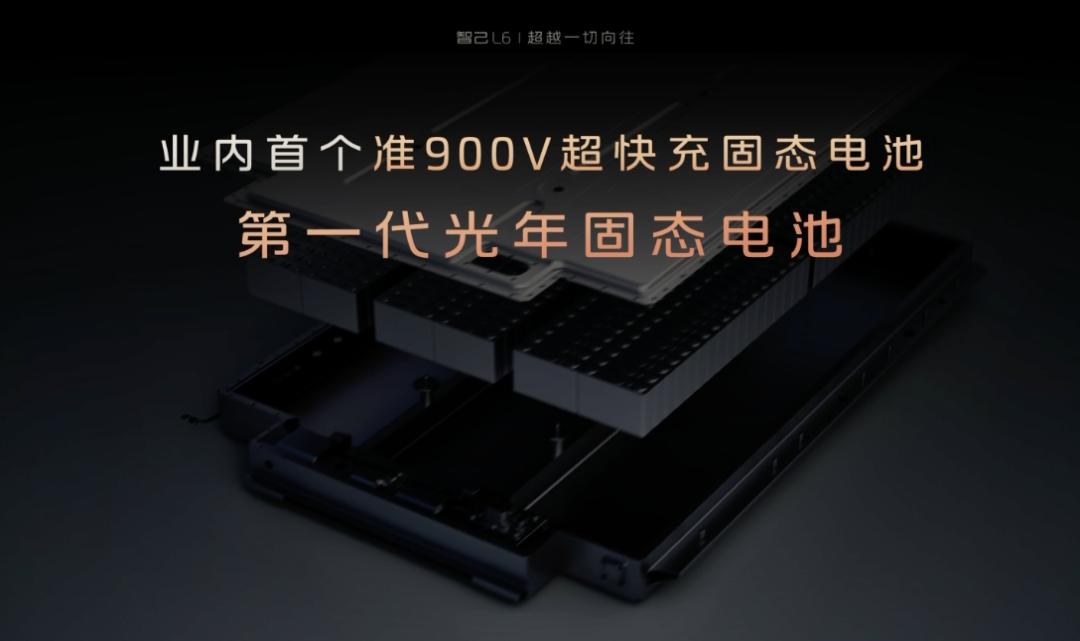
Core Viewpoint - The article discusses the confusion surrounding solid-state batteries, highlighting that while some companies claim to have implemented them, the technology is still not ready for mass production and faces significant challenges before it can replace liquid batteries. Group 1: Current State of Solid-State Batteries - BYD initially projected that solid-state batteries would not be in small-scale production until 2027, with widespread application not expected until 2030 [1] - Companies like Zhiji have announced solid-state battery implementations, but these are often misrepresented as "half-solid" batteries, which differ significantly from true solid-state technology [1][3] - The introduction of a national standard for solid-state batteries aims to clarify definitions and prevent misleading claims in the industry [6][10] Group 2: Technical Definitions and Standards - The national standard defines solid-state batteries as those with solid electrolytes, while those with both solid and liquid components are classified as hybrid or half-solid batteries [7] - A critical measure in the new standard is the weight loss rate during testing, which must not exceed 0.5% for a battery to be classified as solid-state [12] - Current half-solid batteries typically contain 5%-20% liquid, making it challenging for them to meet the new standard [12] Group 3: Challenges and Market Readiness - Solid-state batteries face significant hurdles, including high production costs (over ten times that of liquid batteries) and issues with yield and consistency [15] - Despite theoretical advantages in safety and energy density, practical implementations of solid-state batteries have not yet proven competitive in the market [15][16] - The article suggests that half-solid batteries may represent a more viable short-term solution, as they have shown rapid technological advancements and market readiness [18] Group 4: Market Perception and Future Outlook - There is skepticism about the market's willingness to adopt half-solid batteries, as many companies have failed to deliver on their promises, leading to consumer doubt [23][24] - The article notes that while solid-state batteries are often touted for their potential, the current advancements in liquid battery technology may overshadow them [26] - Experts express differing opinions on the future of solid-state batteries, with some believing they may find applications in military contexts rather than consumer vehicles [27]


王传福最新发声:当前技术领先度不及前几年 后面将有重磅技术发布【附比亚迪企业分析】
Qian Zhan Wang· 2025-12-08 02:57
Core Insights - BYD's domestic market sales have declined this year, attributed to a decrease in technological leadership and increasing industry homogenization, which aligns with the cyclical nature of product and technology development [2] - In September 2025, BYD sold 396,000 vehicles, a year-on-year decline of 5.5%, being surpassed by SAIC Group for the first time with 440,000 vehicles sold, ending an 18-month streak as the monthly sales champion [2] - However, in November, BYD achieved a record monthly sales of 480,186 vehicles, reclaiming the monthly sales crown, with overseas sales exceeding 130,000 units, marking a 297% year-on-year increase [2] R&D Investment - BYD has invested over 210 billion yuan in R&D over the past 14 years, with R&D expenses in the first three quarters of 2025 reaching 43.75 billion yuan, the highest among Chinese listed companies [5] - The company has consistently spent more on R&D than its net profit in 13 out of the last 14 years, focusing on core areas such as power batteries, intelligent driving, and hybrid systems [5] Technological Advancements - The latest sixth-generation blade battery has an energy density of 255 Wh/kg, allowing for a 500 km range with a 12-minute charge, alongside the world's first mass-produced 30,000 RPM motor and the "Tian Shen Zhi Yan" advanced driving system [6] - BYD holds a 31.7% market share in the domestic new energy vehicle sector as of 2022, significantly outperforming competitors [6] International Expansion - BYD is a benchmark for Chinese commercial vehicle companies expanding internationally, having secured orders and delivered electric buses in multiple countries including the UK, Hungary, Colombia, Finland, and Sweden [8] - The company has made significant deliveries, such as 406 electric buses in Bogotá, Colombia, which will help reduce over 94,000 tons of CO2 emissions annually [10] Future Directions - BYD plans to focus on electric and intelligent technology advancements over the next 2-3 years, increasing R&D efforts to launch more leading-edge technologies [11] - The company aims to address past marketing inertia by enhancing marketing capabilities to better align with user needs, converting technological advantages into market competitiveness [11] - There will be a continued emphasis on expanding overseas markets [11]
超250亿元!弗迪电池45GWh项目提速!
起点锂电· 2025-07-18 10:18
Core Viewpoint - The article discusses the approval of the environmental impact assessment for the "Shaoxing Fudi 15GWh Lithium Battery and Supporting Project," highlighting its significance in the electric vehicle battery manufacturing sector and the strategic expansion of BYD in the Yangtze River Delta region [2][4]. Group 1: Project Overview - The Shaoxing Fudi Battery Company, a subsidiary of BYD, is set to invest 6 billion yuan in the new project, which will be located in Shaoxing, Zhejiang Province [2]. - The project aims to establish a production capacity of 15GWh for lithium batteries, with construction of production lines and supporting facilities [5]. - The first phase of the project was initiated in 2022, with a total investment of approximately 13 billion yuan, focusing on the production of DM-i special blade batteries [4]. Group 2: Strategic Importance - Shaoxing is recognized as one of the first national demonstration cities for new energy vehicles, providing a favorable environment for the development of the industry [4]. - BYD's chairman emphasized the importance of the Yangtze River Delta as a key area for the automotive industry, indicating the strategic significance of the Shaoxing base [4]. Group 3: Future Developments - In addition to the first and second phases, BYD is also advancing a third phase project in Shaoxing, which will involve an investment of approximately 5 billion yuan and cover an area of about 1,067 acres [7]. - The total investment for all projects in Shaoxing is expected to exceed 25 billion yuan, with an anticipated output value of over 30 billion yuan upon full production [8]. - BYD has established three battery production bases in Zhejiang Province, indicating a robust expansion strategy in the region [9]. Group 4: Industry Trends - Compared to the previous year, BYD and other leading battery manufacturers are accelerating their capacity expansion, with multiple projects progressing rapidly [10]. - Recent data indicates that BYD's installed capacity for new energy vehicle batteries is projected to reach approximately 27.019GWh by June 2025, reflecting a year-on-year growth of 67.81% [11].