简醇零蔗糖酸奶

Search documents
君乐宝递表港交所 中金公司和摩根士丹利担任联席保荐人
Zheng Quan Shi Bao Wang· 2026-01-20 00:41
Core Viewpoint - Junlebao has submitted an application for listing on the Hong Kong Stock Exchange, with CICC and Morgan Stanley serving as joint sponsors. The company ranks third among comprehensive dairy product companies in China, holding a market share of 4.3% in 2024 [1]. Company Overview - In 2024, Junlebao ranks second in the low-temperature liquid milk market with a market share of 14.5% and third in the fresh milk market with a market share of 10.6%. The "Yuexianhuo" brand has become the leading high-end fresh milk brand with a market share of 24.0% [1]. - The company also ranks second in the low-temperature yogurt market with a market share of 17.2%, while its "Jianchun" brand is the top low-temperature yogurt brand with a market share of 7.9% [1]. - Junlebao has consistently ranked among the top three domestic infant formula milk powder companies from 2020 to 2024, with a market share of 5.0% in 2024 [1]. - The product line includes low-temperature liquid milk, milk powder, ambient liquid milk, and other dairy products, featuring "Jianchun" zero-sugar yogurt and "Yuexianhuo" high-end fresh milk. The newly launched "Youcuibaoai" infant formula milk powder meets international leading standards [1]. - The company operates 33 self-owned farms and 20 dairy production facilities, covering the entire industry chain [1]. Industry Insights - The Chinese dairy industry has experienced rapid development due to modernization of the industrial chain and supply chain integration, despite its late start. The industry is expected to maintain stable growth driven by accelerated urbanization, increased consumer health awareness, and product innovation [1]. - In 2024, liquid dairy products will account for 54.3% of the total dairy market in China, with retail sales reaching RMB 355 billion. The market size is projected to reach RMB 395.4 billion by 2029, with a compound annual growth rate (CAGR) of 2.3% from 2025 to 2029 [2]. - The low-temperature liquid dairy product market, which includes fresh milk and low-temperature yogurt, is expected to reach RMB 89.7 billion in 2024, with a CAGR of 3.0% from 2019 to 2024. Its retail sales share in the liquid dairy product market is projected to increase from 23.7% in 2019 to 25.3% in 2024, and the market size is expected to reach RMB 125.9 billion by 2029, with a CAGR of 7.2% from 2025 to 2029 [2]. - The ambient liquid dairy product market, which includes ultra-high-temperature sterilized milk and ambient yogurt, is projected to reach RMB 265.3 billion in 2024, with a CAGR of 1.2% from 2019 to 2024. The market size is expected to reach RMB 269.5 billion by 2029, with a CAGR of 0.4% from 2025 to 2029 [2].

君乐宝百亿豪赌,陷发展与上市困局
Xin Lang Cai Jing· 2026-01-04 09:15
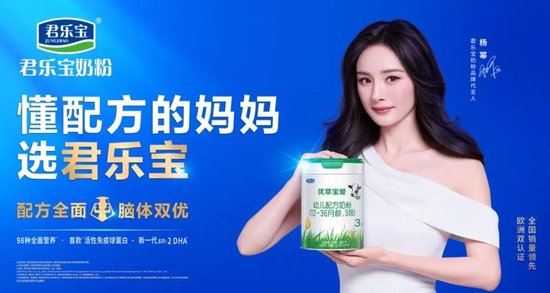
Core Viewpoint - The aggressive expansion and acquisition strategy of Junlebao has led to high debt levels and raised questions about its ability to go public amid tightening regulations in the dairy industry. The company has missed its target to complete an IPO by 2025, despite being a major player with over 20 billion yuan in annual revenue [2][38]. Group 1: Financial Performance and Challenges - Junlebao's revenue heavily relies on its low-margin infant formula business, which contributed 150 billion yuan, or 74% of total revenue, in 2021 [3][39]. - The company's net profit margins for the infant formula segment were significantly lower than competitors, with 2.2% and 2.9% in 2017 and 2018, respectively, compared to 8.82% and 8.11% for Yili and 19.68% and 21.55% for Feihe [3][39]. - Junlebao's total assets were approximately 210.89 billion yuan, with a net asset of about 47.17 billion yuan and a debt ratio of 78% as of December 31, 2022, which is significantly higher than the industry average of 45.06% [71]. Group 2: Expansion Strategy - Since 2021, Junlebao has invested around 50 billion yuan in acquisitions to expand its regional presence, product categories, and supply chain [6][42]. - The company has made nearly 10 investments by the end of 2023, focusing on diversifying its product offerings and enhancing its market reach [6][42]. - Junlebao aims to establish a new growth matrix centered around low-temperature fresh milk and yogurt, supplemented by cheese and ready-to-drink products [47]. Group 3: Market Competition - The low-temperature fresh milk market has become a key battleground in the dairy industry, with major players like Mengniu and Yili aggressively expanding their presence [61]. - Junlebao's "Yue Xian Huo" brand has achieved a market share of 29.6% in the low-temperature yogurt segment, but it faces competition from Mengniu's "Daily Fresh" and Yili's "Jindian" brands [40][61]. - The competitive landscape includes both national giants and regional players, with local brands leveraging their established trust and supply chains [61][62]. Group 4: IPO Prospects - Junlebao's ambition to achieve a sales target of 50 billion yuan and become a leading global infant formula brand by 2025 appears increasingly unattainable [64][66]. - The company has initiated its A-share IPO plan, but the timeline for submission and approval may hinder its ability to meet the 2025 target [64][65]. - The low valuation and thin profit margins present significant challenges for Junlebao's IPO prospects, as evidenced by its stagnant valuation despite increasing revenues [69][70].

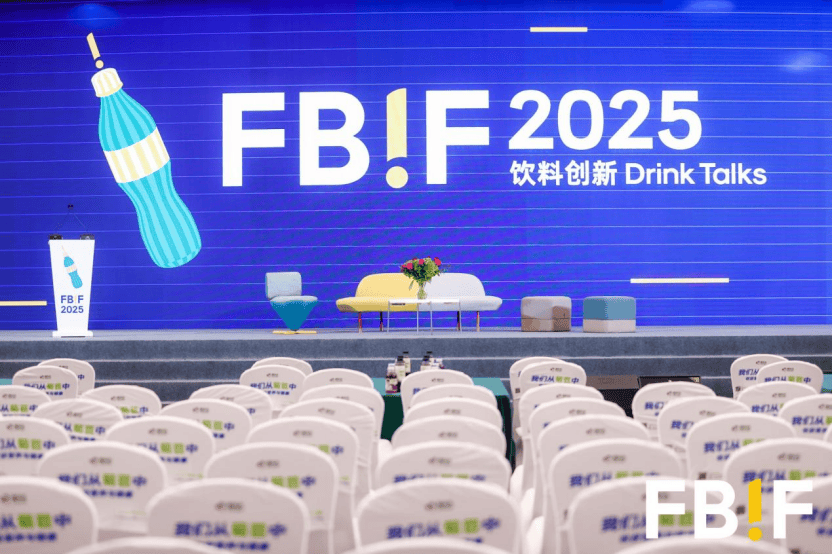
饮料行业变革临界点:97%消费者饮用健康饮料,功效性饮品成新蓝海,决胜关键是“个性化”
Sou Hu Cai Jing· 2025-05-14 09:21
Core Insights - The beverage industry is at a transformative juncture, driven by health consciousness, technological advancements, and cultural shifts, with innovation becoming essential for survival [2][3] - Health has become the primary consideration for consumers when choosing beverages, with 97% having consumed health drinks in the past year [2][10] - The market for sugar-free and zero-calorie drinks is rapidly expanding, with functional beverages emerging as a new growth area [2][5] Category Innovation - Category innovation is viewed as the ultimate growth strategy in a saturated market, exemplified by Junlebao Dairy's success in creating new product categories [3] - The Finnish birch juice brand NordicKoivu achieved a 600% year-on-year growth by targeting natural health needs and reducing transportation costs [5] - Traditional juice products are facing intense competition, with a significant portion of the population actively seeking low-sugar options [5] Functional Differentiation - Health has shifted from being an added attribute to a core competitive advantage, with a move from general health benefits to targeted solutions [8][10] - 90s consumers show a 16% growth in spending on pure fruit and functional drinks, with 62% willing to pay a 30% premium for products with clear health claims [10] - Companies are exploring precise functional customization to address consumer pain points such as sleep and digestion [10][12] AI Revolution - AI technology is significantly enhancing product development efficiency, allowing companies to bring concepts to market much faster [13][15] - The entire beverage creation process is being restructured by AI, from compliance formulation to marketing strategy, reducing time to market to one-fifth of traditional methods [15] - Traditional companies are also adopting AI to improve quality control and product development, ensuring better alignment with consumer preferences [17]