米兰风味焗饭

Search documents
每周日企观察|日本的技术、中国的市场,中间还差什么?
Sou Hu Cai Jing· 2025-11-10 00:39
Group 1: Technology Cooperation between China and Japan - The traditional linear model of "I develop, you apply" in Sino-Japanese technology cooperation is no longer viable; a new collaborative relationship is needed that emphasizes deep interaction from the early stages [2][3] - Japan possesses a wealth of advanced technology in high-end manufacturing, new materials, and robotics, but faces challenges in finding scalable applications due to a saturated domestic market [2] - China, with its complete industrial chain and active market, serves as an ideal testing ground and value amplifier for Japanese technologies [2] Group 2: Honda's Hydrogen Fuel Cell Vehicle Strategy - Honda is actively promoting hydrogen fuel cell commercial vehicles in China, partnering with Dongfeng Motor Group to launch a demonstration operation in Wuhan [3][4] - This strategy aligns with China's carbon neutrality goals, as commercial vehicles account for nearly 70% of carbon emissions in the transportation sector [3] - Honda's focus on commercial vehicles allows it to avoid intense competition in the electric vehicle market, leveraging Dongfeng's manufacturing experience and logistics resources [3][4] Group 3: Cost Efficiency and Market Expansion in Japanese Cuisine - Japanese restaurants in China are successfully adopting a "low price, high quality" strategy, capitalizing on their experience with deflation and consumer price sensitivity [6] - Companies like the Monogatari Group and Nikuno Yamagyu are expanding their presence in China by offering affordable menu options, with plans to significantly increase the number of outlets [6][7] - The restaurant chain Salia aims to double its store count in China by 2035, reflecting the growing demand for cost-effective dining options [7]



日本餐饮用通缩经验在中国发力低价店
日经中文网· 2025-10-26 00:33
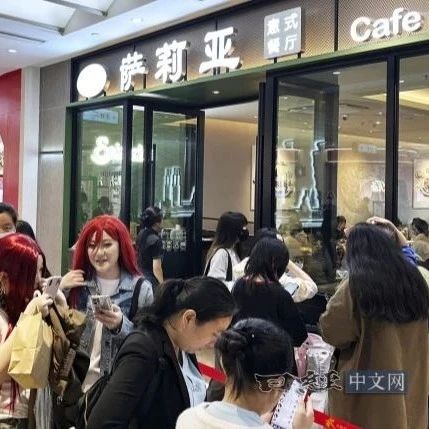
Core Insights - Sally's plan to double its store count in China to 1,000 by 2035 aligns with its strategy to leverage low-cost dining options amid a challenging economic environment [2][4] - The company is investing approximately $30 million to build a new factory for sauces, pasta, and pizza, set to commence operations in Guangzhou in January 2026 [4] - The trend of increasing low-cost dining options is evident as high-end restaurants exit shopping centers due to economic downturns, enhancing Sally's appeal as a tenant [4] Expansion Plans - Sally aims to open over 50 new low-cost Italian restaurants annually in China, targeting a total of 1,000 stores by 2035, comparable to its domestic store count in Japan [4] - FOOD&LIFE COMPANIES (F&LC) plans to increase the number of "Sushi郎" stores in the Greater China region by approximately 40, reaching around 190 by the end of the 2026 fiscal year [6] Market Context - The Chinese economy is experiencing a deflationary trend, with the Consumer Price Index (CPI) showing a year-on-year decline for four consecutive months as of May, although it saw a slight increase of 0.1% in June [6] - Japanese dining companies have honed their ability to provide high-quality dishes at low prices through efficient cooking and service techniques developed in a long-term deflationary environment [7] Consumer Preferences - Japanese dining brands are gaining positive recognition in China for their balance of quality and price, appealing to consumers' desire for value [7] - The pricing strategy for dishes at Sally's restaurants includes offerings such as Milan-style baked rice at 15 yuan and squid ink pasta at 16 yuan, catering to local consumer preferences [4]

萨莉亚越南首店开业,日式意餐布局全球
日经中文网· 2025-05-16 05:12
Core Viewpoint - Saizeriya is expanding its overseas operations, with a focus on the Asian market, particularly China, where it plans to establish a subsidiary to manage its restaurant business [1][2][6]. Group 1: Expansion Plans - Saizeriya opened its first store in Vietnam on May 8 and plans to enter the Australian market by 2026 [1][5]. - The company aims to establish a subsidiary named "Saizeriya Restaurant Management" in Guangzhou, China, to oversee its restaurant operations [2][5]. - Saizeriya has approximately 180 stores in Shanghai and around 200 in Guangzhou, indicating a strong presence in China [2]. Group 2: Financial Performance - For the fiscal period from September 2024 to February 2025, Saizeriya reported a 16% year-on-year increase in sales, reaching 121.5 billion yen, with operating profit growing by 4% to 6.1 billion yen [6]. - The Asian business contributes 86% of the overall operating profit, highlighting its significance to the company's financial health [6]. Group 3: Future Strategies - Saizeriya plans to open 136 new stores overseas in the fiscal year ending August 2025, a 60% increase compared to the previous year [6]. - The company is also considering establishing a local entity in Australia with a capital of approximately 300 million yen, aiming to open its first store in Melbourne [5][6]. - Saizeriya's president expressed a desire to explore opportunities in Europe and North America following the expansion in Australia [5].