
粉蒸肉

Search documents
酸香味儿里的春节
Xin Lang Cai Jing· 2026-02-27 03:58
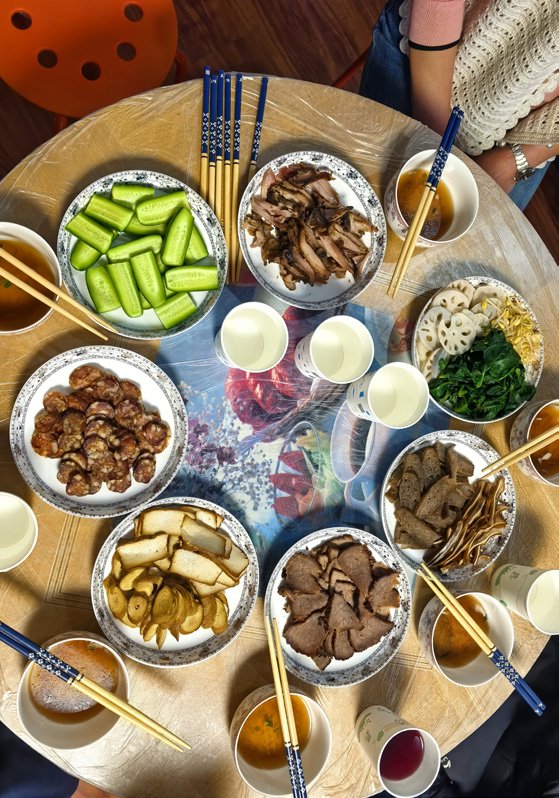
Group 1 - The unique culinary style of Ankang combines flavors from the northwest, southwest, and central China, creating a distinctive taste profile characterized by sour, fragrant, spicy, and numbing sensations, with vinegar soup being a central dish [2] - Vinegar soup is prepared using a base of mature vinegar and soy sauce, enhanced with spices like Sichuan pepper, star anise, and fennel, resulting in a rich, amber-colored sauce that complements various cold dishes served during family gatherings [2] - The traditional New Year's Eve meal in Ankang features a variety of cold dishes, including lotus root slices, spinach, bean sprouts, and vermicelli, alongside cured meats like sausages and beef shank, all served with vinegar soup [2] Group 2 - The hot dishes in Ankang's family reunion dinner include hearty options like chicken with black fungus, steamed mandarin fish, and lamb soup, showcasing a blend of flavors from land and sea [3] - Ankang's pickled vegetables, similar to those from the Sichuan and Chongqing regions, are characterized by a longer fermentation time and spicier taste, featuring ingredients like purple cabbage and ginger, which contribute to a vibrant and flavorful dish [3] - The final dish of the reunion meal is a stir-fry of pickled vegetables, which brings familiar flavors to the palate, evoking a sense of nostalgia for the hometown along the Han River [3]

传承四百余年的省级非遗
Xin Lang Cai Jing· 2026-02-25 18:57
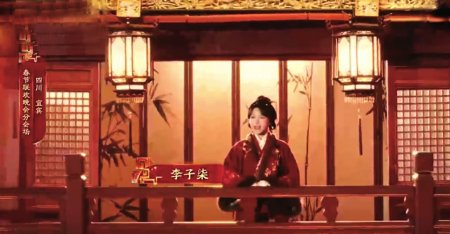
Core Viewpoint - The article highlights the cultural significance of "Qing Chun Jiu," a traditional spring banquet in southern Sichuan, which has been celebrated for over 400 years and was featured in the 2026 CCTV Spring Festival Gala, showcasing its importance as a cultural heritage and social gathering event [11][12]. Summary by Sections Cultural Significance - "Qing Chun Jiu" is a provincial-level intangible cultural heritage in Sichuan, recognized in 2018, and is celebrated from the Spring Festival to the Lantern Festival, embodying a cultural feast that integrates rituals, emotions, and blessings [12][13]. - The tradition is documented in various local chronicles, indicating its historical roots and the customs associated with it, such as family gatherings and offerings to deities [12][13]. Celebration Process - The banquet consists of three main courses: the first course includes tea and sweets, the second features alcoholic beverages paired with cured meats, and the third serves a main meal with various steamed dishes [13][14]. - The practice of "Qing Chun Jiu" is not unique to southern Sichuan; similar customs exist across China, often referred to by different names, indicating a widespread cultural phenomenon of inviting friends and family to celebrate the new year [14][15]. Regional Variations - Various regions in China, including Taiwan, have their own interpretations of "Qing Chun Jiu," with local customs and practices that reflect the same underlying theme of gathering and celebration during the spring season [15][16]. - The essence of "Qing Chun Jiu" lies in the act of inviting people rather than just serving alcohol, emphasizing the importance of reconnecting with friends and family during the festive season [15].
贵州烟火气·黔味中国年丨思南以非遗美食唤醒团圆年味
Xin Lang Cai Jing· 2026-02-21 08:00
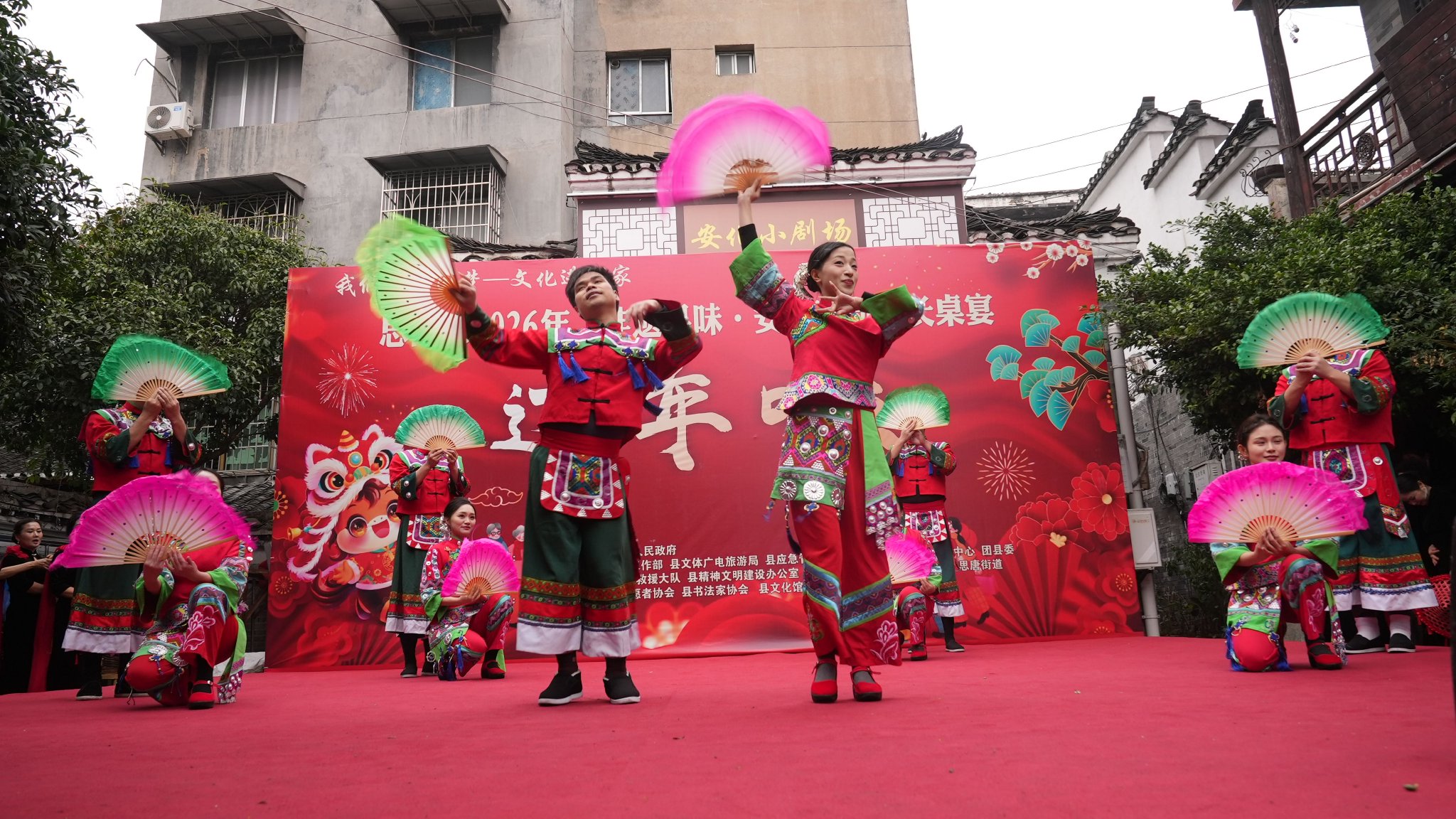
Core Viewpoint - The "Non-Heritage Flavor: Anhua Welcomes the New Year" long table banquet in Tongren City, Guizhou Province, showcases the unique charm of local intangible cultural heritage through a blend of food and culture, creating a warm festive atmosphere for the Spring Festival [1][12]. Group 1: Event Description - The long table banquet features over a hundred meters of tables lined along the ancient street, adorned with red lanterns, enhancing the festive ambiance [3]. - Local residents, invited guests, and returning hometown compatriots gather around the long table to share stories and enjoy the warmth of family reunions [6]. - The event is characterized by a lively atmosphere, with participants capturing moments through videos and photographs [8]. Group 2: Culinary Highlights - The banquet offers a rich selection of local specialties, including sausages, cured meats, and traditional sweets, prepared by experienced local chefs to ensure quality and authenticity [4][5]. - The careful selection of ingredients and the involvement of skilled cooks reflect the commitment to providing an authentic taste of the region [5]. Group 3: Cultural Significance - The event integrates various elements of intangible cultural heritage, such as Tujia cuisine and traditional performances, allowing attendees to appreciate both the food and the cultural depth [10]. - Activities like calligraphy for Spring Festival couplets and family portrait photography contribute to the cultural experience, enhancing community bonds [10]. - The long table banquet serves as a platform for the transmission and promotion of local intangible cultural heritage, fostering a sense of community and cultural identity among residents [12].
母亲的粉蒸肉
Xin Lang Cai Jing· 2025-12-28 17:21
Core Viewpoint - The article reflects on the nostalgic experience of making and enjoying steamed pork, highlighting the cultural significance and emotional connections tied to traditional food practices in rural life [1][2][3]. Group 1: Cultural Significance - The act of slaughtering a pig during festive occasions is portrayed as a communal event that fosters neighborly relationships and shared experiences [2][3]. - The preparation of steamed pork involves traditional methods and ingredients, emphasizing the importance of family recipes and local customs in food preparation [1][3]. Group 2: Personal Memories - The author reminisces about childhood memories associated with the slaughtering of pigs and the subsequent preparation of various pork dishes, which were central to family gatherings and celebrations [2][3]. - The taste of the mother's steamed pork is described as irreplaceable, symbolizing warmth and comfort from childhood, contrasting with modern culinary experiences [3].
光明肉业2025上半年营收120.70亿元 引领行业绿色转型之路
Quan Jing Wang· 2025-08-29 14:50
Core Insights - The company reported a revenue of 12.07 billion yuan for the first half of 2025, representing a year-on-year growth of 4.03%, with a net profit of 176 million yuan [1] - The company is focusing on cost reduction and efficiency improvement in its breeding operations, integrating feed business, and enhancing management practices [2][3] - The company is actively developing new products in the processed meat sector and expanding its distribution network through various marketing strategies [3][4] Financial Performance - In the first half of 2025, the company achieved a total revenue of 12.07 billion yuan, with the New Zealand Silver Fern Farms contributing 7.23 billion yuan to the revenue and a net profit of 253 million yuan, showing a year-on-year increase [5] Market Strategy - The company is enhancing its brand presence and expanding its customer base by developing new wholesale clients and strengthening its sales network [2][3] - The company is leveraging a multi-channel marketing approach to capture market share, including live streaming and promotional events [3] Sustainability Initiatives - The company is committed to sustainable beef production and has implemented a net-zero carbon beef strategy, aiming to launch a full range of net-zero products by 2026 [4][6] - Silver Fern Farms has become the first red meat company in New Zealand to publish a carbon footprint report and has received international recognition for its efforts in reducing greenhouse gas emissions [4][6] ESG Performance - The company has integrated ESG principles into its business strategy, achieving an A rating in ESG assessments and ranking 29th among 233 companies in the food industry [4]
