
粗粮饼干

Search documents
解馋不伤身 春节零食囤货指南来啦
Bei Jing Qing Nian Bao· 2026-02-02 22:46
Core Insights - The article emphasizes the importance of choosing healthy snacks that can complement meals and provide essential nutrients without excessive additives. It categorizes various types of healthy snacks and provides recommendations for portion sizes. Group 1: Fruit Snacks - Strawberries are low in sugar (7.1g/100g) and high in vitamin C, suggesting a serving of 5 to 8 berries [1] - Grapefruit is rich in vitamin C and should be consumed in moderation (1 to 2 segments, approx. 100g) due to potential interactions with certain medications [1] - Kiwi is low in sugar and high in vitamin C and fiber, recommended at 1 fruit per serving [1] - Cherries contain 10.2g of sugar per 100g and are suggested at around 15 cherries [2] - Apples have 52 kcal/100g and are recommended at 1 apple per day [2] - Blueberries are beneficial for chronic disease prevention, with a serving suggestion of 20 berries [2] - Snow lotus fruit has only 3g of sugar per 100g, recommended at 30 to 50g [2] - Frozen persimmons have a high sugar concentration and should be consumed cautiously [2] Group 2: Nut and Seed Snacks - Almonds are rich in protein and healthy fats, recommended at 8 to 10 nuts per serving [3] - Walnuts are high in calories (646 kcal/100g) but beneficial for brain health, suggested at 2 to 3 nuts [3] - Hazelnuts provide essential minerals and are recommended at 5 to 10 nuts per serving [3] - Pistachios are beneficial for heart health, with a serving suggestion of 10 to 20g [4] - Peanuts are high in protein and should be consumed raw, recommended at 15 to 18 nuts [4] Group 3: Dairy Products - Unsweetened yogurt is high in protein and beneficial for gut health, recommended at 1 box (up to 300ml) [5] - Whole milk provides calcium and protein, suggested at 1 cup (approx. 250ml) [5] - Cheese is nutrient-dense, suitable for lactose-intolerant individuals, recommended at 20 to 30g [5] Group 4: Fresh Vegetables - Cucumbers are low in calories (16 kcal/100g) and recommended at 1 cucumber [6] - Tomatoes are rich in vitamin C and low in calories (15 kcal/100g), suggested at 1 tomato [6] - Cherry tomatoes are high in antioxidants, recommended at 15 to 20 pieces [6] Group 5: Legumes and Grains - Dried tofu is high in protein (19.6g/100g) and should be consumed in moderation (30 to 50g) [7] - Chickpeas are low in GI (33) and high in protein (21.2g/100g), recommended at 20 to 30 pieces [7] - Soda crackers are suitable for diabetics but should be consumed in moderation due to high calories [8] - Whole grain bread is better for blood sugar control, recommended at 1 slice [8] Group 6: Eggs and Meat - Boiled eggs are economical and nutritious, recommended at 1 egg per day [10] - Quail eggs can replace chicken eggs in equivalent weight [11] - Beef jerky is high in protein and should be homemade to control salt and sugar, recommended at 3 to 4 slices [12] - Sugar-free chicken jerky is suitable for post-workout protein intake, recommended at 30 to 50g [12] - Sliced beef chips are high in protein, recommended at 30 to 50g [13] Group 7: Snack Control - Moderation is key for snacks with moderate nutritional value, recommended no more than 2 to 3 times a week [14] - Snacks with low nutritional value should be limited to once a week to avoid health issues [14]
粗粮糊糊、饼干吃了反而血糖飙升 把握三个原则才健康
Xin Lang Cai Jing· 2026-01-25 11:03
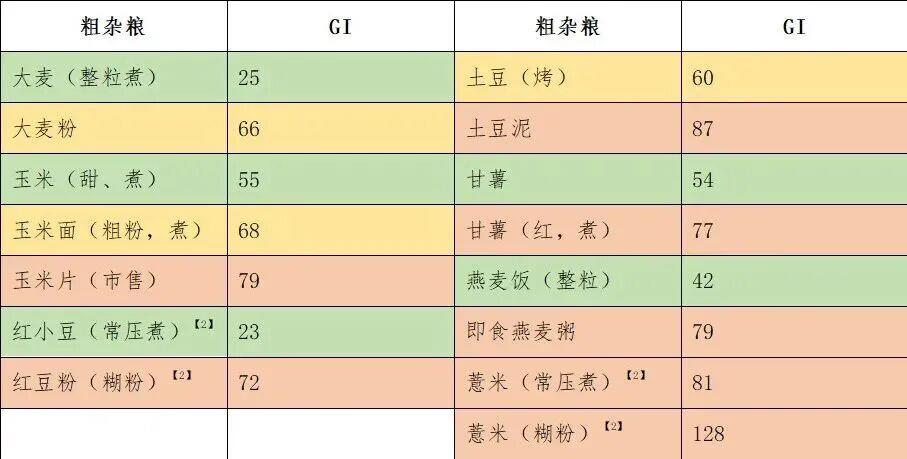
Core Viewpoint - The article emphasizes that while whole grains are beneficial for health, improper preparation methods, such as grinding them into a paste, can lead to a rapid increase in blood sugar levels [1][2]. Group 1: Impact of Processing on Blood Sugar - Many people prefer to consume whole grains in a processed form, believing it improves taste while retaining nutritional value, but this can actually increase blood sugar levels [2][5]. - The glycemic index (GI) of whole grains varies significantly based on their processing; for example, barley in whole form has a GI of 25, while barley flour has a GI of 66 [3][4]. - Processing whole grains into powders or pastes destroys their nutritional advantages, leading to higher GI values and less effective blood sugar control [4][6]. Group 2: Recommendations for Consuming Whole Grains - To maximize the benefits of whole grains, it is recommended to consume them in their most intact form, such as whole grain rice instead of porridge [9]. - Choosing natural flavors and avoiding added sugars, salts, and fats in processed whole grain products is crucial for maintaining lower blood sugar levels [10][11]. - A diverse combination of different whole grains can help balance their GI values and provide a richer nutritional profile [12].

直击直播带货乱象 山西省消协发布警示:直播间食品配料表竟玩“躲猫猫”
Zhong Guo Xin Wen Wang· 2025-09-11 12:51
Core Viewpoint - The Shanxi Consumer Association has issued a warning regarding the misleading practices in live-streamed food sales, highlighting the intentional obscuring of ingredient lists, which infringes on consumer rights to know the true contents of food products [1][2]. Group 1: Issues Identified - Many live-stream hosts either do not mention the ingredient list or display it in a way that makes it difficult for consumers to read, such as using small fonts or quickly switching images [1][2]. - Some products marketed as "healthy" may contain high levels of sugar, salt, or additives, which are not disclosed in the ingredient lists, leading to potential false advertising [2]. - The lack of transparency in ingredient lists is often used to avoid compliance risks related to labeling regulations, such as not disclosing allergens or exaggerated nutritional claims [2]. Group 2: Recommendations for Consumers - Consumers are advised to actively inquire about ingredient lists and retain evidence of their inquiries, such as screenshots or recordings of conversations with hosts or customer service [2][3]. - It is recommended to be cautious of absolute claims like "100% healthy" or "zero additives," as these may indicate potential false advertising if the ingredient list is not provided for verification [3]. - Consumers should prioritize purchasing from sellers who transparently display ingredient lists and be wary of those who do not comply with this practice [3]. Group 3: Suggested Actions for Stakeholders - Live-streaming platforms should enforce rules requiring clear and prominent display of ingredient lists in food-related broadcasts and penalize hosts who evade inquiries about these lists [3][4]. - Regulatory authorities are encouraged to enhance oversight of live-stream sales, focusing on the public disclosure of ingredient lists and imposing strict penalties on businesses that conceal critical information [4]. - The Shanxi Consumer Association emphasizes the importance of transparency and compliance in the food industry to protect consumer rights and maintain fair market competition [5].