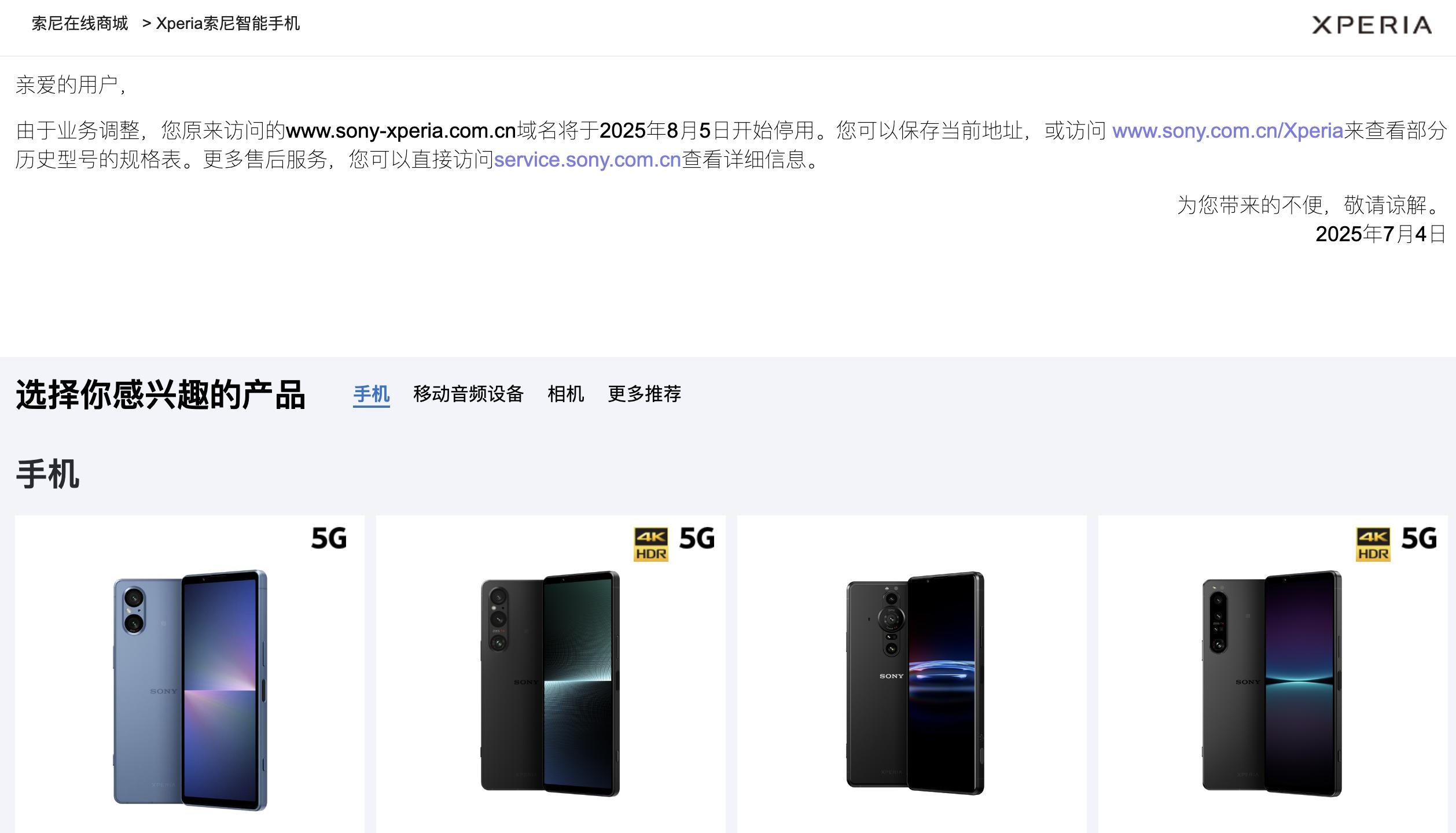
索尼手机

Search documents
索尼委身TCL,日企时代终落幕了
阿尔法工场研究院· 2026-01-23 04:09
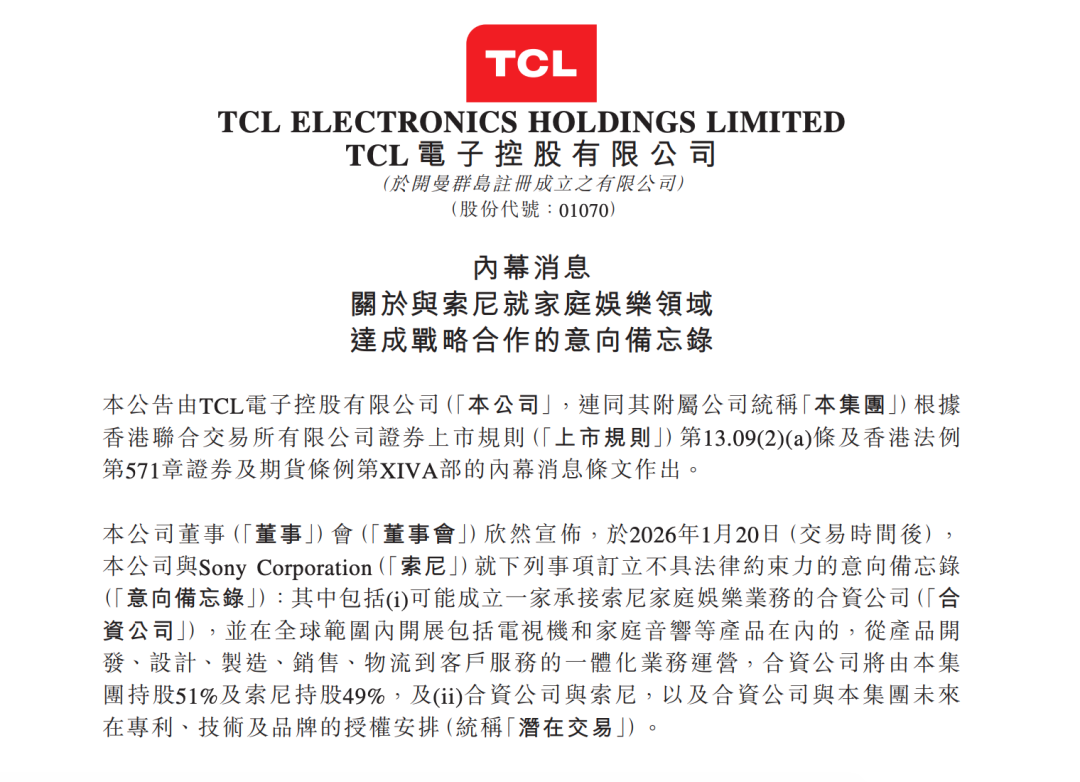
Core Viewpoint - The collaboration between Sony and TCL marks a significant shift in the consumer electronics industry, highlighting the transition from traditional Japanese brands to Chinese manufacturers as key players in the market [5][24]. Group 1: Sony and TCL Collaboration - TCL announced a memorandum of understanding with Sony to establish a joint venture for Sony's home entertainment business, with TCL holding 51% and Sony 49% of the shares [5][7]. - The joint venture will focus on an integrated model for operating television and home audio businesses globally, indicating a shift in control from Sony to TCL [7][22]. - This partnership aims to combine Sony's high-quality audio-visual technology and brand value with TCL's advanced display technology and cost efficiency [20][22]. Group 2: Historical Context of Sony - Sony was once a dominant player in the television market, with its Trinitron technology setting the standard for picture quality in the 1980s and 1990s [9][10]. - The company enjoyed a long period of brand loyalty in China, despite higher prices compared to local brands [12]. - However, the rise of Chinese brands like TCL and Hisense, which offered lower prices and competitive technology, began to erode Sony's market share starting in the early 2000s [12][17]. Group 3: Challenges Faced by Sony - Sony's television business has faced significant challenges, including complaints about product reliability and a decline in brand trust among consumers [17]. - By 2025, Sony's television shipments had dropped to 2.6 million units, ranking it tenth in the market, far behind Chinese competitors [22][24]. - The company has been shifting its focus away from hardware to more profitable sectors like gaming, music, and image sensors, indicating a strategic realignment [24]. Group 4: Rise of Chinese Brands - Chinese brands have transitioned from being price competitors to leaders in technological innovation, with TCL and Hisense achieving significant market shares globally [31][33]. - By 2025, TCL's global television shipments reached 20.8 million units, marking a 4.1% increase year-on-year, while Hisense led the Chinese market in shipments [31][33]. - The collaboration between Sony and TCL symbolizes a broader trend of power shifting in the consumer electronics industry, with Chinese companies increasingly defining market standards [22][24].


索尼委身TCL,日企时代终落幕了
Feng Huang Wang· 2026-01-20 13:07
Core Viewpoint - The collaboration between Sony and TCL marks a significant shift in the consumer electronics industry, highlighting the transition from traditional Japanese brands to Chinese manufacturers as key players in the market [1][21]. Group 1: Partnership Details - TCL announced a memorandum of understanding with Sony to establish a joint venture focused on Sony's home entertainment business, which will operate globally in an integrated manner [2][11]. - The joint venture will have TCL holding a 51% stake and Sony holding 49%, indicating that a Chinese company will lead the future of Sony's once-iconic television brand [5][12]. - The partnership aims to combine Sony's high-quality audio-visual technology and brand value with TCL's advanced display technology and cost efficiency [11][12]. Group 2: Historical Context - Sony was once a dominant player in the television market, with its Trinitron technology setting quality standards in the 1980s and 1990s, but has since faced challenges from emerging Chinese brands [6][9]. - The rise of Chinese brands like TCL and Hisense began in the early 2000s, leveraging lower costs and innovative technologies to capture market share from Japanese manufacturers [6][18]. - By 2025, Sony's television shipments had significantly declined, ranking tenth globally, while TCL and other Chinese brands surged ahead in market share [15][19]. Group 3: Industry Transformation - The collaboration reflects a broader trend in the consumer electronics industry, where traditional vertical integration models are being replaced by more flexible cooperative networks [12][16]. - As Chinese brands evolve from being price competitors to technology innovators, the dynamics of global competition are shifting, with a focus on collaboration rather than direct competition [16][20]. - The partnership symbolizes a strategic pivot for Sony, allowing it to concentrate on higher-margin businesses while leveraging TCL's manufacturing capabilities to sustain its legacy in the consumer electronics space [15][16].
日本制造,拼命撤出中国?背后不简单
商业洞察· 2026-01-06 09:23
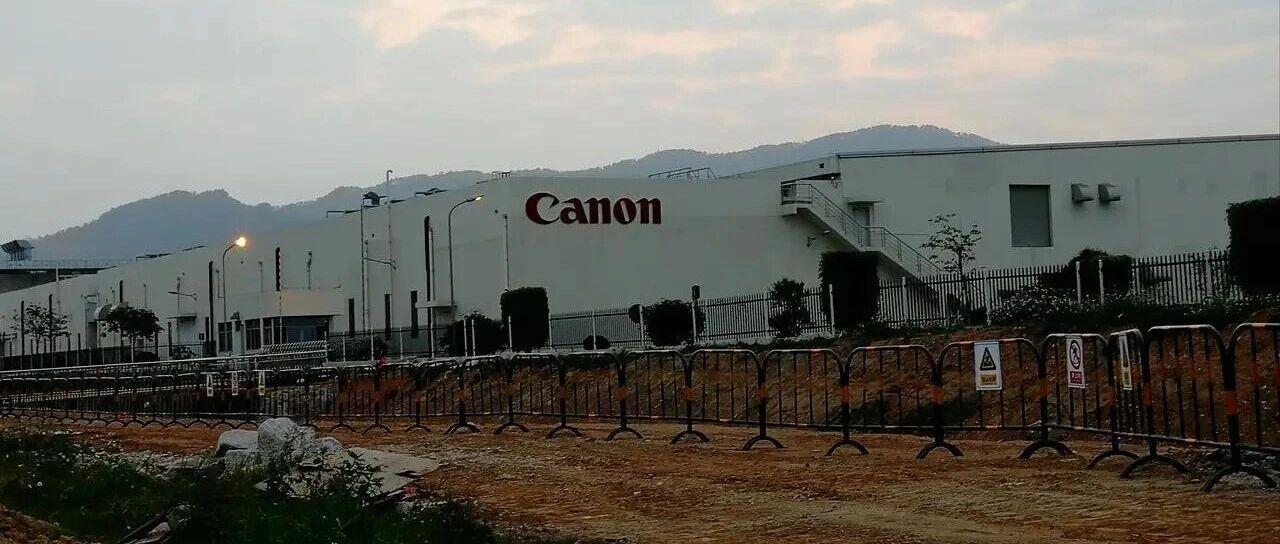
Core Viewpoint - Japanese companies are facing significant challenges in the Chinese market, leading to closures and exits from various sectors, but they are simultaneously increasing investments in high-end technology and local operations in China [4][22][29]. Group 1: Company Closures and Exits - Canon has closed its printer production base in Zhongshan, which was once a major manufacturing hub, reflecting a significant decline in its market presence [5]. - Nissan announced the closure of its Wuhan factory, which had a low production utilization rate of only 3%, leading to its acquisition by another company [6]. - Mitsubishi has completely exited the Chinese automotive market after over 40 years of operation, ceasing its vehicle production [6]. - Sony has officially withdrawn its Xperia smartphone business from China, indicating a strategic retreat from the market [6]. - Yakult closed its first factory in Guangzhou after experiencing a drastic drop in sales, with daily sales nearly halving compared to previous years [6]. Group 2: Market Dynamics and Competition - The decline of Japanese brands in China is attributed to the rapid advancement of domestic brands, which have overtaken their Japanese counterparts in various sectors [11][12]. - Japanese companies have been slow to adapt to market changes, relying heavily on their brand reputation and quality, which has diminished due to various scandals [14][17]. - The local adaptation of Japanese companies has lagged, with many failing to incorporate local consumer preferences into their product offerings [19][20]. Group 3: Strategic Shifts and Investments - Despite the closures, Japanese investment in China has surged, with a 55.5% year-on-year increase in the first three quarters of this year, leading all countries [23]. - Companies like Toyota are making significant investments in high-end technology, such as establishing a wholly-owned electric vehicle company in Shanghai [24]. - Panasonic is investing in semiconductor packaging materials in Shanghai, indicating a strategic focus on critical supply chains amid global competition [28]. - The overall trend shows a "K-shaped differentiation," where low-end capacities are exiting while high-end investments are increasing, reflecting a strategic shift in how Japanese companies view the Chinese market [29].
日本制造,拼命撤出中国?背后不简单
3 6 Ke· 2025-12-29 12:23
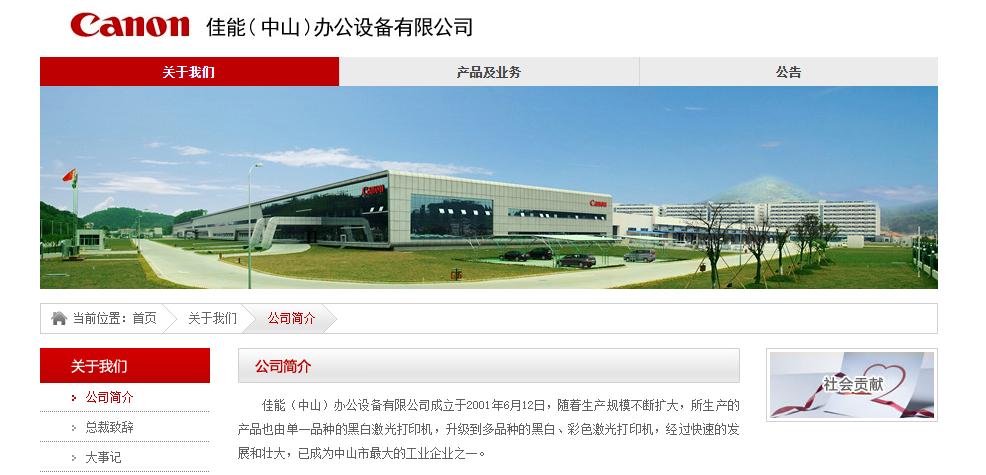
Core Viewpoint - Japanese companies are facing significant challenges in the Chinese market, leading to closures and exits from various sectors, but they are simultaneously increasing investments in high-end technology within China [1][9][23]. Group 1: Company Closures and Exits - Canon has closed its printer production base in Zhongshan, which was once a significant employment hub, producing millions of laser printers and generating nearly 3.2 billion in industrial output in 2022 [1][4]. - Nissan announced the closure of its Wuhan factory, which had a production capacity of 300,000 vehicles per year but struggled with low sales, achieving only 3% utilization [5]. - Mitsubishi has completely exited the Chinese automotive market after over 40 years, ceasing its joint engine project and halting vehicle production [5][7]. - Sony has officially withdrawn its Xperia smartphone business from China, and Yakult has closed its first factory in Guangzhou due to a significant drop in sales [6][7]. Group 2: Market Dynamics and Competition - The decline of Japanese brands in China is attributed to the rapid advancement of domestic brands, which have overtaken their Japanese counterparts in market share [9][11]. - Japanese companies have been slow to adapt to market changes, relying heavily on brand reputation and quality premiums, which have diminished due to various scandals [13][15]. - The market share of Japanese cars in China has dropped from nearly 25% in 2020 to 11.2% last year, while domestic brands dominate the appliance and electronics sectors [12]. Group 3: Strategic Shifts and Investments - Despite the closures, Japanese investment in China has surged, with a 55.5% year-on-year increase in the first three quarters of this year, indicating a strategic pivot towards high-end technology [17][23]. - Toyota has invested $2 billion to establish a wholly-owned electric vehicle company in Shanghai, marking a shift from joint ventures to direct investment in high-end technology [19]. - Panasonic is focusing on semiconductor packaging materials in Shanghai, reflecting a commitment to the Chinese market as a critical battleground for global electronics manufacturing [22]. Group 4: Future Outlook - The current situation represents a significant restructuring of Japanese companies in China, moving away from low-end production towards high-end sectors, indicating a fundamental strategic shift [23][24]. - Companies that can innovate and localize effectively are likely to thrive in the competitive Chinese market, which is seen as a global strategic high ground rather than just a low-cost manufacturing base [24][25].
败退中国,一代日本神机坠落!
Xin Lang Cai Jing· 2025-12-05 23:24
Core Viewpoint - Sony Mobile has quietly exited the Chinese market, marking the end of its presence without any formal announcement or farewell [5][10][11]. Group 1: Market Exit - Sony's official WeChat account has entered the cancellation process, signaling the end of its mobile business in China [5]. - The number of employees involved in Sony's mobile division has drastically decreased from over 600 to single digits [11]. - Sony's market share in China's smartphone sector fell below 0.1% in 2023, relegating it to the "others" category [11]. Group 2: Historical Context - Sony Ericsson was once a leading player in the mobile phone market, known for popular models like K750i and W800, achieving a peak sales of 103 million units in 2007 [12][14]. - The launch of the iPhone in 2007 marked a turning point, as Sony failed to adapt to the changing landscape of mobile technology [14][16]. - After the rebranding to Sony Mobile in 2012, the company struggled to maintain its market position, with global market share dropping to 2% by 2014 [16]. Group 3: Competitive Landscape - Sony's focus on hardware and industrial design did not resonate with Chinese consumers, who preferred features like localized software and high cost-performance ratios [18]. - The rise of domestic brands such as Huawei, Xiaomi, and OPPO further marginalized Sony in the competitive smartphone market [18]. - Sony's inability to create a robust ecosystem or match the R&D capabilities of competitors contributed to its decline [18]. Group 4: Broader Implications - The exit of Sony Mobile reflects a larger trend of Japanese companies struggling in the Chinese market, contrasting with the rapid growth of Chinese consumer electronics [19][25]. - The decline of Sony Mobile symbolizes the end of an era for niche premium brands in the face of evolving consumer preferences and technological advancements [24].

突发!又一日本知名品牌败退中国
Xin Lang Cai Jing· 2025-12-05 15:24
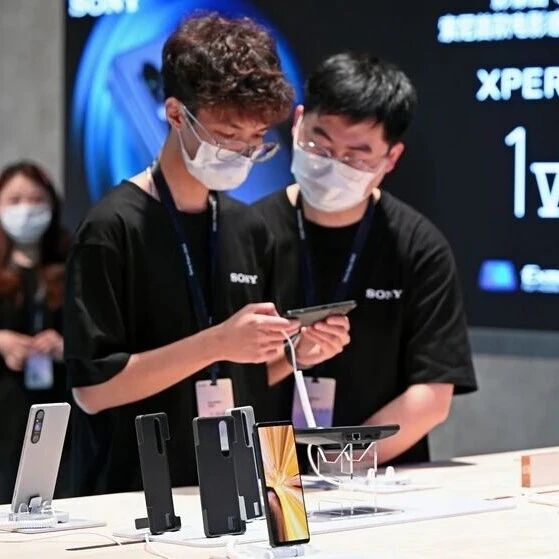
Core Viewpoint - Sony Mobile has quietly exited the Chinese market, marking the end of its presence without any formal announcement or farewell [5][12][11]. Group 1: Market Performance - Sony Mobile's market share in China has dwindled to less than 0.1% in 2023, relegating it to the "others" category [12]. - The official WeChat account of Sony Xperia entered the cancellation process in early November, signaling the closure of its operations in China [5][12]. - The last update on Sony's official Weibo account was nine months ago, and the Chinese website has removed the mobile product category entirely [8][12]. Group 2: Historical Context - Sony Ericsson was once a leading player in the mobile phone market, achieving a peak sales figure of 103 million units in 2007, second only to Nokia and Samsung [17]. - The launch of the Xperia series in 2008 marked a shift, but subsequent models struggled due to delayed releases and quality issues [18][21]. - By 2014, Sony's global market share had plummeted to just 2%, unable to compete with emerging brands like Xiaomi and Huawei [23]. Group 3: Competitive Landscape - The rise of domestic brands offering high cost-performance ratios has overshadowed Sony's offerings, which failed to adapt to changing consumer preferences [28]. - Sony's focus on industrial design and high-end features did not resonate with Chinese consumers, who preferred more practical and localized options [27][28]. - The competitive landscape has shifted dramatically, with brands like Apple, Samsung, Huawei, Xiaomi, OPPO, and Vivo dominating the market [28]. Group 4: Broader Implications - The exit of Sony Mobile reflects a broader trend of Japanese companies struggling in the Chinese market, where local brands have gained significant ground [29]. - The decline of Sony Mobile symbolizes the end of an era for niche brands in the face of mass-market competition [35].

索尼手机刚撤,电视又爆危机!日本巨头为何在中国败退?
Xin Lang Ke Ji· 2025-12-02 12:08
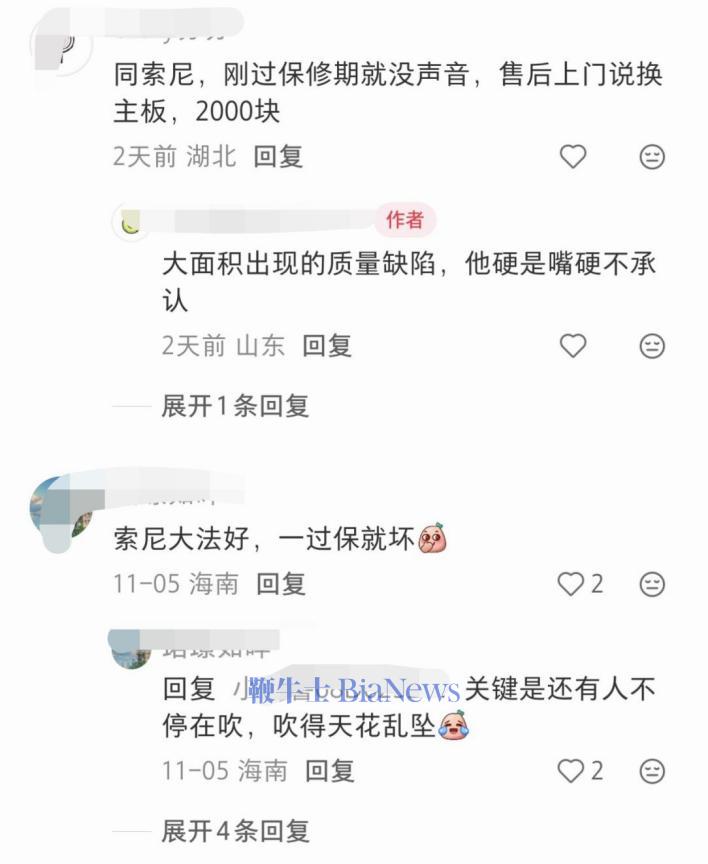
Core Viewpoint - Sony's television and mobile phone businesses are facing significant challenges in the Chinese market, with declining market share and increasing customer complaints regarding product quality and service issues [1][10][15]. Television Business - Sony's market share in the Chinese television market has dropped to below 5% in 2024, with each of the four major foreign brands averaging around 1.25% [1][6]. - Customer complaints highlight a quality crisis, with reports of multiple models experiencing sound output failures shortly after the warranty period [2][5]. - The XR-65X90J model, launched in 2021, has been particularly criticized for a mainboard failure that requires costly repairs, leading to widespread dissatisfaction among users [2][5]. - The overall reputation of Sony televisions has declined, with a significant number of complaints on various platforms indicating systemic quality issues [2][5][10]. - Industry experts suggest that Sony needs to acknowledge these issues, improve customer service, and consider extending warranty periods to regain consumer trust [5][10][11]. Mobile Phone Business - Sony's mobile phone brand, Xperia, has officially exited the Chinese market, with the cancellation of its official WeChat account and the cessation of new product launches since September 2023 [13][15]. - The decline of Sony's mobile business mirrors that of its television segment, as it has struggled to compete against domestic brands like Huawei and Xiaomi, which offer superior technology and user experience [10][11][13]. - Sony's previous strong position in the mobile market has eroded, leading to its classification as a niche player with no new models introduced in recent years [10][13]. Financial Performance - Sony's financial report for Q2 FY25 indicates strong growth in its music, imaging, and gaming sectors, but the television and mobile divisions are categorized under "other businesses," which are experiencing revenue declines and net losses [14][15]. - The overall performance of Sony's television business is at risk of further deterioration if quality and customer satisfaction issues are not addressed [15].
“信仰品牌”倒下,又一段青春记忆被清空了
商业洞察· 2025-11-23 09:22
Core Viewpoint - Sony has decided to exit the smartphone market in mainland China, marking the end of its mobile phone era in the region after over a decade of presence [3][10]. Group 1: Historical Context - Sony's journey began in 1946 with a startup capital of 190,000 yen, evolving into a technology empire known for innovations like the first transistor radio and the Walkman [5][6]. - The Xperia brand was established in collaboration with Ericsson in 2001, achieving significant market share in the early 2010s [8]. Group 2: Market Performance - From 2015 to 2019, Sony's global smartphone sales plummeted from approximately 25 million units to just over 3 million units, a staggering decline of 88% [10]. - The last model released in China was the Xperia 5 V in September 2023, with subsequent models not being launched in the market [10]. Group 3: Strategic Shift - Sony's exit from the smartphone market is part of a broader strategic realignment, focusing on core businesses such as gaming, music, and film, which account for over 60% of its consolidated sales revenue [14][16]. - The company has been reallocating resources away from underperforming sectors like mobile phones to enhance its competitive edge in more profitable areas [14][16]. Group 4: Market Dynamics - Despite having advanced technology, Sony's smartphones struggled due to high prices and a lack of localization, leading to a minimal market share in China [16][17]. - The competitive landscape in the Chinese smartphone market is fierce, with local brands dominating and Sony's offerings being relegated to a niche status [17]. Group 5: Future Directions - Sony continues to supply key sensors to major smartphone manufacturers and is exploring new applications in sectors like automotive technology, indicating a shift towards B2B opportunities [17].

索尼手机败走中国:凉于偏执?
虎嗅APP· 2025-11-22 13:08
Core Viewpoint - Sony's mobile phone business in China has effectively ended, marked by the shutdown of its official WeChat account and the removal of its product listings, following a significant decline in market share and sales performance [5][7][9]. Group 1: Business Operations - Sony's official WeChat account for Xperia was shut down in November 2025, indicating the end of its mobile operations in China [7]. - The last new model launched in China was the Xperia 5V in September 2023, with no subsequent models released [7][9]. - Sony's market share in China's smartphone sector fell below 0.1% as of 2023, categorizing it as "other" in IDC's report [9]. Group 2: Historical Context - Sony's mobile phone success peaked during the Sony Ericsson era, with annual sales exceeding 100 million units, driven by popular products like the Walkman and Cyber-shot series [9]. - After acquiring Ericsson's shares in 2012, Sony's mobile division began a prolonged decline, struggling to compete with the rise of the iPhone and other smartphone innovations [9][10]. - By 2018, global sales plummeted to 1.6 million units, with significant financial losses reported in its mobile communications segment [10]. Group 3: Strategic Missteps - Sony's rigid adherence to a "hardware-driven" philosophy led to a disconnect with market demands, focusing on technical specifications over software services [15]. - The company's strategic misjudgments, particularly in display technology, contributed to its loss of market leadership in consumer electronics [15]. - Despite a strong presence in audio and gaming, Sony's television and mobile divisions are struggling, with market shares dwindling significantly [15][16]. Group 4: Future Outlook - Sony is reportedly planning to release two new Android models, the Xperia 1 VIII and Xperia 10 VIII, in 2026, despite its retreat from the Chinese market [17]. - Any potential return to the Chinese market would require a fundamentally different approach, integrating its strengths in audio, gaming, and sensors rather than relying solely on hardware [18].
索尼手机彻底退出中国:卷不过国产、跟不上时代
3 6 Ke· 2025-11-17 00:07
Core Insights - Sony's Xperia brand has officially ceased operations in China, marking a significant retreat from the market after years of declining performance [1][3] - The decision to shut down the brand is attributed to long-standing issues with market adaptation and competition from local brands [3][12] Historical Context - Sony's mobile division was once highly regarded in China, particularly during the Sony Ericsson era from 2005 to 2010, when it was popular among young consumers [4] - The introduction of the Xperia brand initially saw success, with notable models like the Xperia Arc and Xperia Z series gaining traction [6][9] - However, by 2016-2018, local competitors like Huawei and Xiaomi began to dominate the market, leading to a decline in Sony's market share [9][10] Market Performance - Sony's smartphone market share in China has dwindled to less than 0.1% as of 2023, reflecting its inability to compete effectively [12] - The brand's focus on niche features and high pricing has alienated mainstream consumers, contributing to its decline [10][12] Strategic Missteps - Despite the "One Sony" strategy aimed at leveraging synergies across its various business units, the mobile division failed to capitalize on these resources effectively [14][16] - Sony's lack of software support and local market adaptation has been a critical factor in its failure to resonate with Chinese consumers [16][19] Future Outlook - Sony's mobile division is no longer seen as a profitable business but rather as a platform for testing new imaging technologies [20] - The increasing collaboration between Sony's imaging business and Chinese brands raises concerns about the future viability of the Xperia brand [22]